

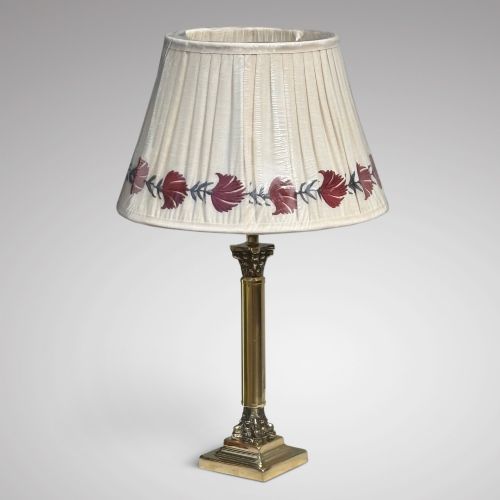
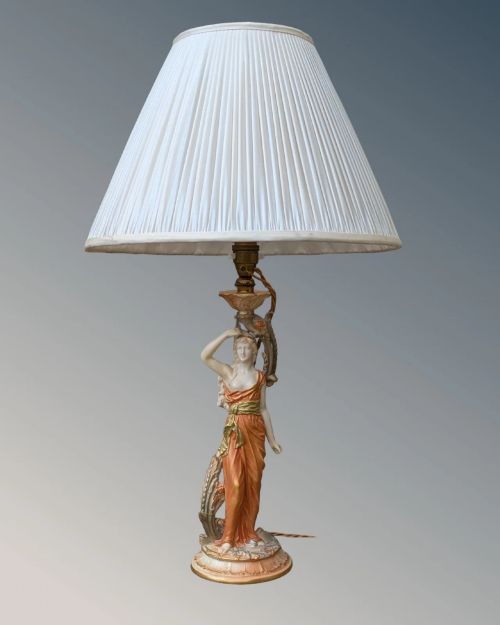

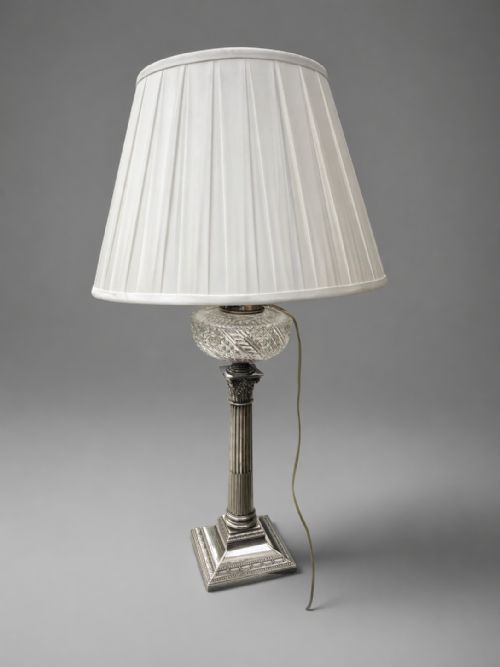


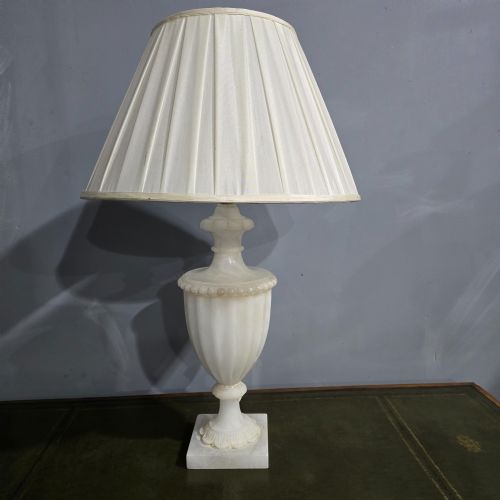
Vintage Pleated Shade Lamp
A vintage pleated shade lamp brings soft, diffused light and period character to a room through traditional fabric diffusers and metal or ceramic bases.
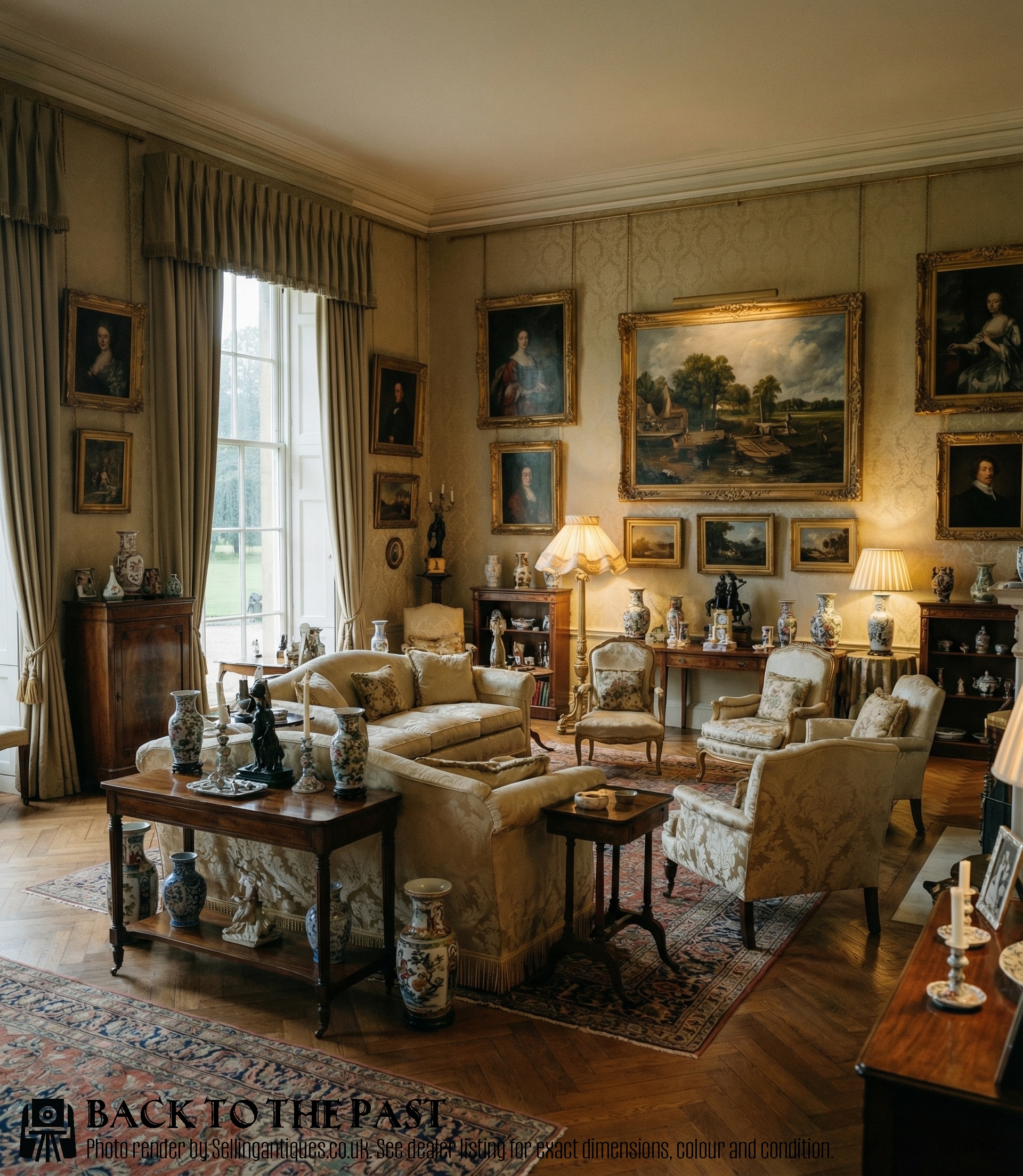
Vintage Pleated Shade Lamp
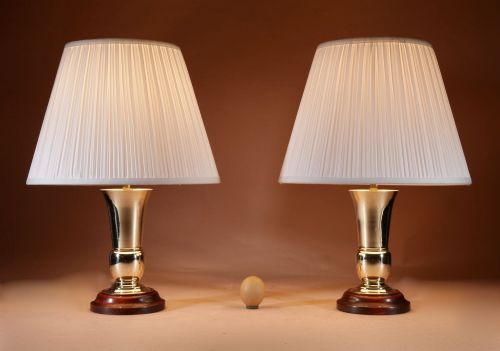
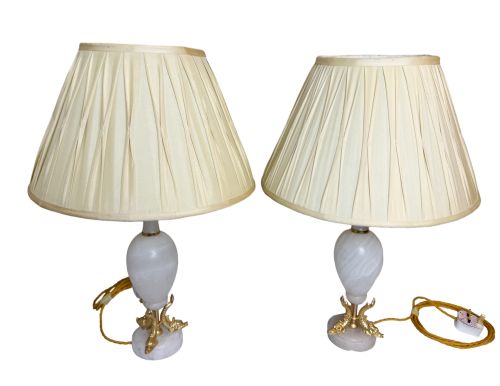
A vintage pleated shade lamp sits within a lineage of lighting that spans table lamps, standard floor lamps, and converted vessels from the nineteenth and early twentieth centuries. These pieces encompass Victorian, Edwardian, and Art Deco designs alongside Neoclassical and Chinoiserie revivals.
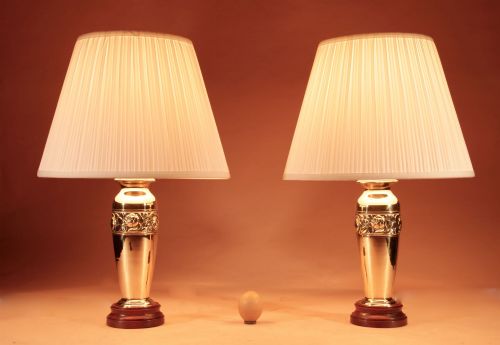
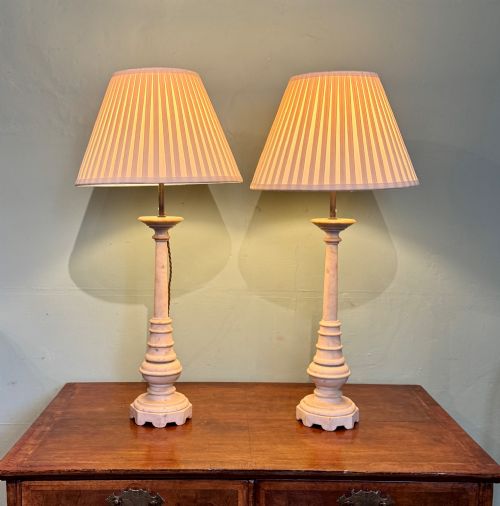
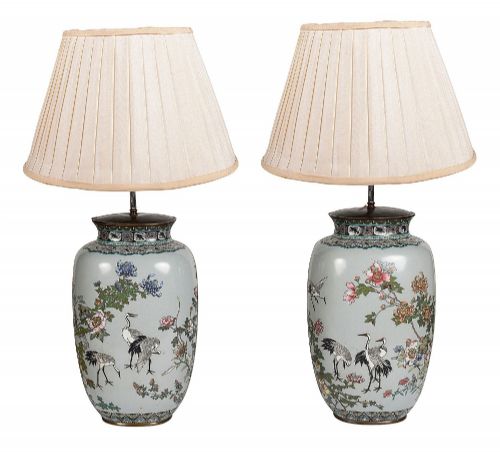
Table lamps dominate the selection, often appearing in balanced pairs featuring brass, porcelain, or carved wood columns. Floor lamps and standard lamps provide taller alternatives, sometimes incorporating adjustable tripod frames or bronze finishes from the early nineteen-hundreds.
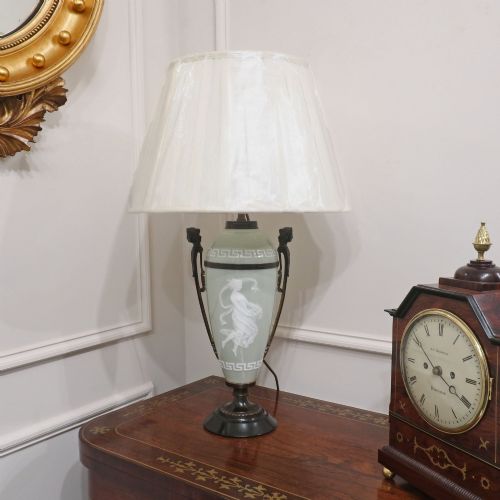
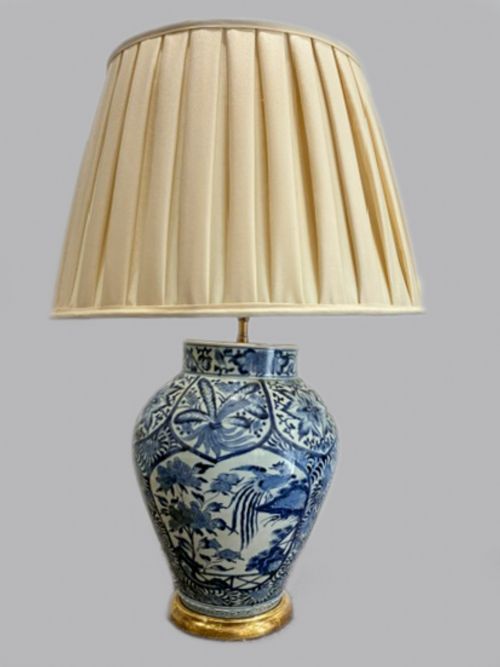
Many examples utilise converted nineteenth-century vases, tea canisters, or Japanese Satsuma and cloisonné pieces mounted as bases. The resulting objects bridge historical craftsmanship with functional domestic illumination.
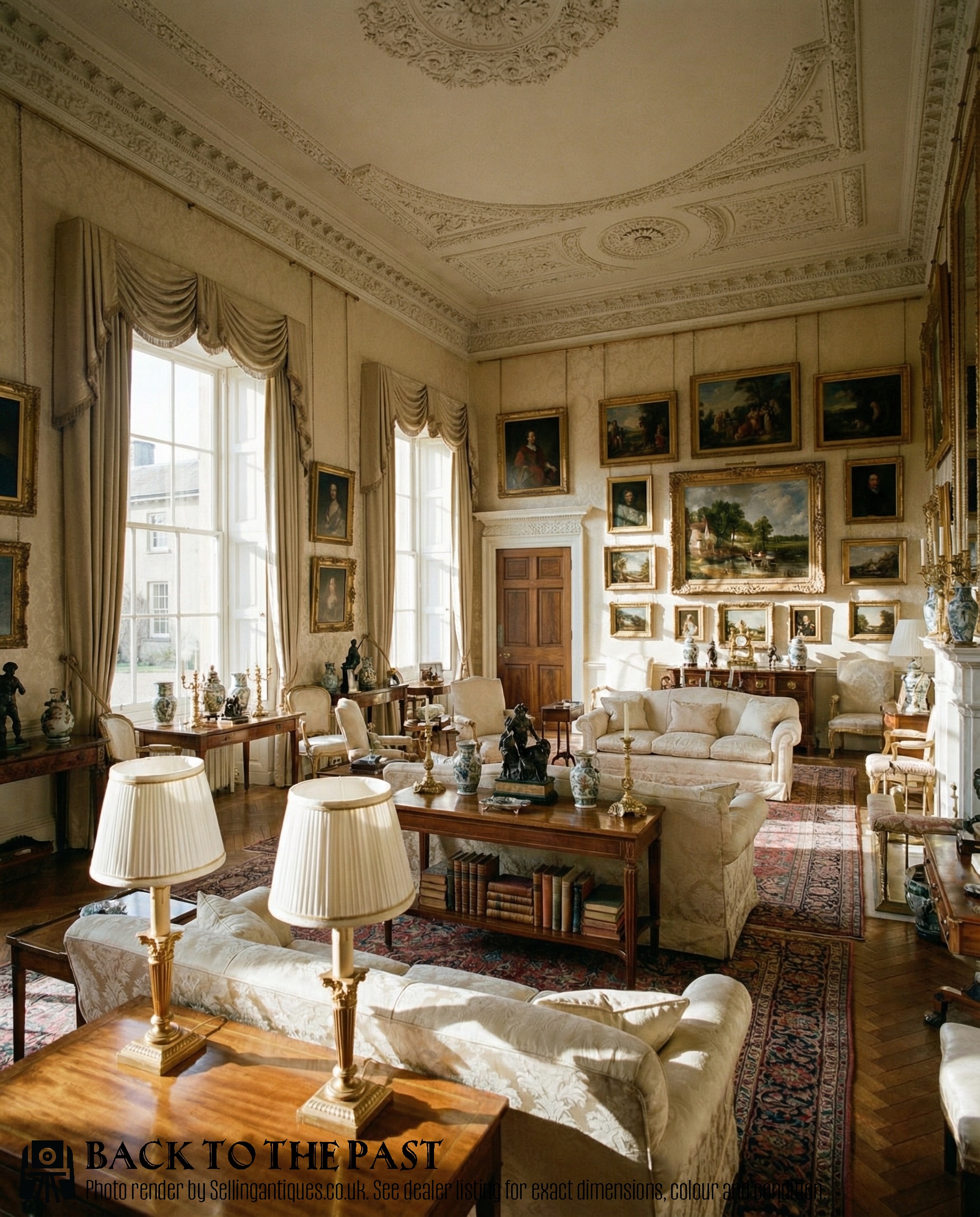
Materials and construction
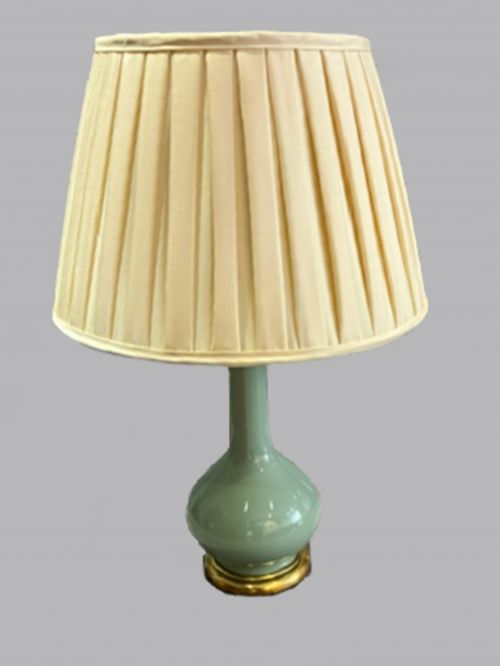
Makers constructed bases from cast brass, gilt bronze, carved wood, alabaster, and glazed ceramics including porcelain and stoneware. Metal components often feature patinated, bronzed, or gilded surfaces shaped in French Neoclassical, Louise Seize, or Art Deco styles.
Fabric diffusers rely on gathered silk and woven textiles, paired with structural wiring and metal fittings added during period conversion or contemporary rewiring. Heavier structural elements utilise marble, onyx, or moulded plaster to ensure stability for tall standards and table bases.
Vintage Pleated Shade Lamp Retail Price Guide 2026
Typical asking prices for vintage pleated shade lamp among the pieces listed under this phrase on Sellingantiques today, from the lower quarter to the upper quarter. They describe what is for sale here now, not the wider market.
One Victorian microscope slide shade comes complete in its original case, proving that nineteenth-century scientists also appreciated a well-diffused light source.
Craftsmanship and finish
Quality rests in the weight of the metal castings, the precision of hand-carved wood or alabaster, and the fidelity of decorative mounts such as ormolu and gilt bronze. Fine examples display crisp chasing on brass and well-preserved original patination rather than flat, modern plating.
The integration of the original vessel or column dictates the success of a conversion, where secure mounting preserves the integrity of antique porcelain, cloisonné, or lacquerwork. Superior pieces maintain harmony between the base proportions and the chosen shade.
M Pillischer·Ernst Bohne and Sohn
The Vintage Pleated Shade Lamp Glossary
- Ormolu
- Gilded bronze mounted onto furniture, clocks, and lamp bases, popular in French neoclassical design. It involves applying a mercury and gold amalgam to bronze before firing.
- Cloisonné
- An enamel technique where thin metal wires form raised cells on a vessel surface to hold coloured pastes before firing. It frequently appears on nineteenth-century Japanese pieces later adapted into lamp bases.
- Satsuma
- A type of earthenware from Japan characterised by a crackled ivory glaze and intricate polychrome enamel decoration. These vases often form decorative bases for table lighting.
- Standard Lamp
- A tall freestanding floor lamp designed to illuminate a room from a corner or beside seating. Period versions frequently feature heavy cast metal bases and adjustable heights.
- Pate Sur Pate
- A ceramic technique where wet white porcelain slip is painted in successive layers onto a darker coloured clay body to create a low relief cameo effect.
Vintage Pleated Shade Lamp: Frequently Asked Questions
How do I date a vintage pleated shade lamp?
Examine the construction methods of the base, noting whether the metal components are heavy cast brass, gilt bronze, or patinated white metal. Style indicators such as Art Deco geometric lines or Victorian neoclassical motifs help narrow the manufacturing decade.
Inspect the wiring ports, switches, and interior hardware for signs of age or period-specific manufacturing techniques. Converted vessels often carry reign marks or studio stamps on the ceramic or porcelain body beneath the mountings.
Are these lamps safe for modern electrical systems?
Many period lamps require professional rewiring to meet contemporary safety standards while preserving the original exterior hardware. A qualified electrician can replace degraded internal cords without altering the historic base.
Using modern low-heat LED bulbs helps protect fragile antique silk shades and delicate nineteenth-century fabrics from thermal degradation. This approach maintains the aesthetic integrity of the piece during daily use.
Can I use modern shades on these lamps?
Selecting a replacement shade requires careful attention to the proportions of the base, particularly with tall standard lamps or heavy ceramic vessels. Silk or pleated fabric shades mirror the period aesthetic established by Edwardian and Art Deco designs.
Fitter types and shade carrier rings must match the vintage harp or shade ring assembly on the lamp neck. Proper sizing ensures the assembled piece maintains visual balance.
How do I clean antique brass and porcelain bases?
Dust brass and gilt bronze components gently with a soft, dry cloth to preserve the accumulated patination of the metal. Avoid abrasive polishes that strip historical finishes and expose raw base metals beneath.
Clean ceramic and cloisonné surfaces with a damp cloth, taking care to avoid moisture entering old wiring ports or unsealed wooden mounts. Regular maintenance prevents dust accumulation without risking damage to delicate glazes.