
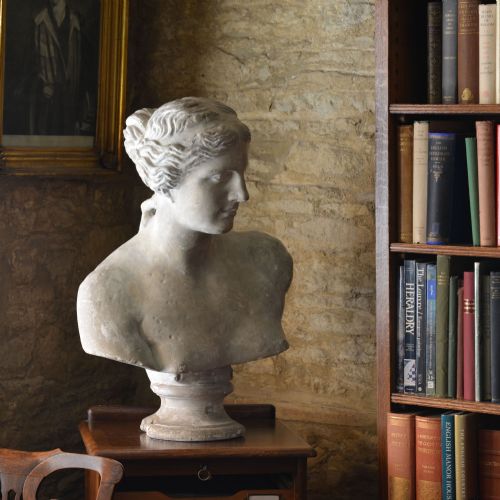


Vintage Plaster Head
A vintage plaster head brings classical gravitas or modernist edge to a room, offering sculptural form without the weight of solid stone.
Vintage Plaster Head
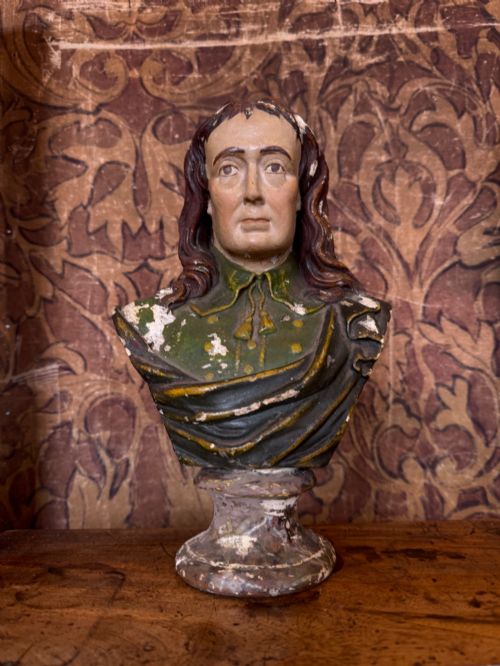
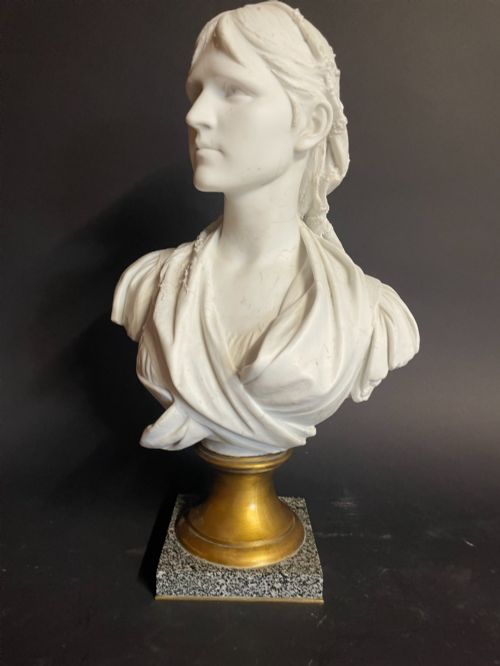
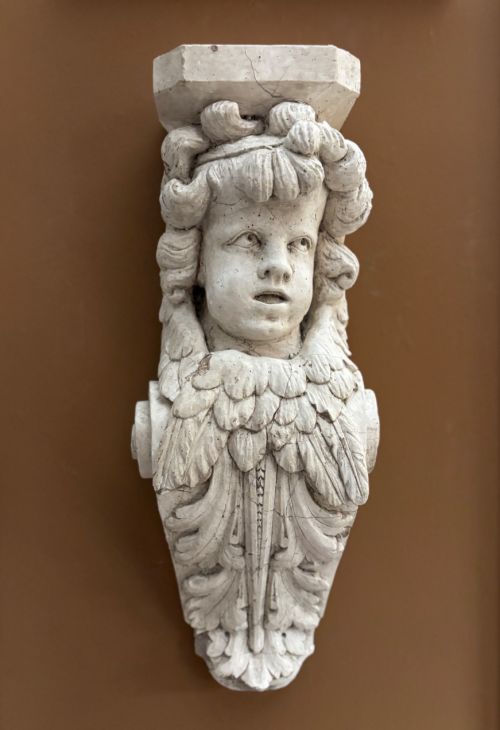
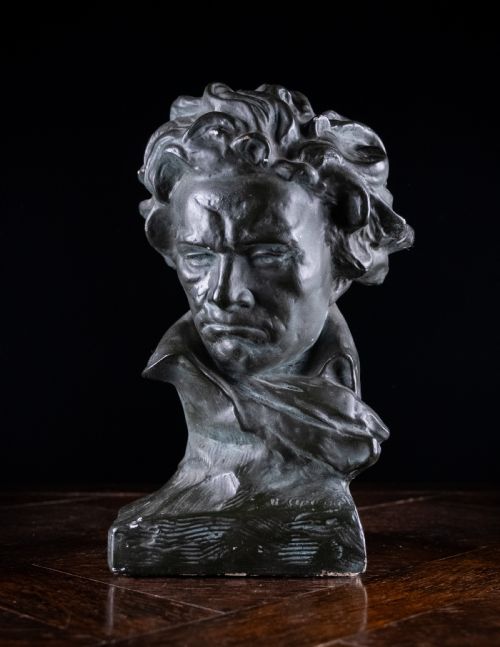
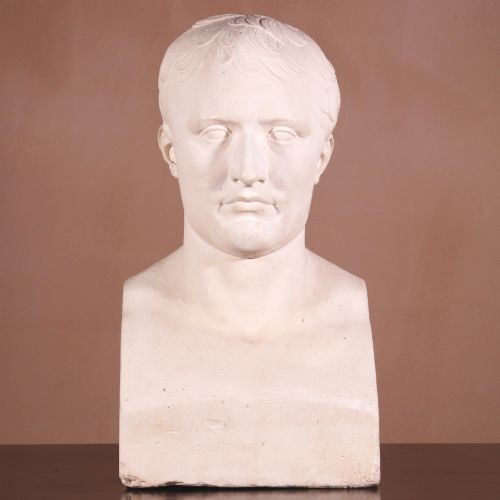
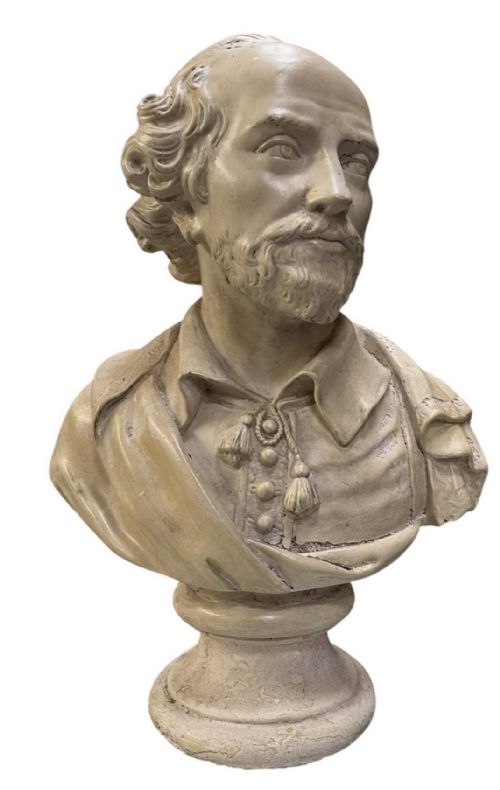
When you search for a vintage plaster head, you encounter sculptural works ranging from nineteenth century classical figures to nineteen thirties advertising mannequins. These objects include portrait busts of historical figures, theatrical props, and decorative wall brackets.
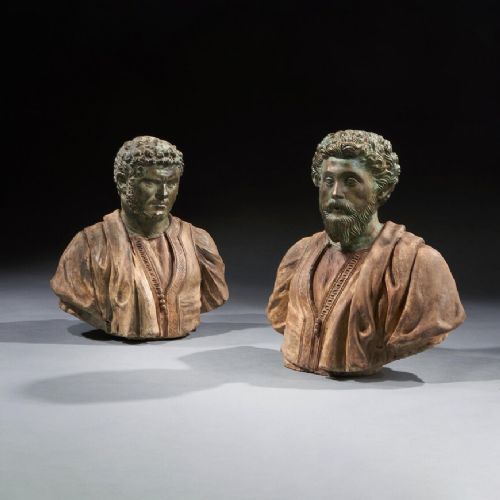
The nineteenth century examples often draw on neoclassical and Italian Baroque traditions, depicting Caesars, composers, and classical deities like Venus and Bacchus. Twentieth century pieces shift toward Art Deco aesthetics, featuring French shop displays and stylized ladies on stands.
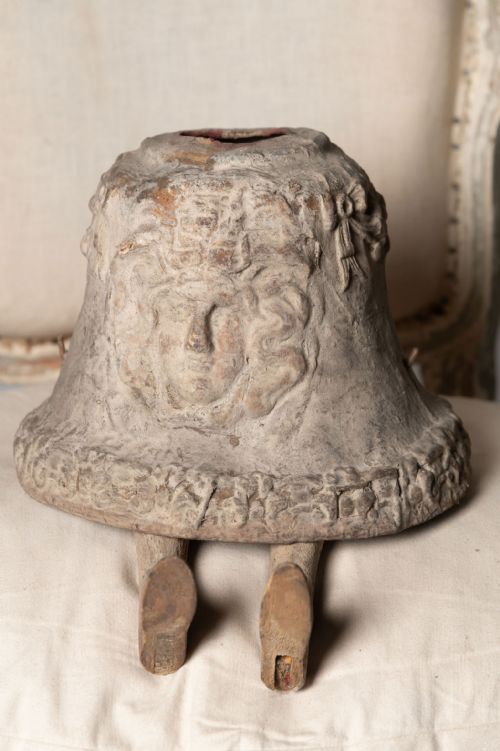
Most items on this page utilise plaster, often reinforced with gesso, paint, or mounted on wooden bases. You will also find variations that incorporate terracotta or marble elements alongside the primary plaster medium.
How they were made
The primary material is plaster or gypsum, poured into moulds to capture fine sculptural detail. Artisans then finished the surfaces with paint, gesso, or patination to emulate bronze, terracotta, or aged stone.
Many structural elements integrate wood for stands, wall brackets, or internal support frames. Secondary materials such as terracotta occasionally appear in place of pure plaster.
Marcus Aurelius and Caracalla keep a stern imperial watch over modern living rooms.
What varies in quality
The fidelity of the casting separates standard decorative items from superior works. Finer pieces retain crisp facial expressions, sharp drapery folds, and subtle surface textures rather than soft, muted details.
The integrity of the original painted or gesso surface dictates the visual depth of the piece. Skilful hand-finished patination and minimal structural loss elevate nineteenth and twentieth century examples.
Raffaelo Monti·Bohumil Rezl
The Vintage Plaster Head Glossary
- Plaster
- A building and sculpting material made from gypsum, water, and other ingredients. It sets hard when dry and forms the primary medium for these busts.
- Gesso
- A plaster mixture used as a smooth base for paint on wood or canvas. It frequently coats plaster sculptures to prepare the surface for finishing.
- Neoclassical
- A Western cultural movement drawing on ancient Greek and Roman art. Many nineteenth century busts on this page reflect this stylistic revival.
- Putto
- A figure of a small chubby male child, often winged. These appear frequently on architectural corbels and wall brackets.
- Terracotta
- Baked clay used for pottery and sculpture. Some pieces blur the line between this ceramic material and traditional plaster.
Vintage Plaster Head: Frequently Asked Questions
Are these pieces solid plaster?
Many larger busts are cast hollow to reduce weight, sometimes incorporating internal wooden frames or wire armatures for structural support. Solid plaster pieces are notably heavier and require sturdy display surfaces.
Examine the base or underside to understand the internal construction of each individual sculpture.
How do I date a plaster head?
Examine the style, surface wear, and mounting materials to determine the era. Nineteenth century pieces often lean toward classical revival subjects, while nineteen thirties examples showcase Art Deco design and shop display forms.
Maker signatures, stamps, or labels on the reverse or base provide further clues to exact origins.
Can plaster heads be displayed outside?
Plaster is a porous material sensitive to moisture, frost, and extreme temperature fluctuations. These sculptures belong indoors in stable, dry environments.
Placing them away from damp exterior walls preserves the integrity of the gesso and painted finishes.