




Hat Display Head
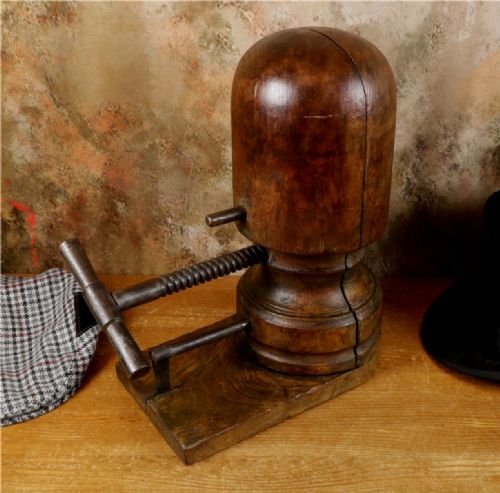
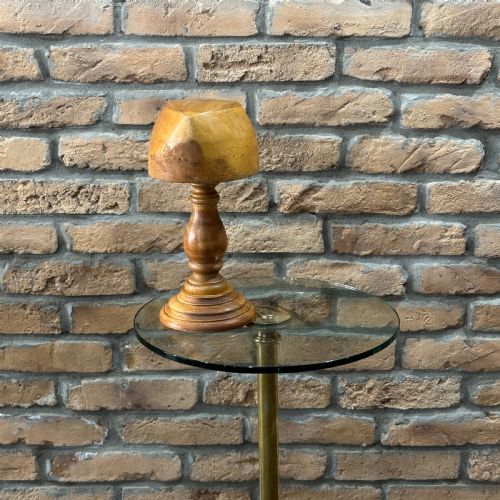
These hat display head pieces are shop fittings and maker forms designed to shape and showcase millinery, prized for period character.
Hat Display Head
A hat display head serves as a functional shop counter piece or a maker tool designed to hold millinery, wigs, and headwear in retail spaces and studios. When you search for this phrase, you encounter items originating from the Victorian era through the Art Deco period.
The most common versions on this page are wooden hat forms, carved wooden heads, and French Art Deco advertising mannequins. These objects range from utilitarian shop equipment to expressive folk art carvings and elegant display busts.
Makers fashioned these pieces from materials including wood, fruit wood, beech, oak and walnut, alongside painted plaster and cast iron. Their forms encompass hat blocks, stretchers, wig stands, and counter top shop display mannequins.
Materials and construction
Carvers shaped solid hardwoods such as beech, fruit wood, oak, and walnut to create durable hat blocks and display heads that could withstand daily millinery work. Wood grain and natural tones dominate the construction of traditional haberdashery pieces.
Some wooden wig stands retain faint traces of old hatpin holes, recording the exact angles past milliners preferred.
Distinctions in quality
The choice of material dictates longevity and presence, with dense fruit woods and solid hardwoods offering superior tactile weight compared to softer alternatives. Original surface finishes, such as aged paint or patinated wood, retain historical integrity better than stripped or heavily restored examples.
The Hat Display Head Glossary
- Hat block
- A solid wooden form carved to the shape of a human head or crown upon which milliners construct hats. Hat blocks ensure proper sizing and shaping during manufacture.
- Hat stretcher
- A mechanical or wooden device inserted into headwear to expand or maintain circumference. These tools were essential for adjusting hat sizes in traditional shops.
- Haberdashery
- Items relating to dealers in small articles of dress and sewing. Shop fittings from this trade include display stands, stretchers, and counter top forms.
- Mannequin bust
- A sculptural representation of the upper torso and head used for displaying garments and millinery. These shop displays date across nineteenth and twentieth century periods.
Hat Display Head: Frequently Asked Questions
What is a hat display head used for?
These pieces serve as supports for hats, wigs, and millinery items in retail displays or private collections. They keep headwear in proper shape when not being worn.
Historically, milliners and hatters used similar wooden forms to construct and size hats in their workshops before placing them on shop counters for customer viewing.
How do I date a wooden hat display head?
Dating relies on stylistic markers such as Victorian proportions, Art Deco geometric styling, or folk art carving techniques. The choice of wood species and construction methods also offer clues to the era.
Examining the surface wear, paint layers, and tool marks helps differentiate nineteenth century workshop items from later twentieth century shop displays.
Are these pieces French or English?
The selection includes both English and French examples, often identifiable through regional haberdashery styles and timber choices. French pieces frequently lean towards Art Deco advertising aesthetics.
English items tend to feature traditional hardwood construction or folk art carved styles originating from London workshops and provincial makers.
How should I clean a painted plaster display head?
Painted plaster requires gentle dusting with a soft, dry brush to preserve fragile historic finishes and applied paint layers. Moisture can damage plaster and cause flaking.
Avoid chemical cleaners or abrasive cloths entirely, as these materials easily strip away original patination and period character from advertising finishes.