








Vintage Plant Plinths
Vintage plant plinths elevate your greenery and sculpture, bringing classical presence and architectural height to any room.
Vintage Plant Plinths
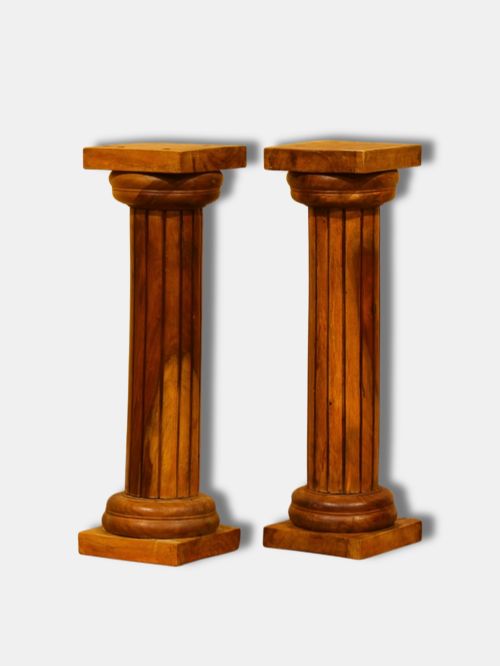
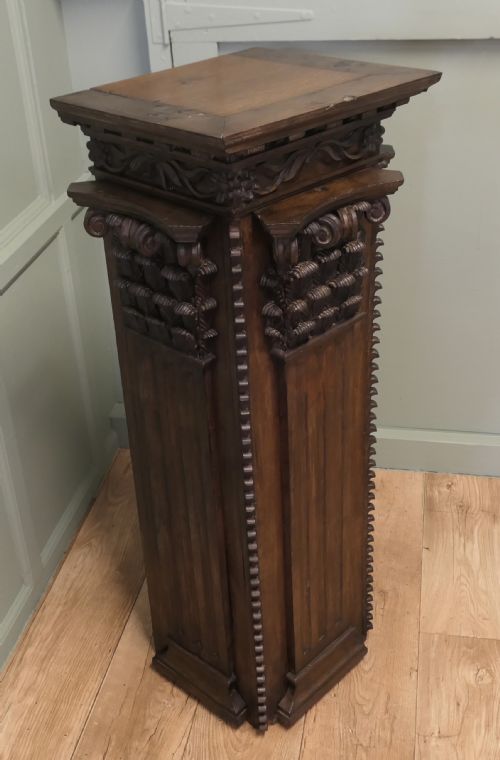
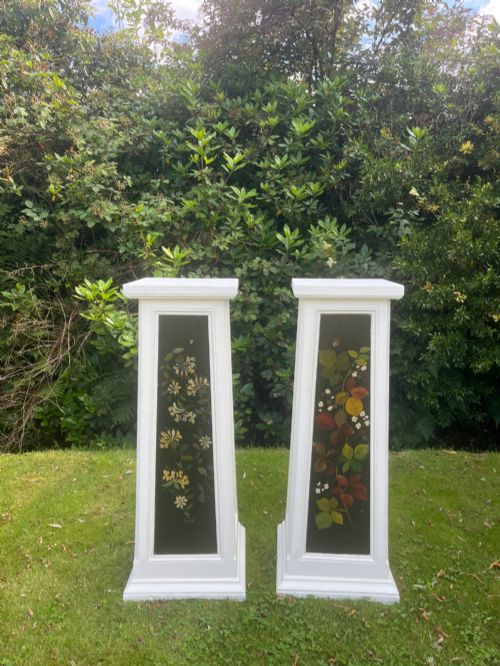
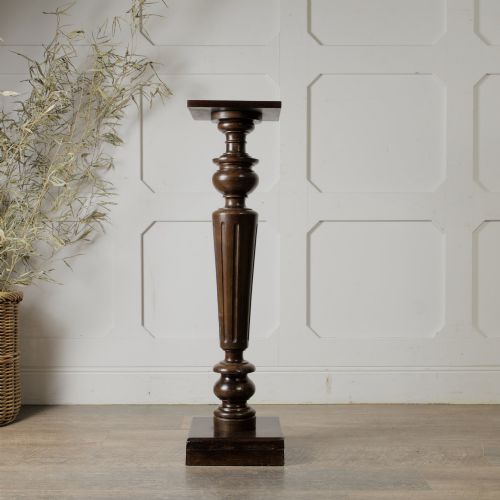
Vintage plant plinths function primarily as elevated display columns for flora, sculpture, or urns, drawing the eye upwards through architectural form. These pieces emerge in materials ranging from warm carved oak and mahogany to cool variegated marble, alabaster, and cast iron.
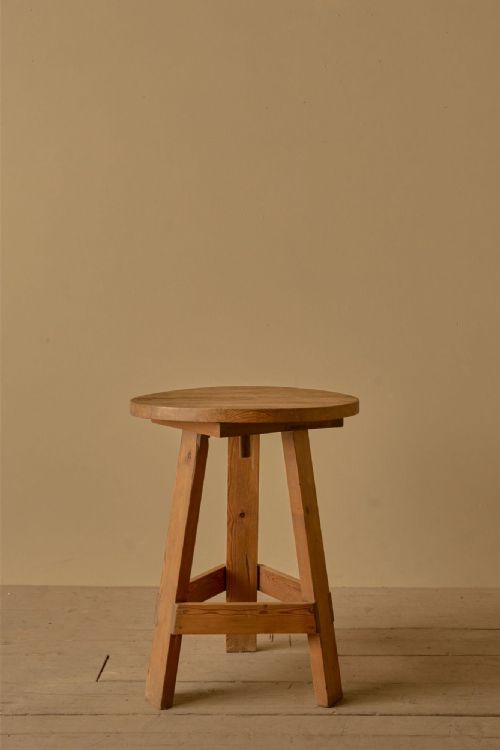
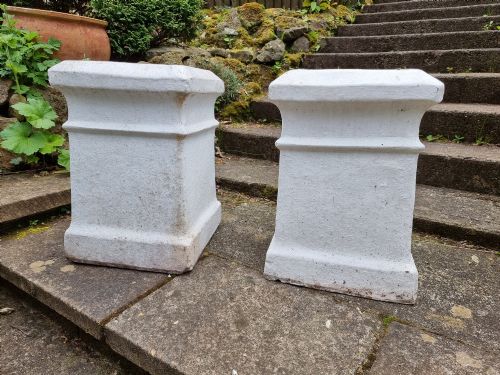
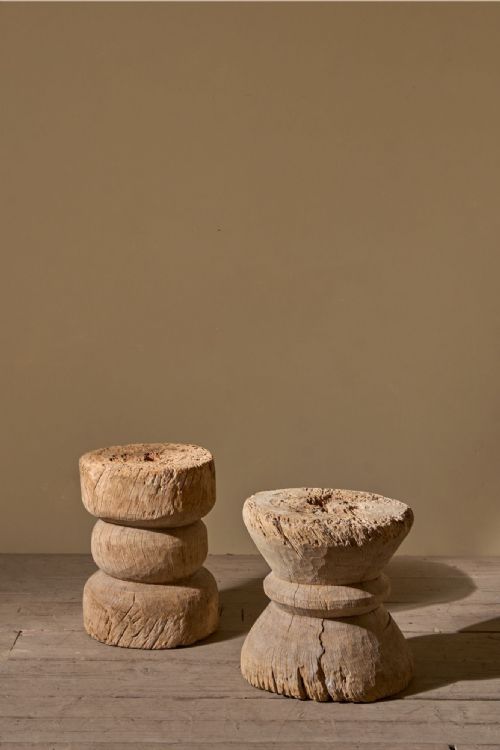
You are most likely to encounter nineteenth-century examples and early twentieth-century variations on this page, spanning styles from Neoclassical and Classical Revival to rustic folk art and Victorian garden designs. Forms vary from cylindrical sculpture stands and spiral pillars to sturdy chimney pots and decorative French columns.
The selection encompasses single display stands as well as matched pairs, some featuring marble tops or specialist mounts. They bridge the gap between functional gardenware and interior decorative arts.
Materials and Construction
Makers utilised a diverse palette of dense hardwoods like oak and mahogany, often turned on a lathe to create smooth columns or spiral pillars. Stone varieties such as marble, onyx, and alabaster were hand-carved and polished to reveal natural veining and tactile surfaces.
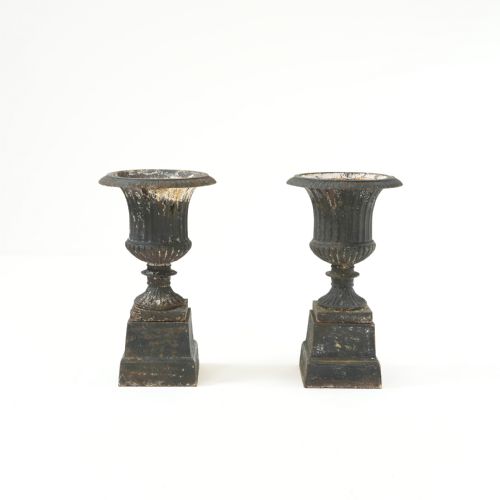
Metal elements relied on durable cast iron, seen in campana urns paired with plinths, alongside decorative ormolu mounts. Other pieces employed painted plaster, terracotta, stoneware, and clay, shaped into robust columns and garden pedestals.
Vintage Plant Plinths Retail Price Guide 2026
Typical asking prices for vintage plant plinths among the pieces listed under this phrase on Sellingantiques today, from the lower quarter to the upper quarter. They describe what is for sale here now, not the wider market.
Listings feature eighteenth and nineteenth-century forms alongside early twentieth-century painted plaster and cast iron.
Assessing Quality and Execution
Quality rests in the fidelity of the carving and the integrity of the material, whether examining the crisp detail of Neoclassical plaster or the precise turning of solid mahogany. Finer examples display harmonious proportions and balanced weight distribution, ensuring a stable platform for heavy stone or marble bowls.
The choice of medium elevates a piece, shifting standard painted wooden columns towards solid variegated marble, onyx, or finely cast bronze-accented ormolu mounts. Surface finishes also dictate merit, from carefully preserved original paint to the rich patina of aged oak.
Dunfermline Clay Company·Marguerite
The Vintage Plant Plinths Glossary
- Plinth
- A heavy base supporting a statue, vase, or column. It provides foundational stability and visual weight.
- Torchere
- A tall ornamental stand originally designed to carry a torch or candle, later adapted for lamps and urns.
- Campana urn
- A bell-shaped garden vessel often mounted atop a column or plinth. These classical forms originated in ancient Greece and Rome.
- Ormolu
- Gilded bronze ornamentation applied to furniture and pedestals. It adds a refined metallic contrast to wood and stone.
- Alabaster
- A fine-grained, translucent stone used for carved columns and stands. Its soft texture allows for subtle light diffusion.
Vintage Plant Plinths: Frequently Asked Questions
What can I display on a plinth?
These sturdy stands suit heavy potted plants, trailing ivy, bronze busts, and decorative urns. They lift greenery off the floor to catch the light.
Heavier marble and stone columns safely hold weighty stoneware, while slender wooden stands accommodate lighter floral arrangements and decorative objects.
How do I choose the right height?
Consider the scale of the room and the object you plan to display on top. Taller columns draw the eye upward and command attention in open corners.
Shorter pedestals work well alongside seating or beneath windows where excessive height would obstruct views or natural light.
Are these pieces suitable for outdoor use?
Materials like cast iron, terracotta, stoneware, and certain stone types withstand garden environments effectively. They weather naturally over time when placed outdoors.
Wooden, plaster, and polished marble pieces generally prefer the stable indoor climate of a hallway, living room, or conservatory.
How do I tell Neoclassical from rustic styles?
Neoclassical pieces feature crisp architectural details like fluting, classical revival motifs, ormolu mounts, and polished marble. They reflect formal classical antiquity.
Rustic folk art and rustic oak items embrace natural textures, simpler turned wooden elements, and unrefined finishes suited to informal garden settings.