

Vintage Plant Pedestal Table
A vintage plant pedestal table raises your greenery to eye level, combining practical display with decorative timber work.
Vintage Plant Pedestal Table
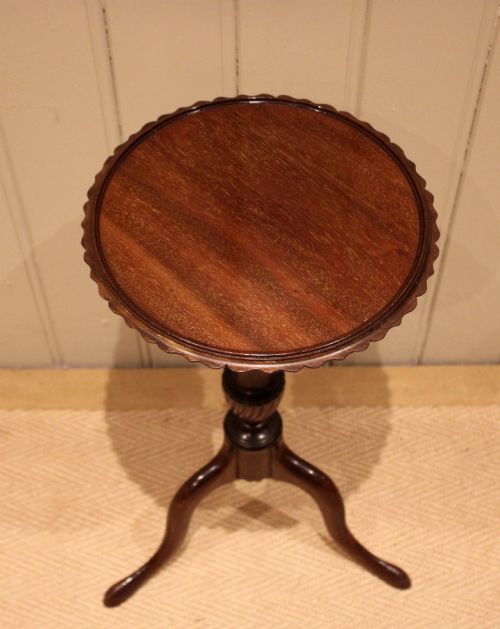
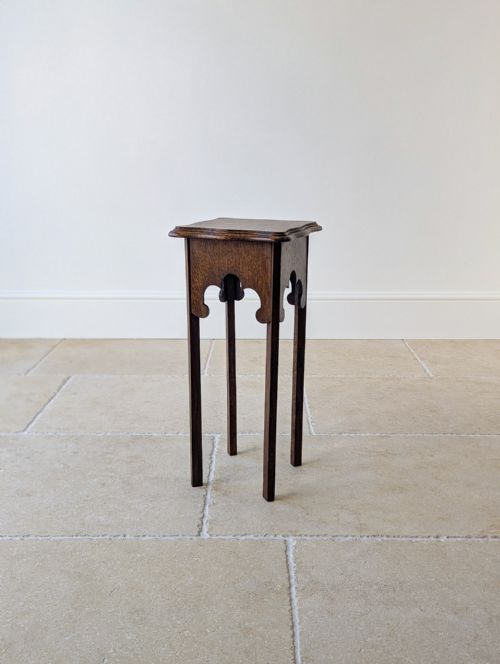
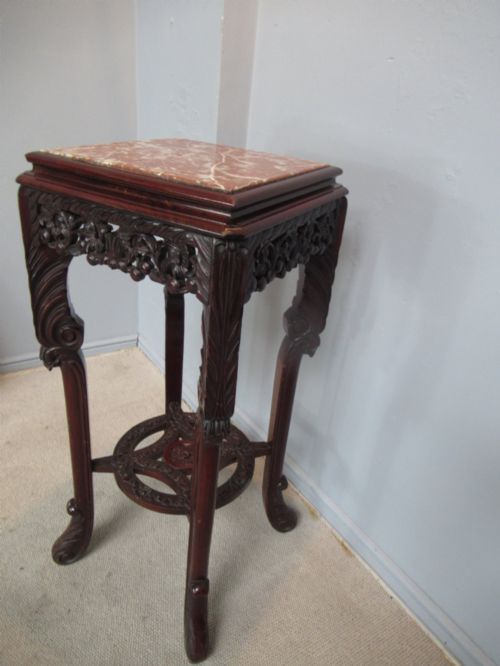
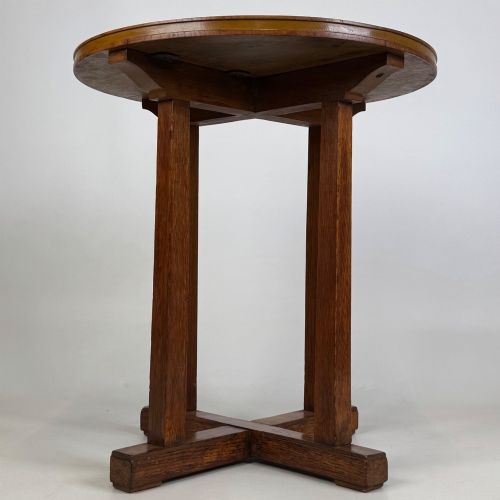
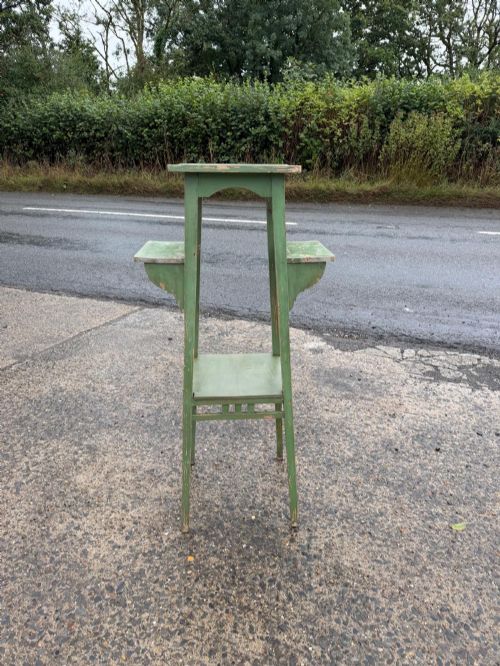
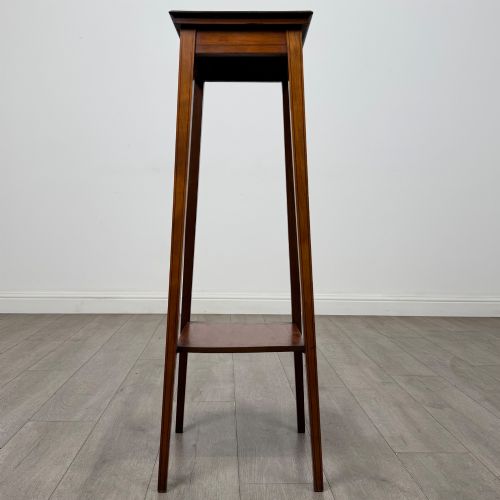
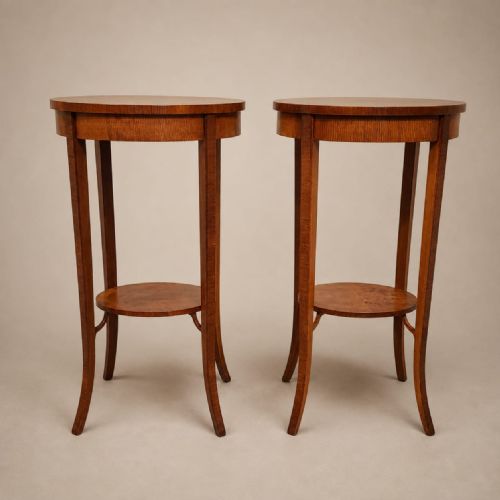
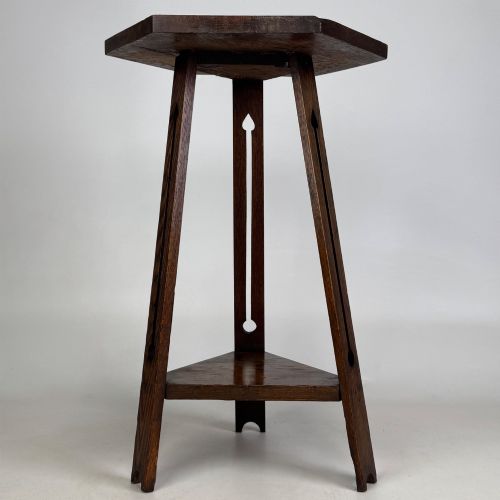
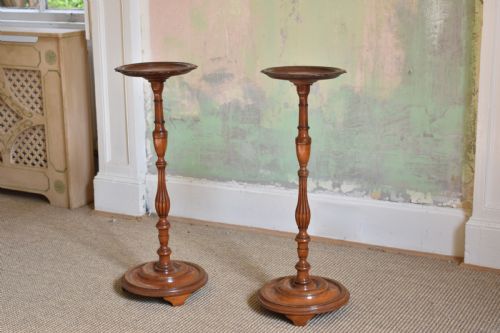
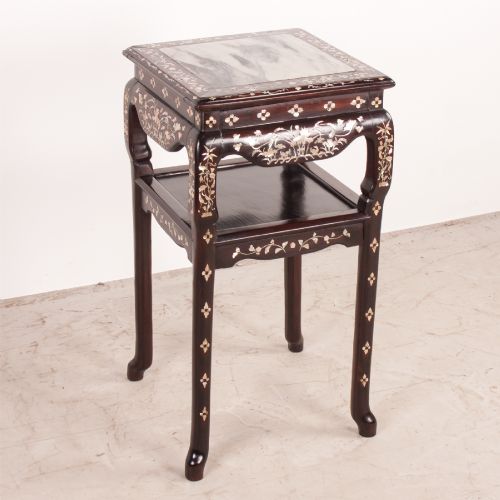
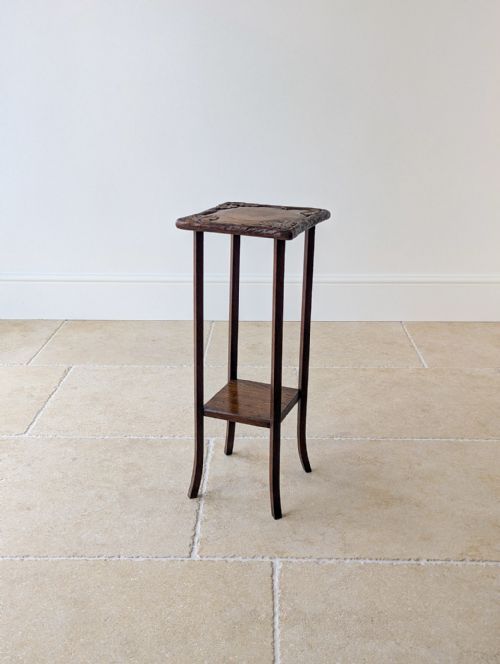
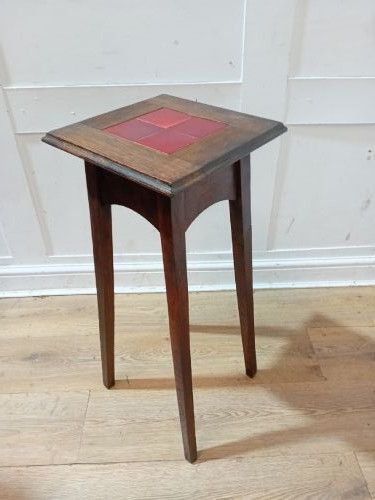
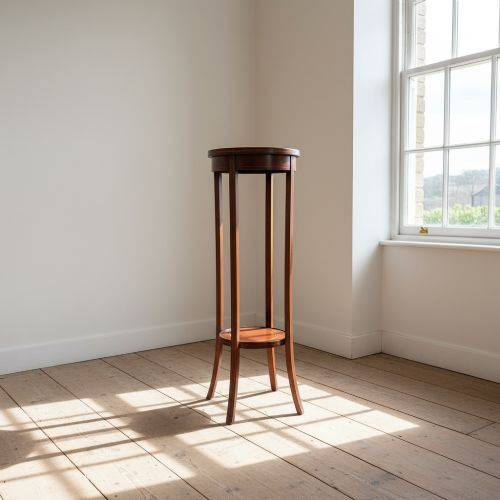
A vintage plant pedestal table brings height and structure to empty corners by elevating greenery, flowers or decorative objects. Buyers searching this phrase encounter diverse forms ranging from compact Edwardian stands to Chinese marble top versions and Arts and Crafts oak designs.
Most examples function equally well as lamp tables, wine tables or small occasional furniture. They appear frequently in Edwardian, Victorian and early twentieth century styles, constructed with round tops and slender upright supports.
Materials and construction methods
Cabinet makers utilised dense hardwoods such as mahogany, walnut, oak and satinwood for stability and rich surface grain. Many tops incorporate inset marble, mother of pearl inlay or hand painted details.
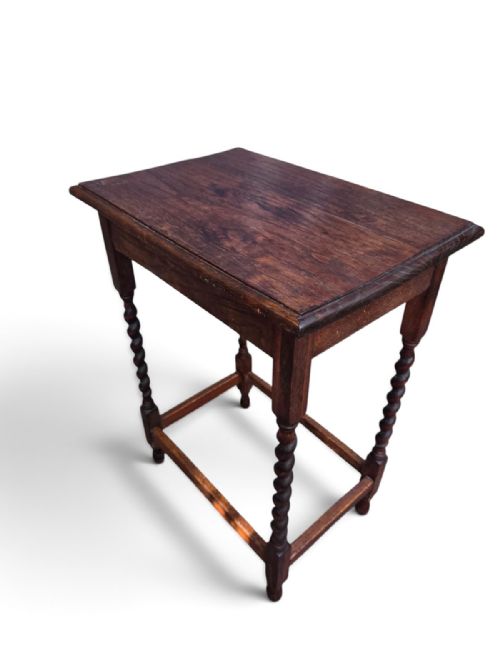
Support structures rely on turned pillars, barley twist columns or tripod legs joined securely to central shafts. Metal elements like chiseled brass and original paint finishes provide decorative contrast.
Judging the quality of these tables
Quality rests in the weight and stability of the base relative to the top plate, ensuring the stand remains upright under weight. Superior pieces display crisp hand carving, tight joinery and well matched timber veneers.
Surface finish condition distinguishes standard items from exceptional ones. Original paint, rich patinated French polish or intact marble inserts elevate a piece significantly.
Druce and Co London·Shoolbred
The Vintage Plant Pedestal Table Glossary
- Jardiniere stand
- A tall piece specifically designed to hold a heavy plant container or ceramic pot. These often feature waterproof liners or raised rims.
- Torchiere
- A tall stand or candle holder originally intended to carry a light source. In modern interiors they serve as display columns for sculptures or trailing plants.
- Barley twist
- A spiral turning technique applied to wooden table legs or central columns. This decorative flourish is common in Edwardian and Victorian furniture.
- Tripod base
- A three legged support system favoured for small tables because it remains steady on uneven floors. Each leg typically terminates in a pad or scroll foot.
Vintage Plant Pedestal Table: Frequently Asked Questions
What is a plant pedestal table used for?
These tables provide a raised platform for indoor plants, floral arrangements, lamps and small sculptures. Their compact footprint allows them to fit easily into narrow hallways or unused corners.
Historically, they brought greenery closer to natural window light while protecting delicate flooring from damp pots.
How do I identify an Edwardian plant stand?
Edwardian examples frequently display lighter woods such as satinwood or inlaid mahogany, alongside sturdy oak in Arts and Crafts designs. Look for slender proportions, barley twist columns and modest decorative inlay.
They date from the period between nineteen hundred and nineteen ten, bridging Victorian heaviness and twentieth century simplicity.
Can these tables hold heavy ceramic pots?
Solid hardwood and metal framed stands easily support substantial planters if the tripod base is wide and stable. Check the tightness of the central column joint before placing heavy items on top.
Marble topped variants offer excellent water resistance and added weight for stability.
Where should I place a pedestal table at home?
Position them beside seating as a lamp table, or use them to highlight trailing houseplants in living room corners. They also serve well in entryways for holding keys and small decorative bowls.
Keep them away from direct heat sources to protect antique wood finishes.