


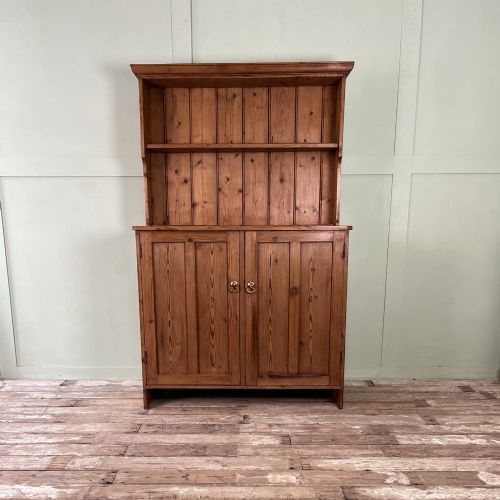


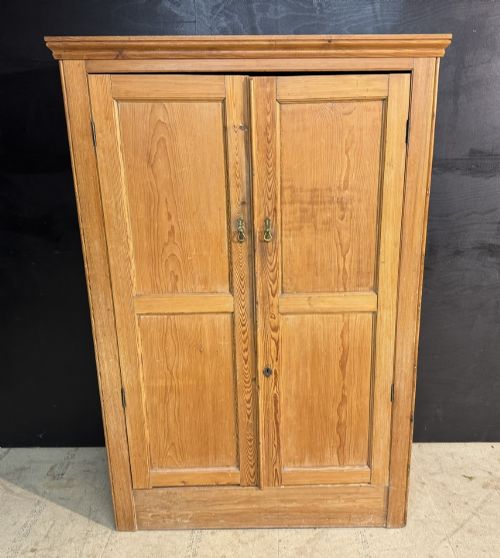
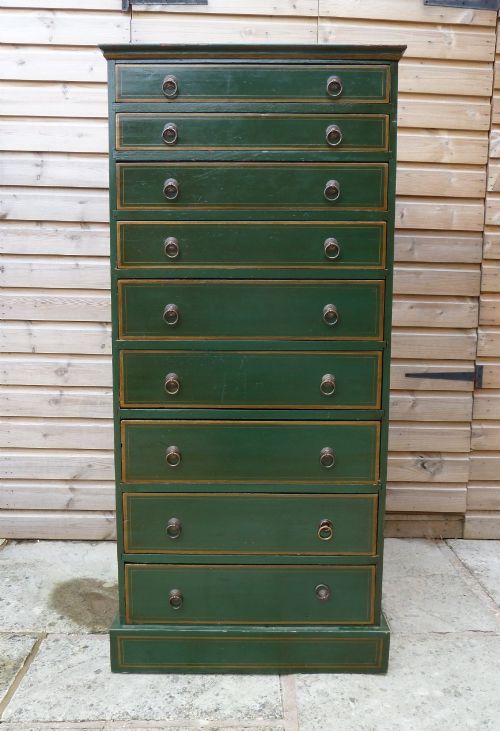

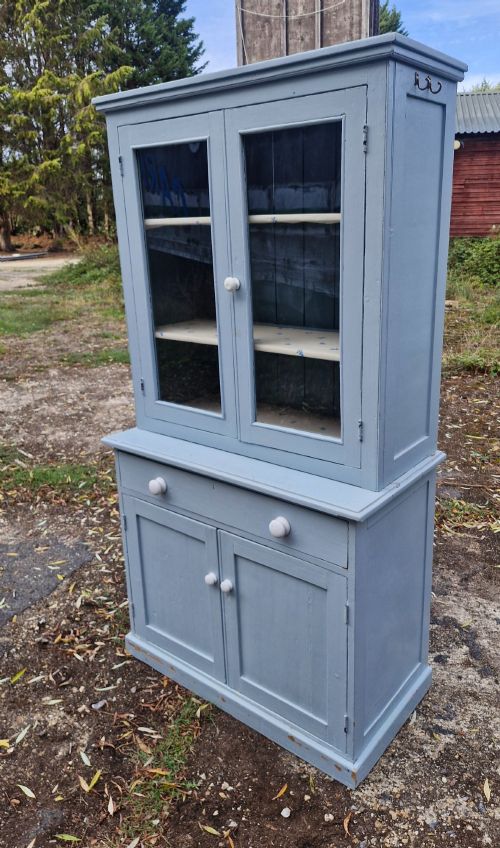

Vintage Pine Unit
A vintage pine unit brings honest utilitarian craft and warmth to a room, offering practical storage through time-worn timber.
Vintage Pine Unit
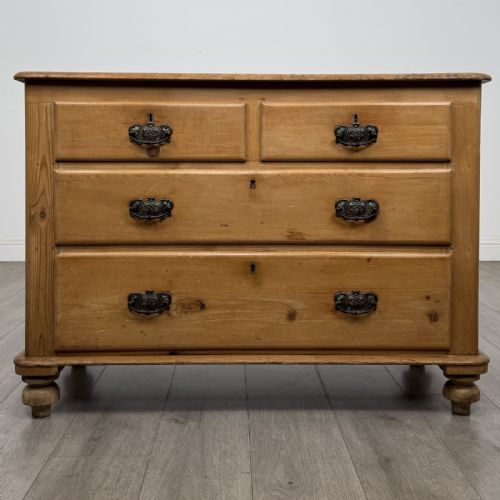
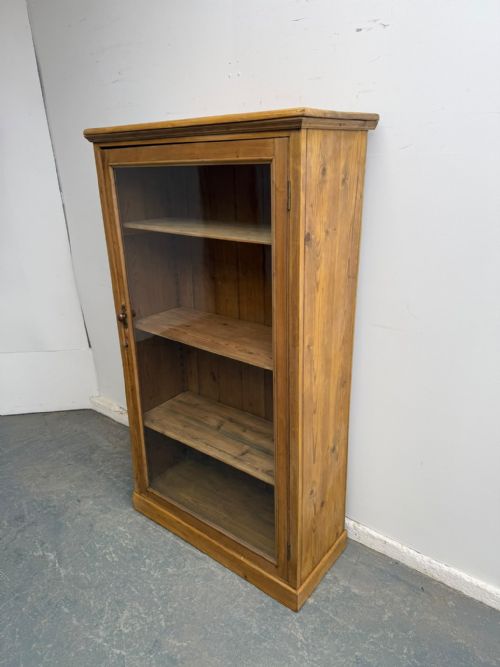
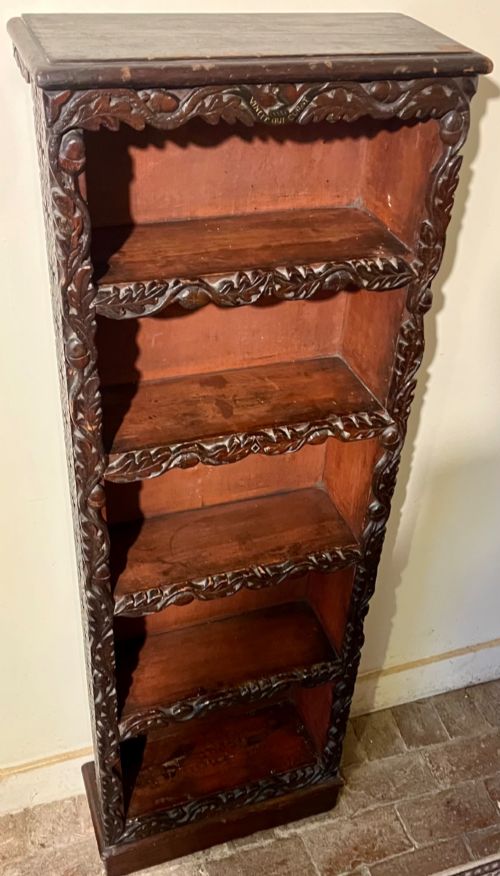
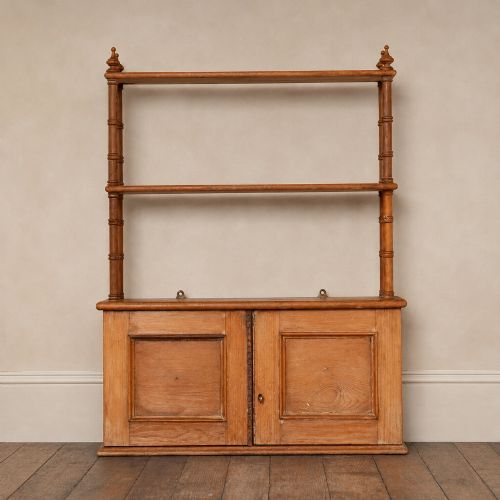
A vintage pine unit encompasses a diverse array of practical storage furniture, spanning chest of drawers, kitchen dressers, bookcases, and specialised multi-drawer shop fittings. You encounter pieces predominantly from the Victorian era and the early twentieth century, alongside select Georgian and 18th century examples.
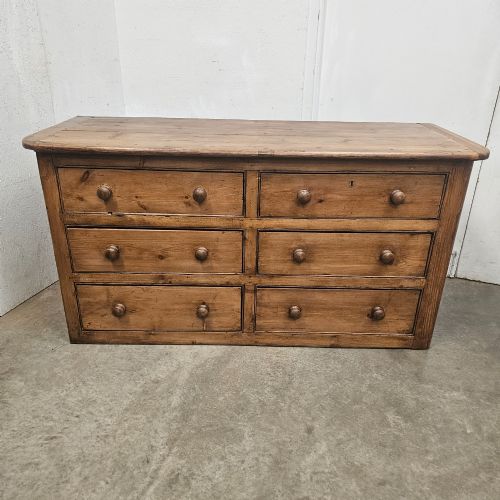
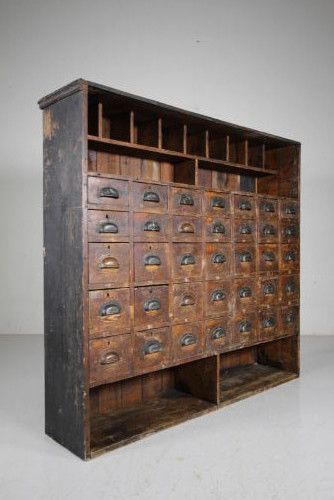
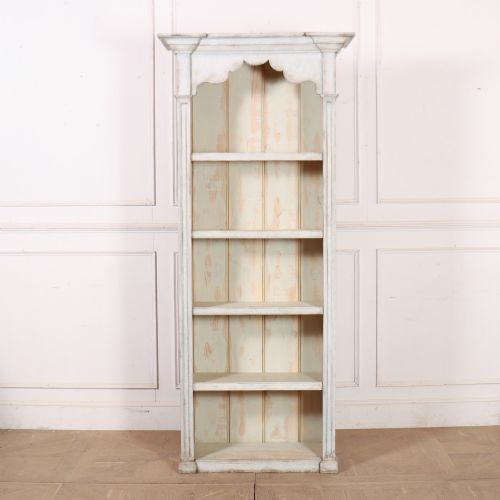
The selection ranges from tall narrow open bookcases and corner cupboards to large housekeepers cupboards, larder cupboards, and extensive banks of drawers originating from schools, offices, and retail settings. These items reflect the heavy-duty utility of domestic and commercial spaces from past centuries.
Stylistic origins stretch from English rustic farmhouse and Victorian country designs to French provincial variations and Hungarian shop fittings. This variety ensures that a vintage pine unit serves as a functional anchor in contemporary kitchens, halls, and studies.
Materials and Technique
Construction relies primarily on solid pine timber, often complemented by painted finishes, waxed surfaces, or stained treatments. Hardware typically incorporates brass, iron, and metal elements, while occasional glass doors or panels feature on display cabinets and bookcases.
Joinery methods reflect robust workshop standards intended for daily service in homes, institutions, and shops. Makers utilised painted wood surfaces in original white, cream, or decorative finishes alongside natural waxed grain.
Vintage Pine Unit Retail Price Guide 2026
Typical asking prices for vintage pine unit among the pieces listed under this phrase on Sellingantiques today, from the lower quarter to the upper quarter. They describe what is for sale here now, not the wider market.
Listings include Victorian, Edwardian, and 19th-century periods, utilising pine, brass, iron, glass, and painted wood in forms from bookcases to shop fittings.
Distinctions in Standard
Quality rests upon the integrity of the original construction, the retention of authentic painted or waxed surfaces, and the scale of the piece. Substantial examples such as multi-drawer shop fittings or large housekeepers cupboards demonstrate heavier utility and more complex internal configurations.
The presence of period-appropriate brass handles, original glazing, and untouched multi-drawer fronts elevates a piece above standard domestic variants. Original paintwork, whether cream, white, or decorative, contributes significantly to the character and desirability of the item.
The Vintage Pine Unit Glossary
- Pine
- A softwood utilised extensively for utilitarian furniture due to its workability and availability. It takes paint, stain, and wax finishes readily.
- Bank of Drawers
- A large cabinet containing numerous small drawers, originally designed for office, shop, or institutional filing purposes.
- Housekeepers Cupboard
- A large tall storage cupboard traditionally used in large domestic kitchens for linen, dry goods, or china.
- Shop Fitting
- Commercial furniture built for retail environments, including extensive drawer units and counters designed for heavy daily trade.
- Washstand
- A small table or cabinet designed to hold a basin and pitcher for personal washing before modern plumbing.
Vintage Pine Unit: Frequently Asked Questions
What rooms suit a vintage pine unit?
These versatile pieces integrate into kitchens as dressers and larders, or into hallways and studies as chests of drawers and bookcases.
Their robust construction and timber warmth complement both traditional and modern interior settings.
How do I care for waxed pine?
Maintain waxed surfaces by applying a traditional beeswax polish periodically to nourish the softwood and preserve the sheen.
Avoid placing timber furniture near direct heat sources to prevent shrinkage or splitting.
Are painted finishes original?
Many items retain their original painted surfaces, such as early white or cream coatings applied during their working life in homes or shops.
Others present stripped or waxed timber finishes depending on subsequent historical treatments.
How do I identify a shop fitting?
Shop fittings usually feature extensive banks of numerous small drawers or specialised pigeon holes built for commercial or institutional storage.
Their substantial scale reflects heavy usage in past retail and educational environments.