

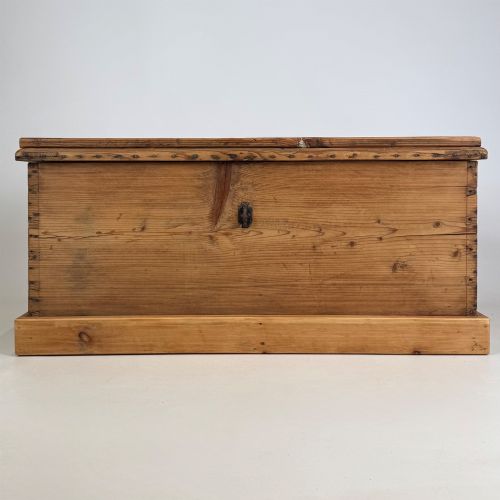
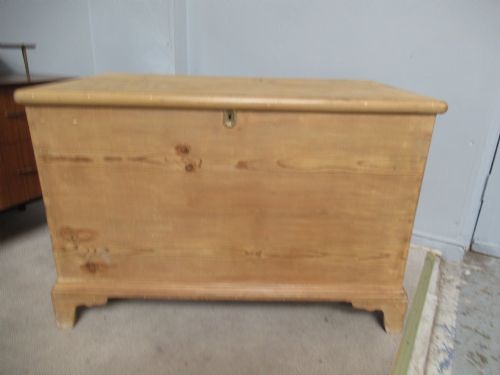
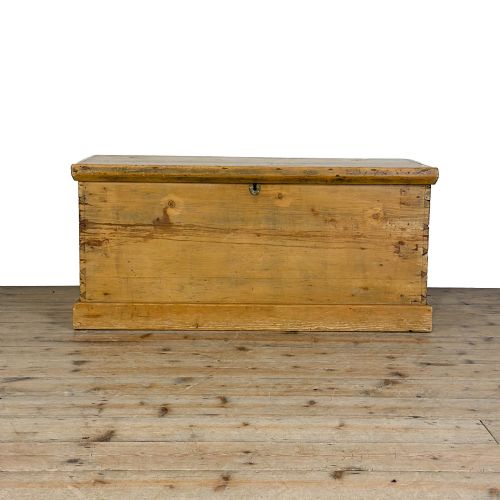
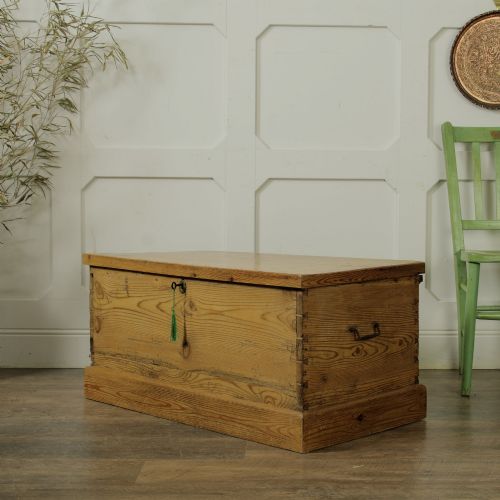
Vintage Pine Trunk Chest
A vintage pine trunk chest offers practical utility and honest craftsmanship, housing household linens or travel gear with robust simplicity.
Vintage Pine Trunk Chest
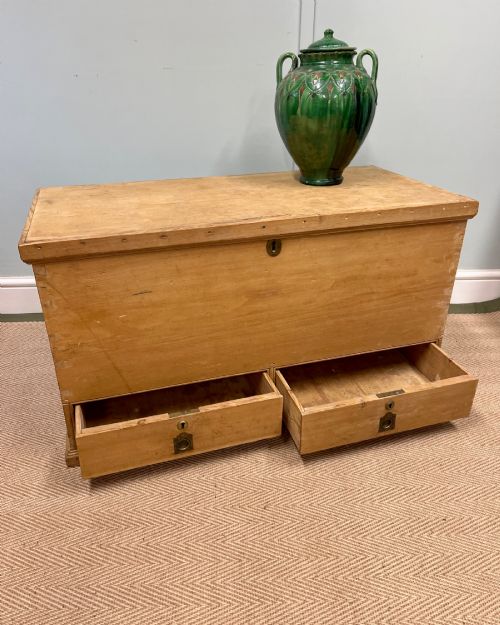
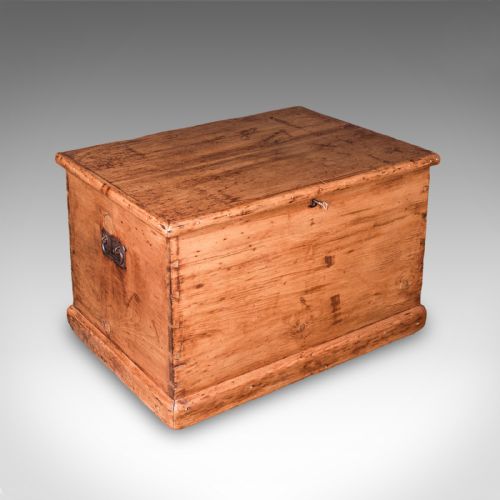
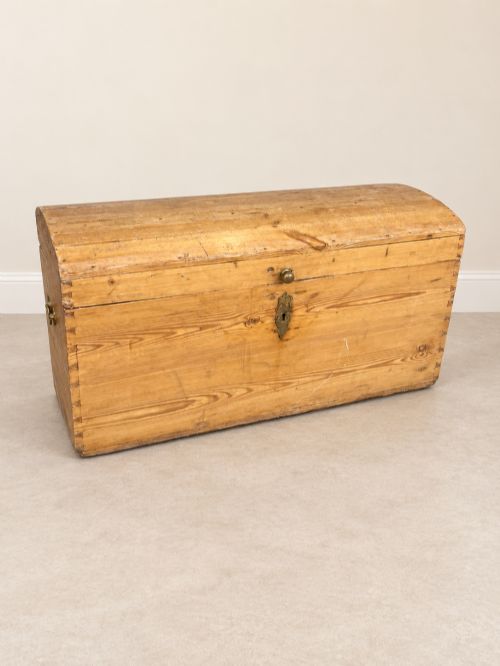
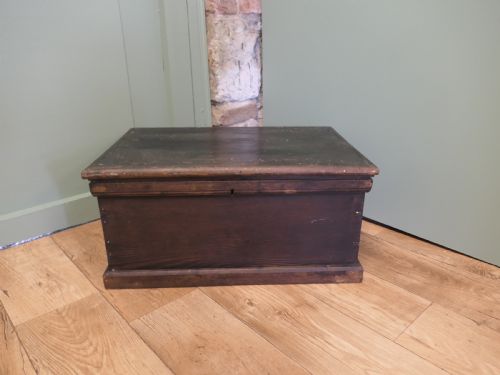
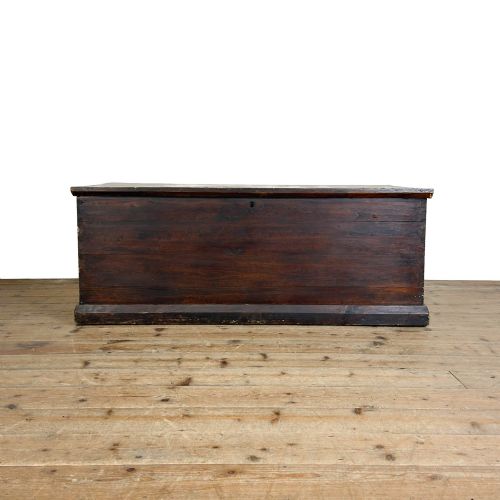
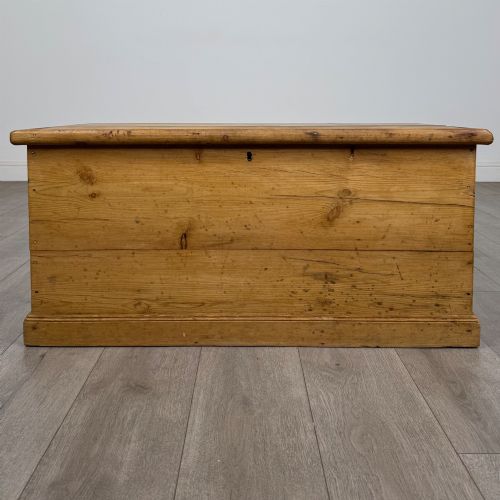
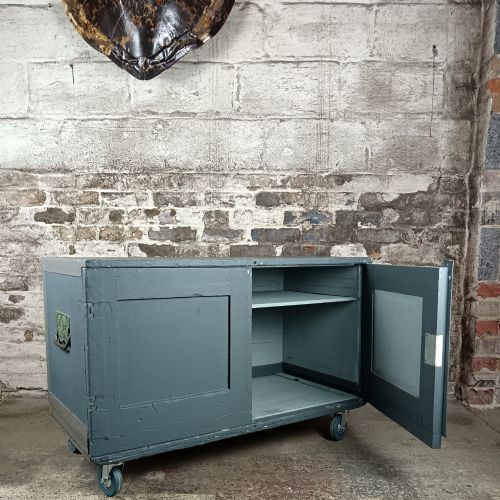
When you search for a vintage pine trunk chest, you encounter utilitarian containers built for storage, travel, and household organisation across several centuries. The selections on this page span heavy-duty blanket boxes, domestic marriage chests, and specialised tool carriers originating from Victorian Britain, continental Europe, and Scandinavian workshops.
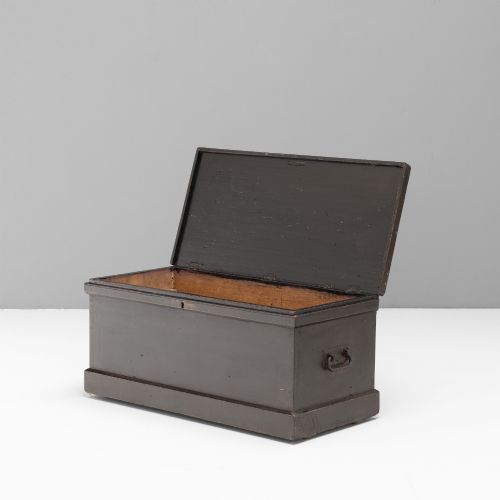
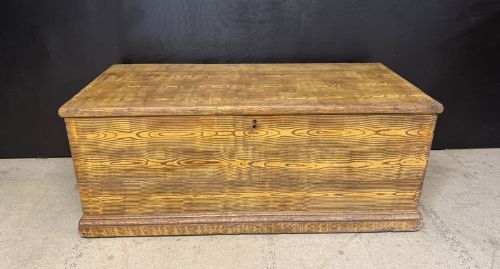
The most common examples meet you as waxed or stripped storage boxes from the nineteenth century, designed with hinged lids and deep interior spaces. Regional styles include rustic country coffers, painted folk pieces, and pitch pine travelling trunks equipped with internal compartments.
How they were made
Joiners constructed these storage pieces primarily from solid pine and pitch pine, occasionally incorporating elm for added durability in strongboxes. Carpenters joined the timber using robust corner joints, securing lids and panels to withstand heavy daily use.
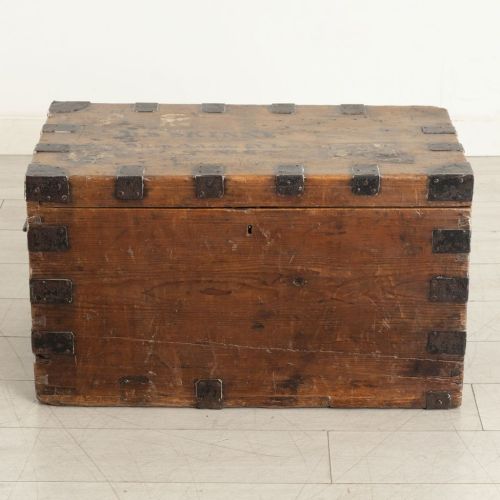
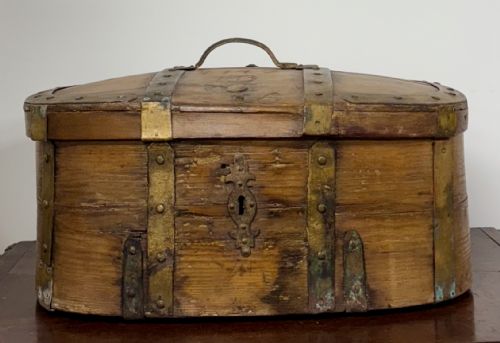
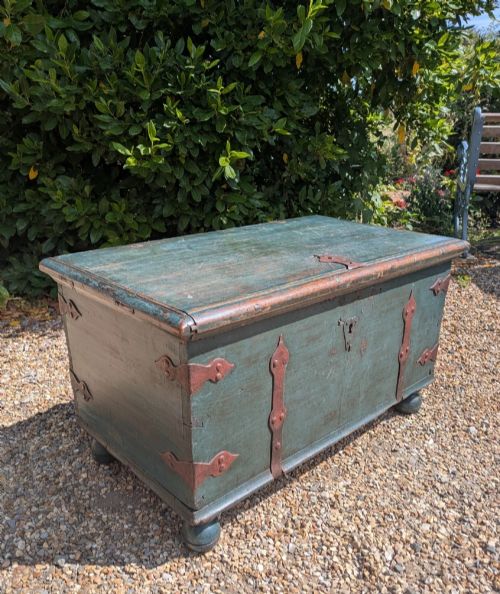
Metal reinforcement played a structural role, utilising hand-forged iron strapwork, brass bounds, and heavy iron hinges. Surfaces received protective and decorative finishes through traditional wax polishing, scumble glazes, or applied coats of pigment and paint.
Vintage Pine Trunk Chest Retail Price Guide 2026
Typical asking prices for vintage pine trunk chest among the pieces listed under this phrase on Sellingantiques today, from the lower quarter to the upper quarter. They describe what is for sale here now, not the wider market.
Regional styles include Scandinavian country, folk art, and Welsh country traditions applied to domestic storage.
What varies in quality
The standard of a piece rests heavily upon the integrity of its original construction and the survival of its surface treatment. Boxes retaining untouched paintwork, original hand-forged iron hardware, or maker inscriptions stand above heavily altered examples.
Internal organisation also dictates quality, separating simple boarded boxes from sophisticated travel trunks featuring fitted internal drawers, specialised compartments, and robust brass bound edges.
The Vintage Pine Trunk Chest Glossary
- Pitch pine
- A dense, resinous variety of pine known for its prominent grain pattern and durability, frequently utilised in heavy-duty Victorian trunks.
- Scumble pine
- Timber finished with a translucent glaze manipulated over a base coat to imitate the appearance of more expensive hardwoods or burr veneers.
- Strapwork
- Flat strips of iron or metal applied across the exterior of a chest to reinforce the wooden joints and protect the corners during transport.
- Coffer
- A heavy wooden chest traditionally used for storing valuables, documents, or textiles before the widespread adoption of fitted wardrobes.
- Campaign chest
- A modular storage box or trunk constructed for military officers on the move, typically fitted with recessed brass handles and corner brackets.
Vintage Pine Trunk Chest: Frequently Asked Questions
What were pine trunks used for originally?
These sturdy boxes served as secure storage for household blankets, seasonal clothing, and personal linens within domestic settings. Larger variants travelled across land and sea, protecting military equipment or personal belongings during long journeys.
Over time, families adapted them for general household storage in bedrooms, hallways, and workshops. Their robust lids also allowed them to function as impromptu seating or tables in modest homes.
How do I care for a waxed pine chest?
Maintain the finish by applying a quality beeswax sparingly with a soft cloth, allowing it to nourish the dry timber before buffing. Keep the wood away from direct heat sources and strong sunlight to prevent the boards from warping or splitting.
Avoid using modern silicone sprays or harsh chemical cleaners that strip the historic patina. Gentle dusting with a dry cloth preserves the soft sheen built up over decades of handling.
How do I identify a Victorian pine trunk?
Look for construction markers such as hand-cut dovetail joints at the corners and the use of solid pine planks with visible tool marks. Nineteenth-century examples often feature simple iron strapwork, brass carrying handles, and interior till boxes for small items.
Waxed finishes, scumble paint effects, and stamped military or railway transport labels frequently point to this period. Examine the interior lining or base boards for signs of period hand-sawing rather than uniform modern machining.