
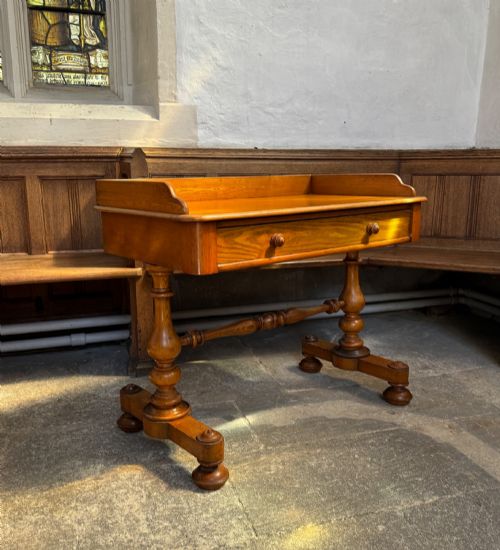
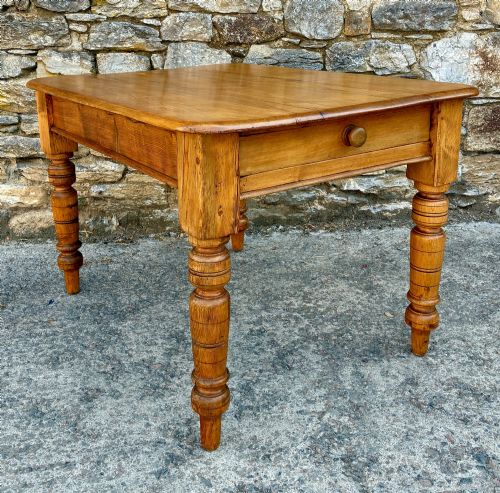
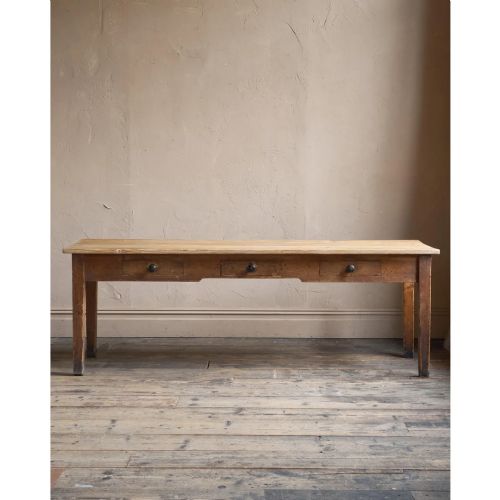
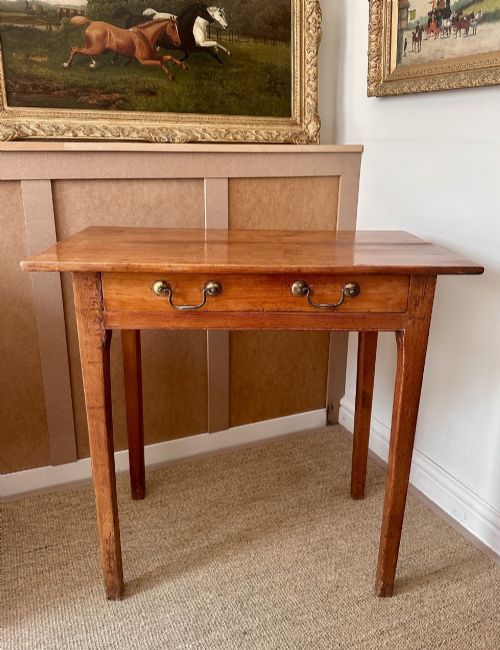
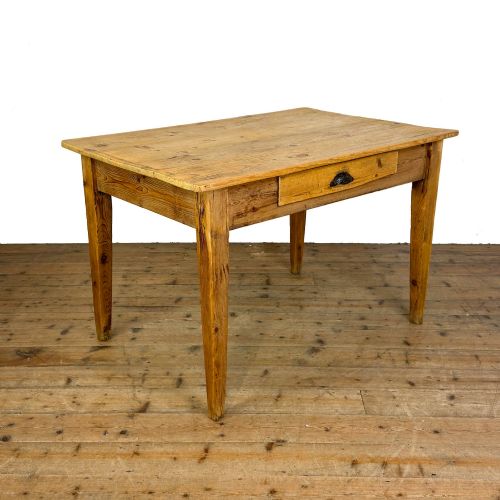
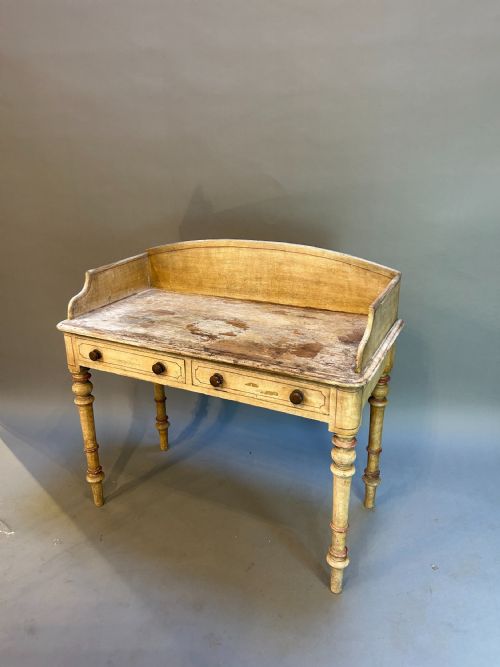
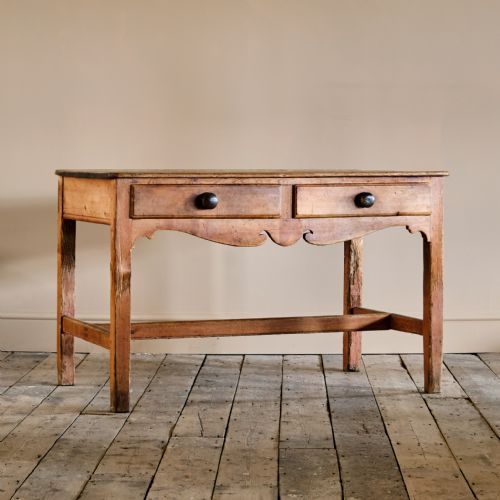
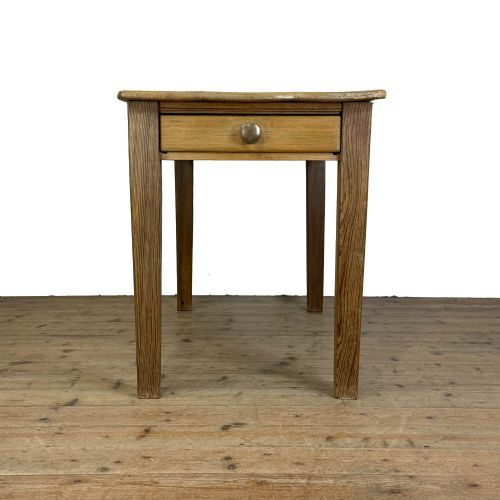
Vintage Pine Side Desk
A vintage pine side desk brings honest utility and warm timber grain into a room, offering a practical workspace with enduring character.
Vintage Pine Side Desk
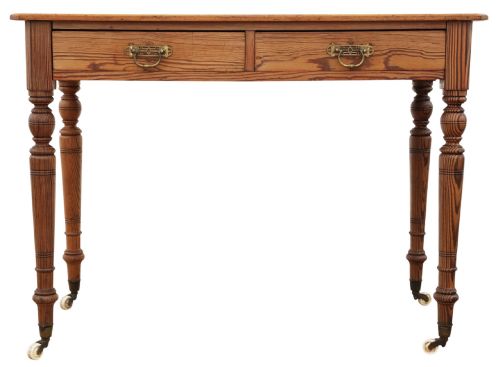
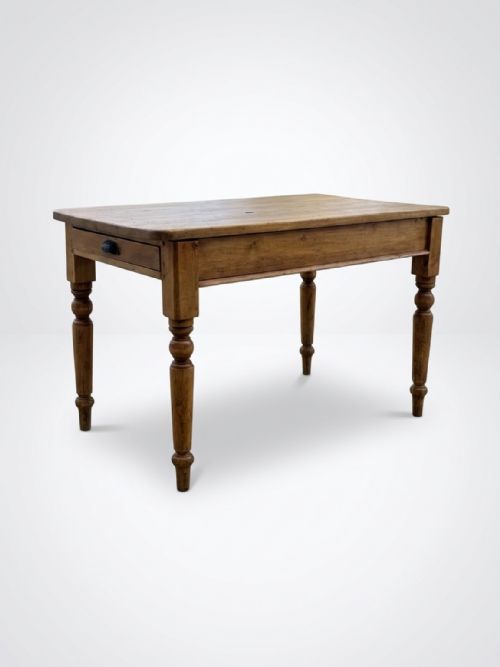
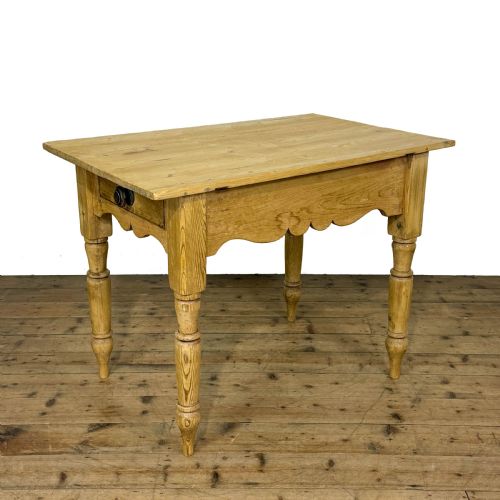
A vintage pine side desk encompasses practical wooden tables adapted for writing, working, and occasional tasks. These items emerge primarily from the nineteenth century and the Victorian era, spanning regional farmhouse and country styles.
Buyers meet sturdy side tables, washstands, and writing tables constructed from solid timber. Many examples display utilitarian roots from sculleries, dairies, and rural workshops rather than formal drawing rooms.
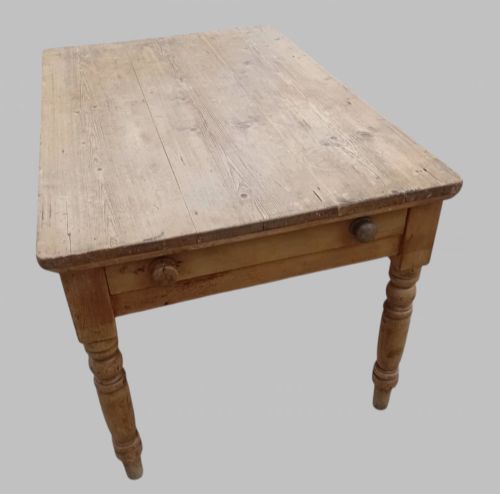
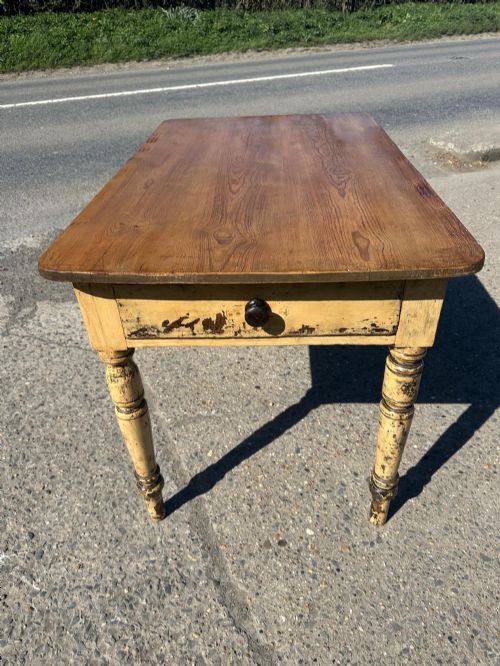
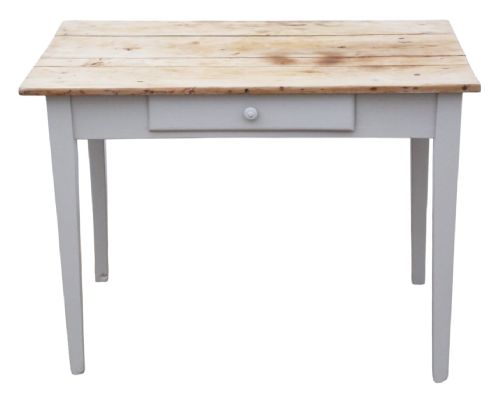
The selection includes scrub-top surfaces, painted timbers, and fitted drawers intended for daily domestic administration. Their straightforward proportions suit compact studies, hallways, and living spaces needing a functional writing surface.
How they were made
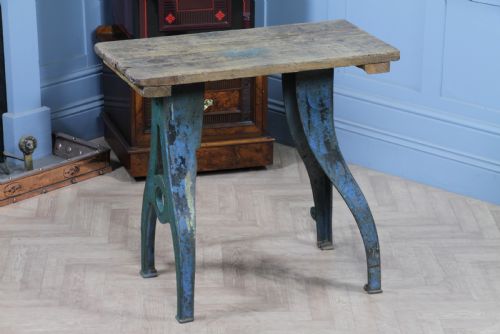
Carpenters built these desks and tables using solid pine and dense pitch pine planks, often jointed simply for maximum strength. Secondary woods appear in internal drawer framing, while brass handles or cast iron machine bases provide mechanical support.
Makers applied traditional paint finishes, including historic Swedish Falu red and layered painted timber, alongside natural scrubbed wooden tops. Structural integrity relied on straightforward joinery, trestle supports, and pegged frames designed to endure heavy daily use.
Listings feature eighteenth and nineteenth-century pieces alongside Victorian and Edwardian examples, constructed from pine, pitch pine, cast iron, and painted timber.
What varies in quality
Quality rests in the retention of original surfaces, whether that involves untouched scrubbed pine or authentic period paintwork. Desks retaining their original brass hardware, structurally sound timber drawers, and honest patination command greater appreciation.
The degree of domestic wear tells a story of utility, where balanced proportions and untouched regional character elevate a piece above standard workshop output. Altered heights, replaced tops, or heavy modern sanding diminish the historic integrity of the timber.
The Vintage Pine Side Desk Glossary
- Pitch pine
- A resinous softwood noted for its prominent grain pattern and durability, frequently utilised in nineteenth-century utilitarian furniture.
- Scrub-top
- A wooden table top repeatedly scrubbed clean with soap and water, developing a pale, smooth, weathered surface over decades.
- Washstand
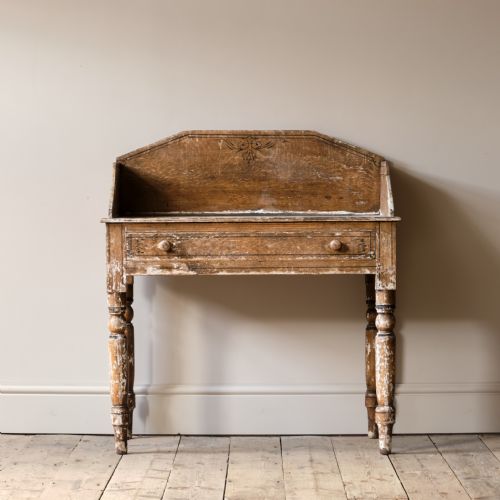
- A domestic table designed to hold a basin and jug, often featuring small drawers or splashbacks that adapt well for modern desk use.
- Trestle table
- A table supported by two or more upright frames connected by a horizontal beam, offering sturdy stability without corner legs.
- Falu paint
- A traditional deep red paint originating in Sweden, composed of copper mine waste and linseed oil, used to protect timber.
Vintage Pine Side Desk: Frequently Asked Questions
How do I date a vintage pine desk?
Dating relies on construction methods, timber type, and hardware style. Nineteenth-century examples often display hand-sawn boards and simple dovetail joints in the drawers.
Changes in paint layers and regional design traits also help narrow the decade of manufacture, aligning pieces with Victorian or Edwardian periods.
Can I use a washstand as a writing desk?
Many historical washstands share identical heights and surface areas with small writing tables. Their integrated drawers make them practical for storing stationery and modern writing materials.
Buyers frequently repurpose these washstands as compact desks in bedrooms or small home offices where space is limited.
How do I clean scrubbed pine surfaces?
Scrubbed pine benefits from gentle dusting and occasional wiping with a damp cloth using mild soap. Avoid harsh chemical cleaners that strip the historic oils and dry out the grain.
Applying a traditional beeswax polish helps maintain the natural lustre of the wood without altering its historic patination.
What is the difference between pitch pine and standard pine?
Pitch pine contains a higher resin content, giving the timber a heavier weight, greater durability, and a distinctively rich grain pattern. Standard pine tends to be lighter in tone and weight.
Furniture built from pitch pine often originates from institutional or industrial contexts where extra strength was required.