




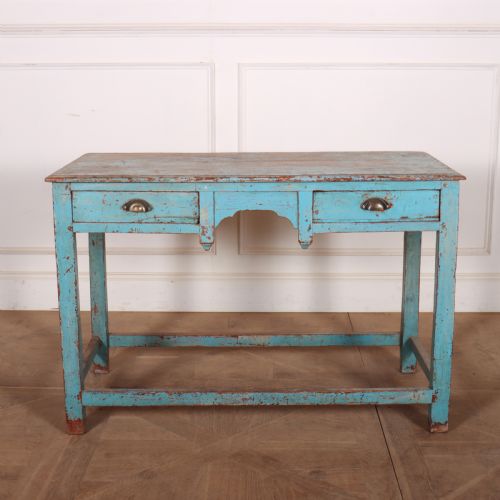


Painted Pine Writing Table
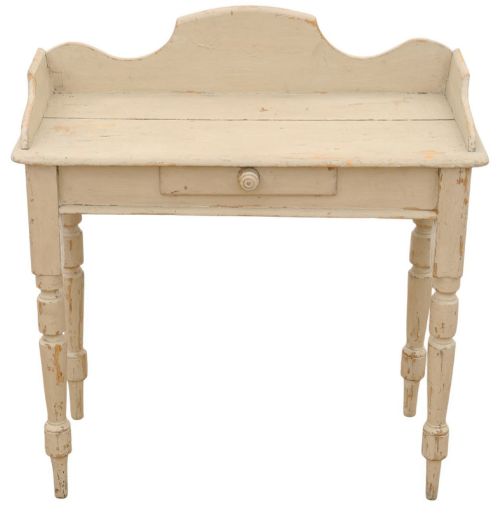
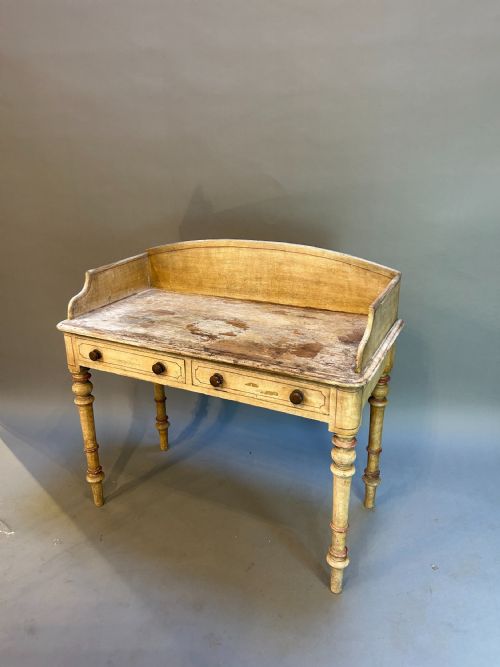
A painted pine writing table offers a domestic workspace grounded in regional character, combining utilitarian softwood with historic decorative surface treatment.
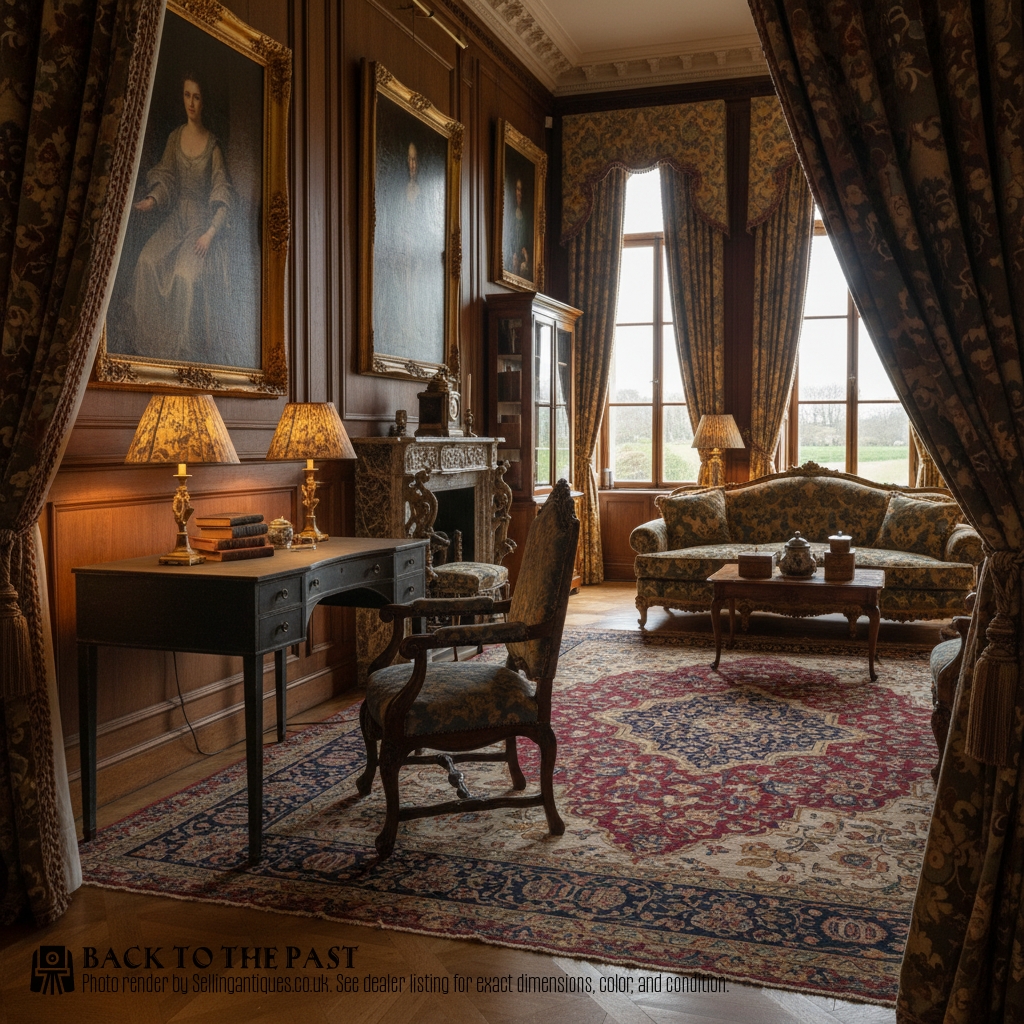
Painted Pine Writing Table
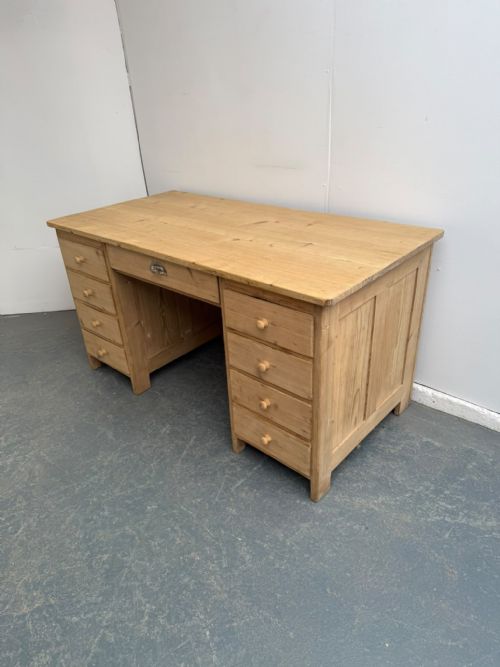
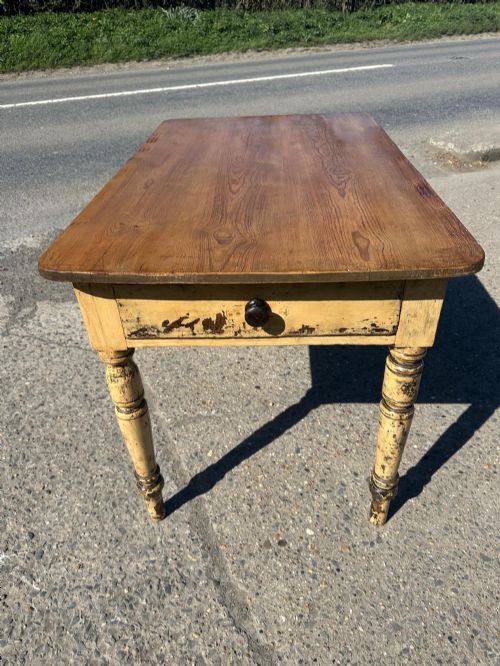
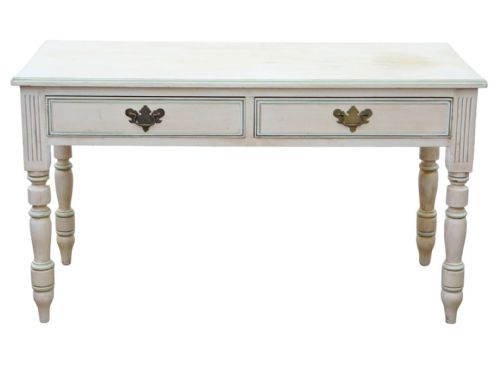
A painted pine writing table provides a practical writing surface fashioned from soft timber and finished with historical paint. These pieces emerge predominantly from nineteenth-century contexts, encompassing Georgian, Victorian, and early twentieth-century examples.
The regional origin strongly shapes the visual character of these items, with English country workshops, Scandinavian country traditions, and French provincial styles all appearing across the inventory. Forms range from compact side tables and occasional desks to large kitchen tables adapted for writing.
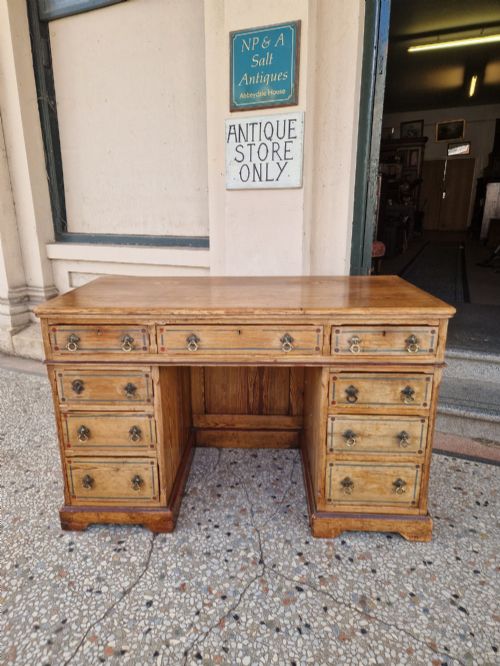
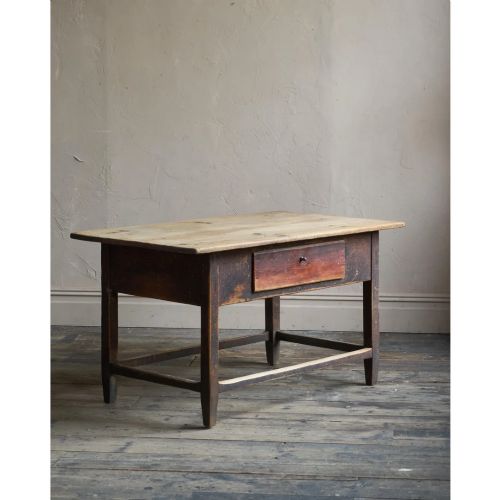
Buyers frequently encounter nineteenth-century items featuring original painted finishes, box stretchers, or integrated drawers designed for domestic stationery storage.
How They Were Made
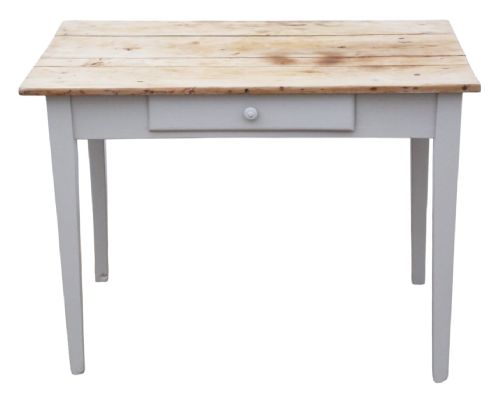
Joiners constructed these tables primarily using pine, pitch pine, and standard wood timbers, sometimes pairing scrub-tops with painted wooden frames and legs. Iron and brass hardware such as drawer pulls and brackets provide structural and functional detail.
Makers applied historical paint directly to the timber surfaces, creating finishes that range from flat monochrome coats to weathered layers reflecting decades of domestic use.
Listings feature 19th century, Victorian, Georgian, and early 20th century periods, constructed primarily from pine, pitch pine, and painted timber.
What Varies in Quality
The integrity of the surface finish dictates much of the distinction between pieces, particularly where original paint layers survive intact rather than later repainting. Structural joinery methods, such as the inclusion of box stretchers and sturdy drawer construction, separate robust utility furniture from lighter occasional items.
Proportion and regional detailing also influence the standing of a desk, with balanced proportions and restrained country styling commanding greater attention from collectors.
Heal & Sons
The Painted Pine Writing Table Glossary
- Pine
- A softwood timber commonly used in vernacular furniture construction for its workability and availability. It accepts paint readily and forms the primary structural body of these tables.
- Pitch Pine
- A denser, resinous variety of pine noted for its durability and prominent grain patterns. It appears frequently in later nineteenth-century and Arts and Crafts desks.
- Box Stretcher
- A framework of horizontal wooden rails connecting the lower legs of a table on all four sides. This construction adds significant rigidity to tables used for writing.
- Scrub-Top
- An unpainted wooden tabletop designed to be scrubbed clean with water and sand in domestic settings. This surface treatment contrasts with painted aprons and legs.
Painted Pine Writing Table: Frequently Asked Questions
How do I date a painted pine writing table?
Dating relies on construction methods, timber characteristics, and the nature of the paint layers. Georgian and Victorian examples show distinct joinery traits compared to early twentieth-century pieces.
Examining drawer linings, hardware types, and nail construction helps confirm the period of manufacture.
Are these desks suitable for daily computer work?
Many of these tables offer adequate surface area for a laptop and writing materials, provided the height matches standard seating. Drawer configurations vary, so checking internal dimensions ensures compatibility with modern office supplies.
Protective desk pads can help preserve historical wood and paint surfaces from heavy daily wear.
What is the difference between English and Scandinavian styles?
English country pieces often display darker, more utilitarian paint applications or traditional proportions suited to domestic farmhouses. Scandinavian tables frequently feature lighter painted finishes, pegged joinery, and distinctive box stretchers.
Both regional traditions prioritize functional simplicity over elaborate ornamentation.
How should I care for original painted surfaces?
Maintenance requires dry dusting with a soft cloth and avoiding harsh chemical cleaners that can strip historic pigment. Keeping the furniture away from direct heat sources prevents the pine timber from splitting.
Wax is sometimes applied sparingly to unpainted wooden tops, while painted sections benefit from minimal intervention.