
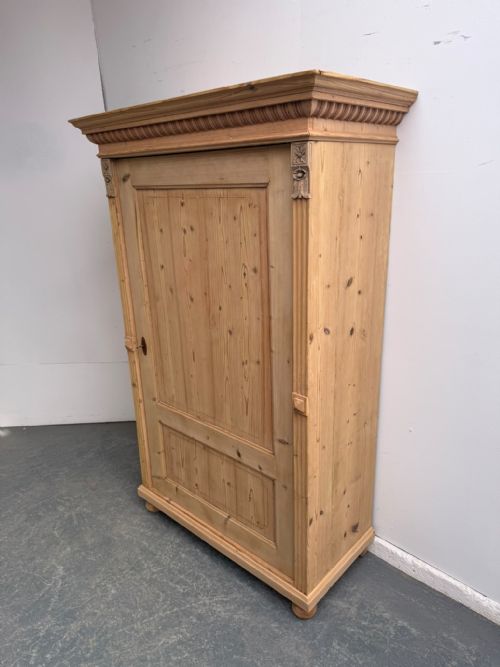
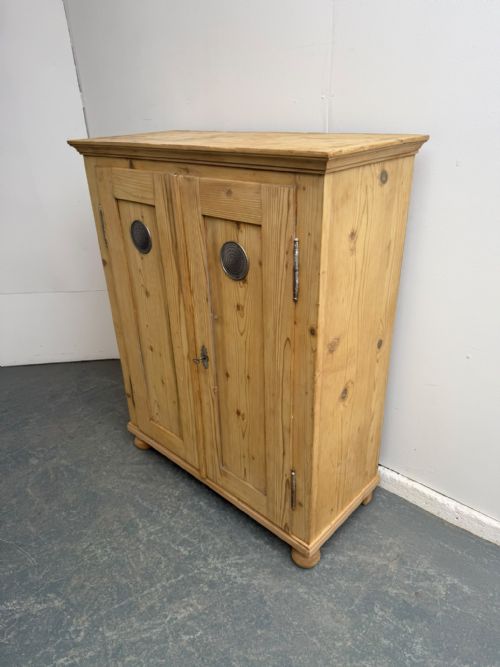
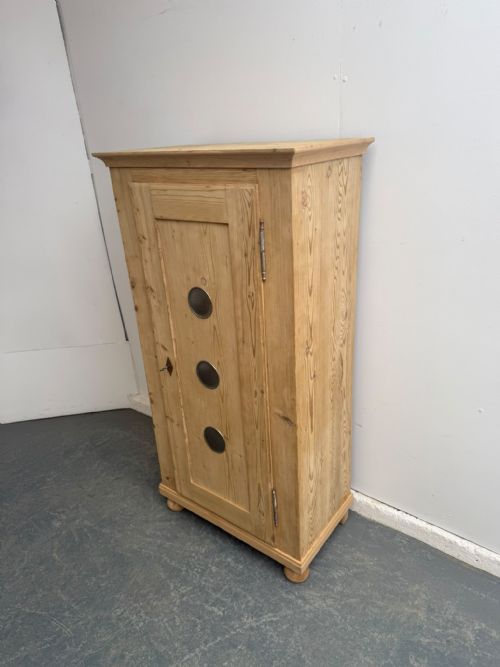
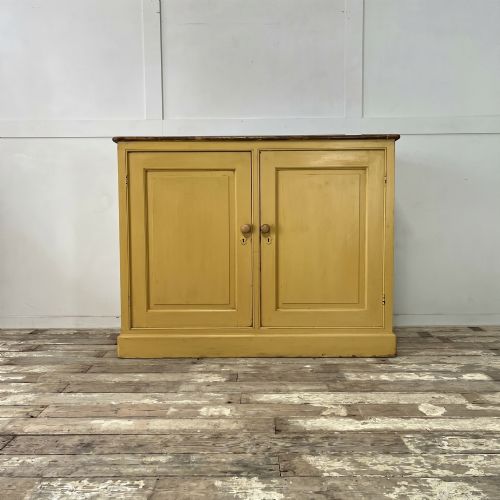
Vintage Pine Larder Cabinet
A vintage pine larder cabinet brings honest utility and warmth to a kitchen, offering generous storage through deep shelves and heavy doors.
Vintage Pine Larder Cabinet
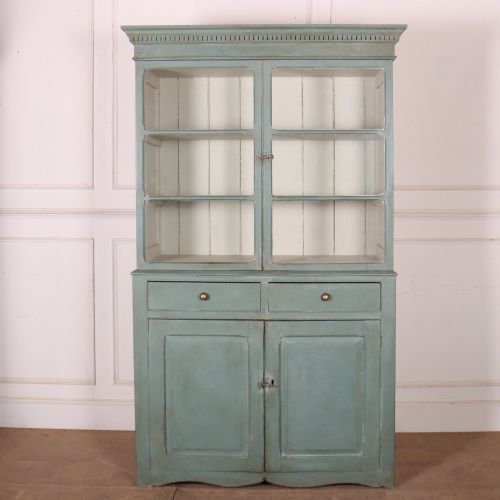
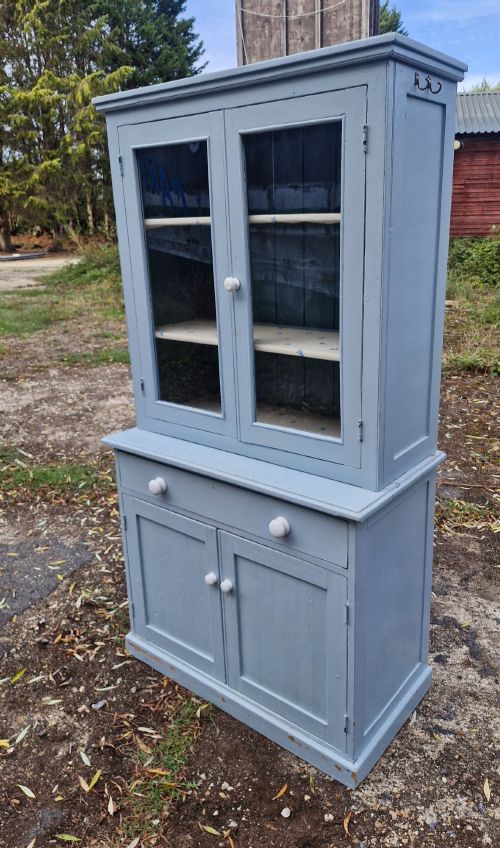
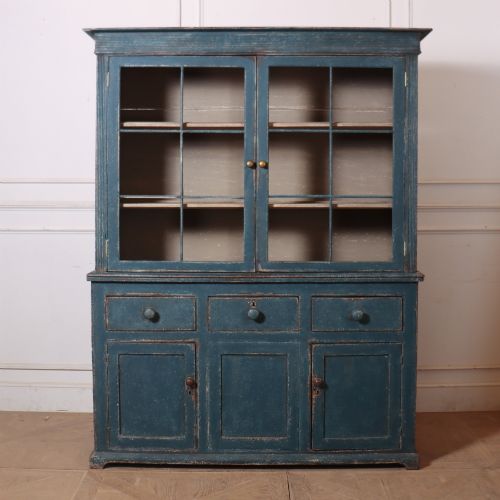
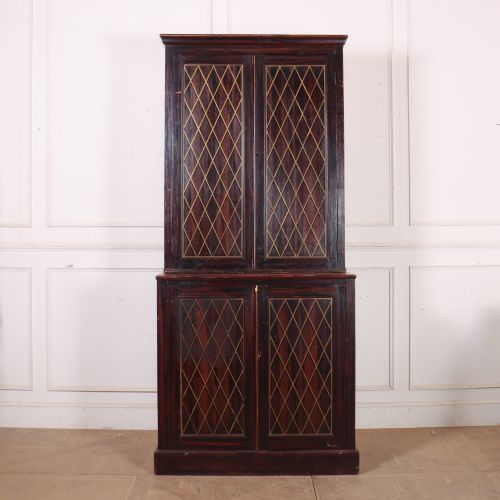
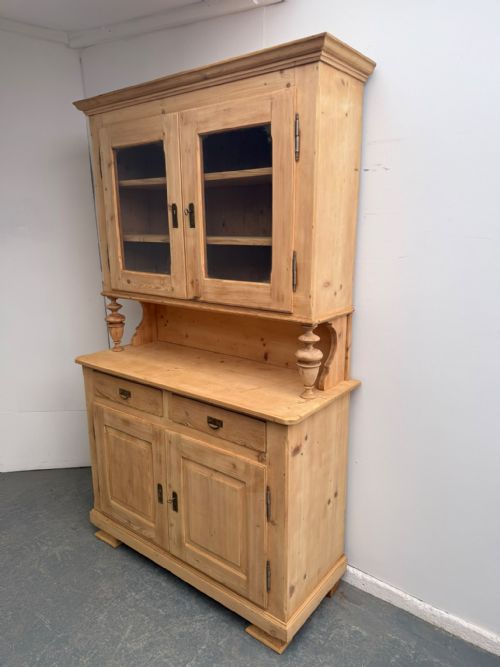
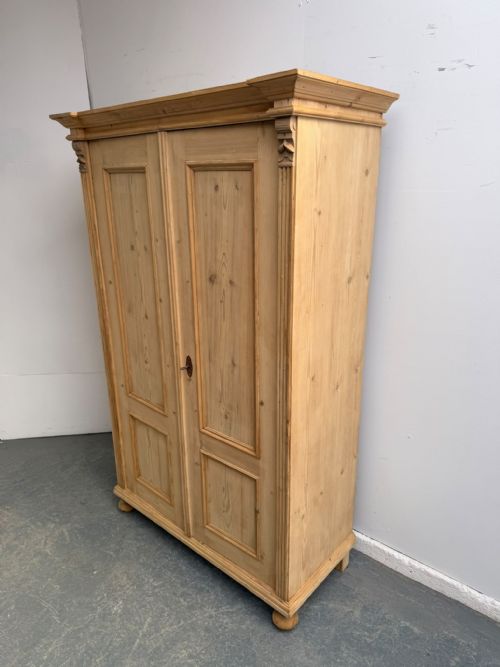
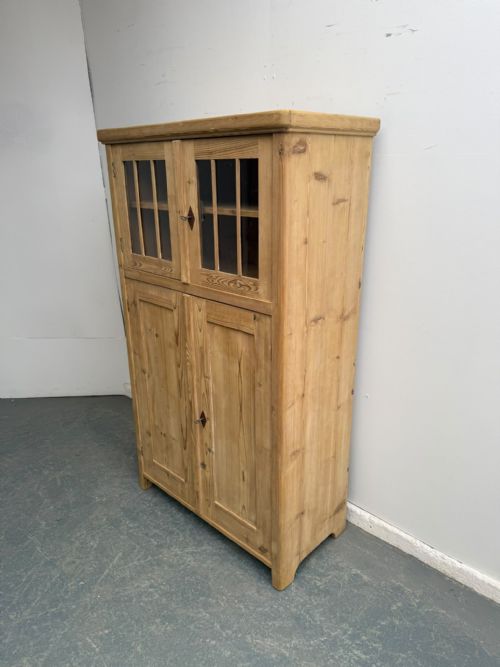
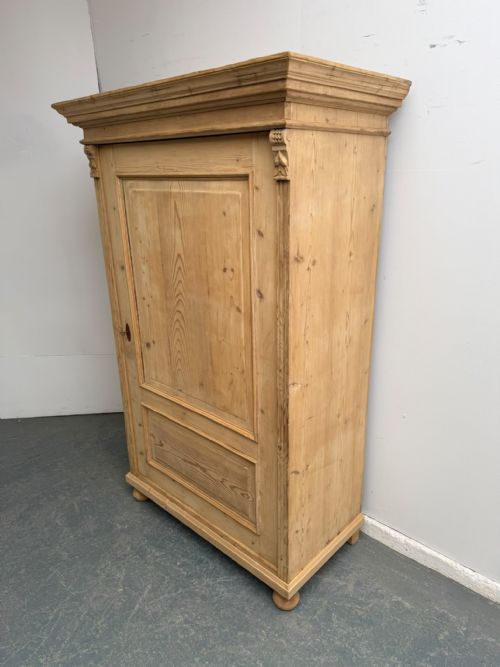
When you search for a vintage pine larder cabinet, you encounter sturdy storage furniture originating primarily from the Georgian, Victorian, and Edwardian eras. These pieces take various forms, including housekeeper cupboards, kitchen dressers, linen cupboards, and glazed kitchen cabinets.
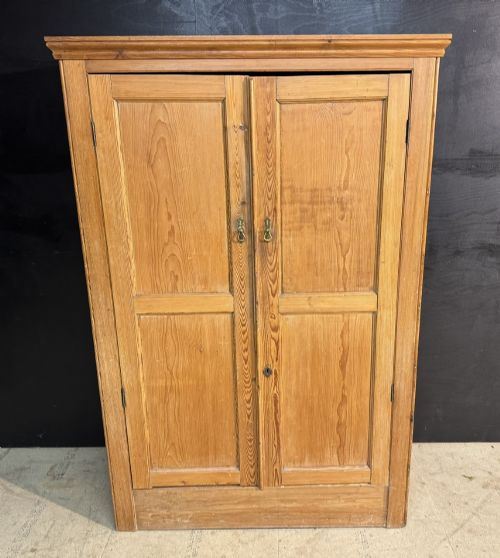
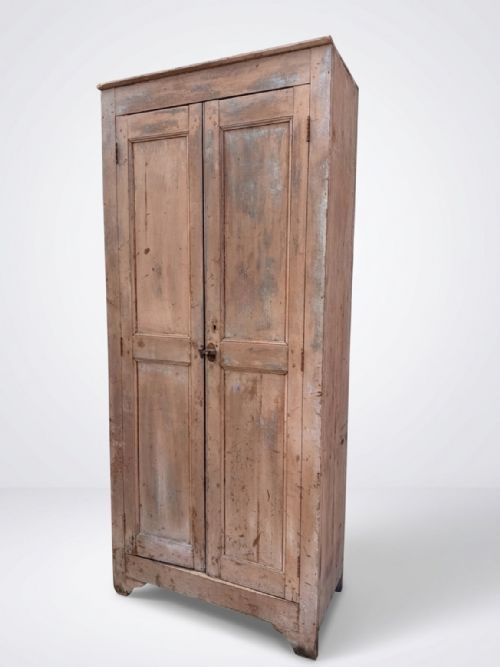
The versions most common on this page hail from nineteenth-century English, French, and Scottish workshops. They serve as practical larders or general storage cupboards, often featuring one or two doors, interior shelving, and sometimes glass panels or ventilation holes.
How they were made
Cabinet makers built these pieces using solid pine timber, frequently enhanced with iron, brass, or glass hardware. Construction often involved pegged joints and heavy timber framing designed to withstand daily agricultural or domestic use.
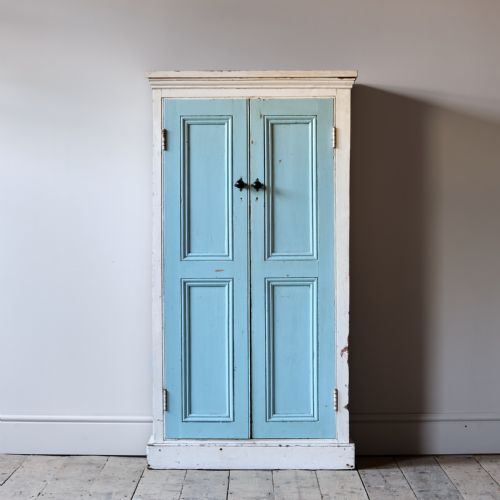
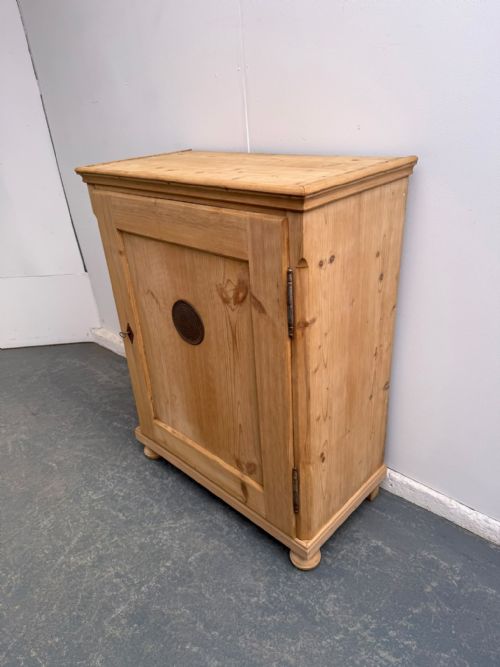
Many surfaces retain original paintwork, while others show traces of later green, grey, or white paint layers. Unpainted examples are frequently finished with wax to protect the natural softwood grain.
Many Victorian kitchen cupboards still carry the faint, comforting aroma of decades spent storing dried herbs, flour, and household spices.
What varies in quality
Quality rests upon the integrity of the timber framing and the proportion of the structure. Pieces retaining original hardware, untouched hinges, and well-preserved internal shelving demonstrate superior original craftsmanship.
The subtlety of decorative carving and the condition of the timber surfaces differentiate simpler utility cupboards from more refined regional dresser designs. Original painted finishes that have aged naturally elevate a piece above later, unsympathetic repainting.
The Vintage Pine Larder Cabinet Glossary
- Larder cupboard
- A tall storage piece traditionally designed to keep food cool and ventilated. These units often include slatted doors or internal shelving.
- Housekeeper's cupboard
- A large storage cabinet traditionally used in substantial homes for household linens and dry goods. They usually feature multiple doors enclosing deep shelves.
- Fielded panel
- A wooden panel with bevelled edges designed to fit within a heavier frame. This construction technique allows the pine timber to expand and contract with humidity changes.
- Glazed cabinet
- A storage unit featuring glass panes fitted into the upper doors. This design allowed contents to be identified easily while protected from dust.
Vintage Pine Larder Cabinet: Frequently Asked Questions
How do I clean a pine cupboard?
Dust the surfaces regularly with a soft, dry cloth to prevent dirt accumulation. Avoid harsh chemical cleaners that can strip historic wax or painted finishes.
Feed bare or waxed pine occasionally with a traditional beeswax polish to nourish the timber. Take care around original paintwork, applying minimal moisture during cleaning.
Are these cabinets suitable for modern kitchens?
These cabinets provide deep shelving and substantial volume that suits modern kitchen storage needs. Their rustic appearance adds character to contemporary or traditional cooking spaces.
Ensure you measure your ceiling height and floor space carefully before placing an order. Larger housekeeper cupboards and dressers require considerable wall clearance.
How can I tell a Victorian pine cupboard from a Georgian one?
Georgian cupboards tend to feature heavier proportions, hand-planed timber surfaces, and simpler internal layouts without mass-produced hardware. Their mouldings and panel construction reflect eighteenth-century cabinet-making traditions.
Victorian and Edwardian examples often incorporate machine-sawn components, varied glass types, and occasionally vented doors. Iron and brass fittings from the later nineteenth century also display different casting methods.
What is the difference between a dresser and a larder cupboard?
A kitchen dresser typically combines lower cupboards with open upper shelving or a glazed cabinet section. They were designed for displaying crockery alongside general storage.
A larder cupboard focuses entirely on enclosed storage behind solid or vented doors. These pieces prioritize keeping contents hidden and protected rather than on display.