

Vintage Pine Furniture
Vintage pine furniture brings practical utility and honest warmth into domestic spaces through enduring forms from the nineteenth and early twentieth centuries.
Vintage Pine Furniture
The selections encountered here reflect diverse regional origins, incorporating British country pieces alongside Scandinavian, French, and Austrian farmhouse designs. Workshops produced these items for practical service in kitchens, hallways, and sculleries rather than formal display.
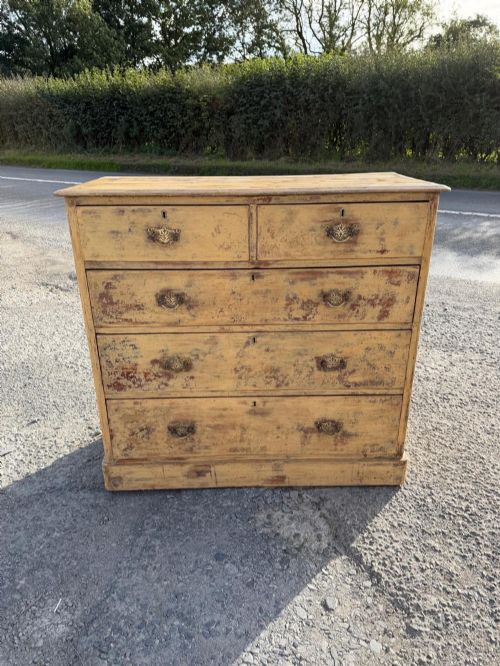
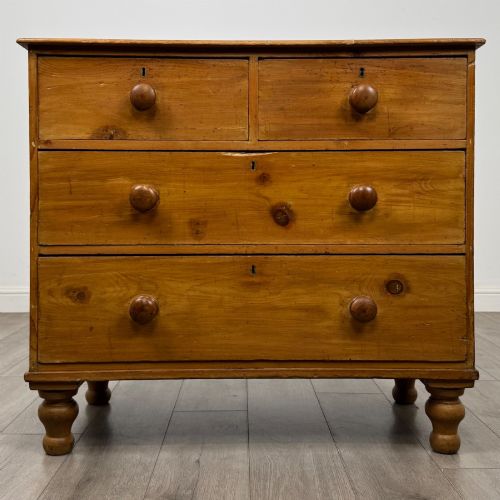
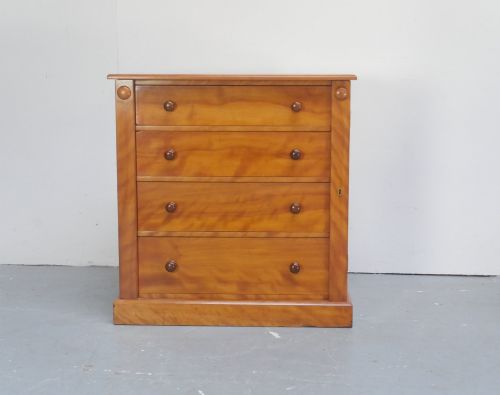
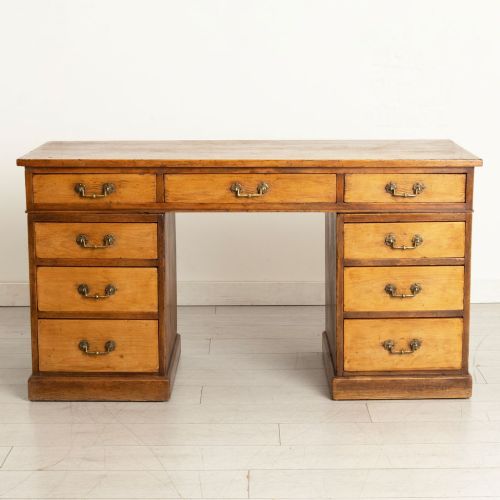
Chest of drawers variants, particularly the two-over-three configuration, represent the most frequent domestic forms seen on this page. Alongside these, tables, desks, and dressers demonstrate the versatile application of softwood in everyday historical interiors.
Materials and construction methods
Makers relied heavily on softwoods, specifically standard pine and denser pitch pine, supplemented occasionally by harder timbers like oak and ash for structural durability. Boards were joined using traditional techniques suited to utilitarian workshop production, yielding sturdy frameworks designed for heavy service.
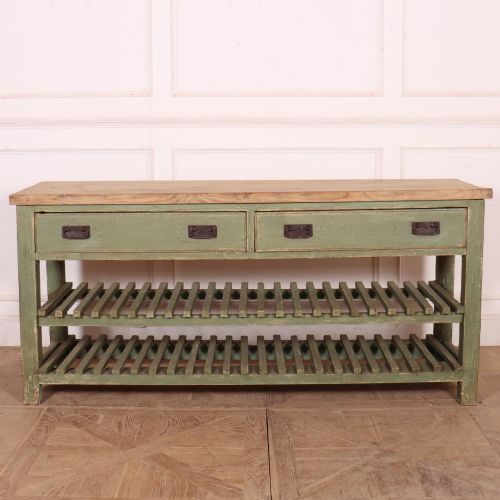
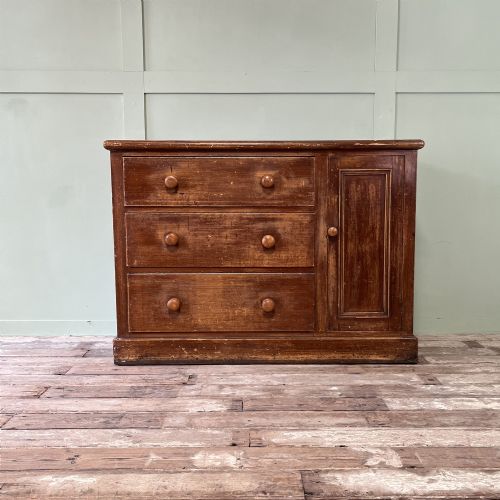
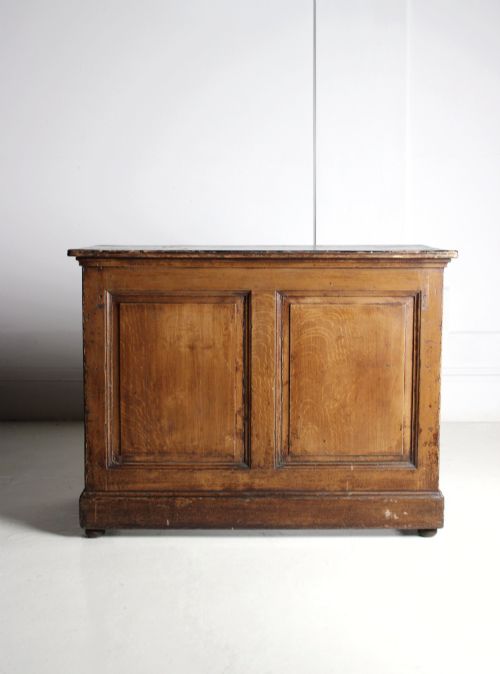
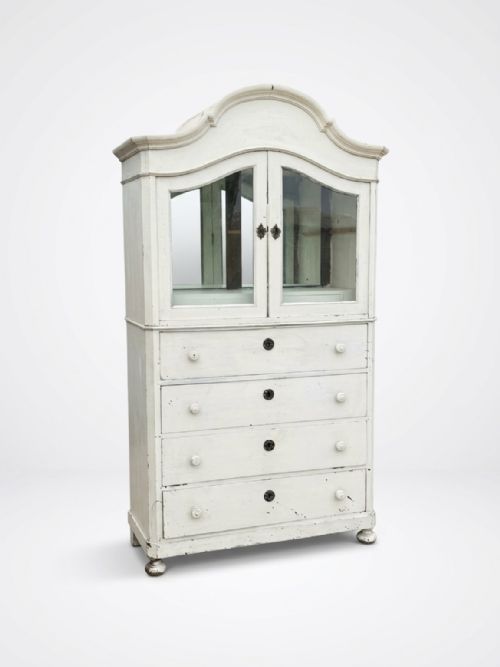
Surface treatments define much of the visual character, shifting between original painted finishes, faux wood graining, and stripped wax surfaces. Iron and brass hardware, including turned pull handles and hinges, provide functional contrast to the pale timber grain.
Listings feature items spanning the nineteenth century through the 1930s, incorporating pine, pitch pine, iron, and brass across domestic and utilitarian forms.
Assessing quality in softwood pieces
Quality in these items rests upon the integrity of the original construction and the preservation of authentic surface finishes. Pieces retaining untouched period paint or patinated wax surfaces hold greater historic fidelity than those stripped down to raw wood.
Proportion and functional restraint separate superior examples from standard workshop output. Neat cabinet proportions, balanced drawer arrangements, and robust structural joinery distinguish better-resolved items designed for country houses and town dwellings alike.
The Vintage Pine Furniture Glossary
- Pitch pine
- A dense, resinous softwood variety prized for its prominent grain patterns and robust durability in demanding furniture applications. It frequently appears in larger nineteenth-century desks and architectural cupboards.
- Housekeeper's cupboard
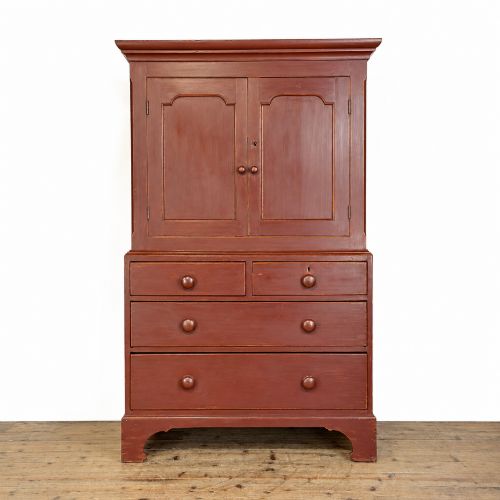
- A large storage cabinet traditionally used in substantial kitchens for linen, dry goods, and domestic provisions. These pieces typically feature multiple panelled doors and internal shelving.
- Cricket table
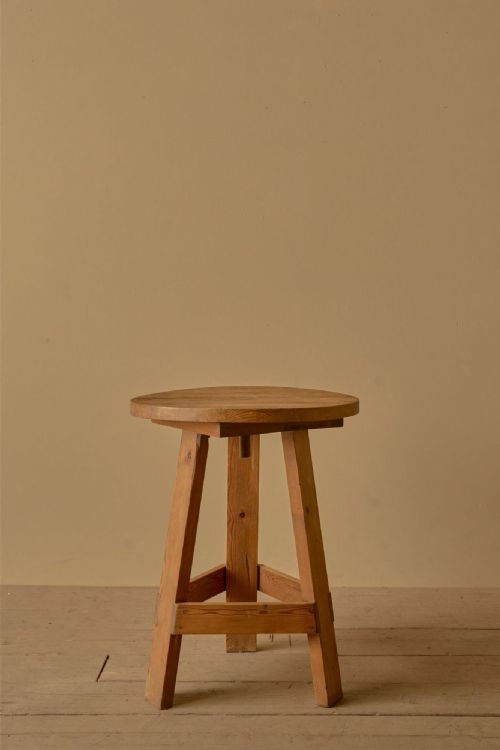
- A small, lightweight occasional table featuring three splayed legs designed to remain stable on uneven flagged floors. These functional items served versatile roles in domestic spaces.
- Settle
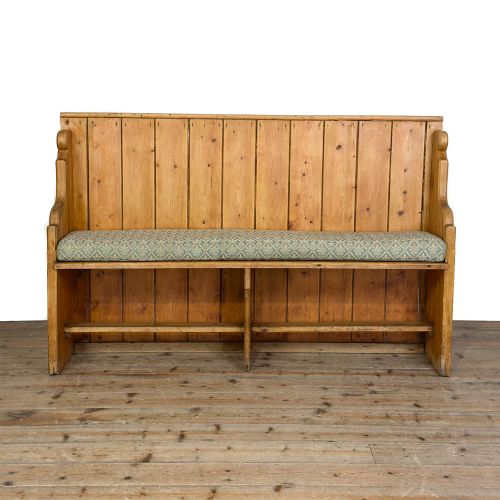
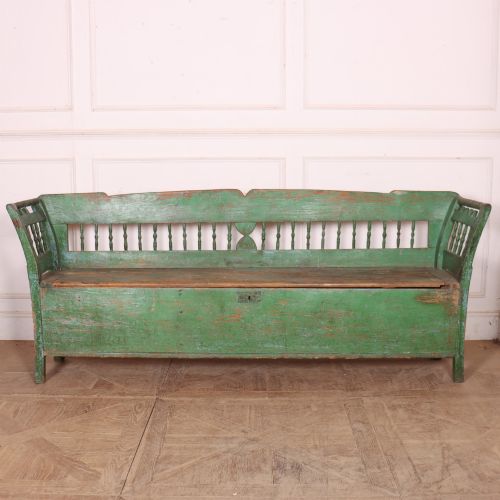
- A wooden bench featuring a high solid back to block draughts and enclosed arms or under-seat storage. They sat near hearths in traditional rural interiors.
- Dresser base
- The lower section of a kitchen storage unit featuring cupboards and drawers beneath a flat serving surface. They formed the utilitarian heart of nineteenth-century domestic food preparation.
Vintage Pine Furniture: Frequently Asked Questions
How do I clean painted pine furniture?
Maintain painted surfaces by dusting gently with a soft dry cloth rather than applying liquid cleaners or harsh detergents. This preserves the integrity of historic paint layers and prevents moisture damage to the softwood beneath.
Avoid placing pieces in direct sunlight or near heat sources to prevent the old paint from cracking or flaking. Regular mild care preserves the authentic patinated finish developed over decades of domestic use.
What is pitch pine?
Pitch pine is a durable softwood known for its high resin content and distinctively striking grain pattern. Nineteenth-century makers utilised it for furniture requiring extra strength, such as desks and heavy storage cabinets.
This timber accepts wax finishes exceptionally well, deepening in tone and warmth over time. Its dense composition makes it heavier and more resilient than standard softwood varieties.
Where were church pews used?
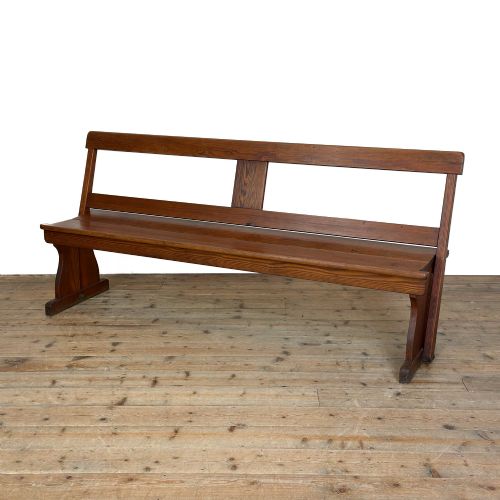
Church pews served as communal seating within ecclesiastical buildings and chapels during the nineteenth century. Flip-over bench variants allowed congregations to reverse their seating direction for different services.
Today, these long timber benches adapt well to domestic hallways, boot rooms, and kitchen dining tables. Their robust construction ensures they withstand everyday modern usage.
How do I date a chest of drawers?
Examine the construction methods, drawer joinery, and hardware to determine the age of a chest. Nineteenth-century examples often feature hand-cut dovetails and turned wooden knobs or brass pulls.
Original painted finishes or early wax patination also offer clues regarding the period of manufacture. Standard configurations like two short drawers over three long drawers became widespread during the Victorian era.