

Vintage Pine Cabinet
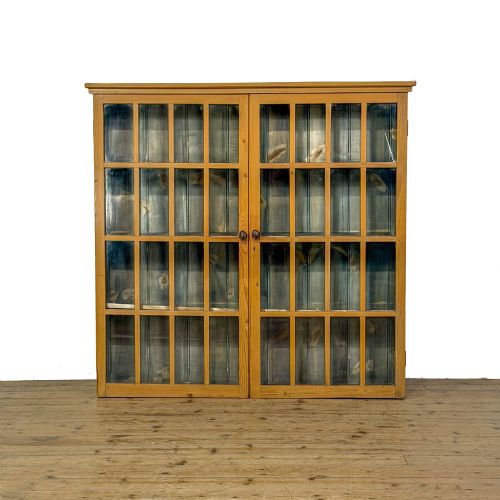
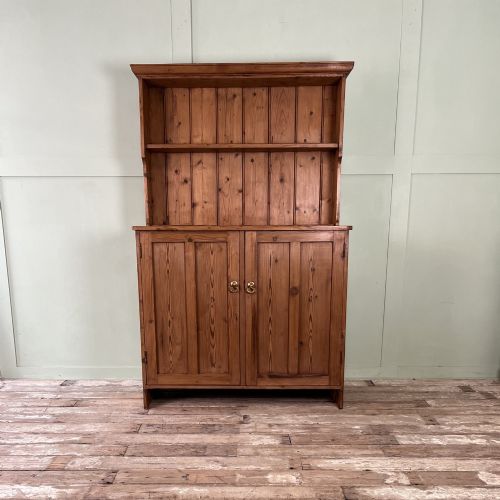
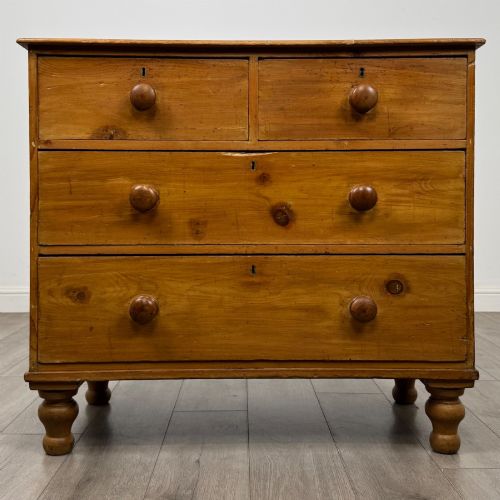
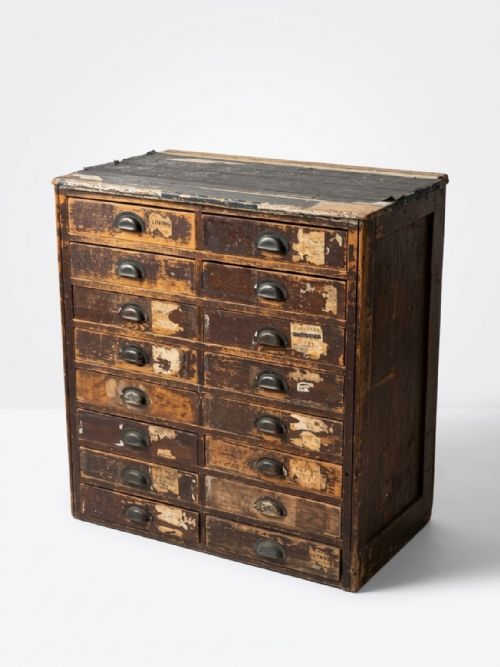
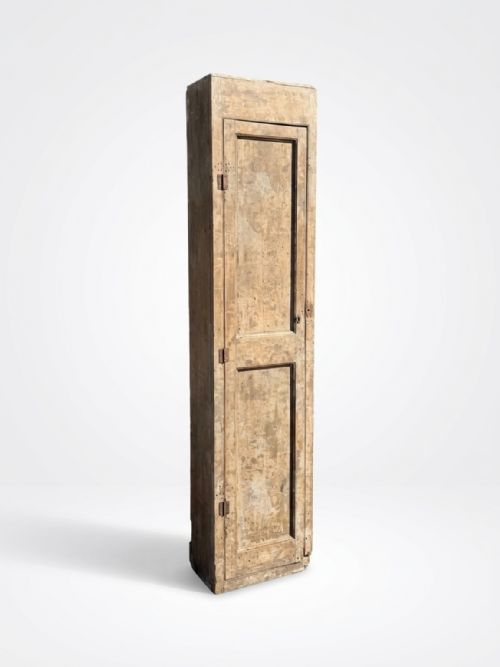
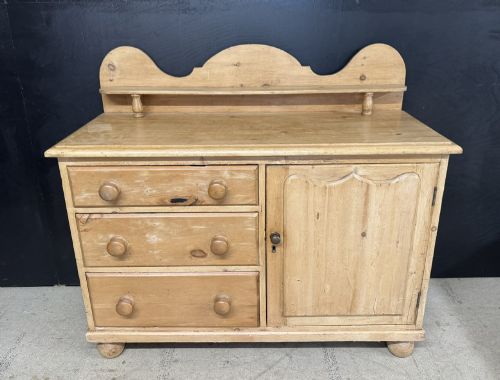
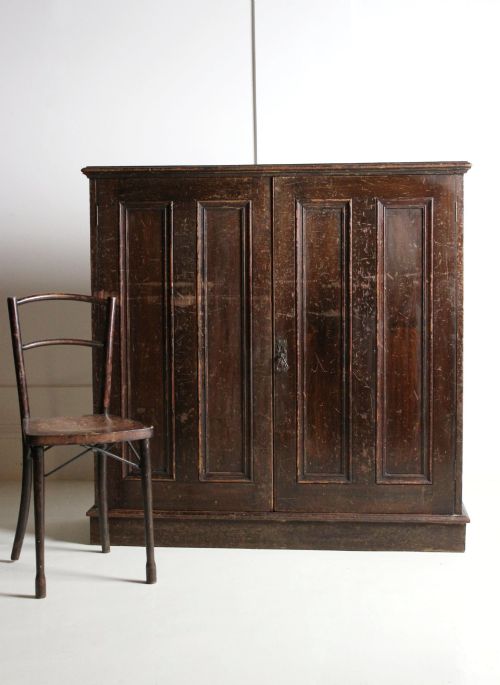
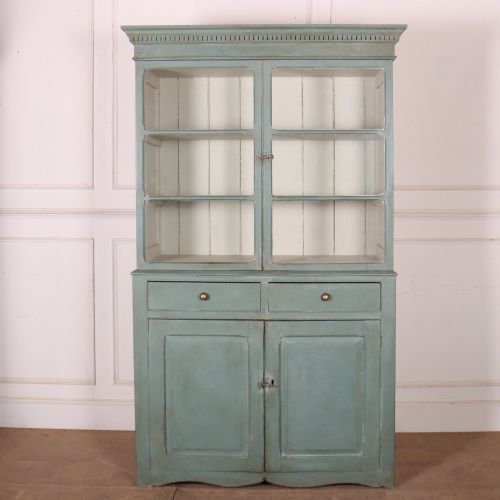
These vintage pine cabinet examples span utilitarian storage and domestic display, bringing honest timber grain and historical utility into modern rooms.
Vintage Pine Cabinet
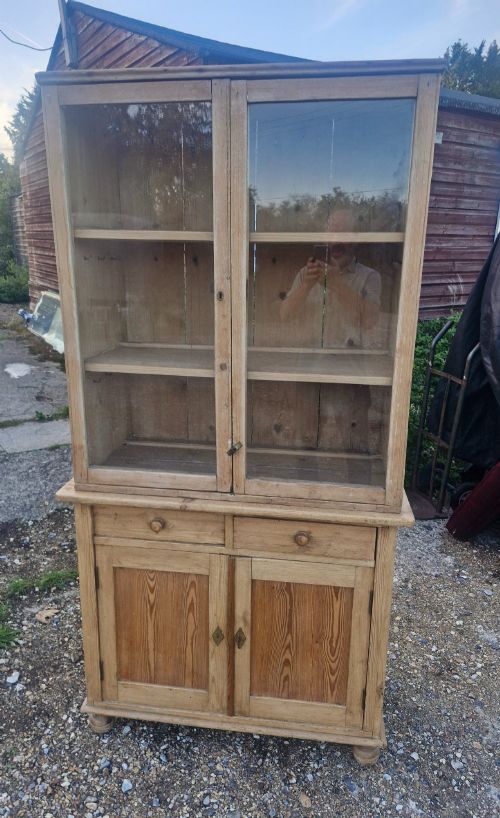
A vintage pine cabinet encompasses diverse forms built from softwood timber, ranging from kitchen dressers and larder cupboards to bedside units and extensive banks of drawers. When searching for a vintage pine cabinet, buyers encounter pieces originating from Victorian workshops, Edwardian kitchens, and continental provinces.
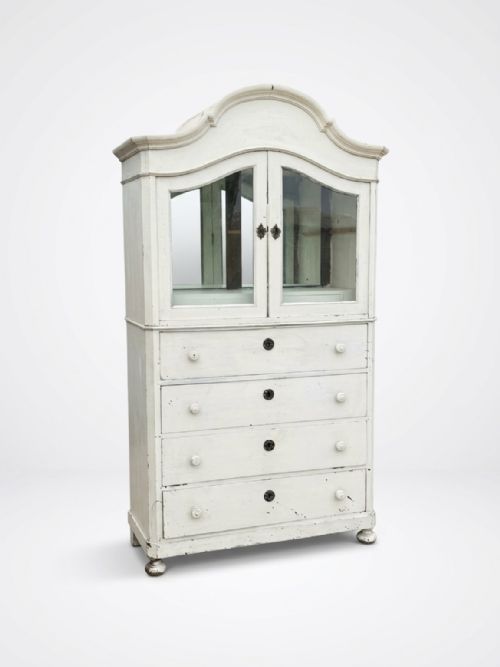
Construction dates stretch from the late Georgian era through the nineteenth century and into the early twentieth century. Many items retain original painted finishes, scumble glaze, or waxed patinas developed through decades of domestic service.
Distinguishing quality in construction and finish
Superior examples display thoughtful proportions, robust joinery, and timber selections that show mature grain patterns without excessive knots. The integrity of original backboards, internal shelving, and operational hardware dictates the overall standard.
The presence of untouched period surfaces - such as authentic original paint or deep waxed patina accumulated over generations - elevates a piece significantly. Alterations to hardware, stripped timber where paint was intended, or replacement components alter the historical character.
The documented furniture styles span Victorian country, French provincial, rustic farmhouse, and Gothic Revival forms.
The Vintage Pine Cabinet Glossary
- Pitch pine
- A dense, resinous softwood variety prized for its prominent grain pattern and durability in demanding furniture applications.
- Scumble paint
- A decorative translucent paint finish manipulated with combs or brushes to imitate richer timber grains or create mottled textures.
- Housekeeper cupboard
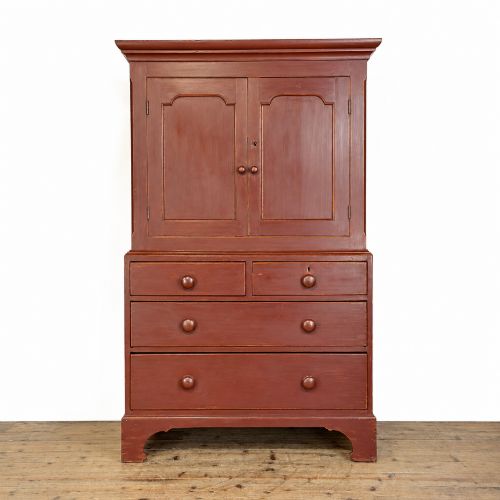
- A large storage furniture form traditionally utilised in country houses for linen, provisions, and domestic dry goods.
- Confiturier
- A small French cupboard historically designed to store pots of confit and domestic preserves.
- Campaign chest
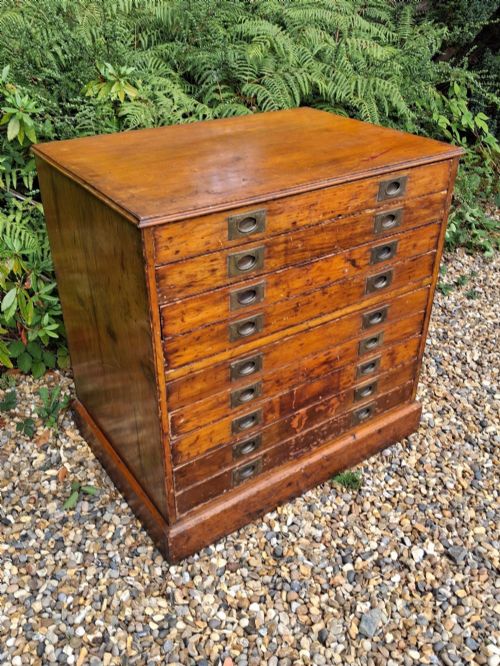
- Modular furniture constructed in sections with recessed brass handles, originally built for transport during military deployment.
Vintage Pine Cabinet: Frequently Asked Questions
How do I date an antique pine cabinet?
Dating relies on examining construction techniques, hardware types, and timber preparation methods visible on internal surfaces. Hand-cut dovetails, handmade screws, and original backboards provide reliable chronological indicators.
Style influences also point to specific decades, such as Gothic Revival details from the mid-nineteenth century or Arts and Crafts simplicity from the early twentieth century.
Are painted finishes original?
Many pieces retain their initial painted or scumble-glazed surfaces applied during the nineteenth or early twentieth centuries. Close inspection reveals layer buildup, wear patterns around handles, and integration with the underlying timber.
Later decorative overpainting is common, particularly on pieces that transitioned from utilitarian storerooms to domestic display spaces.
What is the difference between pitch pine and standard pine?
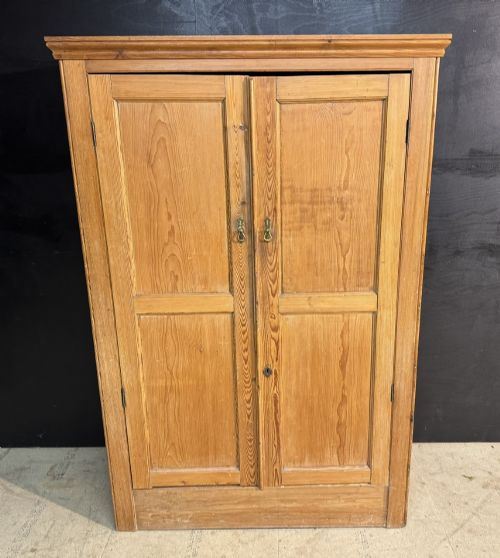
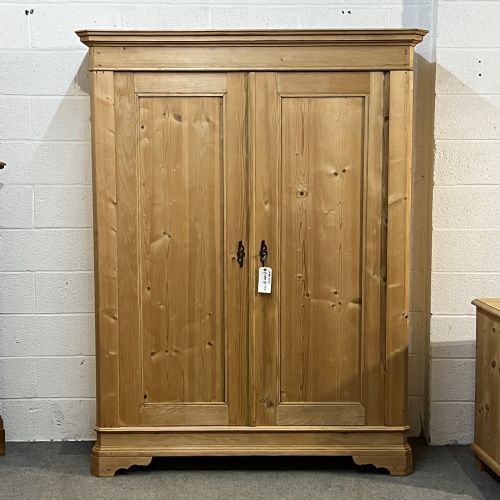
Pitch pine contains higher resin content, resulting in a heavier, harder timber with a distinctively reddish hue and prominent grain lines. Standard pine is lighter in weight and colour, offering a more uniform surface suitable for waxing or painting.
Both materials were utilised across different periods depending on regional availability and the intended function of the cabinet.
How should I care for a waxed pine surface?
Maintain waxed pine by applying traditional beeswax periodically to nourish the dry timber and preserve the historic patina. Avoid placing pieces near direct heat sources or strong sunlight, which can dry out the softwood and cause splitting.
Dust regularly with a soft, dry cloth rather than using silicone-based polishes that degrade natural wax finishes.