

Vintage Pine Cabinets
Vintage pine cabinets bring honest utility and warmth to a room, offering practical storage through solid timber construction and simple vernacular forms.
Vintage Pine Cabinets
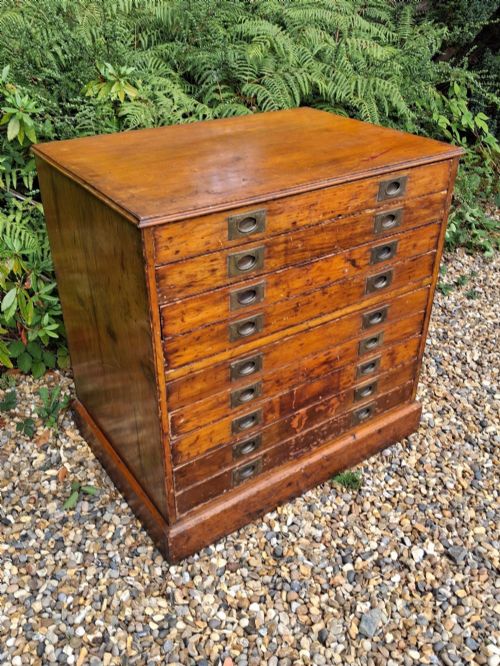
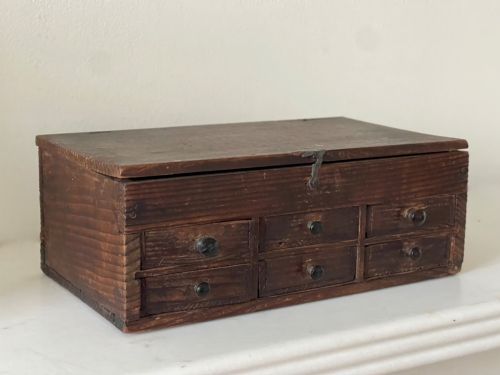
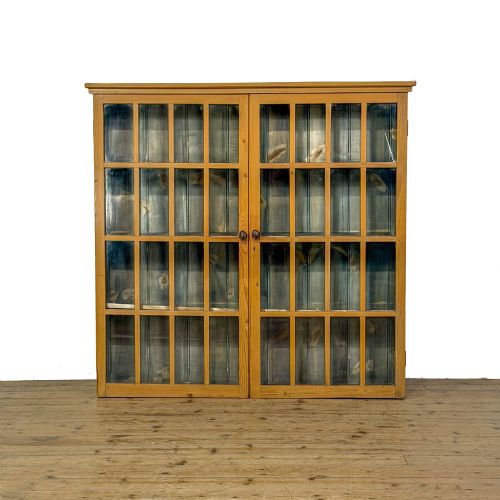
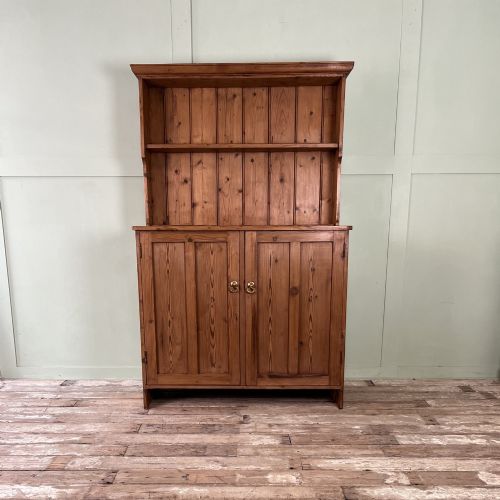
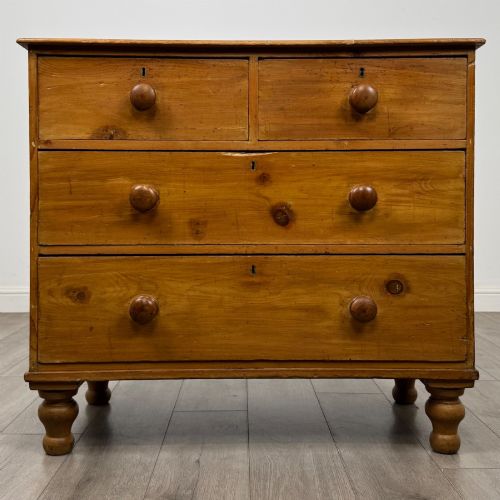
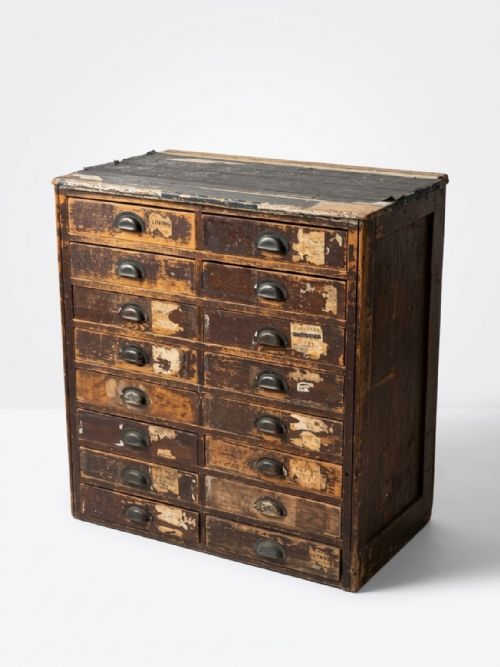
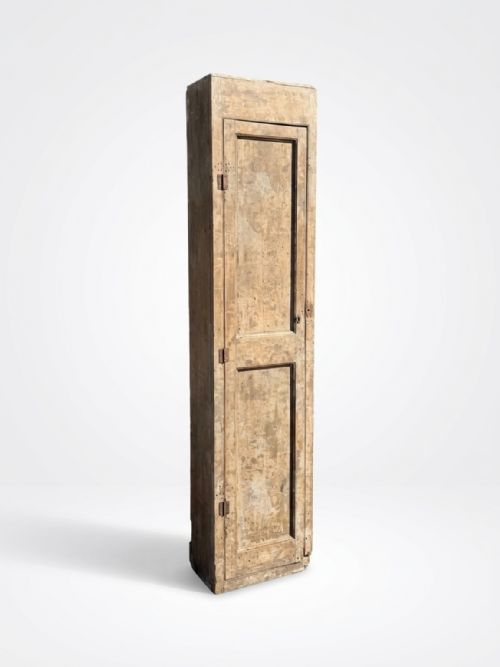
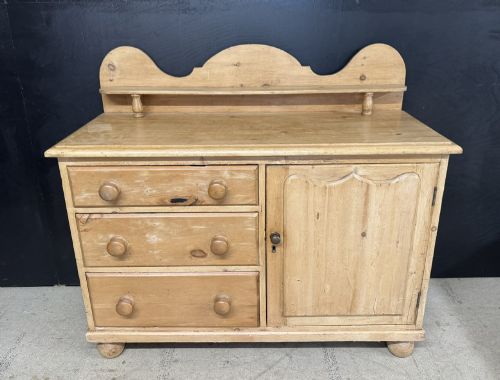
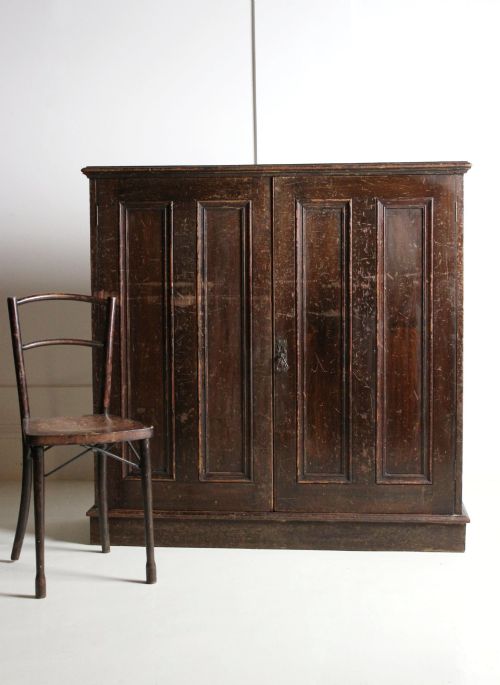
Vintage pine cabinets encompass a wide variety of utilitarian furniture designed for domestic and commercial storage across the nineteenth and early twentieth centuries. Pieces range from large kitchen dressers and housekeeper cupboards to compact bedside cabinets, wall cupboards, and multi-drawer shop fittings.
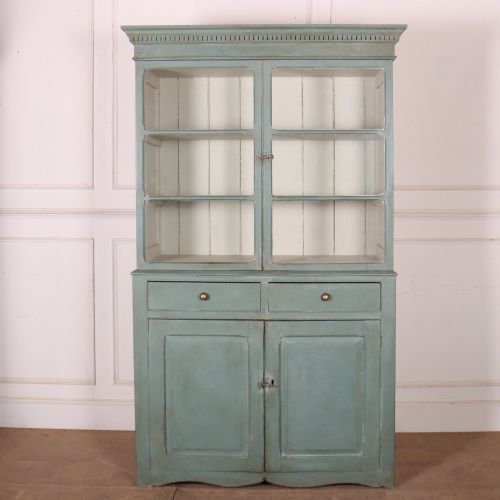
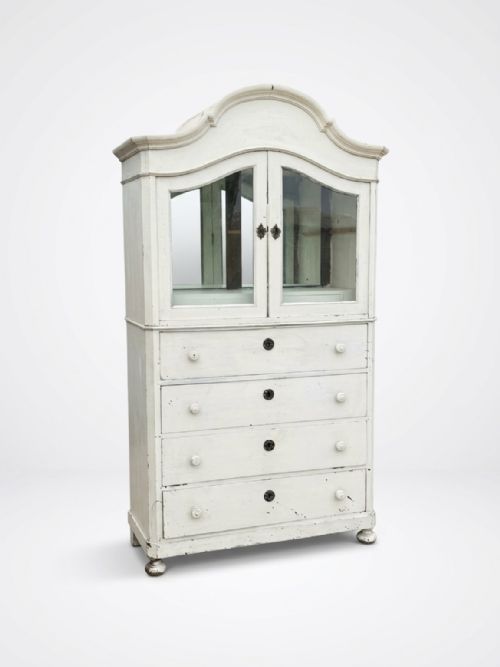
The selection includes regional pieces such as Welsh and Scottish dressers alongside continental examples from France and Sweden. Forms span from simple panelled cupboards to glazed bookcases and extensive banks of drawers intended for offices and workshops.
Makers utilised softwoods primarily for everyday service, resulting in furniture that prioritises function. Survival relies heavily on the quality of the original timber and the integrity of the joints.
Materials and Construction
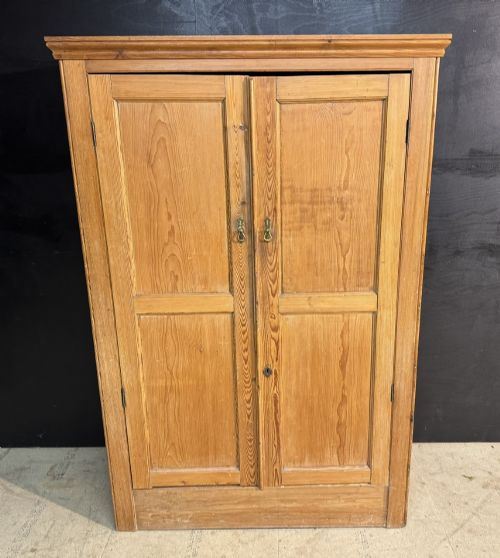
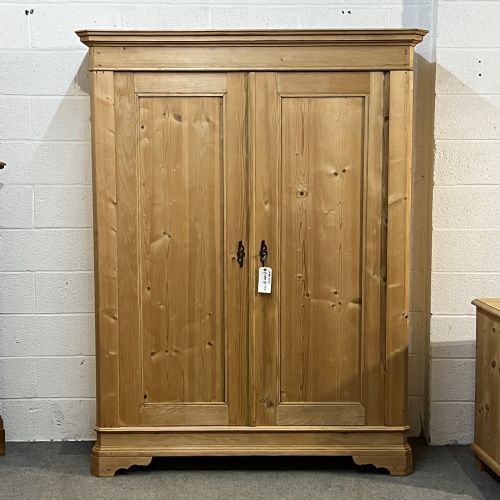
Carpenters built these cabinets predominantly using solid pine, sometimes supplemented by stained or painted finishes to protect the wood and alter its appearance. Structural hardware typically involved brass or iron hinges, pulls, and key escutcheons that secured doors and drawers.
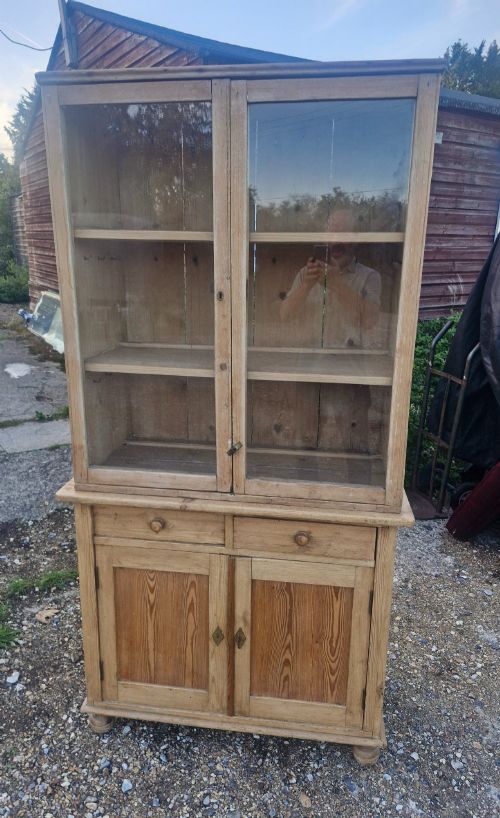
Glazed sections incorporated fitted glass panes into wooden frames, while larger storage items like housekeeper cupboards and wardrobes were often constructed in two parts to aid movement and placement. Surfaces received wax treatments or historic paint layers that aged alongside the timber to develop a distinct patina.
Materials recorded across the inventory include solid pine, painted surfaces, stained pine, brass, iron, and glass.
Assessing Quality and Character
Quality rests in the structural integrity of the joinery and the preservation of original surfaces, whether through unblemished waxed pine or intact historic paint. Finer examples retain their original backboards, brass or iron hardware, and functional internal shelving without excessive timber replacement.
Proportion and utility separate standard utility items from more ambitious architectural pieces, such as glazed bookcase cabinets or multi-drawer apothecary chests. The depth of the patina and the honesty of the wear reflect how the piece was used in its original setting.
The Vintage Pine Cabinets Glossary
- Patina
- The surface sheen and colour developed through years of handling, waxing, and exposure to light. It serves as a visual indicator of age and continuous use.
- Housekeeper Cupboard
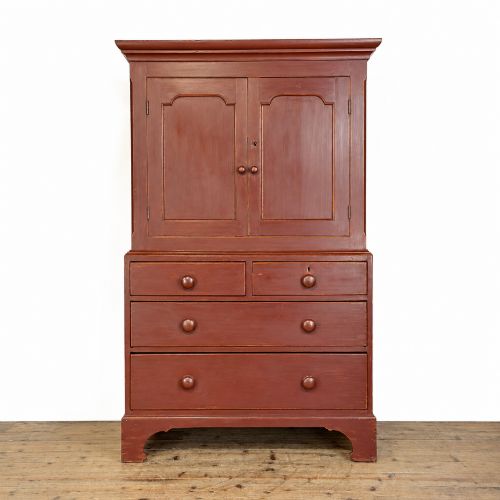
- A large, tall storage piece traditionally used in country houses for linen, dry goods, or china. They frequently feature panelled doors and internal shelving.
- Dresser Base
- The lower section of a kitchen dresser, usually comprising a combination of drawers and cupboards beneath a solid wooden top. These items functioned as practical kitchen work surfaces.
- Glazed Cabinet
- A piece featuring glass-fronted doors designed to display books, crockery, or collections while protecting them from dust.
- Pot Cupboard
- A small bedside cabinet originally constructed to house a chamber pot. They typically stand on short legs with a single door enclosing a shelf.
Vintage Pine Cabinets: Frequently Asked Questions
How do I clean a waxed pine cabinet?
Dust the surfaces regularly with a soft, dry cloth to prevent dirt accumulation. Apply a quality beeswax periodically to nourish the wood and maintain the surface sheen.
Avoid using water, chemical sprays, or silicone-based polishes, as these products damage traditional wax finishes and soften the timber over time.
Were these cabinets originally painted or waxed?
Pine furniture historically received both treatments depending on its function and regional tradition. Many domestic kitchen pieces and architectural cupboards wore coats of paint for protection.
Other items were left as bare wood or treated with wax to highlight the natural grain of the timber. Surviving surfaces often show layers of historic paint or deep waxed patinas built up over generations.
Can I adjust the shelves in an old pine cupboard?
Many older cupboards and bookcases feature fixed wooden shelving supported by internal wooden cleats or fixed dado grooves. Some larger open bookcases incorporate adjustable shelving systems using traditional wooden supports.
Modifying fixed interiors requires careful carpentry to avoid compromising the structural rigidity of the cabinet carcase.
How do I date a vintage pine cabinet?
Dating relies on examining construction techniques, hardware, and timber characteristics. Hand-cut dovetails, wrought iron hinges, and hand-blown glass panes typically point towards nineteenth-century origins.
Later pieces from the Edwardian period or the nineteen-twenties often display machine-sawn elements and standardised brass or iron fittings while retaining traditional vernacular forms.