



Vintage Pierced Bowl
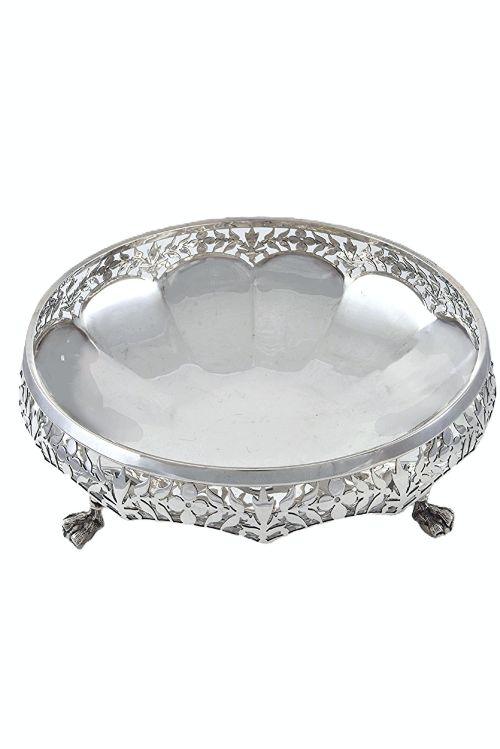
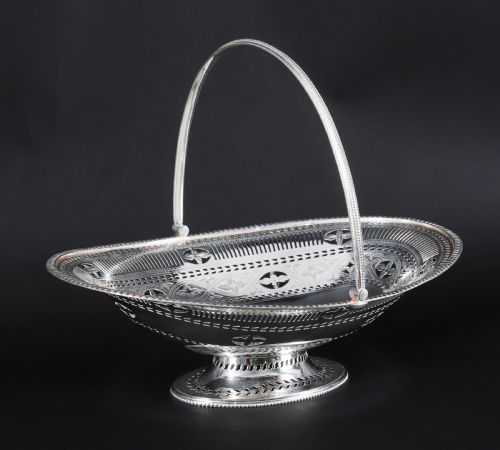
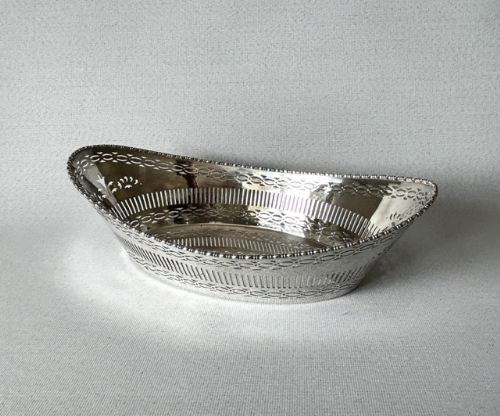
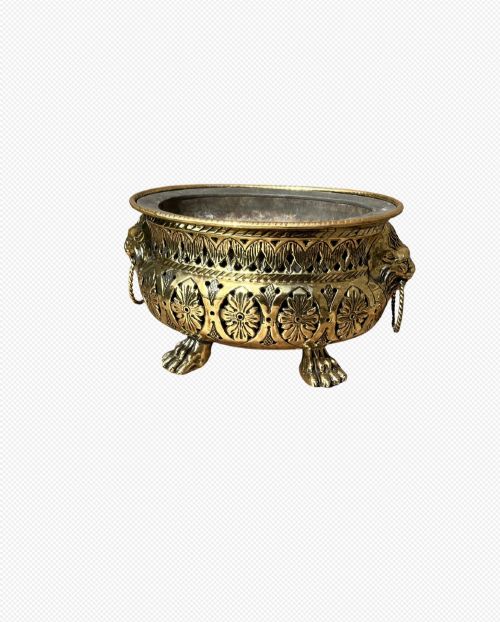
A vintage pierced bowl brings intricate openwork metal, glass or pottery to the table, offering a decorative vessel for fruit, flowers or sugar.
Vintage Pierced Bowl
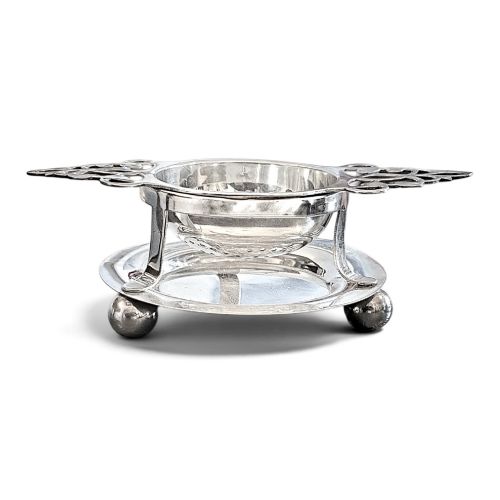
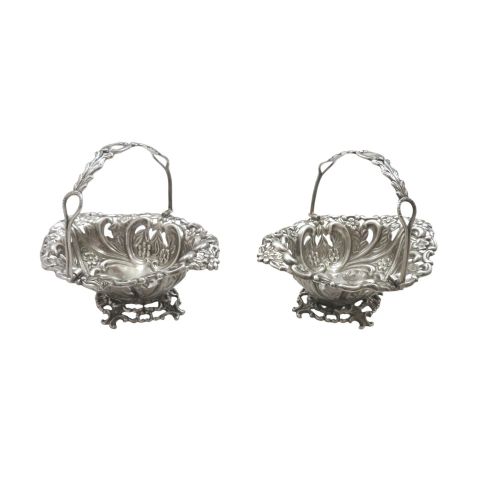
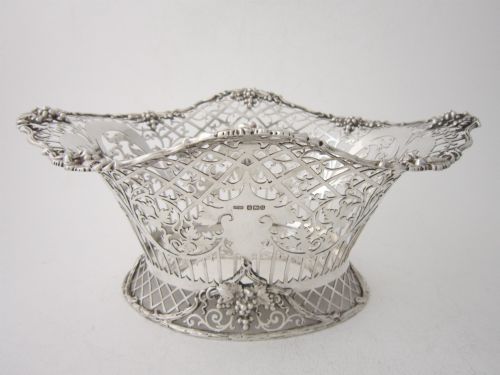
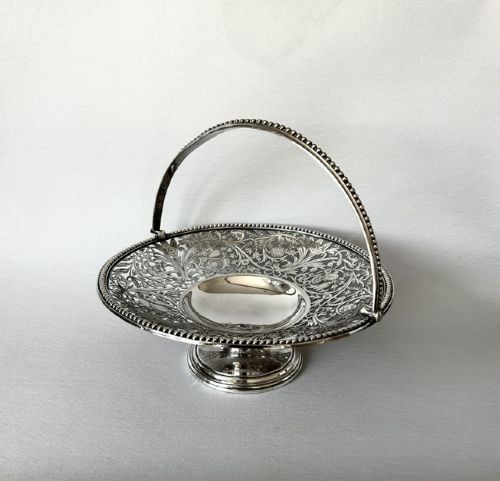
A vintage pierced bowl encompasses a broad range of openwork vessels designed for the table and sideboard, appearing in forms from deep fruit baskets and shallow bonbon dishes to grand centrepieces and sugar bowls. The selection spans distinct periods from the early eighteenth century through to the mid-twentieth century, capturing shifts in domestic dining and decoration.
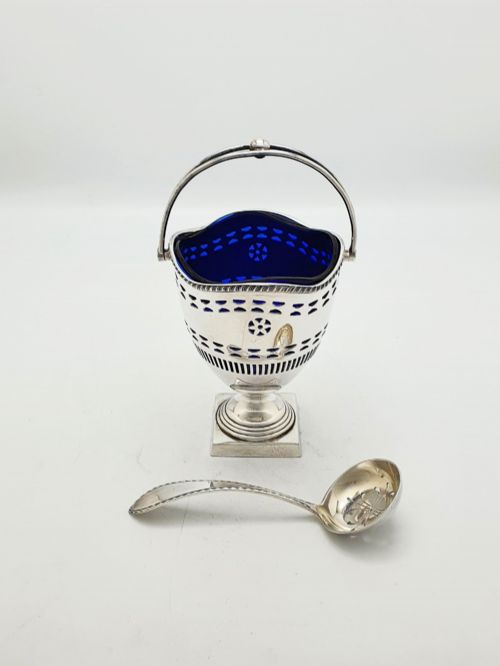
The most common examples on this page date from the Edwardian era and the early twentieth century, heavily weighted towards silver and silver-plated baskets alongside ceramic and glass variations. These pieces often incorporate swing handles, matching liners in cobalt glass, or footed bases designed to elevate serving displays.
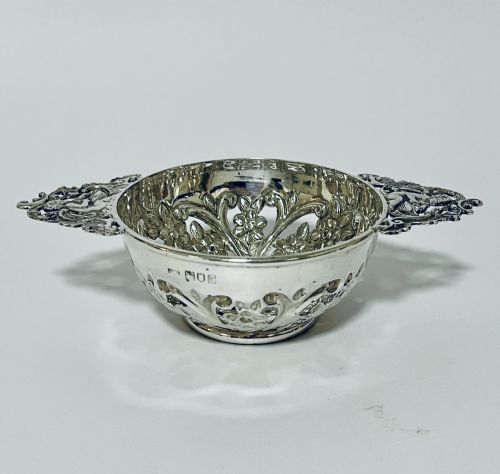
Origins stretch across English, Continental and Asian workshops, bringing together diverse regional styles such as Rococo Revival, Art Nouveau and Victorian Neoclassical. Whether configured as a cake dish, a rose bowl or a small porringer, each item utilises pierced or lattice techniques to create lighter, more decorative vessels.
How they were made
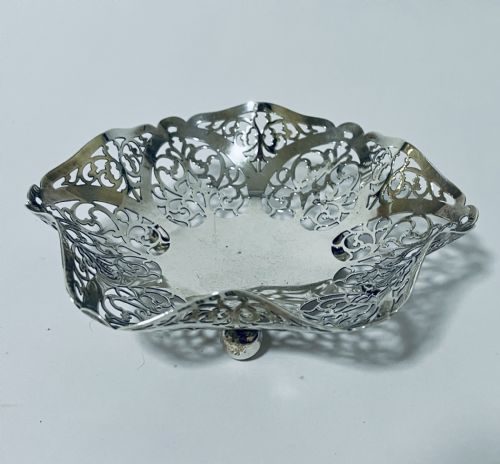
Metal vessels in sterling silver, silver plate, EPNS, pewter and German 800 silver achieve their openwork designs through piercing, wirework and casting techniques. Artisans cut intricate lattice patterns by hand or machine before assembling handles, cast feet and applied borders.
Glass and ceramic iterations combine moulded or blown bodies with metal components, pairing cobalt and cranberry glass bowls with fitted silver frames or adding pierced galleries to porcelain punch bowls and pottery chestnut baskets. Stoneware and earthenware variants utilise transfer printing alongside traditional moulding.
Vintage Pierced Bowl Retail Price Guide 2026
Typical asking prices for vintage pierced bowl among the pieces listed under this phrase on Sellingantiques today, from the lower quarter to the upper quarter. They describe what is for sale here now, not the wider market.
Several pieces include cobalt glass liners, providing a vibrant blue contrast beneath intricate silver and metal lattice work.
What varies in quality
Quality rests upon the crispness of the piercing work and the balance of the overall form, where clean, symmetrical lattice cutting distinguishes finer examples from heavier, simpler stampings. The execution of cast mounts, handles and applied decorative elements further defines the standard of the piece.
The choice of materials and the integrity of any accompanying inserts, such as original cobalt glass liners, play a significant role in the standing of a vessel. Well-preserved plating, clear hallmarks and retained structural stability separate standard production items from superior workshop output.
Viners & Co Sheffield·Hammond Turner and Sons·Mappin and Webb·Elkington·Fenton·J and R Clews·Moorcroft Macintyre and Co
The Vintage Pierced Bowl Glossary
- Piercing
- A technique of cutting or piercing open patterns into metal, ceramic or wood to create decorative lattices and grilles. This method lightens the visual weight of heavy serving vessels.
- Bonbon dish
- A small, decorative open vessel intended for holding sweets, nuts or small confections on the table. They frequently feature elaborate pierced rims or swinging handles.
- Centrepiece
- A large, prominent ornamental bowl or basket placed in the middle of a dining table or sideboard. These items often showcase higher artistic ambition and more complex openwork.
- Porringer
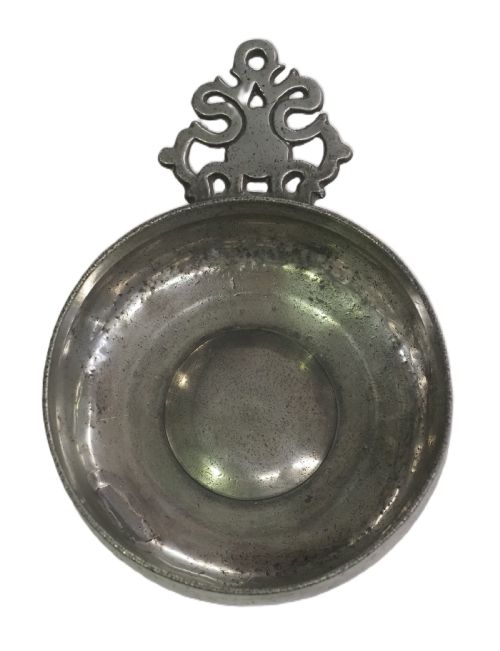
- A small, shallow vessel with one or two flat horizontal handles, historically used for porridges or broths. Early English examples appear in pewter.
- Quaich
- A traditional shallow two-handled drinking vessel of Scottish origin. Examples range from simple traditional forms to decorative silver interpretations.
- Compote
- A raised bowl on a stem or foot, utilised for serving fruit or compotes. They frequently incorporate open wirework or pierced galleries.
Vintage Pierced Bowl: Frequently Asked Questions
What were vintage pierced bowls used for?
These vessels served a variety of domestic and decorative functions in the dining room and parlour, holding everything from fresh fruit and bread to bonbons and sugar.
Larger versions acted as centrepieces for floral arrangements or as decorative fruit baskets, while smaller dishes graced tea tables and sideboards.
How do I clean a silver plated pierced bowl?
Cleaning requires warm water, a mild detergent and a soft cloth to protect delicate pierced sections and plating.
Harsh abrasive dips should be avoided, particularly on pieces with glass liners or applied enamel.
Can I use these bowls for serving food?
Many metal and ceramic pieces remain suitable for serving dry foods, biscuits or wrapped sweets during gatherings.
Pieces paired with removable glass liners offer practical containment for items that might otherwise slip through the lattice work.
How do I tell Edwardian pieces apart from Victorian ones?
Edwardian designs typically favour lighter, more restrained motifs inspired by eighteenth-century revivals, alongside early Art Nouveau curves.
Victorian items often display heavier proportions, deeper relief casting and more exuberant Rococo or Neoclassical ornamentation.