

Vintage Picture Holder
A vintage picture holder brings domestic portraiture into display, spanning silver frames, oak easels and gilt bronze.
Vintage Picture Holder
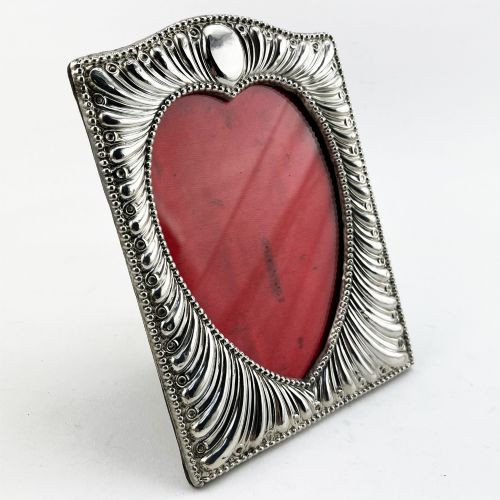
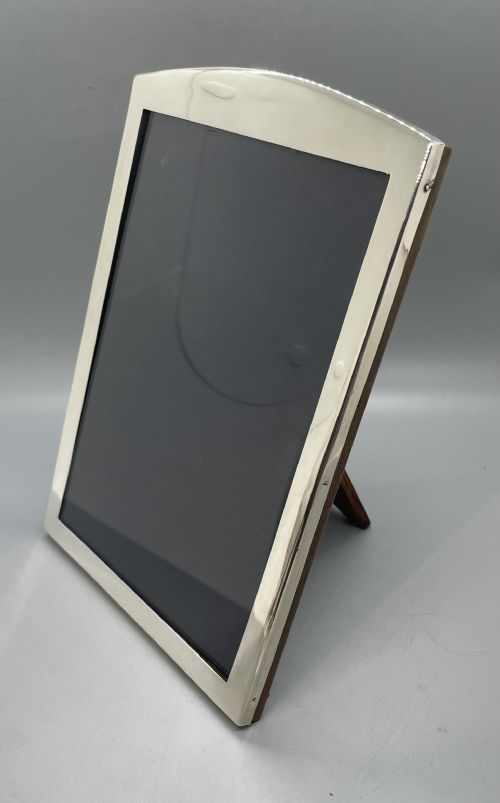
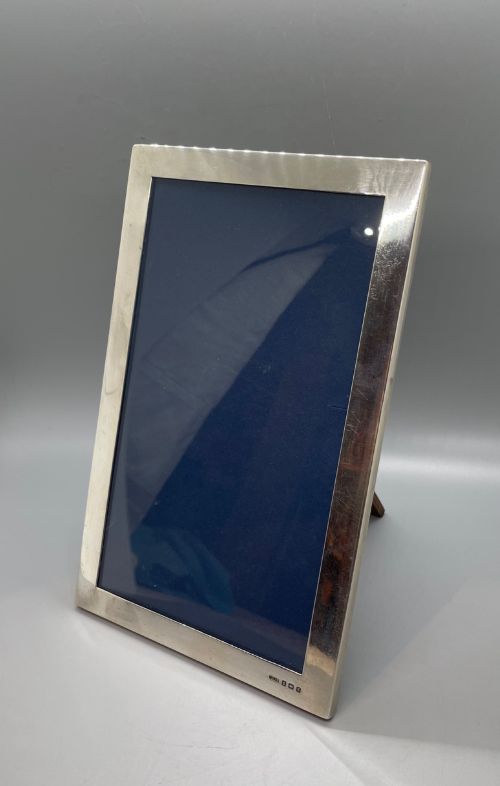
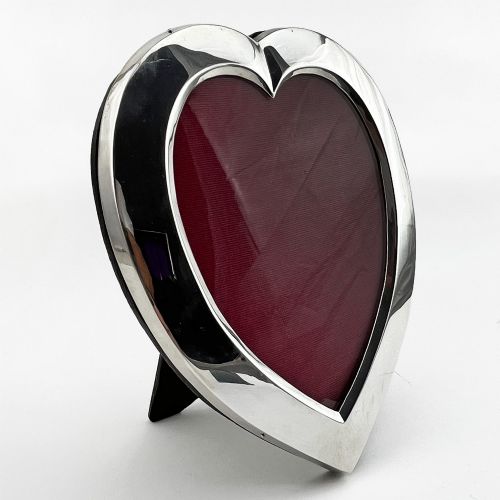
A vintage picture holder encompasses tabletop display pieces designed to present portraits and photographs within domestic interiors. These objects range from compact sterling silver portrait frames and heart-shaped trinkets to substantial oak display easels and folio stands.
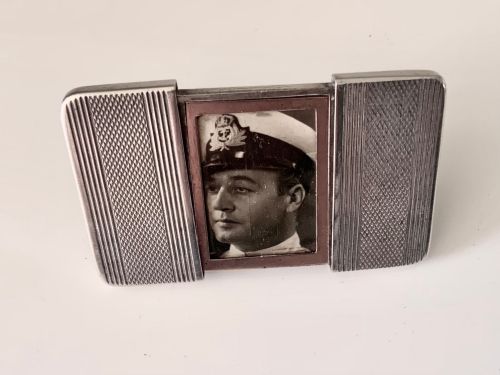
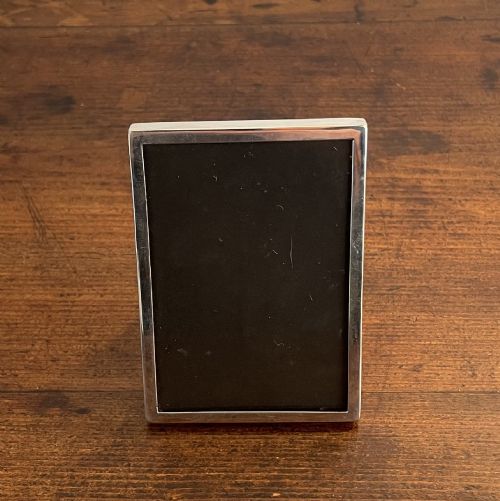
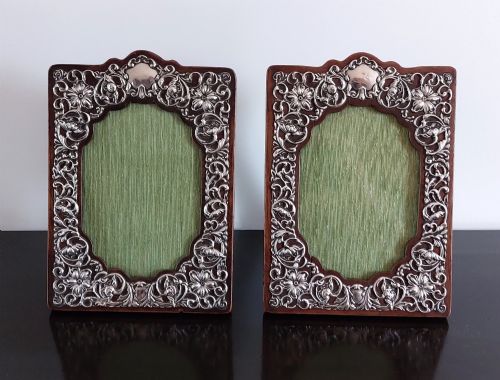
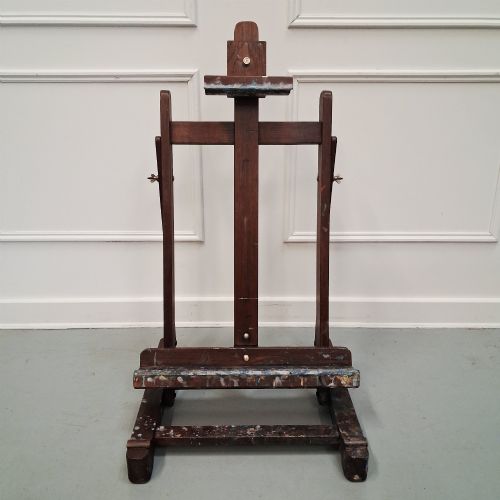
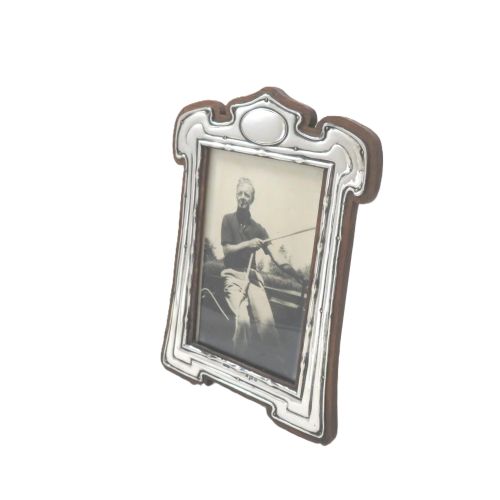
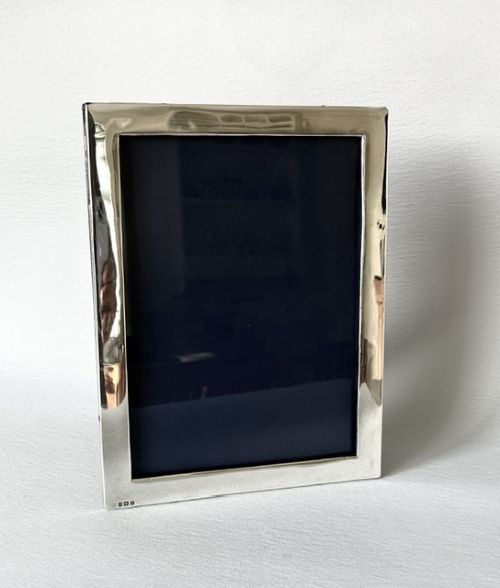
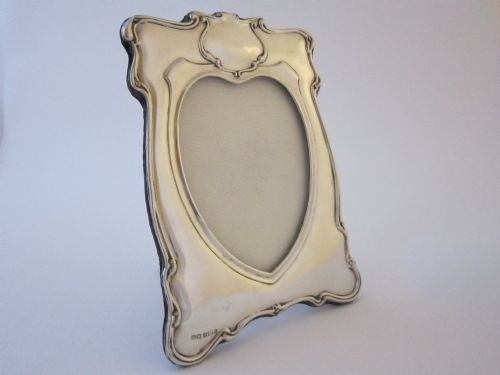
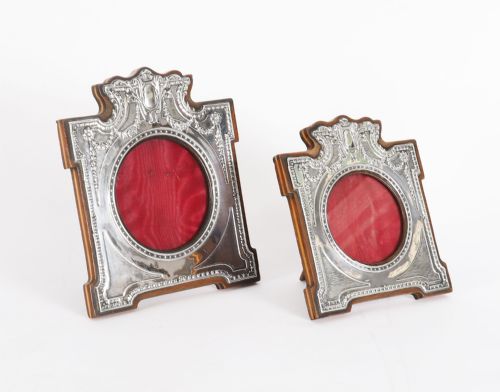
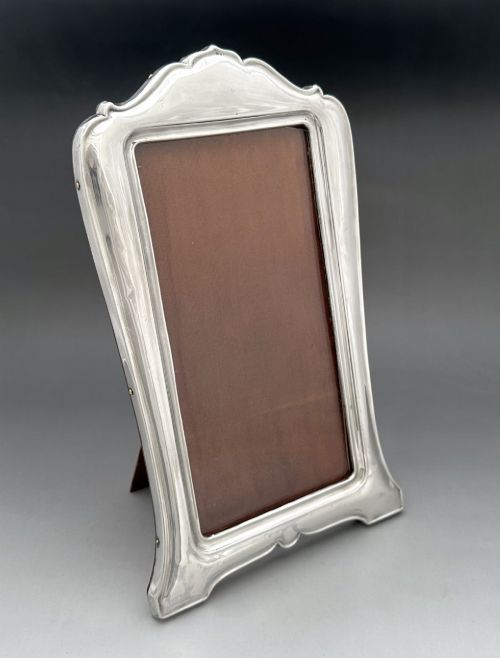
The version most commonly met on this page is the sterling silver photo frame, frequently carrying hallmarks from Birmingham or Sheffield across the Edwardian and George V periods. Alongside these, buyers encounter carved oak tabletop easels and French ormolu or gilt bronze frames dating from the late nineteenth century onwards.
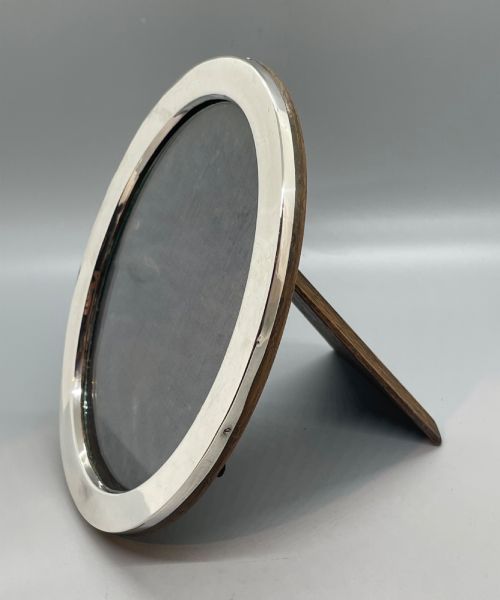
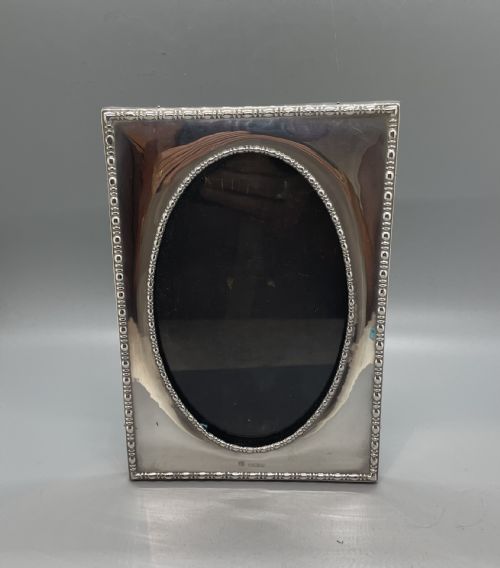
Forms extend beyond standard rectangular frames to include oval shapes, circular gold lockets, and specialised display stands made from brass, mahogany, and nickel-plated silver. Each type serves the singular function of holding visual mementos, whether mounted on a wall, supported by an easel back, or suspended as a pendant.
How they were made
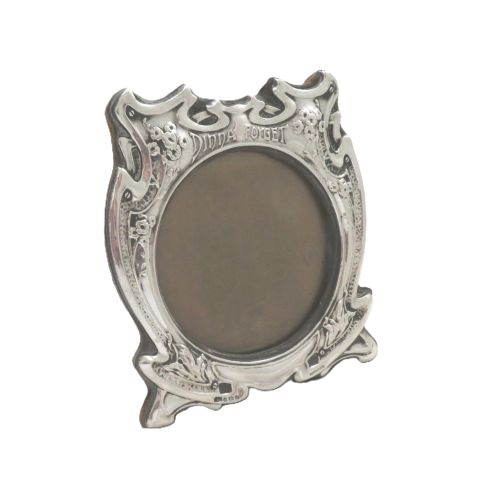
Construction relies upon metals such as sterling silver, brass, gilt bronze, and ormolu, alongside organic materials including oak, mahogany, glass, and velvet. Silversmiths hammered, pierced, and embossed metal sheets to form intricate borders, often incorporating engine-turned patterns or floral Art Nouveau motifs.
Wooden display pieces and easels utilise oak and mahogany, shaped through cabinet-making techniques to create hinged tabletop supports and folding folio stands. Frames frequently combine a metal or wooden front with a rigid backing board covered in black leather or velvet, secured by swing clips or pins.
Vintage Picture Holder Retail Price Guide 2026
Typical asking prices for vintage picture holder among the pieces listed under this phrase on Sellingantiques today, from the lower quarter to the upper quarter. They describe what is for sale here now, not the wider market.
Tennis enthusiasts can display photographs within specialised sterling silver frames featuring crossed racquets and balls.
What varies in quality
The calibre of a vintage picture holder is determined by the crispness of its hallmarks, the depth of its embossing, and the integrity of its structural components. Silver frames with deep, hand-pressed relief work and intact velvet or leather backings represent higher manufacturing standards than later, mass-produced pressed metal alternatives.
Material selection and maker attribution further separate examples, with named makers such as William Comyns or Mappin Bros denoting superior craftsmanship. The preservation of original glass panels, secure easel hinges, and uncompromised metal plating distinguish pieces retained in prime condition.
William Comyns·Mappin Bros·Deakin & Francis·Hardy Brothers
The Vintage Picture Holder Glossary
- Hallmark
- Official marks stamped on precious metals to guarantee purity, assay office origin, and date letter. These stamps allow precise dating of silver picture holders.
- Ormolu
- Gilt bronze ornamentation applied to decorative objects, popular in French nineteenth-century frames. It provides a rich, gold-coloured metallic finish.
- Engine-turned
- A mechanical engraving technique producing precise geometric patterns on metal surfaces. This method creates textured lines across silver photo frame borders.
- Folio stand
- A vertical or sloping rack designed to hold large prints, drawings, or folios. Regency mahogany examples provide stable support for paper collections.
- Tabletop easel
- A miniature freestanding frame support designed to display pictures on desks or mantelpieces. These adjustable stands appear in wood and brass.
Vintage Picture Holder: Frequently Asked Questions
How do I date a silver frame?
Dating relies upon reading the assay office marks, maker's marks, and date letters stamped directly onto the silver border. These official hallmarks record the exact year and city of manufacture.
Additional dating clues include the style of embossing, the shape of the aperture, and the material of the backing board, such as early black leather supports.
What is an easel frame?
An easel frame utilises a hinged support strut on the reverse, allowing the piece to stand upright on tables, desks, or mantelpieces without wall mounting. These designs range from small tabletop photo frames to larger wooden display easels.
The hinged mechanism permits adjustable viewing angles while keeping portraits securely framed in domestic settings.
How were these frames used?
These holders were placed on drawing room tables, writing desks, and pianos to display family portraits and photographic mementos of loved ones. Smaller lockets and pendants were worn as personal jewellery containing miniature images.
Folio stands served to store and display larger loose prints, watercolours, and documents within studies and libraries.
Are wooden and metal types different?
Wooden versions primarily take the form of carved oak or mahogany easels and folio stands, designed for structural display and support. Metal pieces, constructed from sterling silver, brass, and gilt bronze, focus on decorative embossed borders around photograph apertures.
While wood relies on cabinet-making joinery, metal frames employ silversmithing techniques like piercing and engine-turning.