




Vintage Photograph Holder
A vintage photograph holder preserves a cherished portrait while introducing period character to a desk, mantelpiece, or dressing table.
Vintage Photograph Holder
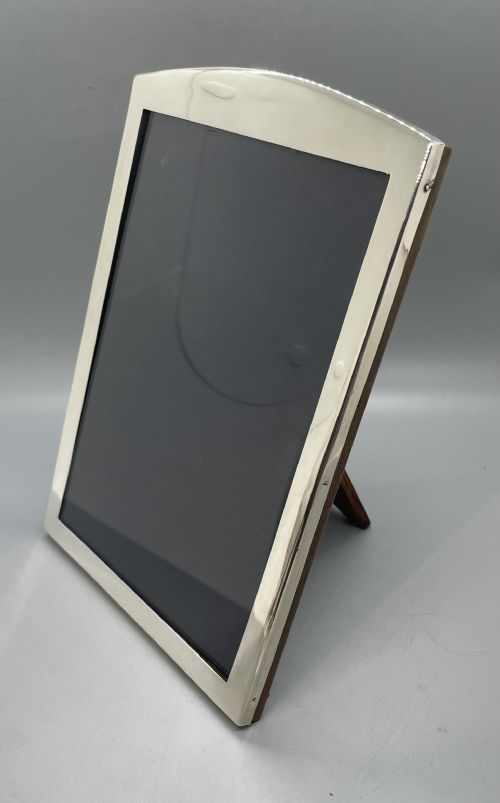
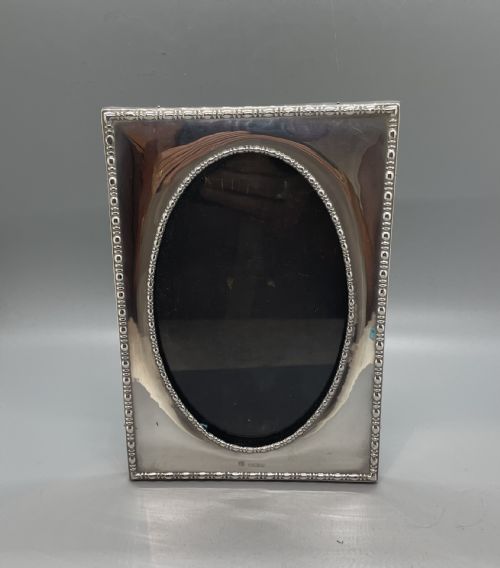
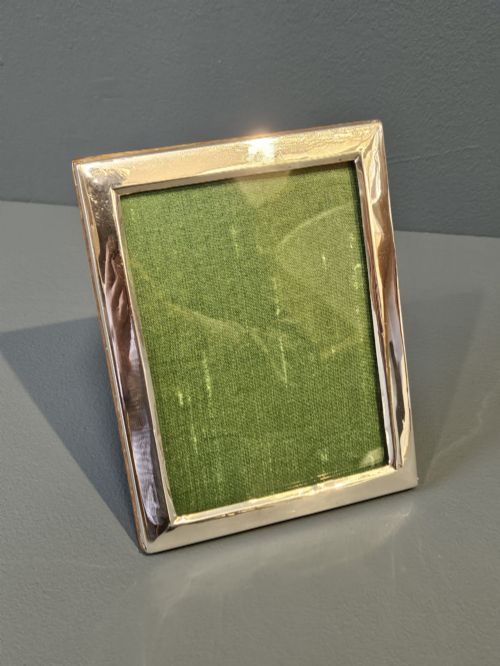
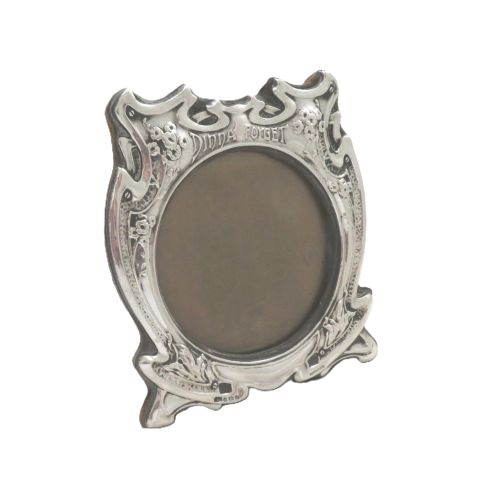
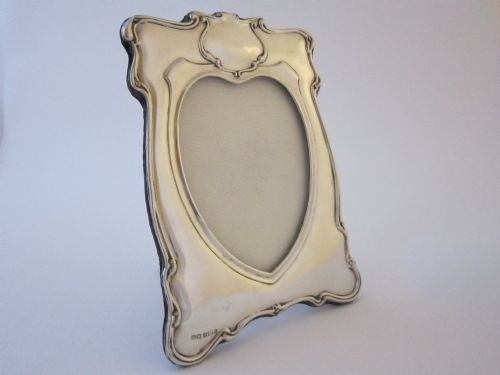
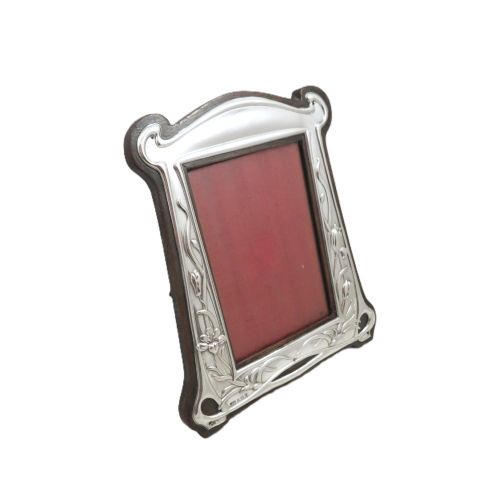
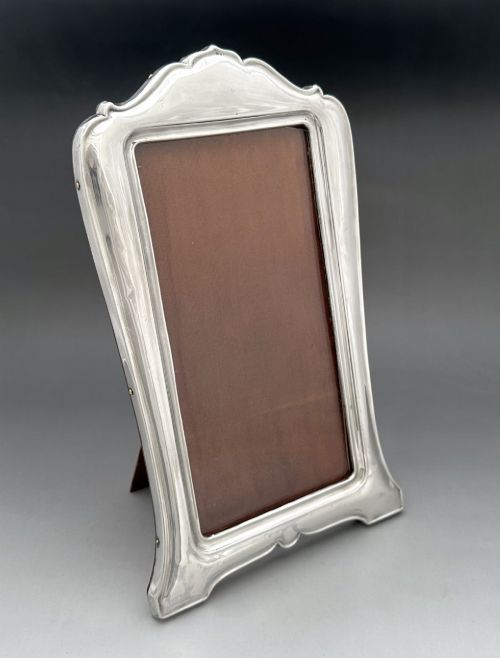
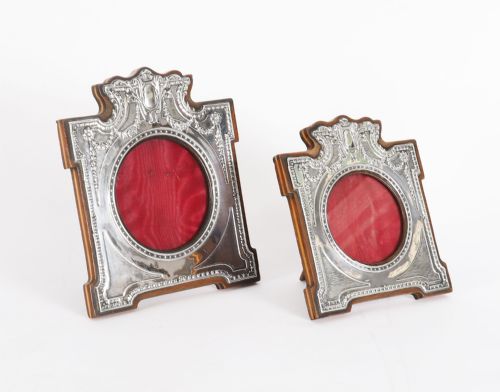
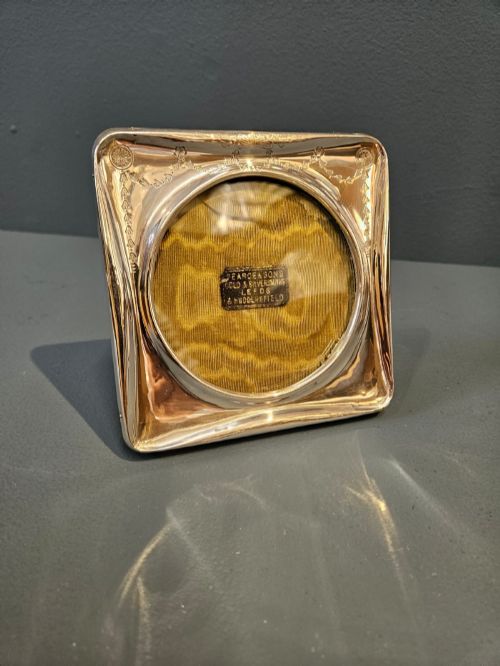
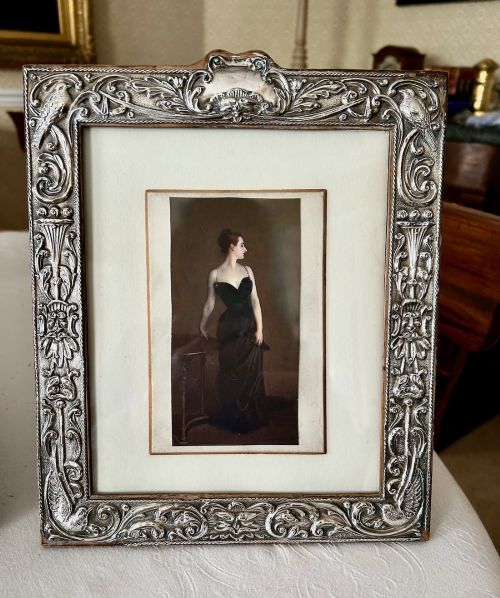
A vintage photograph holder encompasses picture frames, photo frames, and photograph frames spanning the late nineteenth century through to the mid-twentieth century. When exploring this selection, buyers most frequently encounter sterling silver and silver-plated examples shaped in distinct stylistic periods such as Edwardian, Art Nouveau, and Art Deco. These items were designed to display cabinet cards, family portraits, and snapshots in domestic settings.
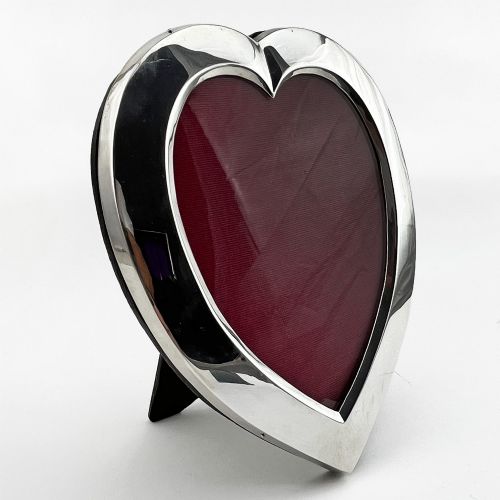
The assortment on this page ranges from single upright rectangular displays to heart-shaped novelties, double folding travel items, and multi-fold table screens. Materials extend beyond metal to incorporate wood, glass, velvet, fabric, oak, brass, and gilded bronze. Origins span English workshops in Birmingham and Sheffield alongside French makers.
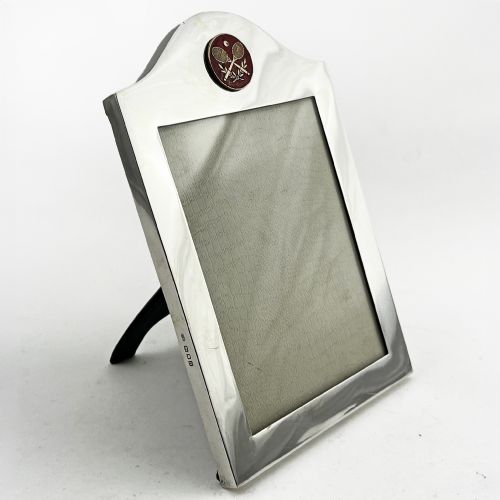
The forms adapt to changing interior fashions, shifting from ornate Victorian and Edwardian embossed motifs to sleek modernist chrome and nickel-plated designs of the 1930s. Whether housing a tennis-related souvenir or an engine-turned portrait, each piece serves its original purpose of framing personal history.
How they were made
Silversmiths utilised stamping, embossing, and engine-turning techniques to decorate metal sheets mounted onto wooden or velvet-backed structures. Sterling silver and silver-plated mounts required precise cutting and soldering around glass viewports, with hinged struts fitted securely to the reverse.
Wooden variants, including carved oak, relied on traditional cabinet-making methods to house photographs safely behind protective glass panes. Fabric and velvet linings provided a soft internal border, while specialised alloys and bronze casting accommodated French Napoleonic bee decorations and intricate Art Nouveau tendrils.
Listings span the Edwardian period through to the 1940s, featuring materials such as sterling silver, oak, glass, and velvet.
What varies in quality
The caliber of a vintage photograph holder depends upon the crispness of the metalwork embossing, the weight of the sterling silver or bronze, and the integrity of the backing materials. Superior examples retain their original bevelled glass, sturdy folding struts, and clear hallmarks indicating specific assay offices and makers.
Workmanship is further distinguished by hand-engraved detailing, such as engine-turned patterns, compared to simpler mass-produced stamping. The survival of original velvet linings and functional hinges also separates standard domestic items from finer presentation pieces.
William Comyns·Mappin Bros·Hardy Brothers·Moseley·Emile Langlois
The Vintage Photograph Holder Glossary
- Hallmark
- Official stamps punched into precious metals to indicate the standard of purity, the assay office, and the year of manufacture. These markings provide a reliable method for dating silver photograph frames.
- Engine-turned
- A decorative technique involving precise geometric patterns mechanically etched into a metal surface using a lathe. This finish was frequently applied to Edwardian and George V silver frames.
- Cabinet card
- A style of photograph popular in the late nineteenth and early twentieth centuries, mounted on card stock that dictated the dimensions of many contemporary frames.
- Embossed
- A method of raising a design in relief against a background using metalworking punches and hammers. Edwardian frames often utilised this technique for floral and scrollwork borders.
Vintage Photograph Holder: Frequently Asked Questions
How do I date a silver photo frame?
Dating a silver frame relies heavily on identifying the hallmarks stamped into the metal, which reveal the assay office and exact year of production. Stylistic clues such as Art Nouveau whiplash lines or Art Deco geometric chrome also help determine the era.
Comparing the structural format, such as wooden easel backs or six-fold configurations, further narrows down whether a piece originates from the Edwardian period or the 1930s.
How were these frames used originally?
These frames were displayed on writing desks, mantelpieces, and bedside tables to hold portraits of family members, friends, or notable personalities. Folding and travel versions allowed owners to pack photographs securely when moving between residences.
Many were given as gifts to mark specific occasions, incorporating personalised engravings or thematic motifs like sports and heraldry into their silver mounts.
How do I clean a silver photograph holder?
Cleaning silver requires a soft microfibre cloth and a reputable silver polish applied gently to avoid flattening embossed or engine-turned details. Care should be taken to keep moisture away from vintage velvet and cardboard backing materials.
For nickel-plated or chrome frames from the Art Deco era, a simple wipe with a dry or slightly damp cloth is usually sufficient to maintain the surface sheen.