

Vintage Photograph Frame
A vintage photograph frame holds a cherished portrait while anchoring a desk or mantelpiece with period craftsmanship.
Vintage Photograph Frame
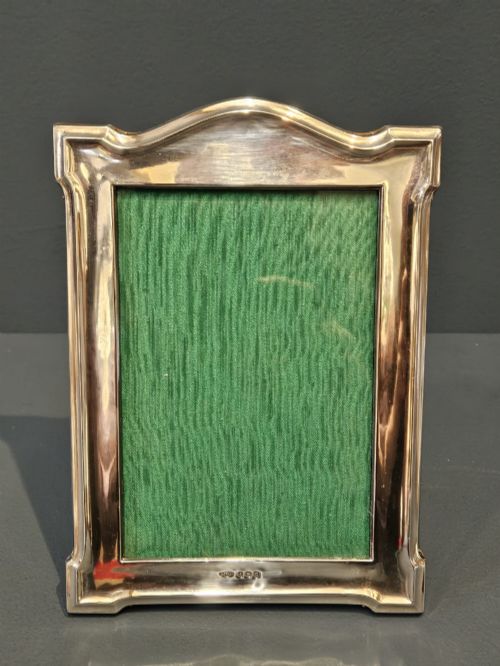
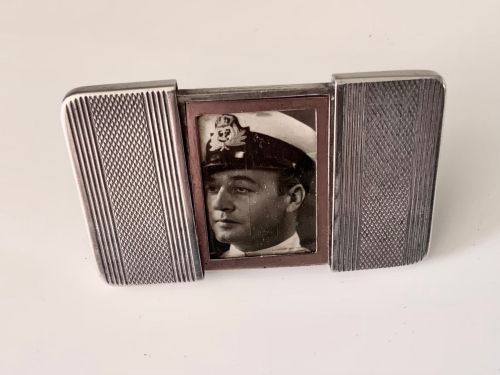
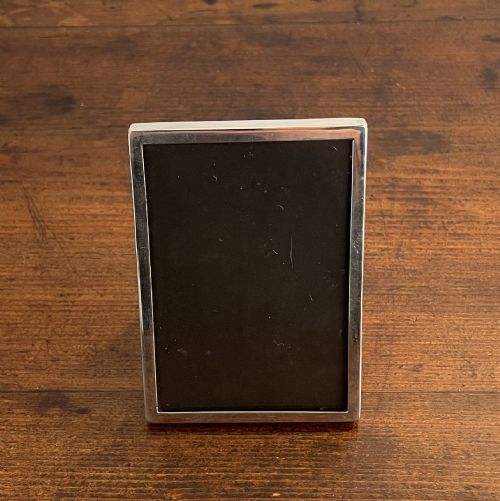
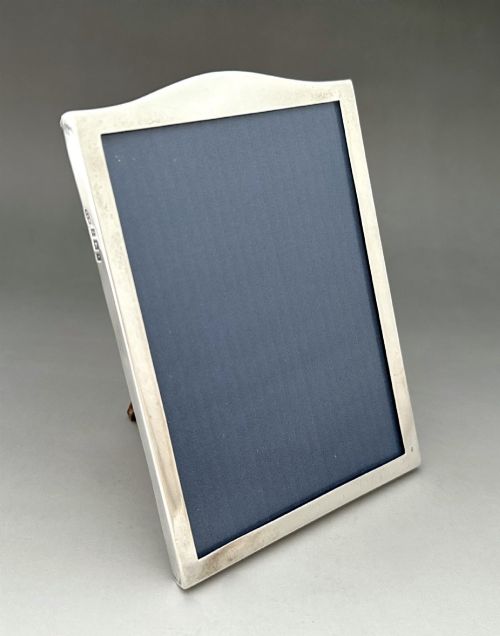
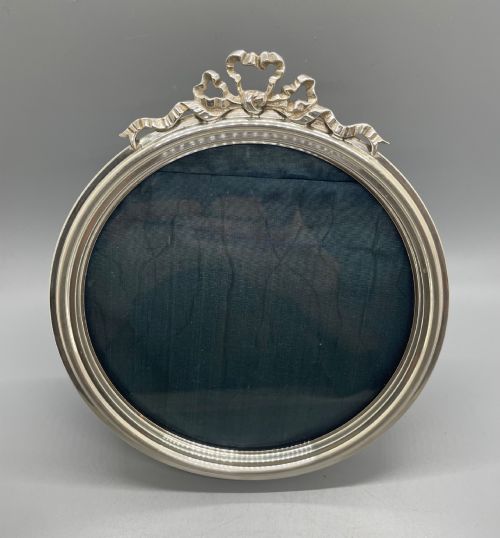
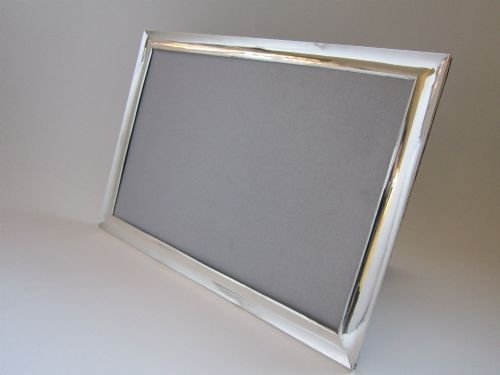
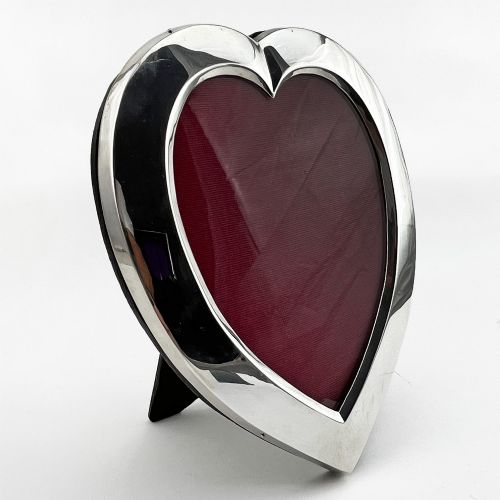
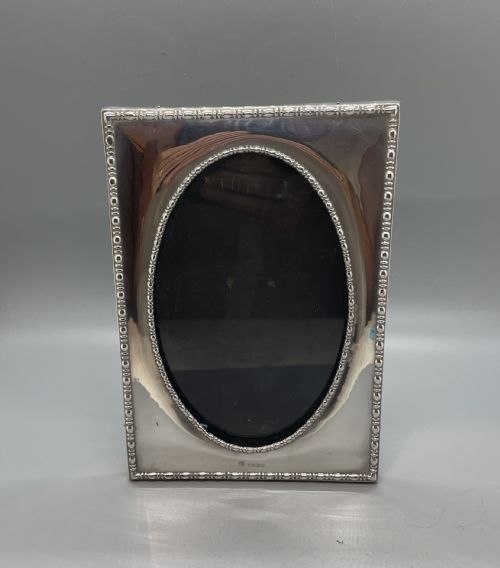
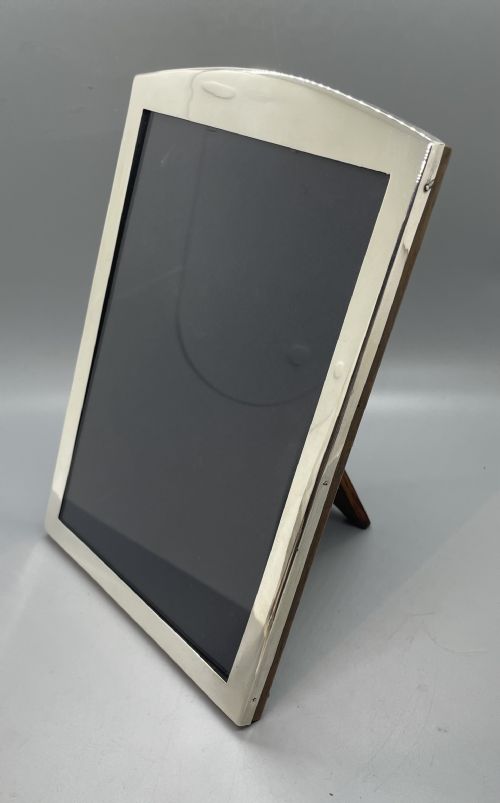
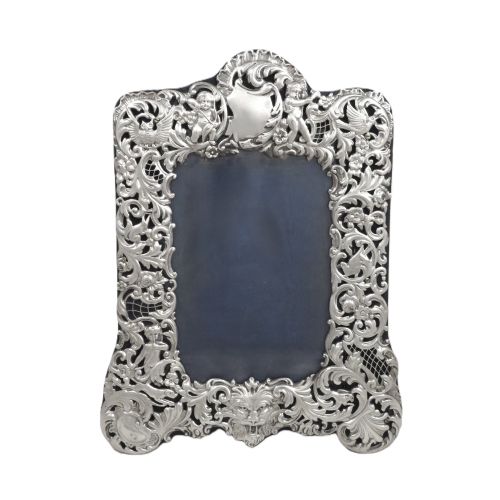
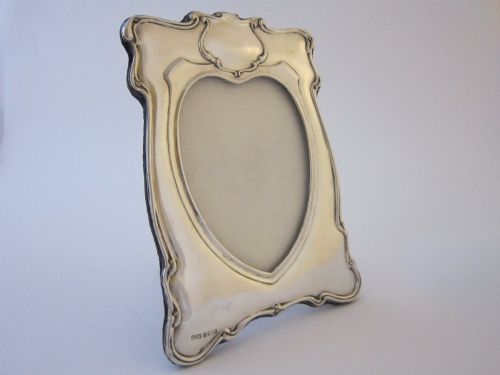
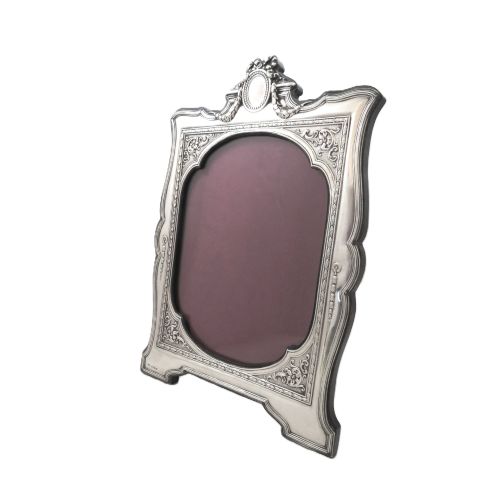
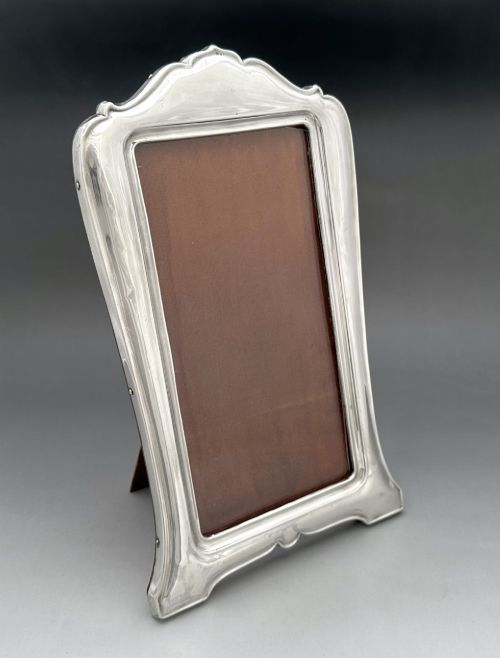
A vintage photograph frame is typically encountered as a silver or sterling silver display piece designed to house portraiture, prints or photographic contact sheets. These objects span the Victorian, Edwardian and George V eras, stretching through Art Deco designs into mid-century Italian production.
Buyers will find everything from heart-shaped frames and engine-turned rectangles to large architectural mounts and double frames. Many incorporate backing materials such as blue velvet or wood to support the display structure.
The selection ranges from intimate domestic mementos to substantial exhibition pieces bearing hallmarks from major assay towns like Birmingham and Sheffield.
Materials and Techniques
Sterling silver dominates the construction, worked into sheets that were then embossed, engraved or engine-turned with geometric and floral patterns. Silversmiths mounted these metal fronts onto supportive wooden backs lined with velvet, paper or fabric.
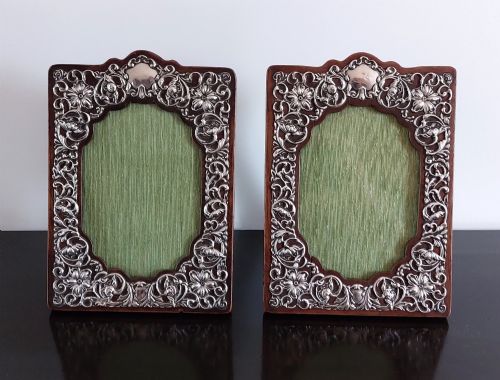
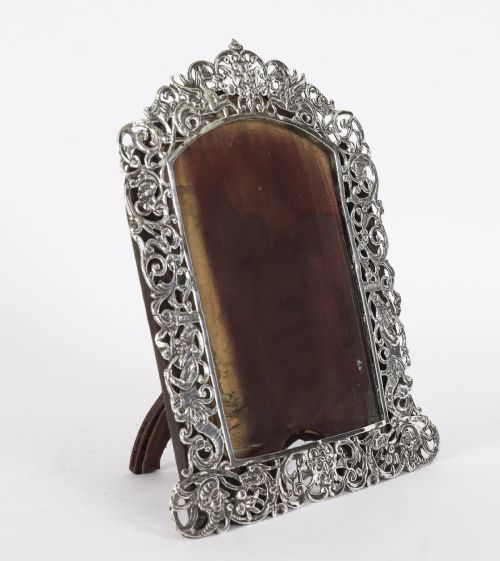
Art Nouveau examples utilise flowing organic motifs featuring cherubs, birds and botanical lines, while later Art Deco pieces pivot towards strict linear forms and nickel-plated finishes.
Vintage Photograph Frame Retail Price Guide 2026
Typical asking prices for vintage photograph frame among the pieces listed under this phrase on Sellingantiques today, from the lower quarter to the upper quarter. They describe what is for sale here now, not the wider market.
The selection here spans from 1880 Victorian items through Edwardian and George V silver pieces to 1950s Italian works.
Design and Execution
Quality rests in the crispness of the chasing and embossing, where crisp animal motifs and deep floral relief separate superior workshops from plainer production. The presence of clear assay office hallmarks and maker's marks anchors the authenticity and origin of the metal.
Subtleties such as engine-turning precision, the structural integrity of the easel back, and the retention of original velvet linings dictate the standing of an individual piece within its period.
Rosenthal, Jacob and Co·William Comyns·Mappin Bros·Henry Matthews·Pinci, Roma·Julian Mandel
The Vintage Photograph Frame Glossary
- Hallmark
- A series of official marks stamped on precious metals, indicating the maker, assay office, and year of testing. These stamps provide the primary method for dating British silver.
- Engine-turned
- A decorative technique involving precise geometric patterns mechanically engraved into a metal surface. This process creates repetitive linear textures characteristic of smart period items.
- Assay
- The testing of precious metal purity conducted by an official office before an item receives its hallmarks. Towns like Birmingham and Sheffield maintained distinct assay offices.
- Embossed
- A method where a design is raised from the reverse side of a metal sheet using hammers and punches. This technique produces high-relief ornamentation found on Victorian and Edwardian frames.
Vintage Photograph Frame: Frequently Asked Questions
How do I date a silver frame?
Dating relies heavily on the stamped hallmarks, which record the assay office and the specific year letter for testing.
Stylistic cues such as Edwardian garland motifs or Art Deco geometric lines further confirm the period of manufacture.
What backs are original to these frames?
Original backs typically consist of wood covered in rich blue velvet, dark fabric or stout paper fitted with an easel stand.
Many period pieces retain their original swivel pins and structural supports to hold the glass securely in place.
How should I clean silver frames?
Cleaning requires a soft microfiber cloth and a gentle silver polish applied sparingly to avoid damaging embossed details or velvet backs.
Harsh dips or abrasive scrubbing can strip away the aged patina that collectors value on antique metalwork.
Can these frames be wall-mounted?
While most items feature fold-out easel stands for desktop display, certain larger formats were constructed as two-way picture frames for walls.
Checking the reverse fittings reveals whether the piece supports vertical placement, horizontal display or hanging.