







Vintage Pheasant Art
Vintage pheasant art captures the spirit of the field through bronze, oil paint, and delicate embroidery from across the past two centuries.
Vintage Pheasant Art
Vintage pheasant art encompasses a diverse range of objects, from detailed oil paintings and framed prints to bronze sculptures and textile panels depicting the bird. Buyers searching for vintage pheasant art will encounter works spanning the Victorian era through the mid-twentieth century, reflecting changing artistic tastes in natural history and sporting subjects.
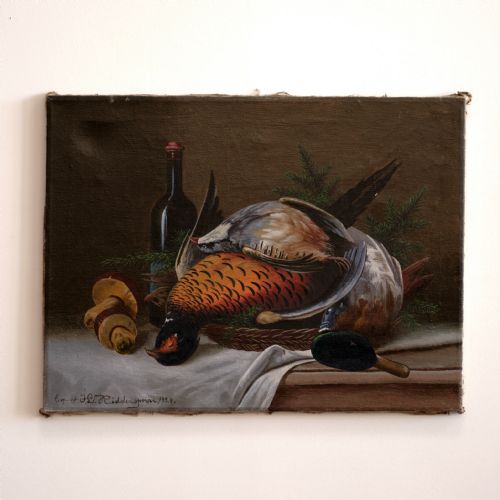
The selections available include dimensional works such as Black Forest wooden hunting trophies and Art Deco ceramic figurines alongside flat media like lithographs and watercolours. Mid-century impressionist canvases and early twentieth-century depictions demonstrate the enduring appeal of the subject across various European and Asian decorative traditions.
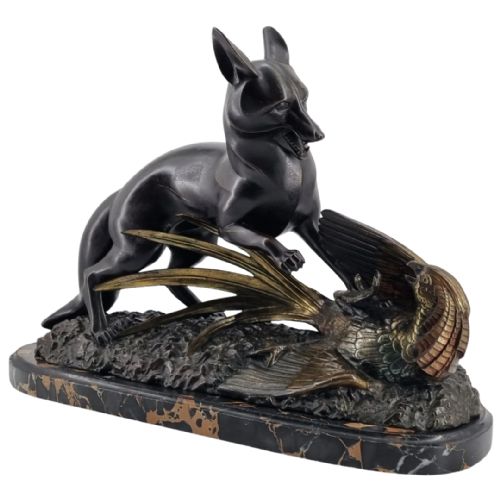
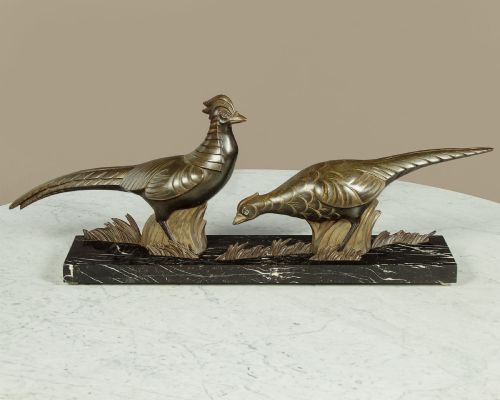
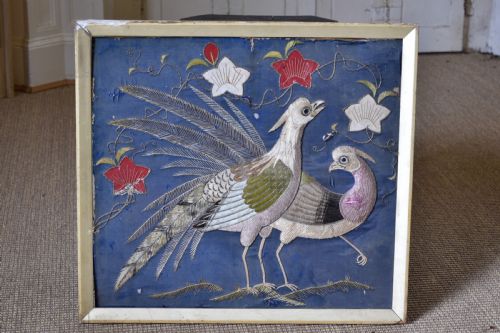
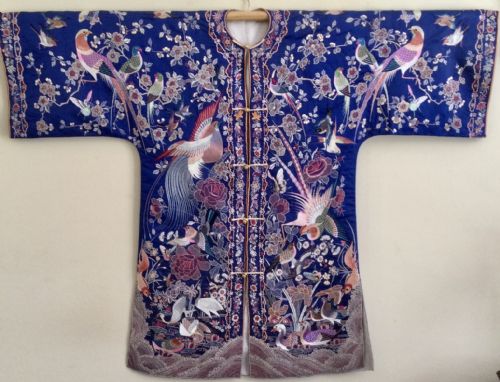
Sculptural interpretations dominate the three-dimensional offerings, often cast in bronze or modeled in ceramic to capture the distinct plumage and posture of golden and ring-necked pheasants. Meanwhile, wall art ranges from scientific bird lithographs to signed prints and classical silk art pieces.
What varies in quality
The nuance in artistic execution separates standard decorative prints from works by recognised painters and sculptors who mastered avian anatomy. Precision in rendering the iridescent feathers and natural postures dictates the visual strength of both paintings and casts.
Material integrity and the preservation of original surfaces define the standing of physical objects, particularly in carved wooden plaques and delicate silk textiles. Works bearing artist signatures or originating from established porcelain studios exhibit superior craftsmanship in every detail.
Vintage Pheasant Art Retail Price Guide 2026
Typical asking prices for vintage pheasant art among the pieces listed under this phrase on Sellingantiques today, from the lower quarter to the upper quarter. They describe what is for sale here now, not the wider market.
The listings feature works created across multiple decades, spanning from Victorian natural history studies to mid-century impressionist oil paintings.
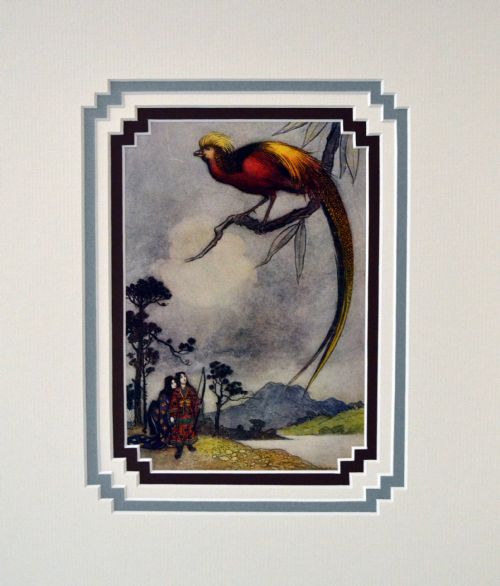
Lavroff·Warwick Goble·Stinton·Henri Joseph Pauwels·Le Manceau·Archibald Thorburn
The Vintage Pheasant Art Glossary
- Sporting art
- Depictions of rural sports, game animals, and hunting scenes that gained popularity in British and European painting traditions. These works often focus on the interaction between wildlife, dogs, and the landscape.
- Black Forest carving
- Intricate woodwork originating from central Europe, known for deep relief carving and naturalistic animal subjects. Pieces from this tradition frequently incorporate hunting motifs and foliage.
- Lithograph
- A print produced through a planographic process on limestone or metal plates, allowing for exact reproduction of fine lines and subtle colour gradations. This technique was widely used for nineteenth-century natural history illustrations.
- Impressionism
- An art movement characterised by relatively small, thin, yet visible brush strokes and an emphasis on accurate depiction of light in its changing qualities. Such paintings prioritize overall atmospheric effect over tight detail.
- Chinoiserie
- European artistic styles that reflect Chinese artistic influences, often seen in decorative silk panels and painted screens. These works incorporate traditional Eastern motifs and compositional arrangements.
Vintage Pheasant Art: Frequently Asked Questions
What periods do these pieces date from?
The collection spans the Victorian era through the mid-twentieth century, encompassing both nineteenth-century natural history illustrations and Art Deco sculptures from the nineteen-twenties and thirties.
Buyers will find that each period brought distinct materials and artistic movements to the depiction of game birds, ranging from classical oil paintings to modernist ceramics.
How are these artworks typically displayed?
Framed prints, watercolours, and silk textiles suit wall placement in studies, hallways, or dining rooms, often paired with traditional interior schemes. Three-dimensional bronze and ceramic sculptures occupy tabletops, mantelpieces, and dedicated display cabinets.
Placing sculptural hunting trophies or carved wooden plaques requires sturdy wall fixings due to the substantial weight of the materials used.
What materials were commonly used?
Artists and craftsmen utilised oil paint on canvas, watercolour and ink on paper, and printed lithographs for flat works. Three-dimensional pieces feature cast bronze, carved wood, ceramic, and marble bases.
Textile works incorporate fine silk threads and hand-stitched embroidery to create textured wall art.
How do I identify different styles?
Victorian natural history pieces focus on scientific precision and detailed plumage, whereas Art Deco works emphasise stylized geometry and sleek, dynamic forms. Impressionist and expressive paintings prioritize brushwork and atmospheric light over tight anatomical accuracy.
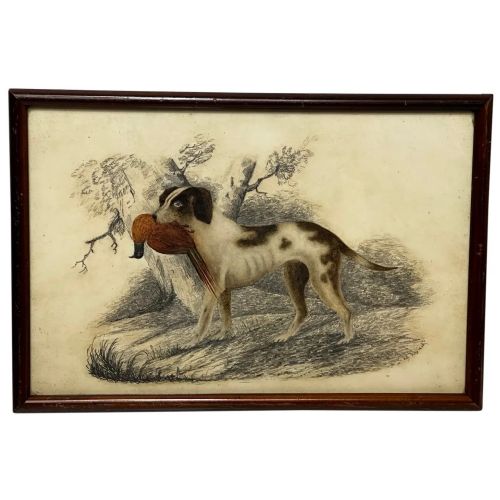
Sporting art captures birds within the context of the hunt, often including gun dogs and rural landscapes.