




Vintage Pet Painting
A vintage pet painting captures the character of an animal through traditional portraiture, offering a glimpse into past domestic lives.
Vintage Pet Painting
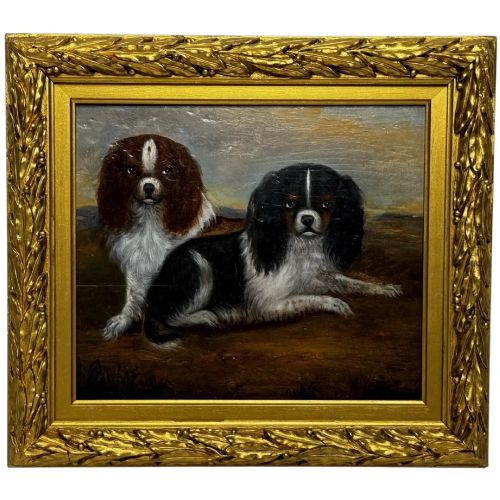
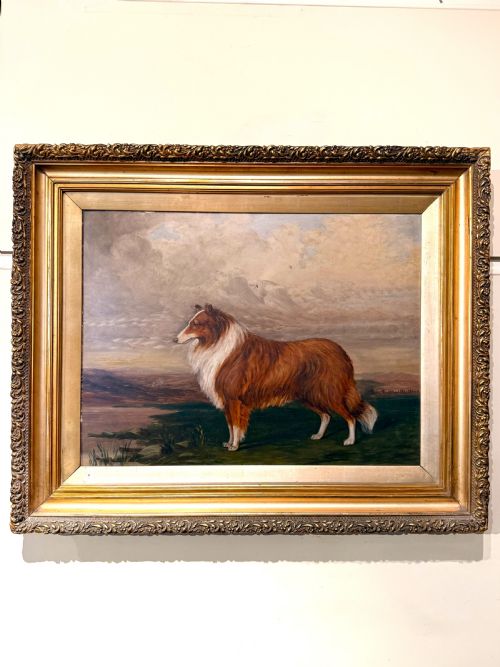
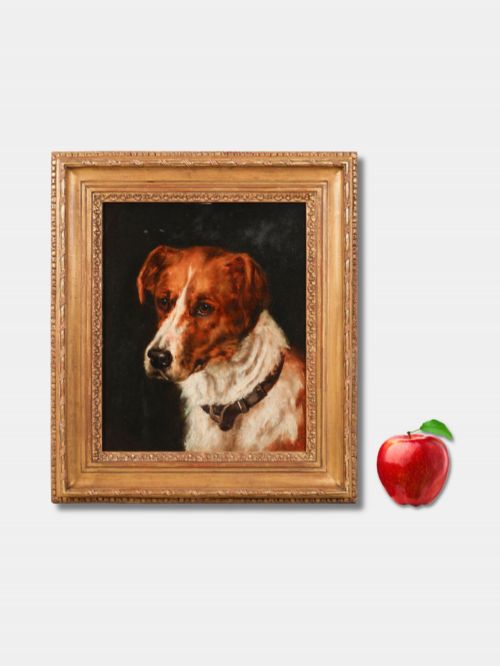
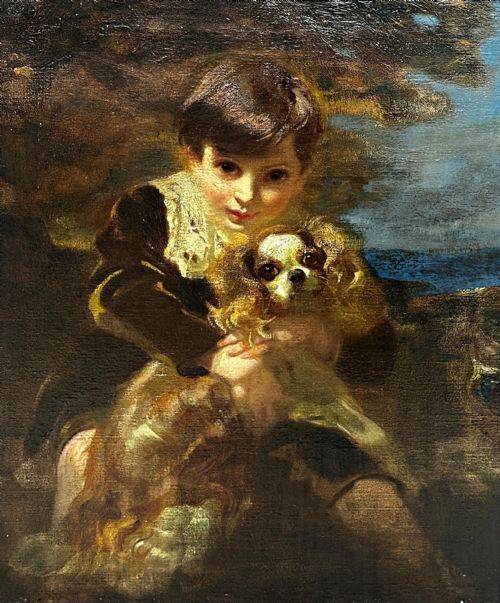
A vintage pet painting represents domestic animals, predominantly dogs and cats, captured in various settings ranging from formal interiors to simple studies. These works span periods from the nineteenth century through the mid twentieth century, encompassing styles such as Victorian realism, folk art, and naive school painting.
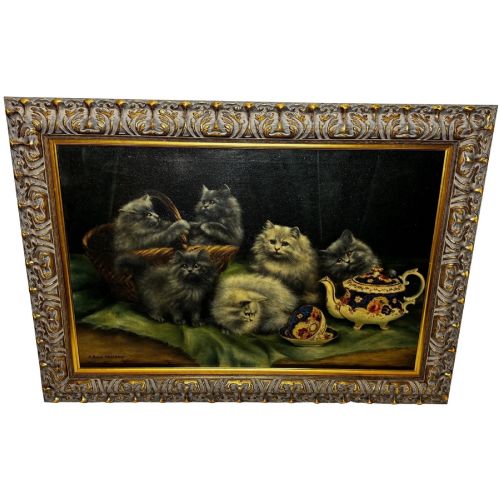
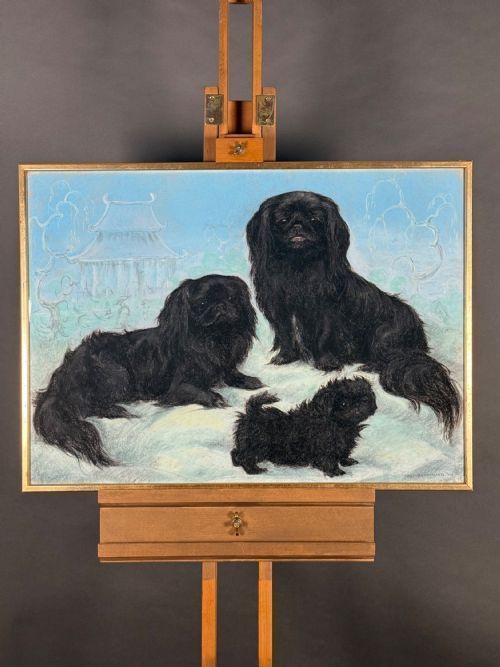
The most frequent examples on this page are oil paintings executed on canvas or board, alongside works in oil pastel and watercolour. Subjects include spaniels, terriers, pekinese, and cats with kittens, often reflecting the specific breeds favoured by their owners in past eras.
Makers and artists represented include named painters such as Agnes Augusta Talboys, William Barraud, and Florence Mabel Hollams, alongside anonymous creators working within folk art traditions. The scale typically suits domestic display, featuring original framing in materials like giltwood.
Materials and methods
The primary medium across these works is oil paint, applied to canvas, wood panels, or rigid board. Artists utilised brushes of varying fineness to render the texture of animal fur and the soft light of interior settings, sometimes employing oil pastels or watercolours on paper for more intimate studies.
Vintage Pet Painting Retail Price Guide 2026
Typical asking prices for vintage pet painting among the pieces listed under this phrase on Sellingantiques today, from the lower quarter to the upper quarter. They describe what is for sale here now, not the wider market.
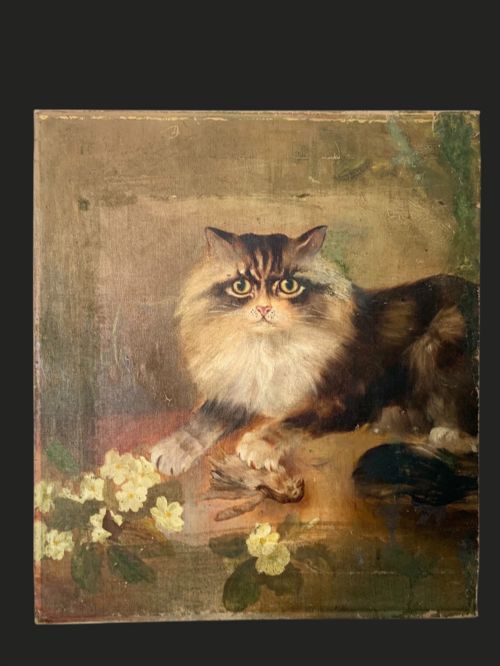
Cats appear frequently in folk art guises, including one memorable nineteenth century canvas immortalising an unhinged and delightfully demented feline.
Distinctions in quality
Quality in these animal portraits rests upon the artist's ability to render anatomical structure and individual expression rather than mere photographic likeness. Stronger works convey the distinct personality and alert posture of the subject, whether executed by a formally trained academic painter or a skilled naive hand.
The handling of medium also dictates the success of a piece, observable in how effectively the painter builds texture in fur and manages light within the background. Condition plays a role, particularly the preservation of the paint surface and the integrity of the original wood or gesso frame.
Agnes Augusta Talboys·William Barraud·M.E.Hankinson·Valentine Thomas Garland·Florence Mabel Hollams·Samuel John Carter·A. Betts·Frank Owen Salisbury·Benedict Angell Hyland
The Vintage Pet Painting Glossary
- Oil on canvas
- Pigment suspended in drying oil applied to a woven fabric stretched across a wooden frame. This surface allows for subtle blending of colours and rich texture.
- Naive school
- Art produced by individuals lacking formal academic training, often characterised by a flat perspective and direct charm. These works rely on instinctive observation rather than strict rules of proportion.
- Gesso
- A paint mixture consisting of a neutral binder mixed with chalk, gypsum, or pigment used to prepare wood or canvas surfaces. It frequently forms the base for gilded decorative frames.
- Oil pastel
- A painting and drawing medium formed from pigment mixed with a binder of oil and wax. It provides rich, buttery strokes that adhere well to paper surfaces.
Vintage Pet Painting: Frequently Asked Questions
What subjects appear in these paintings?
The artworks depict domestic animals, primarily dogs and cats, captured as solitary subjects, pairs, or groups with litters. Breeds range from spaniels and terriers to pekinese and pugs.
Many compositions place the animals within simple interiors or neutral backgrounds, while others show them interacting with their owners or resting in furnished rooms.
How do I date a pet painting?
Dating relies on stylistic clues, clothing styles of any human figures present, framing materials, and inscriptions left by the artist on the reverse of the canvas or board. Nineteenth century works often display traditional realism or naive charm.
Mid-century pieces from the nineteen-forties and fifties introduce different tonal palettes and modern board supports. Examining the stretcher frames and canvas weave provides further chronological context.
Where should I hang these artworks?
These paintings suit traditional living spaces, studies, or hallways where their domestic subject matter can be appreciated at close range. Smaller board and canvas formats fit easily into gallery walls alongside other framed works.
Protect the pieces from direct sunlight and excessive moisture to preserve the oil paint and historical wooden frames.
How do folk art portraits differ from fine art?
Folk art and naive school pieces prioritise direct expression and bold character over strict anatomical accuracy and academic perspective. They often feature charming, simplified representations of animals.
Fine art examples by named painters demonstrate formal training through sophisticated handling of light, shadow, and precise rendering of fur texture.