


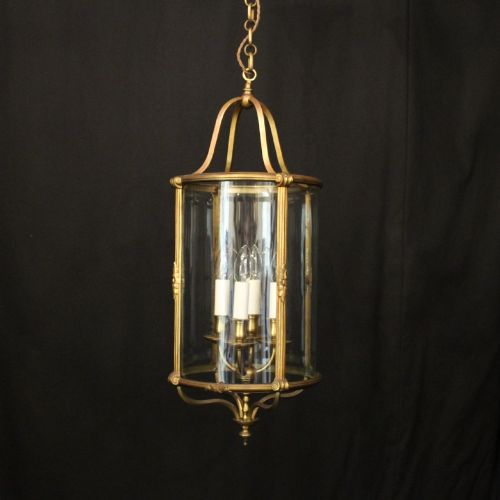
Vintage Pendant Lamp
A vintage pendant lamp brings focused overhead illumination and distinct period character to a room, spanning styles from industrial metal to ornate French gilt bronze.
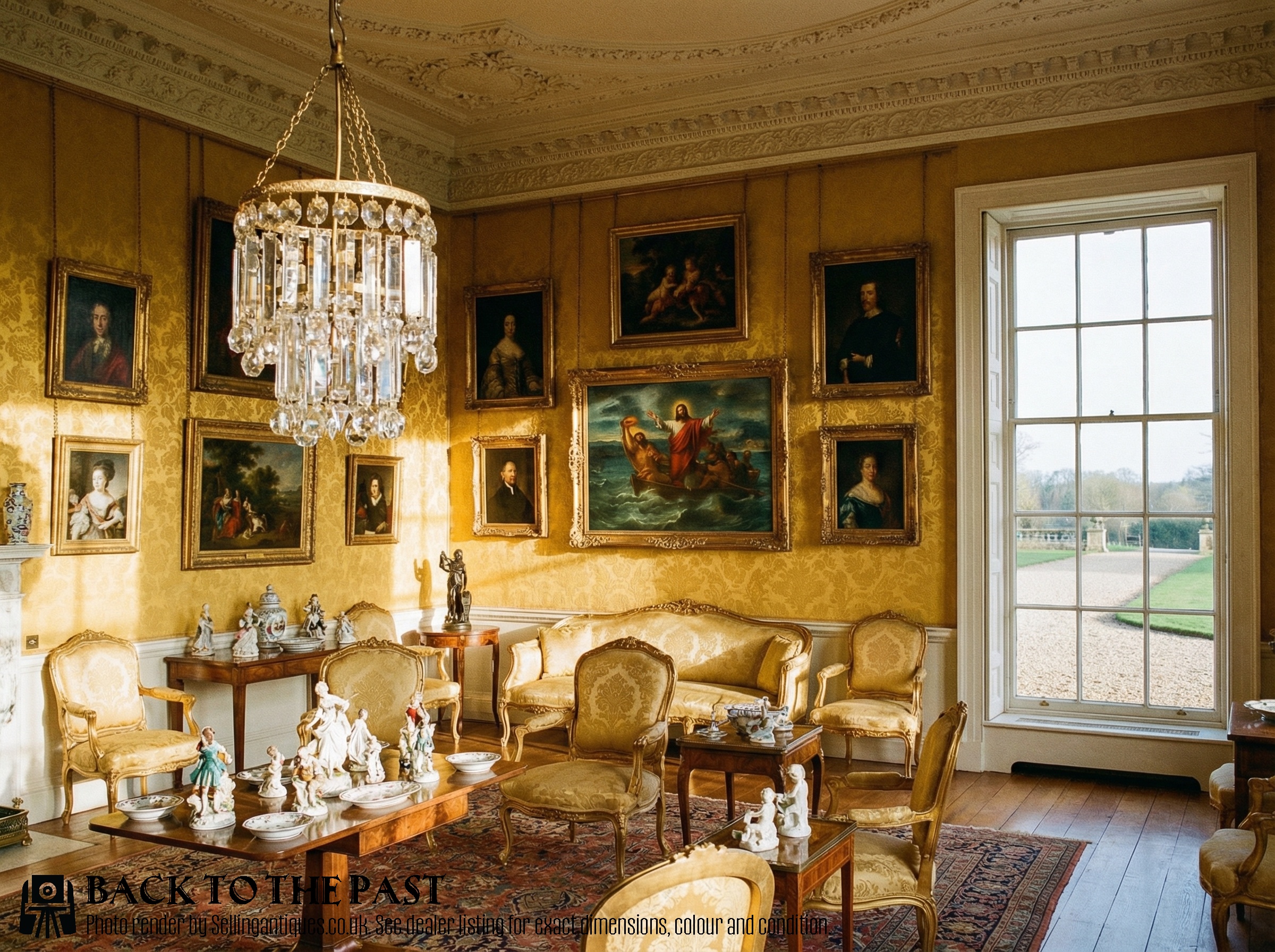
Vintage Pendant Lamp
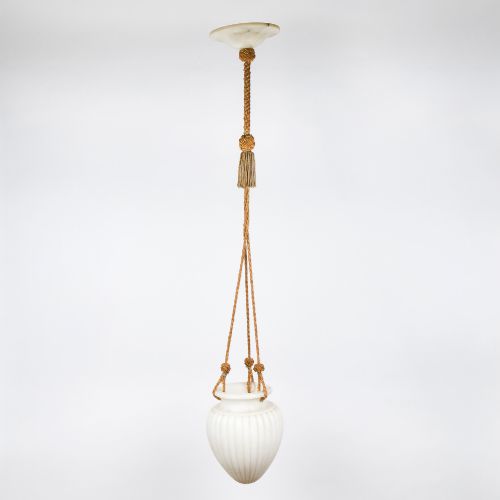
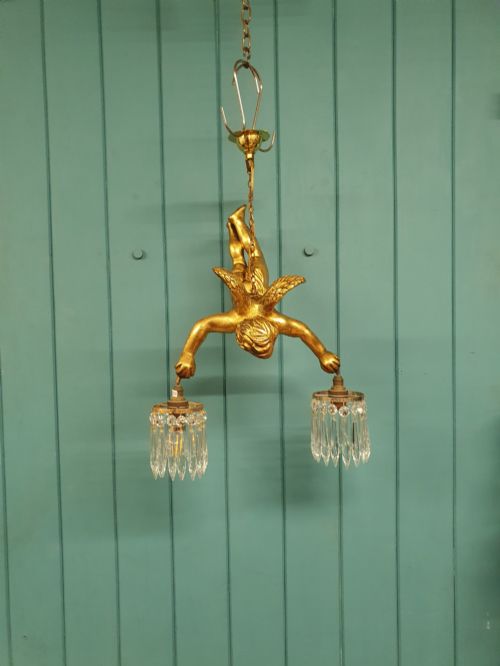
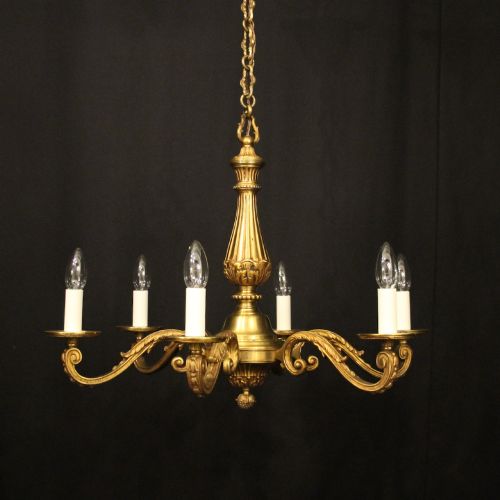
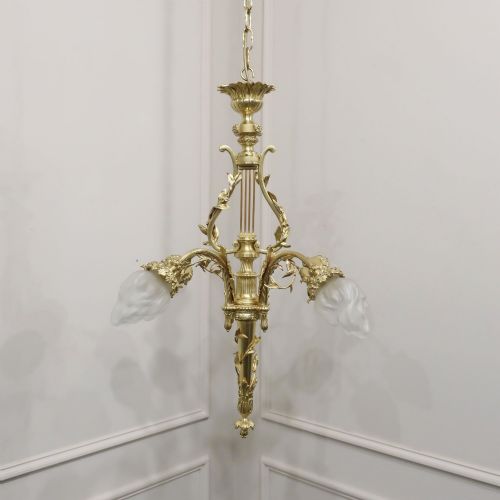
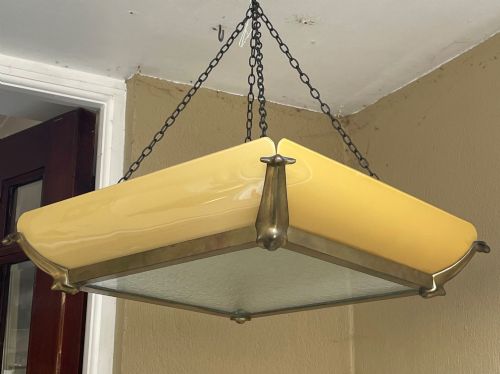
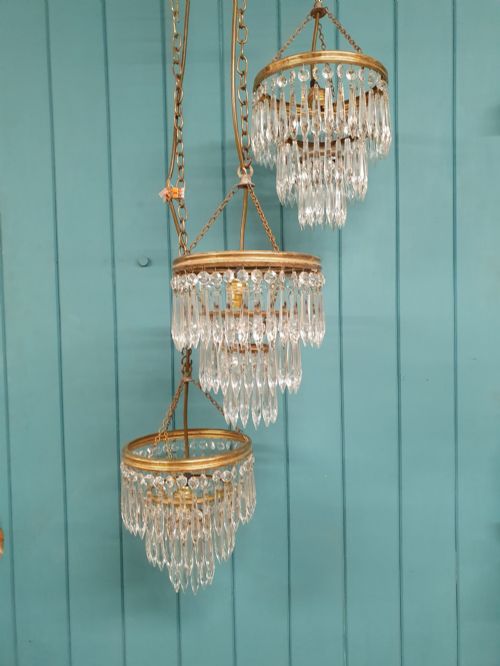
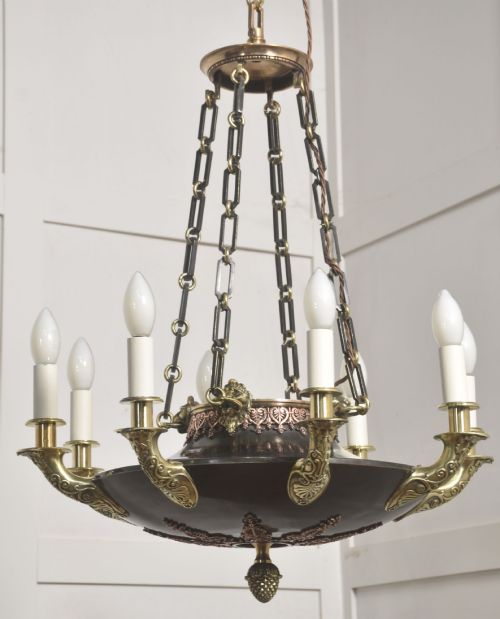
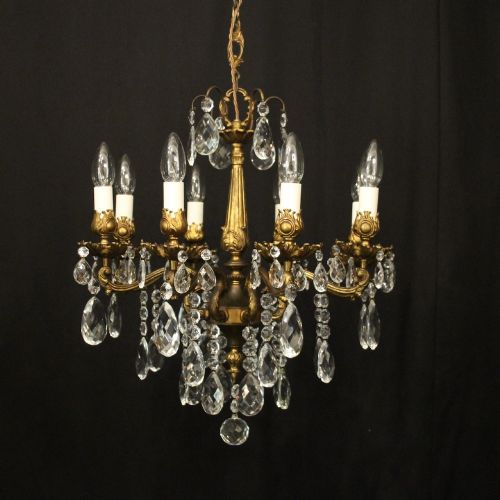
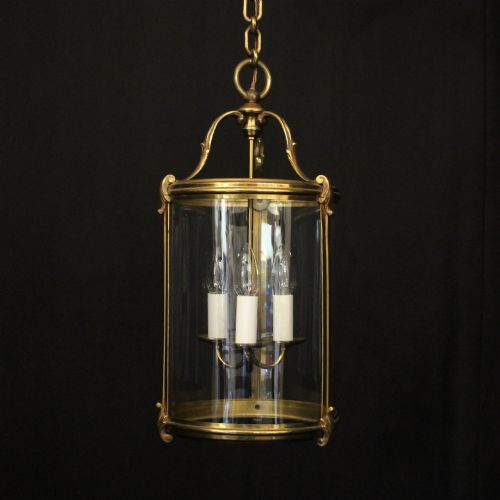
A vintage pendant lamp covers a wide spectrum of overhead hanging fixtures, encompassing single-bulb ceiling lights, glass globes, industrial metal shades, and multi-armed chandeliers from the Victorian era through the 1930s. When searching for this phrase, buyers encounter everything from modest brass hall lanterns to elaborate French empire style crystal waterfall chandeliers and art deco slip shade designs.
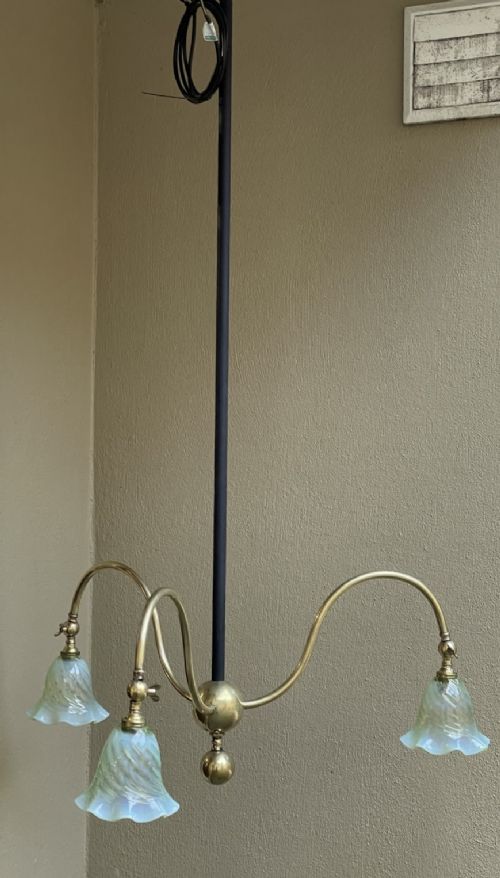
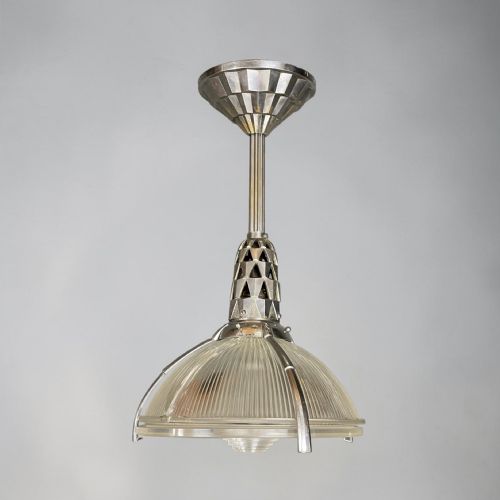
The selection on this page draws heavily from early twentieth-century production, incorporating Edwardian brass frames, 1920s French gilded bronze work, and 1930s industrial lighting. Forms range from simple opaline painted hanging oil lamp shades to complex multi-light fixtures salvaged from municipal buildings.

Materials and construction
These fixtures rely on a foundation of cast or spun metals, primarily brass, copper, and gilt bronze, paired with various treatments of glass including cut crystal, opaline, and leaded panes. Frames are joined by mechanical fixings, while decorative elements utilise cast spelter or gilded metalwork shaped into styles from French rococo to clean art deco geometries.
Glass components are mouth-blown, moulded, or hand-cut, yielding diffusing shades and light-catching crystal spikes or droplets. Metal surfaces receive patination, plating, or gilding to achieve their finished appearance.
Vintage Pendant Lamp Retail Price Guide 2026
Typical asking prices for vintage pendant lamp among the pieces listed under this phrase on Sellingantiques today, from the lower quarter to the upper quarter. They describe what is for sale here now, not the wider market.
Materials recorded across the inventory include brass, copper, gilt bronze, opaline glass, and cut crystal.
Assessing quality and craftsmanship
Quality reveals itself in the weight and thickness of the metal components, the precision of the casting, and the clarity of the glass or crystal drops. Heavier cast brass and bronze frames hold their structural integrity better over time than thin pressed metals.
Finer examples show hand-chiselling on gilt bronze mounts, crisply cut facets on crystal prisms, and substantial mounting hardware designed to support the weight of the fixture securely.
Émile-Jacques Ruhlmann·VESTARAY
The Vintage Pendant Lamp Glossary
- Plafonnier
- A ceiling-mounted or close-hanging glass bowl light that sits flat against or very near the ceiling.
- Opaline glass
- An opaque or translucent white glass popular in the nineteenth and early twentieth centuries for diffusing light softly.
- Spike chandelier
- A vertical hanging fixture featuring radiating glass crystal spikes or spears arranged around a central stem.
- Slip shade
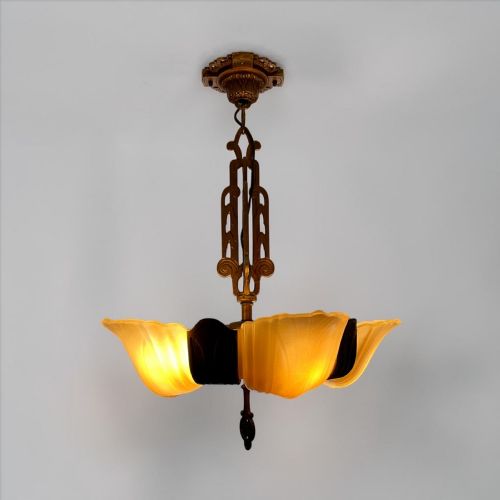
- A type of moulded glass shade that slides into a metal frame, commonly found on 1930s art deco ceiling lights.
- Gilt bronze
- Metal cast in bronze and treated with a gold leaf or mercury gilt finish, frequently seen in French antique chandeliers.
Vintage Pendant Lamp: Frequently Asked Questions
How do I hang a heavy vintage pendant?
Heavy fixtures require direct anchoring to a ceiling joist using a steel hanging strap or hook capable of supporting the combined weight of the metal frame and glass components.
Wiring should be assessed by a qualified electrician to ensure the vintage internal components meet current safety standards before installation.
How do I clean vintage glass shades?
Remove delicate glass shades or crystal drops from the metal frame whenever possible to wash them gently in lukewarm water with mild soap.
Avoid submerging wired metal components or using abrasive cleaners that can damage original gilding or patinated brass surfaces.
Can I adjust the hanging height?
Many pendant lights use chain or rigid rods that can be shortened by removing links or tubing to suit your ceiling height.
Ensure any adjustments maintain proper clearance above foot traffic while keeping the mounting canopy secure against the ceiling.
What is the difference between an Edwardian and Art Deco pendant?
Edwardian fixtures tend to draw on traditional motifs like brass framing, cut glass, and softer floral or neoclassical influences typical of the early 1900s.
Art deco pieces from the 1920s and 1930s favor geometric lines, streamlined metalwork, and frosted slip shades that reflect modernist design principles.