


Vintage Pen Landscape
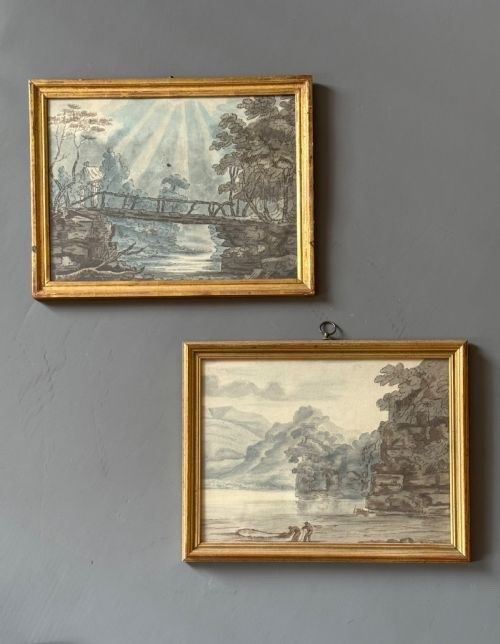
These vintage pen landscape works combine delicate ink lines with watercolour, pastel, and gouache across periods from the nineteenth century to the mid-twentieth century.
Vintage Pen Landscape
When you search for vintage pen landscape pieces, you encounter original works on paper, drawings, and sketches created by artists recording British and international scenes. The examples gathered here include framed paintings and desk accessories such as antique Chinese brush pots, alongside specific topographical views of Yorkshire and Venice.
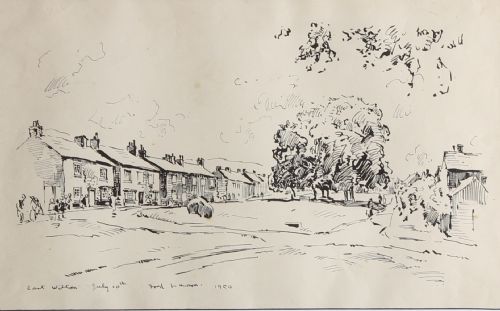
The selections span the nineteenth century, early twentieth century, and mid-century modern British periods. You are most likely to meet works by artists like Fred Lawson, whose ink and watercolour drawings capture rural architecture and village life from the nineteen-thirties to the nineteen-sixties.
These works function as original artwork and wall art, recording specific locations from Low Fell to Bolton Castle. The materials range from simple pen and ink on paper to more complex compositions layered with pastel and gouache.
How they were made
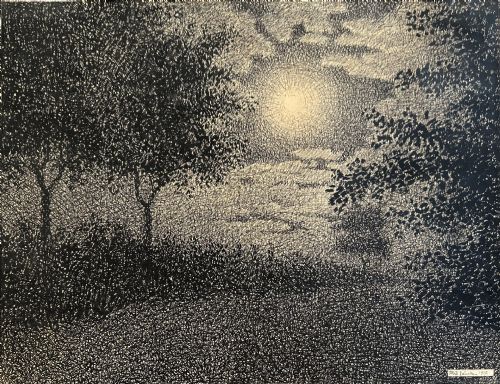
The foundational technique relies on ink applied to paper using pens, creating precise lines that define buildings, foliage, and topography. Artists frequently combined this linear ink work with washes of watercolour to add tone and atmosphere.
Some works incorporate pastel and gouache to build heavier opaque highlights and richer colour fields over the initial ink drawing. Additional framing materials utilise wood and glass to protect these delicate works on paper.
Materials recorded across these listings include ink, paper, watercolour, wood, glass, bamboo, pastel, and gouache.
What varies in quality
The distinction between standard and superior pieces rests on the confidence of the initial pen line and the subtlety of the watercolour or gouache application. Works that retain crisp ink definition alongside well-preserved paper tones represent the stronger end of the range.
Context also defines standing, with named artists providing verifiable provenance compared to anonymous school pieces. The complexity of the subject matter, from simple architectural sketches to multi-media Venetian scenes, further separates the items.
Fred Lawson·John Smith Atherton
The Vintage Pen Landscape Glossary
- Gouache
- An opaque water-based paint that provides solid, matte colour coverage. It is frequently combined with transparent watercolour and ink in these landscapes.
- Watercolour
- A paint consisting of pigment suspended in a water-based solution, applied in translucent washes over ink drawings. This technique allows light from the paper to reflect through the pigment.
- Pastel
- A medium consisting of powdered pigment and a binder, rolled into sticks for drawing. It creates soft, velvety colour effects on paper.
- Brush pot
- A cylindrical desk accessory used in traditional scholarship to hold writing brushes. Examples are carved from materials like bamboo or wood.
- Works on paper
- A collective category encompassing drawings, sketches, watercolours, and ink studies created on a paper support.
Vintage Pen Landscape: Frequently Asked Questions
What is a vintage pen landscape?
A vintage pen landscape is an original drawing or painting utilising ink lines to depict topographical views, architectural scenes, or rural countryside.
These works date from the nineteenth and twentieth centuries, capturing specific locations through the hand of individual artists and schools.
How were these drawings displayed?
These works on paper are typically presented behind glass within wooden frames to protect the delicate ink and watercolour mediums from environmental damage.
Desk accessories like brush pots serve a functional purpose for holding writing tools while incorporating carved decorative landscape motifs.
Who made these drawings?
The pieces originate from named twentieth-century artists such as Fred Lawson and John Smith Atherton, alongside anonymous school works from various periods.
Their creators observed specific locations in Britain and abroad, recording village streets, castles, and city minsters.
How do I date a drawing?
Dating relies on stylistic markers within the art, the nature of the paper support, framing materials, and inscribed dates or signatures left by the artist.
Periods represented range from the nineteenth century through mid-century modern movements.
What materials are used?
The primary mediums include ink and paper, frequently augmented with watercolour washes, pastel, and gouache.
Additional physical components include wooden frames, protective glass, and carved organic materials such as bamboo and wood for desk items.