



Vintage Pen and Ink
Vintage pen and ink pieces capture the immediacy of hand-drawn lines, encompassing original illustrations, desk stands, and writing instruments.
Vintage Pen and Ink
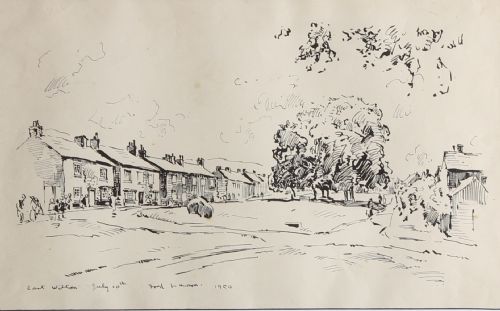
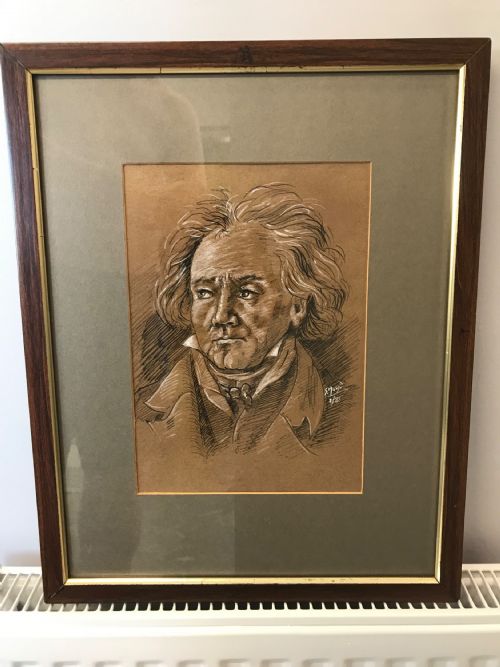
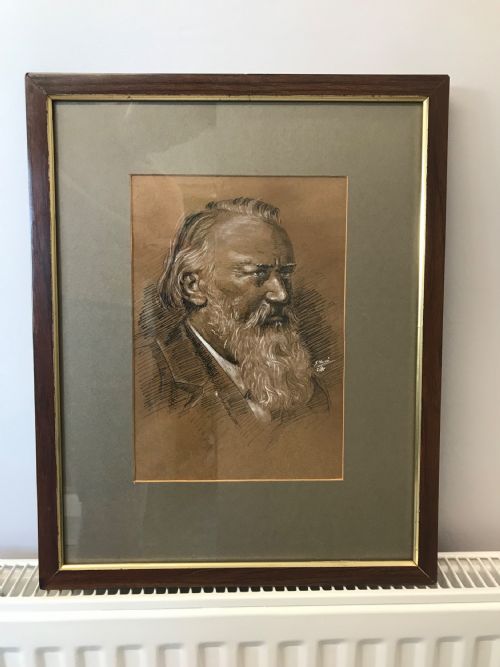
Vintage pen and ink covers two distinct categories on this page: original works on paper such as landscape drawings and portraits, and the desk accessories used to create them.
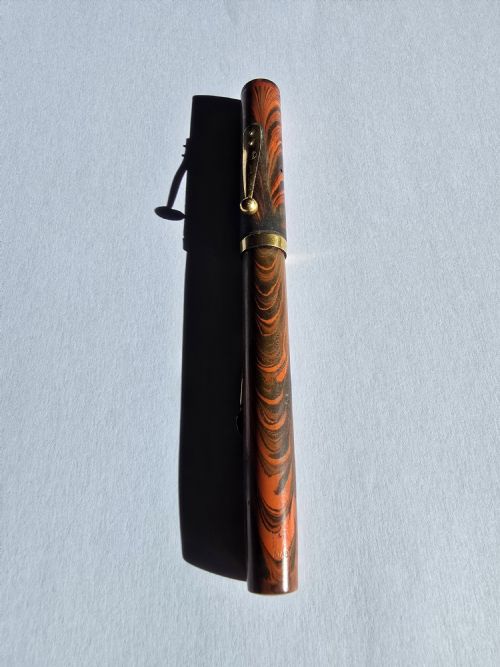
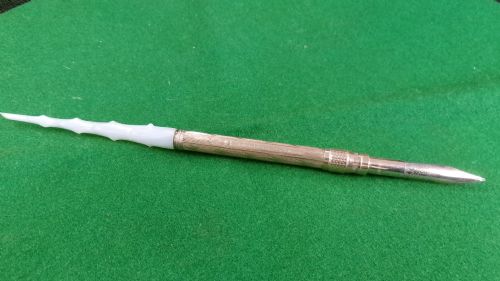
Buyers encounter framed artwork and drawings alongside inkstands, inkwells, dip pens, and fountain pens originating from the nineteenth century through the mid-twentieth century.
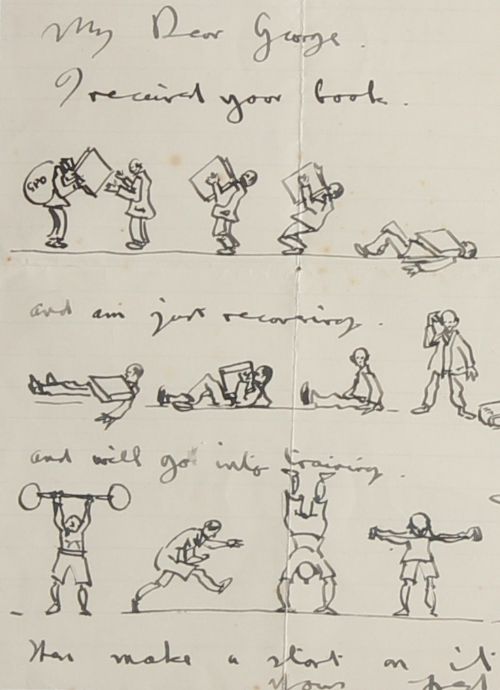
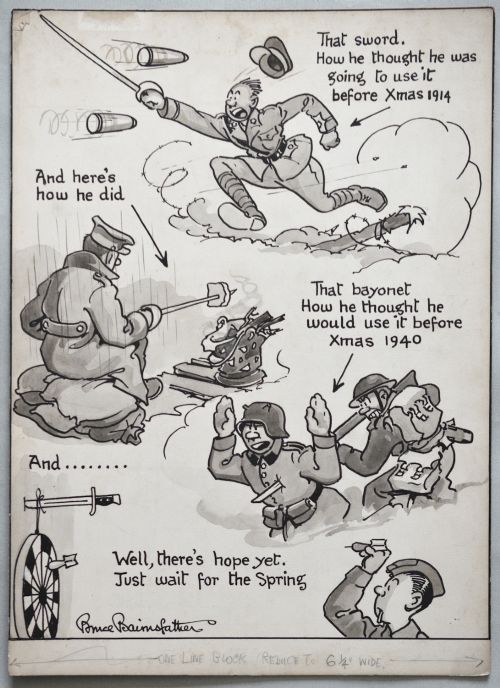
The works on paper range from detailed architectural renderings and battle scenes to character studies by named artists like Fred Lawson and Louis Wain.
Materials and construction
Works on paper utilise ink combined with watercolour wash, gouache, or pastel on traditional paper supports, capturing hand-drawn strokes directly from the artist's hand.
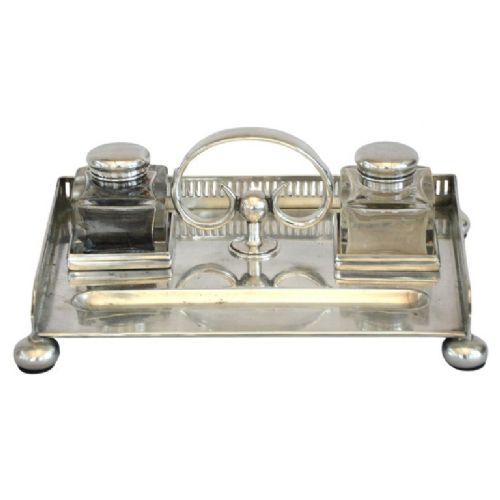
Desk accessories combine metalwork in brass, silver plate, sterling silver, and copper with glass inkwells, porcelain, carved onyx, and papier-mâché.
Many desk pieces incorporate fitted glass pots, pen rests, and hinged lids, reflecting period manufacturing techniques from English, French, and Dutch workshops.
Listings feature works on paper spanning from the nineteenth century to the mid-twentieth century, alongside desk accessories in brass, silver plate, and porcelain.
Assessing quality in pen and ink pieces
Quality in drawings depends on the clarity and confidence of the ink line, the preservation of the paper support, and the presence of artist signatures or documented provenances.
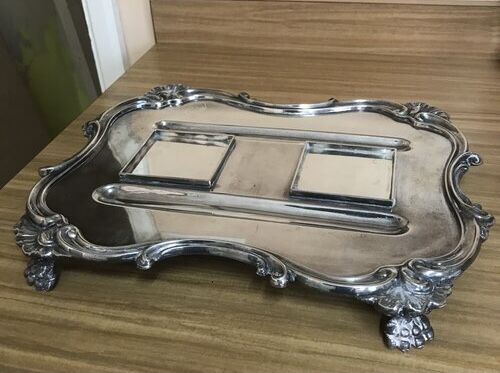
For desk stands and inkwells, superior examples show robust construction in materials like heavy silver plate, champlevé enamel, or cast brass, accompanied by matching original glass inserts.
Waterman Ideal·Mabie Todd and Co·Walker And Hall·Harrods·James Cartland and Sons·Zimmermann
The Vintage Pen and Ink Glossary
- Inkstand
- A fitted tray or stand holding one or more inkwells, often featuring integrated pen rests and stamp compartments. These desk accessories formed the centrepiece of a nineteenth-century writing desk.
- Wash
- A technique where ink or watercolour is diluted with water to create translucent, tonal layers of shading behind the primary pen lines. This method adds depth to architectural drawings and landscape studies.
- Dip pen
- A writing instrument consisting of a nib mounted in a handle, requiring manual dipping into an inkwell before each line of writing. Unlike fountain pens, they lack internal ink reservoirs.
- Desk tidy
- A multi-purpose desk accessory designed to hold stationery, pens, and inkwells in a single structured unit. They often incorporate wooden, papier-mâché, or silver-plated frames.
- Pen wipe
- A small textile or metal accessory used to clean excess ink from nibs during writing or drawing. Victorian examples frequently took decorative animal forms such as pheasants.
Vintage Pen and Ink: Frequently Asked Questions
How do I care for antique works on paper?
Keep drawings out of direct sunlight to prevent the ink and paper from fading over time. Framing them behind UV-filtering glass helps protect the delicate media from environmental damage.
Store loose works in acid-free archival sleeves within a flat file or portfolio box. Maintaining stable indoor humidity prevents the paper stock from warping or developing foxing spots.
What is the difference between an inkwell and an inkstand?
An inkwell is a single small vessel designed specifically to hold liquid ink, often featuring a hinged lid to prevent evaporation. They are frequently made of cut glass, brass, or porcelain.
An inkstand is a larger desk set that incorporates one or more inkwells alongside integrated pen trays, stamp boxes, and blotters. These pieces served as permanent, decorative fixtures on writing desks.
How can I date a vintage desk stand?
Examine the materials, manufacturing techniques, and style markers present in the object's construction. Papier-mâché and heavy cast brass are common in nineteenth-century pieces, while silver hallmarks provide precise assay office dates.
Stylistic cues also offer clear indications of age, such as organic flowing motifs for Art Nouveau pieces or geometric lines for Art Deco items.
Are antique dip pens still usable?
Many antique dip pens remain fully functional if the metal nib is clean and free of corrosion. Steel and gold nibs can write smoothly when paired with modern fountain pen inks.
Users should inspect the nib for splits or severe rust before attempting to write. Rinsing the nib thoroughly after each use preserves the metal.