

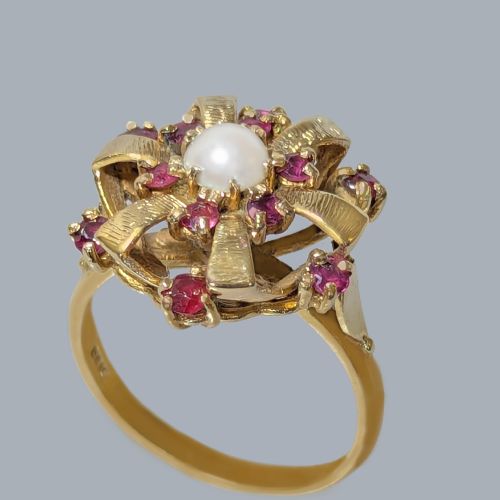


Vintage Pearl Cluster Ring
A vintage pearl cluster ring combines organic lustre with historic precious metals, bringing centuried elegance straight to the hand.
Vintage Pearl Cluster Ring
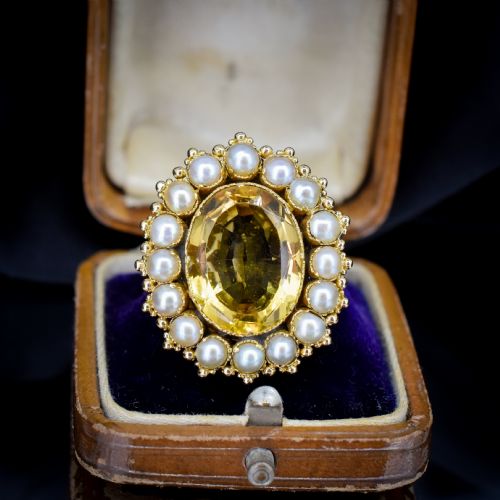
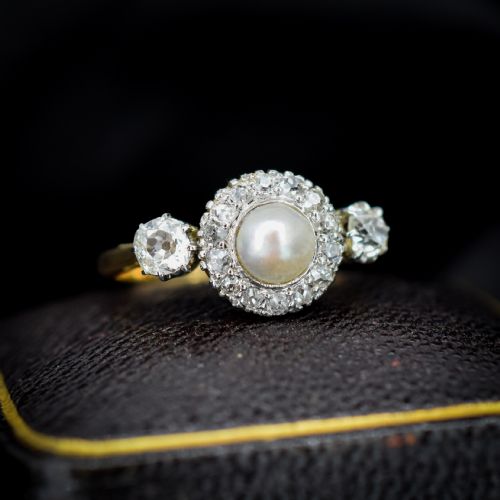
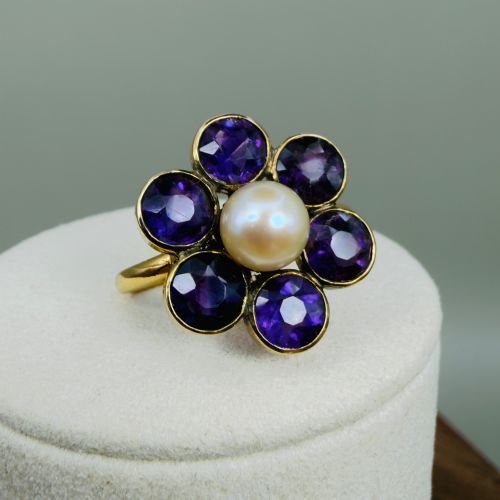
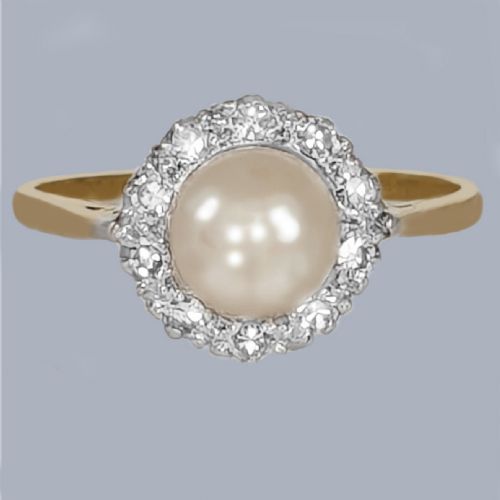
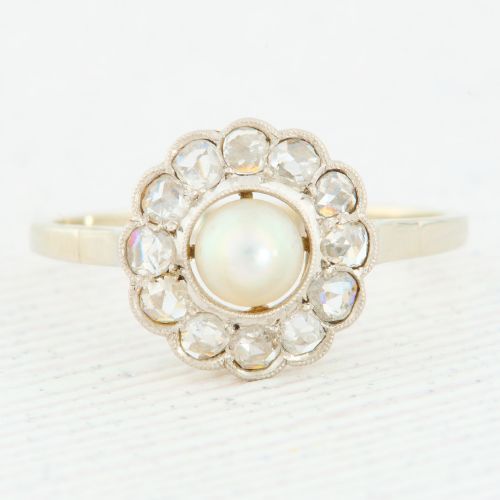
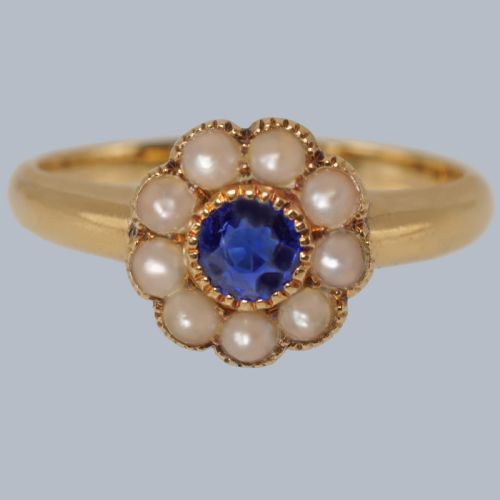
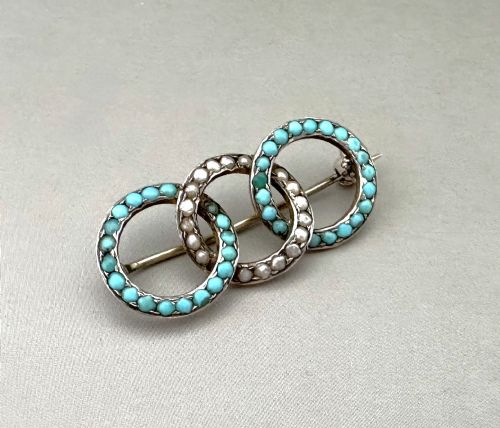
A vintage pearl cluster ring centres on a lustrous pearl surrounded by a distinct halo of smaller gemstones or secondary pearls. Buyers searching for a vintage pearl cluster ring encounter diverse forms shaped by the Victorian, Edwardian, Art Deco and Mid-Century periods. These pieces frequently pair pearls with old-cut diamonds, garnets, amethysts, rubies or turquoise arranged in floral or geometric button patterns.
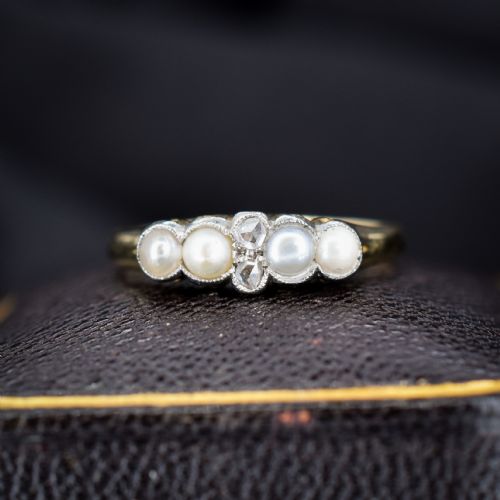
Edwardian and late Victorian examples dominate the available selection, often uniting split pearls or natural pearls with yellow gold and platinum settings. Mid-century and later 1960s iterations introduce alternative hallmarks and brighter white gold frames while maintaining the central pearl focus.
Construction and materials
Goldsmiths utilised 18ct yellow gold, rose gold, platinum and occasionally silver gilt to construct these intricate settings. Pearls, including natural and seed varieties, sit alongside rose-cut or old-cut diamonds and coloured gemstones secured by delicate claw or bezel mounts.
Metalwork techniques evolved from heavy Victorian yellow gold foundations to lighter Edwardian platinum-topped gold wirework and Art Deco geometric channels, supporting the clustered stones around the central orb.
Vintage Pearl Cluster Ring Retail Price Guide 2026
Typical asking prices for vintage pearl cluster ring among the pieces listed under this phrase on Sellingantiques today, from the lower quarter to the upper quarter. They describe what is for sale here now, not the wider market.
Victorian jewellers occasionally secreted tiny hair compartments beneath the pearl cluster for sentimental mourning tokens.
Assessing the work
Quality rests upon the uniformity and orient of the pearls alongside the matching and cut of the surrounding cluster stones. Better examples display secure bead settings, minimal wear to the gold shanks, and well-preserved nacre on the central pearl.
The precision of the stone arrangement separates standard production from finer masterwork, where symmetrical halo spacing and original hallmarks remain intact through decades of wear.
The Vintage Pearl Cluster Ring Glossary
- Cluster ring
- A ring featuring a central gemstone surrounded by a group of smaller stones. This layout maximises visual impact and light reflection.
- Split pearl
- A natural pearl sliced in half and glued flat-backed to a metal base. This technique was common in Victorian jewellery.
- Old-cut diamond
- A hand-faceted diamond cut before modern machinery standardised proportions. These stones exhibit smaller tables and open culets.
- Seed pearl
- A very small natural pearl, often undrilled or half-drilled, used densely in tight pavé patterns during the nineteenth and early twentieth centuries.
- Hallmark
- An official stamp indicating the purity of the precious metal and the place or year of assay. English assay offices used distinct town marks.
Vintage Pearl Cluster Ring: Frequently Asked Questions
Are these pearls natural or cultured?
The inventory spans both natural saltwater pearls from older antique eras and cultured varieties seen in later mid-century designs. Each period utilised the pearl harvesting methods available at the time of manufacture.
Microscopic examination of the drill holes and internal structure often reveals the origin of the pearl.
Can I wear my cluster ring daily?
While durable metals like 18ct gold and platinum form the bands, pearls possess a lower hardness rating than diamonds or gemstones. Careful daily wear is possible if you remove the ring during manual tasks.
Protecting the piece from knocks prevents the central pearl or surrounding cluster stones from loosening in their antique settings.
How do I date an Edwardian pearl ring?
Edwardian pieces typically combine platinum-topped gold with lace-like openwork metal construction. Natural pearls paired with old-cut diamonds frequently define this period.
Assay marks and Birmingham or London hallmarks stamped inside the shank provide precise verification of the manufacturing year.