


Vintage Parisian Landscape Painting
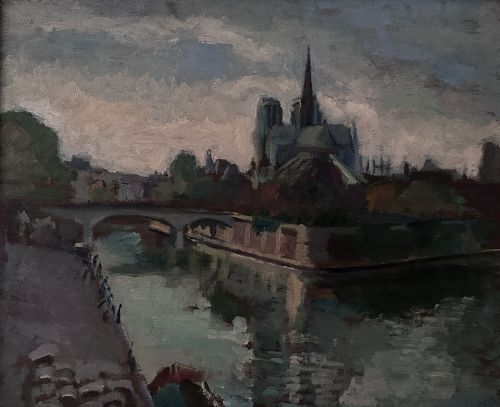
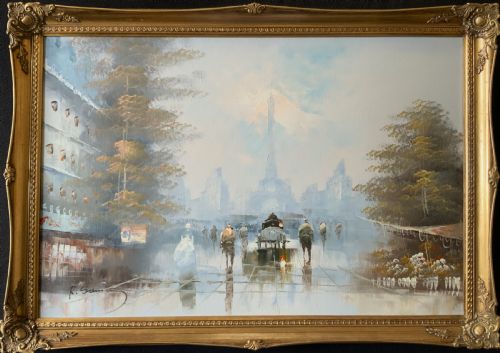
A vintage parisian landscape painting captures the atmosphere of the French capital through expressive brushwork, ranging from quiet riverbanks to bustling boulevards.
Vintage Parisian Landscape Painting
A vintage parisian landscape painting brings the urban and riverside views of France directly onto the wall, spanning eras from the early twentieth century through the mid-century decades. These artworks record familiar locations such as the River Seine, Notre Dame, Montmartre, and the Eiffel Tower in varied interpretations.
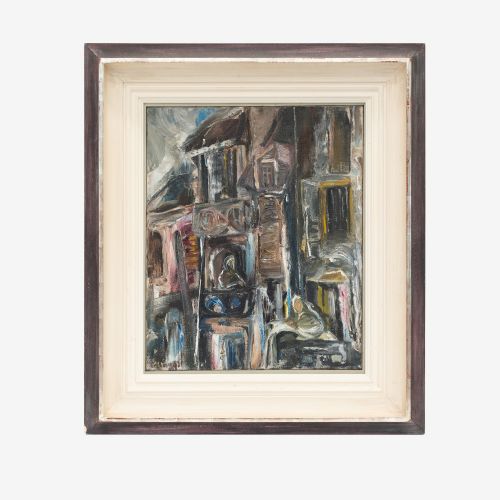
The pieces on this page appear predominantly as oil paintings executed on canvas or board, often housed in wood or gilt wood frames. Buyers encounter styles stretching from impressionism and post-impressionism to mid-century modern and expressionist approaches.
The majority of works date from the mid-twentieth century, specifically the 1950s and 1960s, alongside earlier examples reaching back to the Belle Epoque and the nineteenth century. Each canvas reflects the specific tonal palette and handling of its decade, whether depicting a snowy winter scene or a sunlit summer day.
How they were made
Artists built these compositions primarily using oil paint applied to stretched canvas or wooden board, employing both brush and palette knife techniques to construct texture and depth. The physical support ranges from simple wooden stretchers to substantial gilded frames designed to complement the subject.
The method relies on layering pigment to capture shifting light across Parisian stone and water, utilising the rich consistency of oil paint to record movement in street scenes and river views. Frames utilise carved wood and applied gilding, framing the painted surface with period appropriate decorative mouldings.
The selection spans from 1910 through the 1960s, featuring oil paint on canvas and board within wood and gilt frames.
What varies in quality
Quality in a vintage parisian landscape painting rests upon the confidence of the brushwork and the artist's ability to evoke the specific light and geometry of the city. Stronger examples demonstrate a sure command of perspective and atmosphere, whereas weaker works rely on rigid repetition.
The integration of the frame contributes significantly to the overall integrity of the piece, with period gilt wood mouldings enhancing the visual weight of the canvas. The treatment of light across architectural elements and water separates standard decorative output from accomplished artistic execution.
Lilian Colbourn·Caroline Burnett·Gabriel Dauchot·Ron Folland·Merio Ameglio·Eduard Leon Cortes·Hermoine Hammond·Pierre Peltier
The Vintage Parisian Landscape Painting Glossary
- Oil on Canvas
- Pigments suspended in a drying oil applied to a woven fabric support stretched over a wooden frame. This combination allows for rich blending and textured impasto application.
- Gilt Wood
- Timber decorated with a thin layer of gold leaf or metallic gilt powder. It frequently forms the decorative border surrounding mid-century and earlier artworks.
- Impressionism
- A nineteenth-century painting style characterised by relatively small, thin yet visible brush strokes and an emphasis on accurate depiction of light. It forms the foundation for many Parisian street and river views.
- Post-Impressionism
- A dominant art movement extending impressionism while rejecting its limitations, favouring more symbolic content and expressive use of paint. Artists apply heavier textures and distinct colour palettes to urban subjects.
- Board
- A rigid flat sheet of wood or composite material used as a stable alternative to canvas for painting. It provides a firm surface often utilised for smaller urban studies.
Vintage Parisian Landscape Painting: Frequently Asked Questions
How do I date a Parisian painting?
Dating relies upon stylistic markers, framing materials, and inscriptions left by the artist on the reverse of the canvas or board. Mid-century works often exhibit bolder expressionist tendencies, whereas earlier pieces lean towards traditional impressionism.
Examination of the stretcher bars and canvas type further helps determine whether a work originates from the Belle Epoque or the post-war decades.
Where should I hang these paintings?
These landscapes suit living rooms, hallways, or studies where adequate wall space allows the frame and canvas to command attention. Placing them away from direct sunlight protects the oil pigments and the integrity of any gilded wood frame.
Pairing a large cityscape with simpler interior surroundings lets the texture of the oil paint remain the primary visual focus.
Are frames original to the artwork?
Many works retain their original wood or gilt wood frames, which reflect the framing conventions of the period in which the painting was created. Some pieces acquire replacement frames later in their lifespan to suit changing decorative tastes.
Reviewing the fit and corner construction helps ascertain whether the frame matches the age and origin of the canvas.
What subjects are most common?
Street scenes featuring iconic landmarks such as the Eiffel Tower, Notre Dame, and the River Seine appear frequently across the selection. Artists also record quieter residential views and specific seasonal moods like winter in Montmartre.
These varied vantage points capture both bustling urban traffic and serene waterside walks along the Parisian quays.