

Vintage Paper Print
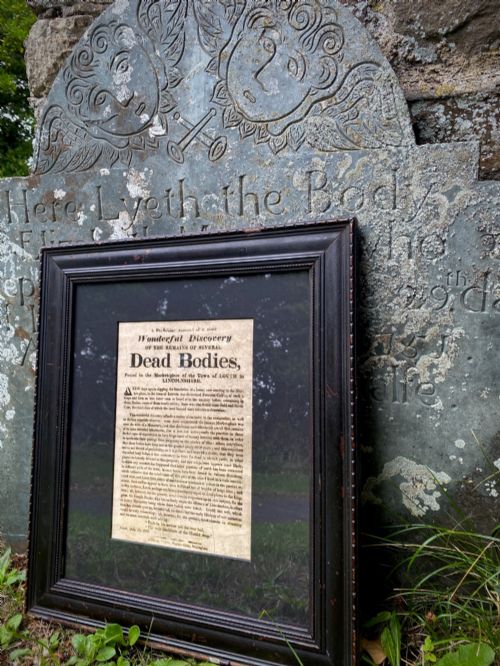
When you search for a vintage paper print, you are hunting down centuries of ink, cartography and portraiture ready for framing.
Vintage Paper Print
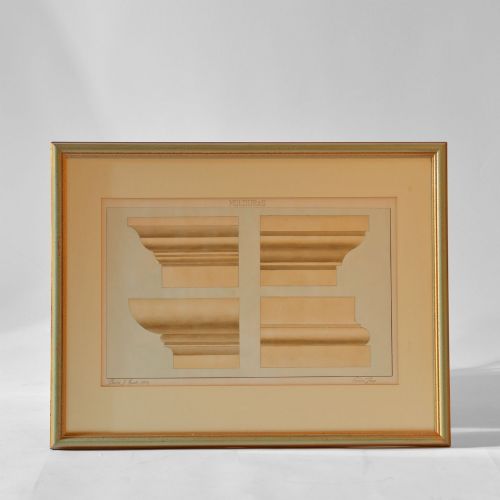
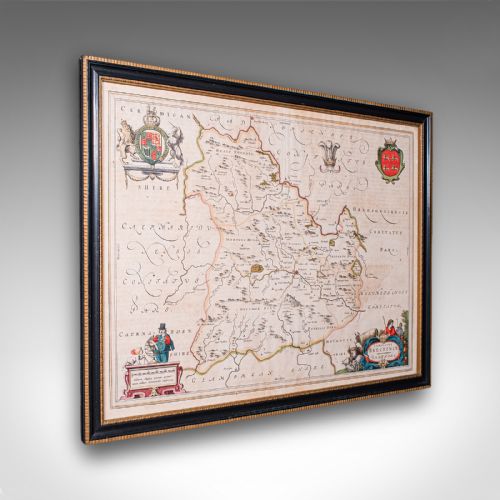
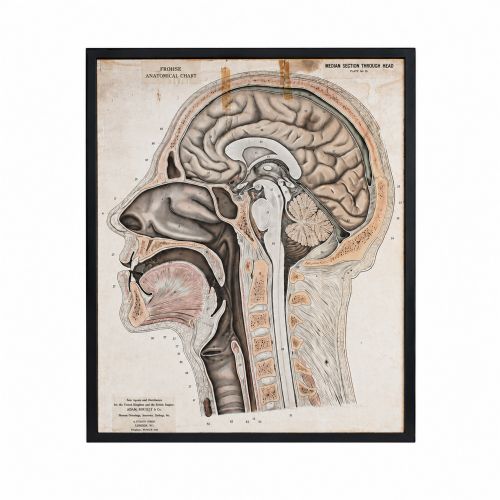
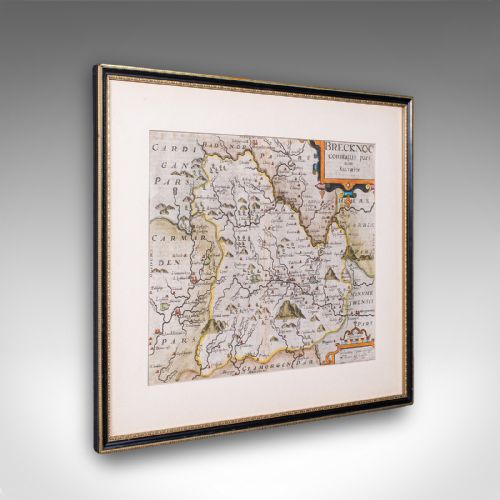
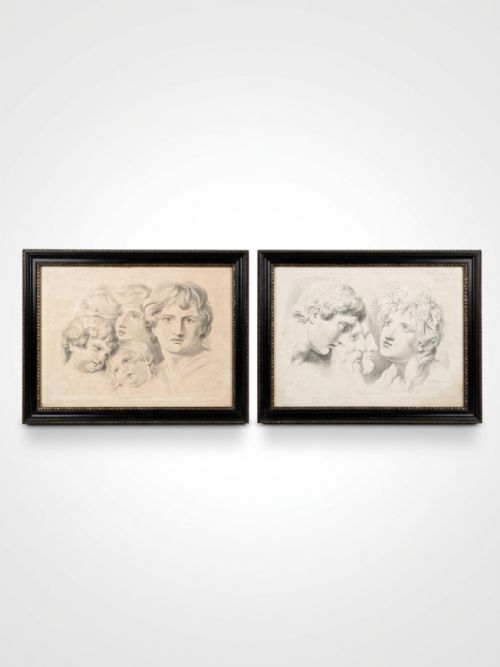
A vintage paper print encompasses everything from seventeenth-century cartography and eighteenth-century mezzotint portraits to twentieth-century railway posters and botanical illustrations. Buyers seeking a vintage paper print will encounter framed artwork, antique maps and wall art spanning the Georgian, Victorian and Art Deco periods.
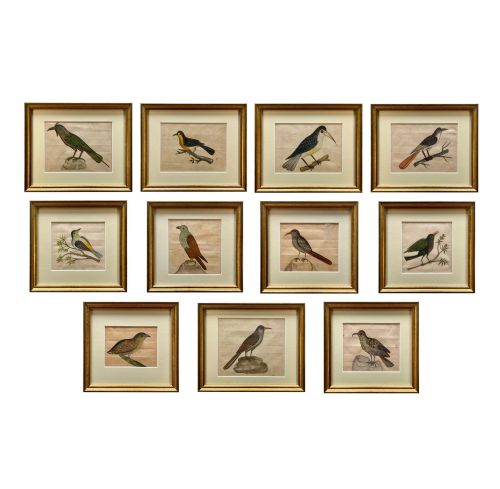
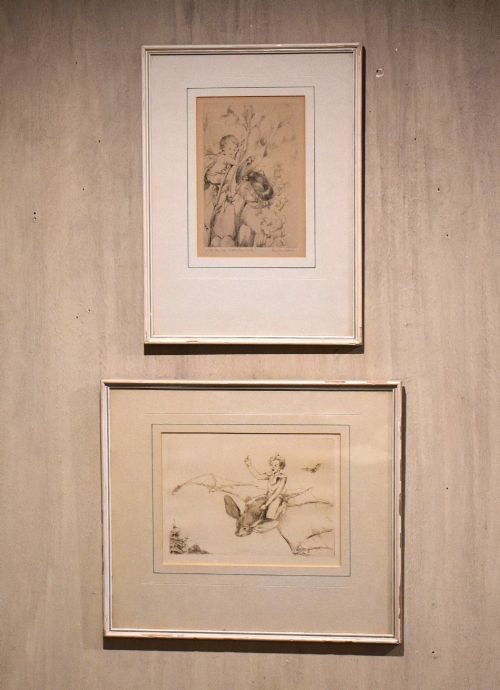
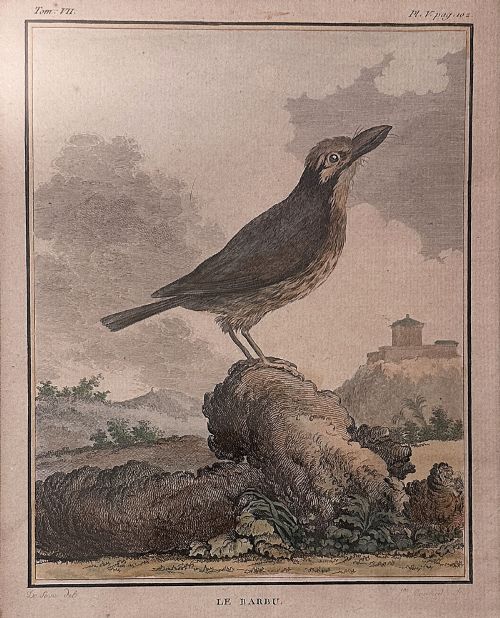
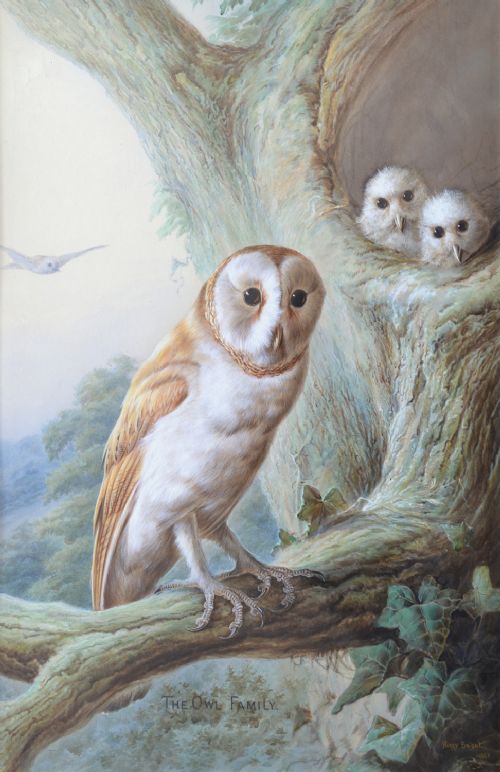
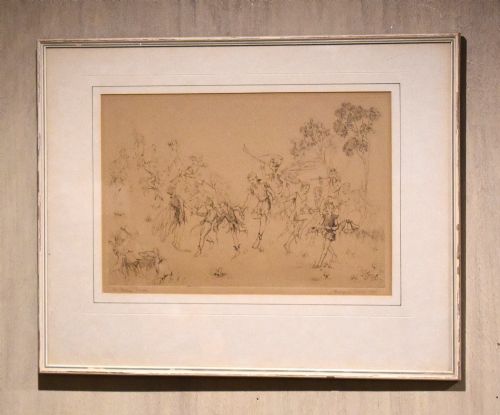
The assortment on this page draws heavily from British and European publishing history, including works executed in watercolour, pastel and ink. These sheets carry the marks of their era, whether through hand-coloured details on natural history plates or bold lithography on advertising posters.
Materials and techniques
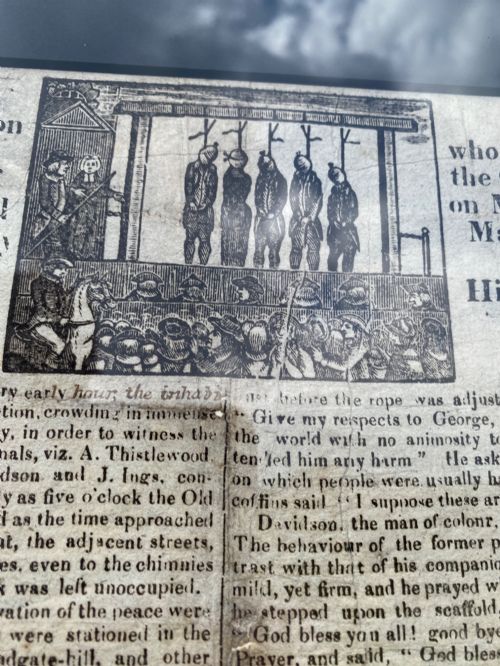
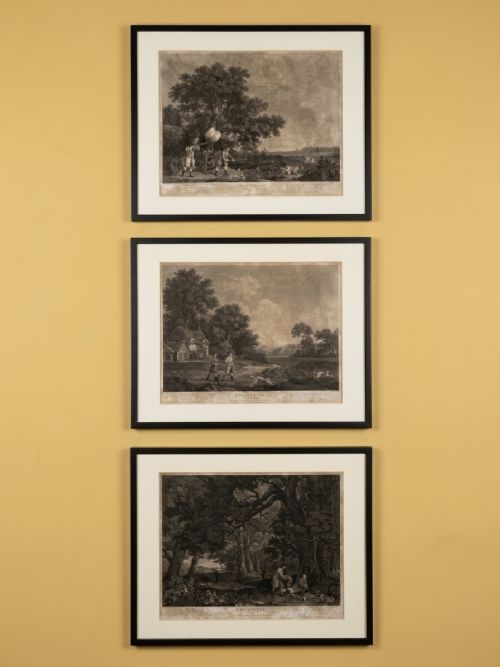
These works rely fundamentally on paper stocks combined with various printing methods such as etching, engraving, lithography and mezzotint. Copperplate engravings and etchings press deep lines into the paper fibres, while later lithographs and photographic plates offer smoother surfaces.
Framing often involves period woods like oak and giltwood, sometimes protecting works behind glass alongside gold leaf accents. Pigments range from simple black ink to rich watercolours and hand-applied washes.
Vintage Paper Print Retail Price Guide 2026
Typical asking prices for vintage paper print among the pieces listed under this phrase on Sellingantiques today, from the lower quarter to the upper quarter. They describe what is for sale here now, not the wider market.
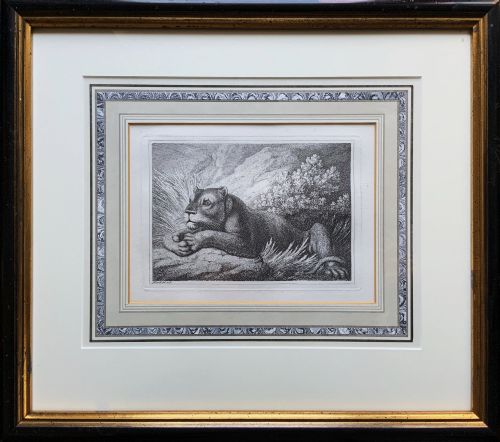
Several listings feature fierce farmyard pigs, recumbent lionesses and swimming dogs.
Factors of quality
Quality rests upon the crispness of the impression and the fidelity of the ink transfer from plate or stone to the paper sheet. Early impressions retain sharp plate marks and fine hatching, whereas worn plates yield blurred lines.
The integrity of the paper itself dictates value, alongside the presence of original hand-colouring rather than later tinting. Margins, sheet size and the clarity of contemporary signatures or publisher details further separate standard examples from exceptional ones.
Joan Blaeu·Samuel Howitt·George Stubbs·Sir William Nicholson
The Vintage Paper Print Glossary
- Mezzotint
- A printmaking process where the copper plate is roughened evenly to produce rich tones and subtle gradations of light and dark. It was widely employed for eighteenth-century portraiture.
- Lithography
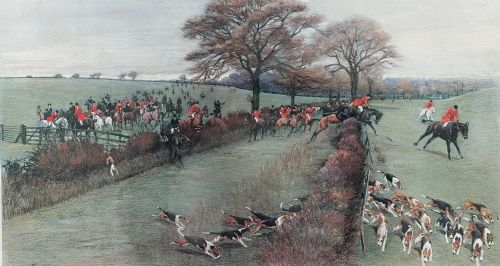
- A planographic printing method based on the antipathy of oil and water, utilising a limestone block or metal plate. This technique dominated nineteenth-century illustration and twentieth-century poster art.
- Etching
- A method where lines are bitten into a metal plate with acid before ink is applied and pressed onto paper. It allows for expressive, fine-lined artistic freedom.
- Cartography
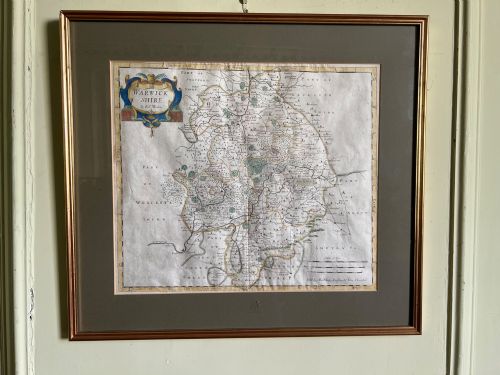
- The science and art of making maps, represented here by antique regional and world maps from seventeenth and eighteenth-century atlases. These sheets often feature decorative cartouches and hand-tinted borders.
- Plate mark
- The indentation left in the paper by the edge of a printing plate during the press run. Its presence confirms the use of an intaglio printing technique.
Vintage Paper Print: Frequently Asked Questions
How should I frame antique paper?
Protect delicate sheets from direct sunlight and moisture by employing professional framing with acid-free mounts and UV-filtering glass.
Keeping the paper slightly separated from the glass prevents condensation damage over time.
What is a mezzotint portrait?
A mezzotint is an intaglio print method that achieves smooth tonal variations without relying on line work.
Portraitists used this technique to reproduce oil paintings with remarkable depth and shadow.
Are these prints original to their date?
The listings comprise period originals printed around the stated dates rather than modern reproductions.
Examining the paper substrate, ink density and plate characteristics helps confirm the production era.
How do I identify a map's age?
Cartographic style, typography, plate dimensions and paper watermarks provide reliable clues to a map's era.
Many antique maps also feature contemporary hand-colouring characteristic of their specific century of publication.