
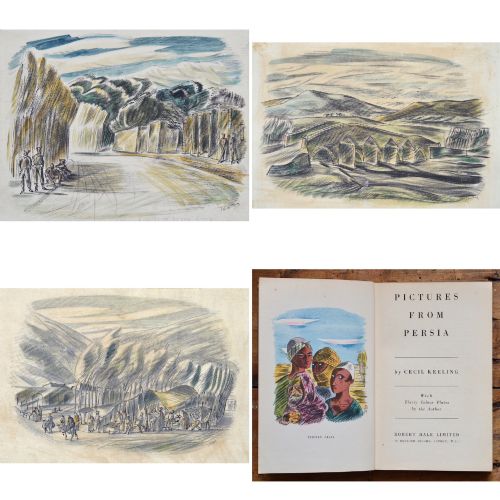
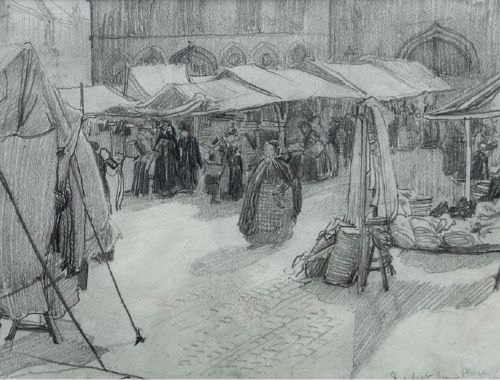

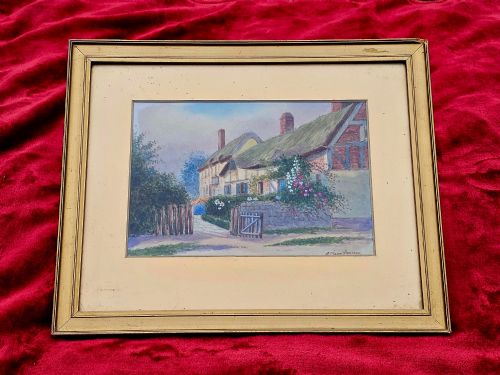
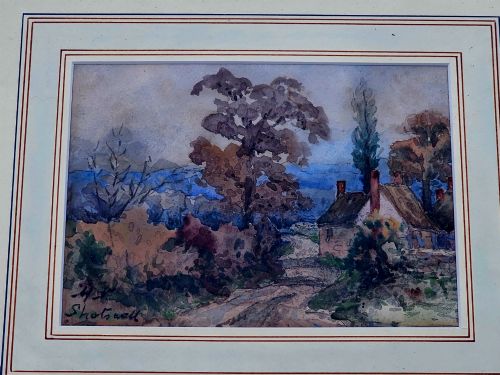
Vintage Paper Landscape Art
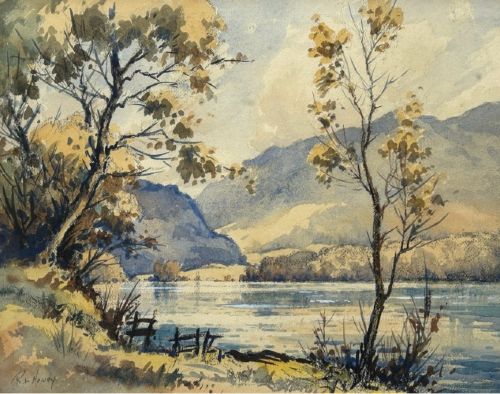
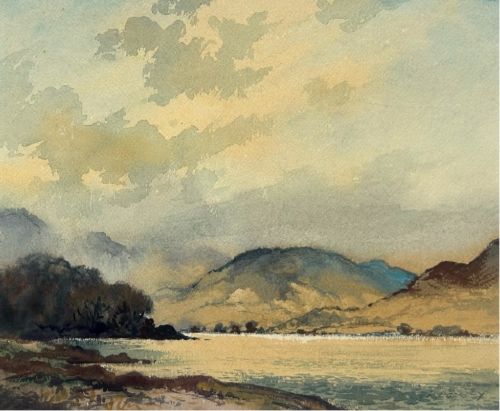
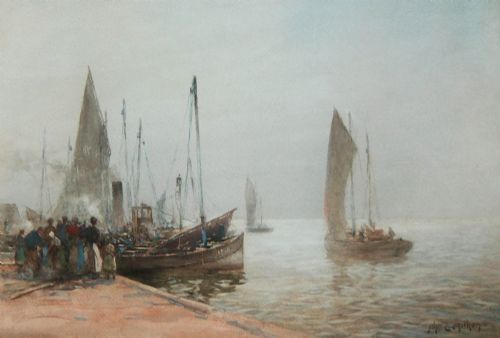
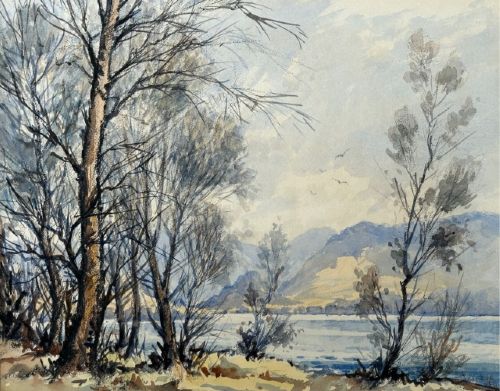
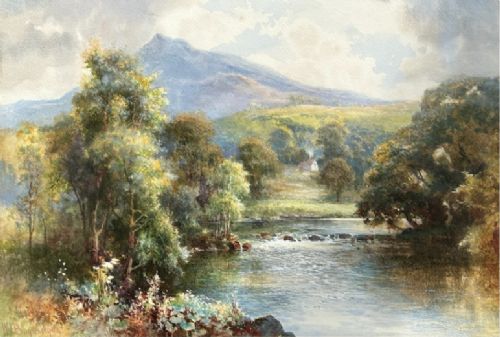
Vintage paper landscape art brings together delicate watercolours, ink sketches and pastels capturing natural scenery from the nineteenth and twentieth centuries.
Vintage Paper Landscape Art
Vintage paper landscape art comprises works on paper executed in mediums such as watercolour, ink, pastel and graphite. These pieces record rural scenes, coastal views and architectural settings across the Victorian, Edwardian and mid-century periods.
The selections available here span from late nineteenth-century watercolours of river valleys to mid-twentieth-century Lake District landscapes. Works range from intimate observational sketches to larger framed compositions by regional and continental artists.
Materials and methods
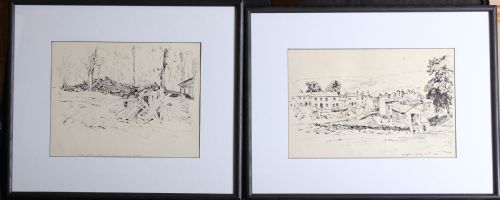
Artists relied primarily on watercolour pigment, ink and pastel applied directly to paper supports, occasionally incorporating graphite for initial structural outlines. These works frequently utilised glass and wood framing to protect the delicate surface from moisture and atmospheric degradation.
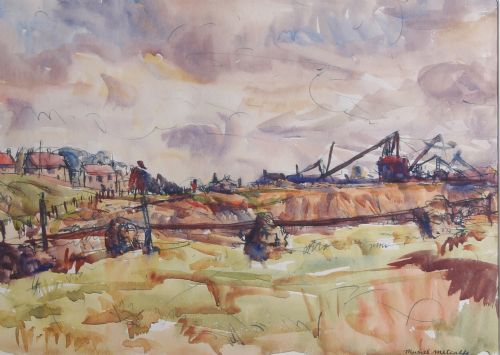
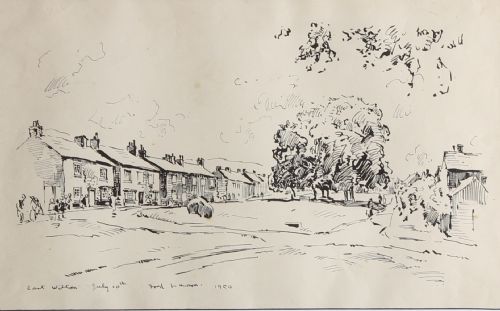
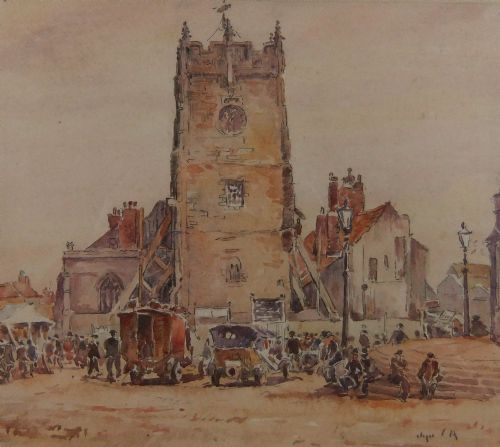
Techniques varied from fluid watercolour washes capturing atmospheric light in British coastal scenes to precise ink and watercolour combinations recording Yorkshire castles and European townscapes.
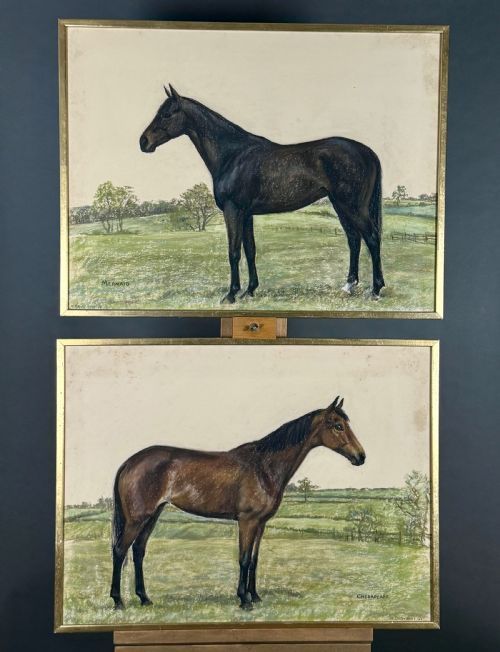
Equestrian studies of Chesapeake and Mermaid rub shoulders with quiet views of Welsh rivers and Venetian canals.
Assessing quality and execution
Quality rests upon the sureness of the draftsmanship and the artist's control over pigment dispersion within the paper fibres. Stronger examples display confident handling of light and shadow, particularly in depicting skies, water and foliage.
Condition plays a central role in valuation, as paper is vulnerable to foxing, fading and moisture staining over decades of exposure. Retaining original framing elements and clear artist attribution also elevates the standing of a piece.
Alfred Young Nutt·Robert Leslie Howey·David Roberts·Fred Lawson·William Matthison
The Vintage Paper Landscape Art Glossary
- Foxing
- Brown spots and discolouration that develop on older paper due to chemical reactions over time. This process is common in nineteenth and early twentieth-century works on paper.
- Watercolour
- A paint consisting of colour pigments suspended in a water-based solution, applied to paper to create transparent washes of colour. It remains the dominant medium in landscape works from this era.
- Pastel
- A dry painting medium in the form of a stick, consisting of powdered pigment and a binder. It produces rich, velvety colour surfaces requiring glass protection.
- Lithograph
- A print made from a flat stone or metal plate on which an image has been applied using an oil-based substance. This technique allowed for the reproduction of original landscape drawings.
Vintage Paper Landscape Art: Frequently Asked Questions
How should I frame and display these paper works?
Keep works away from direct sunlight to prevent the watercolour pigments and inks from fading over time. Use acid-free mounting boards and UV-protective glass during framing.
Ensure the paper does not touch the glass directly by utilising spacers or a traditional window mount. This prevents humidity from trapping moisture against the surface.
What periods do these landscape artworks cover?
The pieces span from the Victorian and Edwardian eras through to the mid-twentieth century. Early examples date from the nineteenth century.
Later works extend into the nineteen-fifties and sixties, reflecting shifts toward British Impressionism and twentieth-century regional styles.
How do I identify different drawing and painting mediums?
Watercolours show transparent layered washes with visible brushwork, while pastels leave a softer, chalky texture on the paper surface. Ink drawings rely on crisp, dark lines often combined with washes.
Graphite marks appear as metallic or grey pencil strokes beneath or alongside the pigment. Examining the work under magnification clarifies the technique.
Were these works created as original art or prints?
The majority of pieces listed are original paintings and drawings executed by hand directly onto paper. Artists produced these during field trips or in studio settings.
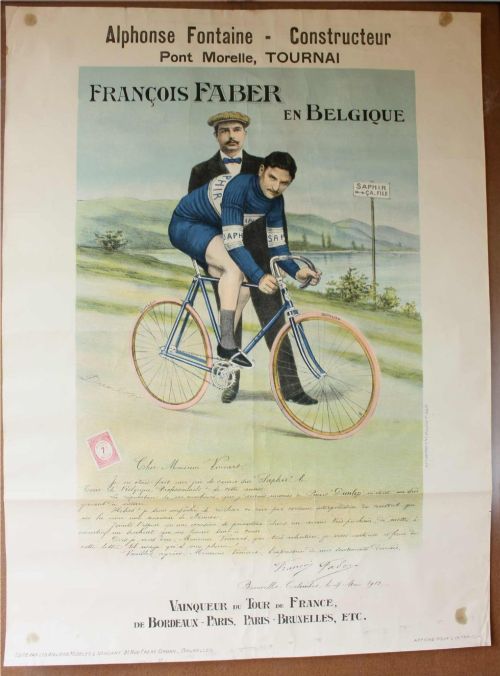
Occasional pieces include period lithographs and woodblock prints created as independent editions rather than unique paintings.