




Twentieth Century British Artwork
Twentieth century british artwork brings together oil paintings, watercolours and drawings that chart the shifting character of domestic art through changing decades.
Twentieth Century British Artwork
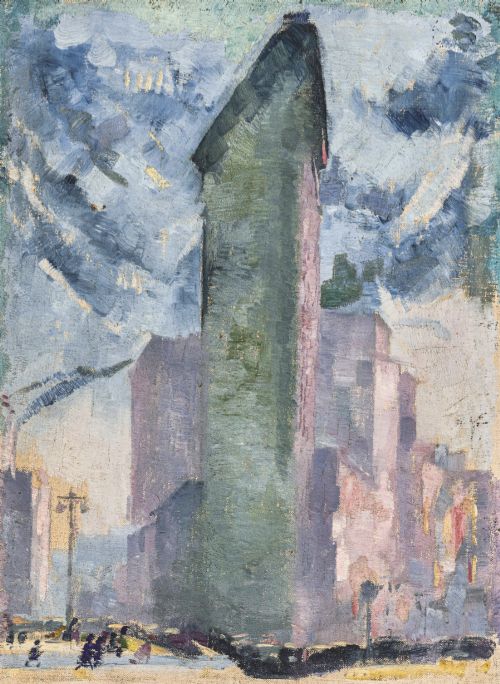
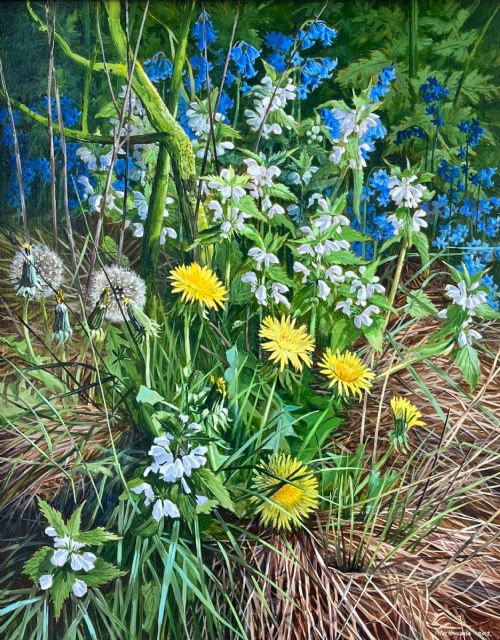
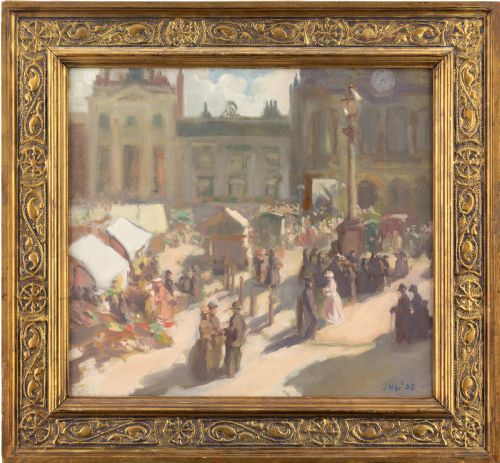
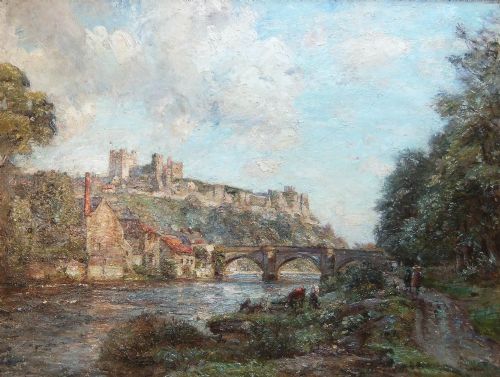
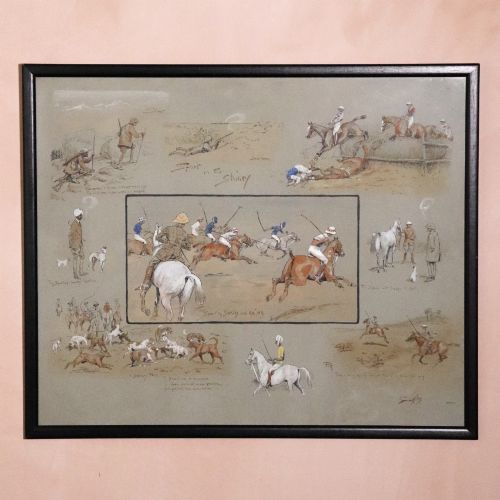
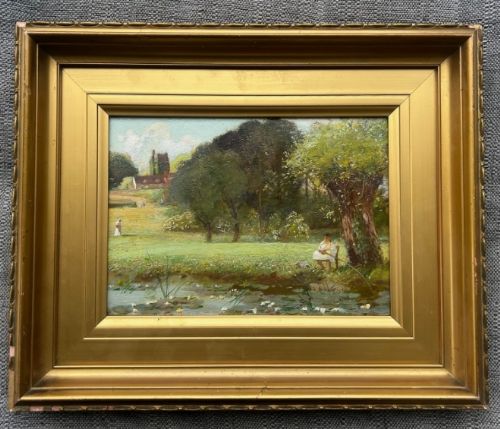
Twentieth century british artwork spans decades from the Edwardian era through the mid-century modern period, taking in landscapes, marine scenes, townscapes and portraits. Buyers exploring this selection will encounter framed watercolours, oils on canvas and wood panel, alongside ink and pastel drawings created across the British Isles. The most frequent pieces on this page are landscapes and coastal views executed in oil or watercolour by regional artists working in the early and middle decades of the century.
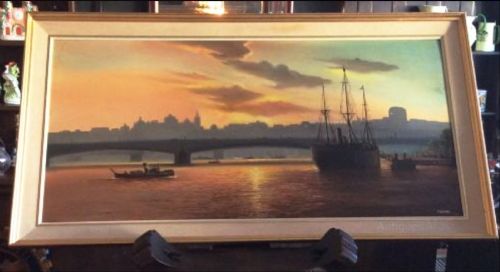
The material record includes works associated with specific regional groups such as the Staithes artists and the Newlyn school, alongside urban views and genre scenes. Painters documented places from the Yorkshire coast and the Scottish Borders to London and the Isle of Man, applying pigments to paper, canvas and wood. These pieces reflect both traditional impressionist approaches and the more experimental currents of British modernism.
Materials and technique
Makers utilised traditional supports including stretched canvas, wooden panels and heavy art paper, applying oil paint, watercolour, gouache, ink and pastel by hand. Oil paintings on canvas or wood panel offer depth and texture, allowing artists to build layered impasto particularly in marine and landscape subjects. Watercolours and gouache on paper capture lighter, more immediate atmospheric effects, often relying on the white of the paper to illuminate skies and water.
Framed works frequently preserve original mounting and framing choices that complement the period of creation. Drawings in ink, pen and pencil demonstrate direct draughtsmanship, while pastels utilise fine dry pigment sticks to achieve soft tonal gradations in still lifes and portraits. The combination of support and medium defines the physical presence of each piece.
Listings feature works spanning the 1900s through the 1960s, executed in oil, watercolour, pastel, ink and gouache on paper, canvas and wood.
Assessing quality
Quality in twentieth century british artwork rests upon the sureness of the artist's hand, compositional balance and the vitality of the brushwork or line. Stronger pieces display confident handling of light and space, whether in a vigorously painted coastal oil or a precisely rendered architectural watercolour. Weaker examples can feel formulaic or hesitant in execution, lacking the conviction found in works by established regional painters.
The relationship between the subject and the medium also dictates success, as seen when an artist uses the fluidity of watercolour to capture shifting weather or the opacity of oil to construct solid architectural forms. Condition plays a role, with well-preserved colour and stable surfaces separating superior examples from those affected by fading or heavy restoration.
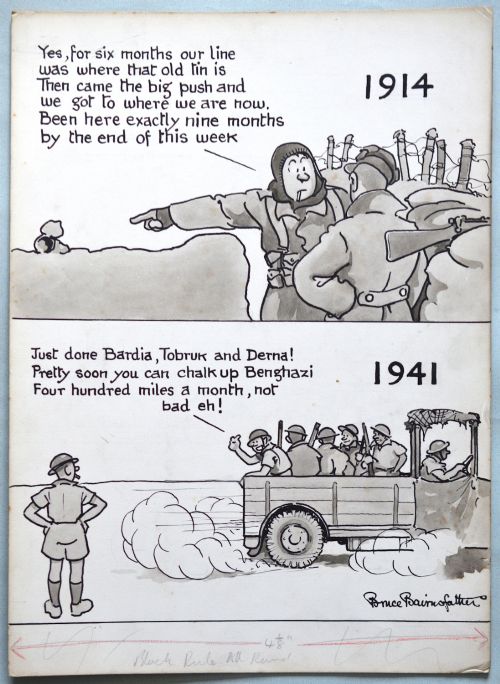
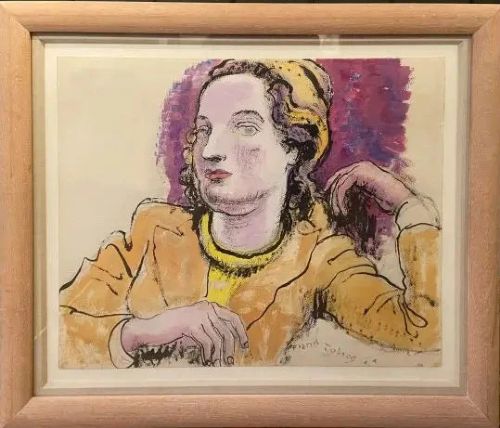
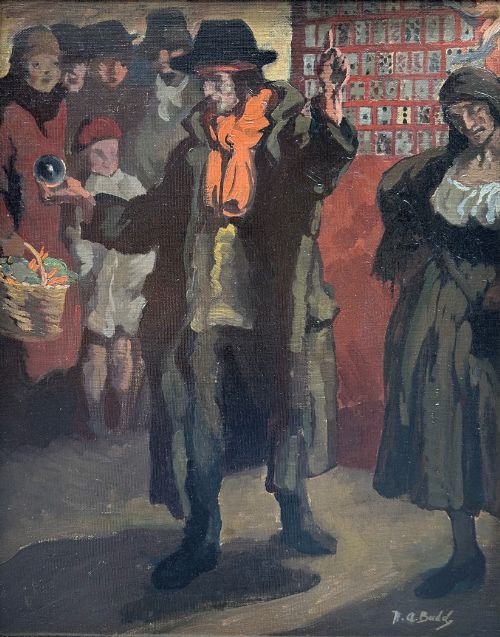
Thomas Ellison·Clifford Hanney·Bruce Bairnsfather·Frank Dobson·Herbert Ashwin Budd·Alfred Wolmark·Peter Newcombe·John Hodgson Lobley·Herbert Royle·Sir David Murray·Septimus Scott·Robert Leslie Howey·John Merrifield·Stanley Orchart·Donald McIntyre·S Dennant Moss·Kershaw Schofield·Frank H Mason·Florence Hess·Cecil R Doyly John·Ernest F Hill·Andrew Young·John Hobson Nicholson·Frank Wood·Lena M Alexander
The Twentieth Century British Artwork Glossary
- Oil paint
- A slow-drying paint made by combining pigment particles with a drying oil, most commonly linseed oil. This medium allows for rich colour blending and textured impasto application across canvas and wood panels.
- Watercolour
- A painting method in which natural pigments are suspended in a water-soluble vehicle, traditionally applied to paper supports. It relies on transparent washes to create luminous effects.
- Gouache
- An opaque water-based paint featuring pigment mixed with water and a binding agent such as gum arabic, often including white filler to achieve solid, flat colour areas.
- Impasto
- A technique where paint is laid onto a surface in thick layers that stand out visibly from the canvas. It preserves the physical trace of the brush or palette knife.
- Provenance
- The documented history of ownership of an artwork, establishing its authenticity and lineage from the artist's studio to the present collection.
Twentieth Century British Artwork: Frequently Asked Questions
What defines twentieth century british artwork?
These pieces comprise paintings, watercolours and drawings produced across Britain during the decades of the twentieth century. They encompass diverse regional schools and individual visions ranging from impressionist landscapes to early modernist portraits.
The selection reflects how artists interpreted changing industrial, coastal and rural environments using traditional and developing media. Each piece offers a window into the aesthetic concerns of its specific decade.
How should I display these works at home?
Framed paintings on canvas and paper require placement away from direct sunlight and excessive moisture to protect pigments and supports. Proper wall placement ensures stable environmental conditions for fragile watercolours and pastels.
Matching the frame style to the period of the artwork helps integrate the piece into contemporary or traditional interiors. Secure hanging hardware is essential for heavier oil paintings on wood panels and canvas.
How can I tell periods apart?
Stylistic shifts and subject matter often indicate the era in which a piece was created, moving from Edwardian illustrative work towards bolder mid-century modern abstraction. Handling of paint, colour palettes and framing materials also offer clues to the decade of production.
Signatures, dates and artist biographies provide concrete chronological markers when researching individual works. Comparing regional styles helps place undated topographical scenes within their historical context.
Were these works meant for galleries?
Many pieces were created for public exhibitions, regional art societies or private commissions by professional painters and illustrators. Others served as personal studies, sketchbook pages or intimate domestic decorations.
Exhibition labels and artist signatures often indicate whether a piece was intended for public viewing. The scale and medium frequently point to the original context in which the artist worked.