


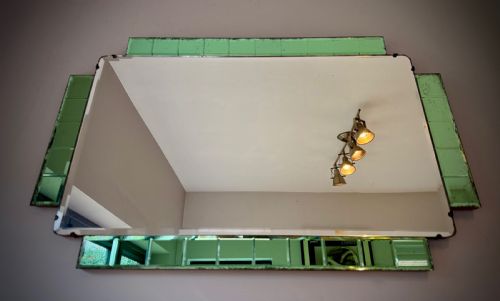


Vintage Panelled Wall Mirror
A vintage panelled wall mirror brings segmented reflection and architectural depth to a room, offering immediate historical character.
Vintage Panelled Wall Mirror
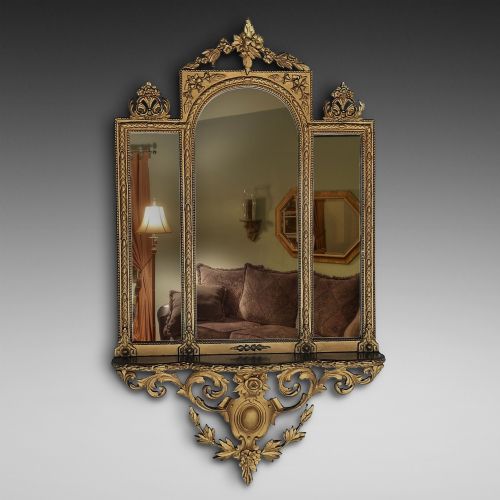
A vintage panelled wall mirror groups multiple segments of glass within a single frame to create a layered, multi-faceted reflective surface. When searching for a vintage panelled wall mirror, buyers encounter a diverse range of forms spanning from nineteenth-century overmantels to twentieth-century geometric designs.
Overmantel mirrors and architectural salvage pieces provide larger formats designed for specific interior settings, whilst smaller triptych and carousel panels offer compact, segmented layouts. Each configuration utilises frame divisions to catch light from multiple angles.
Materials and Construction
Frames rely heavily on carved wood, gesso, and giltwood, with specific pieces utilising mahogany, walnut, rosewood, and painted finishes. Artisans applied thin layers of gold leaf or gesso over wooden substrates to achieve ornate surface ornamentation on Victorian and revival pieces.
Mirror glass is held in distinct sections, sometimes featuring bevelling at the edges to catch and refract light. Specialist panels integrate decorative elements such as inlaid marquetry, coloured glass sections, and metal fittings to separate the individual reflective segments.
Materials recorded across the selection include mahogany, walnut, giltwood, gesso, and coloured glass sections.
Factors of Quality
Quality rests in the precision of the frame joinery and the integrity of the original mercury or silvered mirror plates. Finer pieces demonstrate crisp, hand-carved details in wood and gesso rather than cast composition replacements.
The harmonious proportion between the wooden panels and the glass segments dictates the visual balance of the object. Original finishes and untouched patination on gilt and painted surfaces separate superior examples from heavily restored alternatives.
Rowley Gallery·A.J Rowley·Brot
The Vintage Panelled Wall Mirror Glossary
- Trumeau mirror
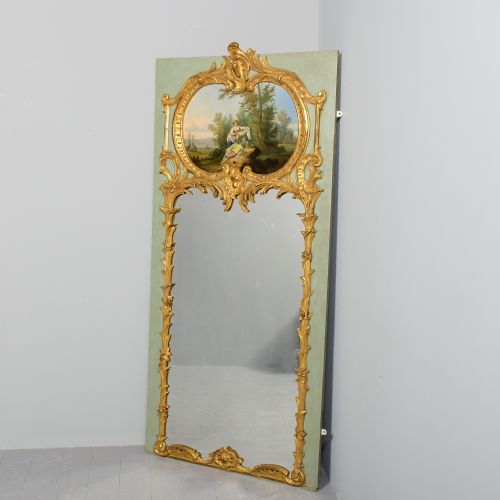
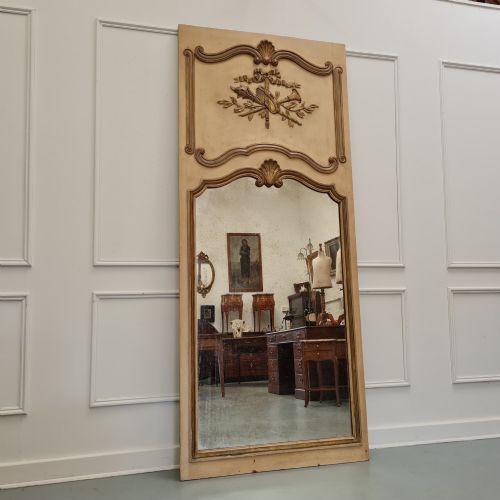
- A decorative wall mirror featuring a painted or carved panel situated above the glass plate. This form originated in eighteenth-century France and remained popular through subsequent revival periods.
- Overmantel mirror
- A large horizontal mirror designed to hang specifically above a fireplace mantel. These pieces frequently incorporate architectural framing or multiple glass sections.
- Gesso
- A plaster-like mixture applied to wood frames to create a smooth surface for gilding or painting. Skilled carvers and gilders built up layers to achieve sharp sculptural relief.
- Marquetry
- The art of applying small pieces of veneer to a structure to form decorative pictorial designs. Rowley Gallery mirrors frequently utilised this technique with inlaid woods.
- Bevelled glass
- Mirror glass with edges cut and polished at an angle to create a framed, prism effect. This technique enhances light refraction across segmented panels.
Vintage Panelled Wall Mirror: Frequently Asked Questions
How do I hang a heavy panelled mirror?
Heavy mirrors require secure fixings into wall studs or solid masonry using appropriate brackets that support the weight distribution across the frame.
Professional mirror hangers often utilise French cleats to ensure the piece sits flush and stable against the wall surface.
What defines a trumeau mirror?
A trumeau incorporates a distinct decorative panel, often painted or carved, positioned directly above the reflective glass.
This format was traditionally designed to fit specific architectural wall spaces in European drawing rooms.
How do I clean antique mirror glass?
Cleaning requires a soft microfiber cloth and a gentle, ammonia-free glass cleaner applied to the cloth rather than directly to the glass.
Care must be taken around the edges where the silvering backing may be fragile or exposed.
Are Art Deco panel mirrors different?
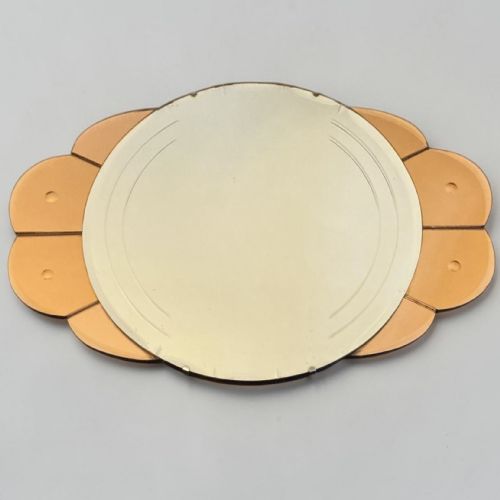
Art Deco examples from the twentieth century frequently feature geometric shapes, coloured glass panels, and minimal framing.
These designs prioritise clean lines and segmented glass arrangements over traditional carved ornamentation.