




Vintage Painting Easel
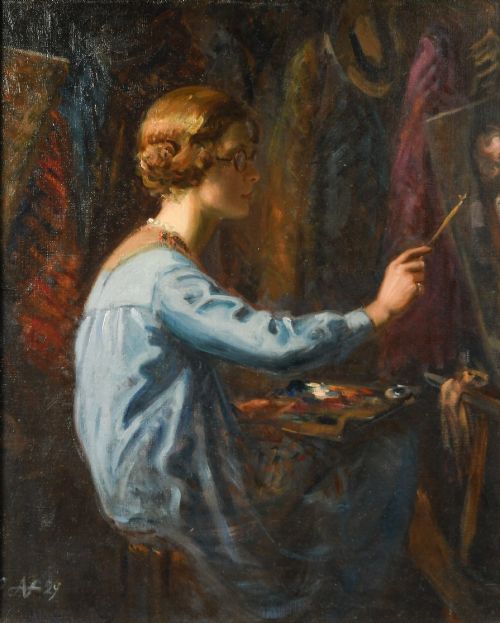
A vintage painting easel gives a studio, study or room immediate character, holding canvases, books and pictures with practical charm.
Vintage Painting Easel
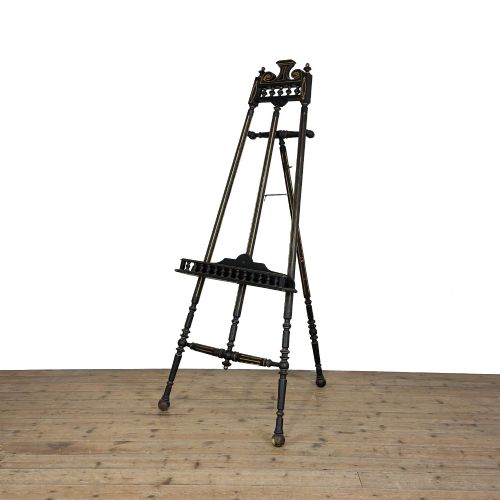
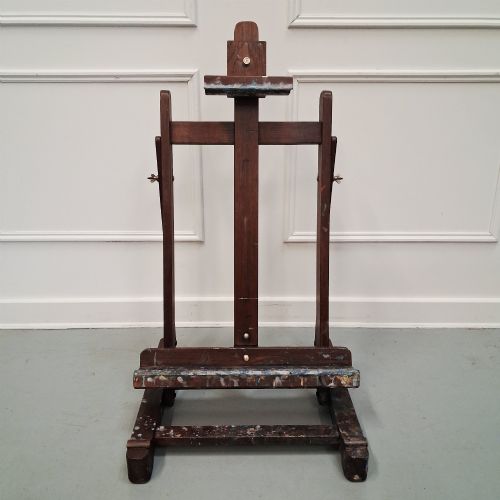
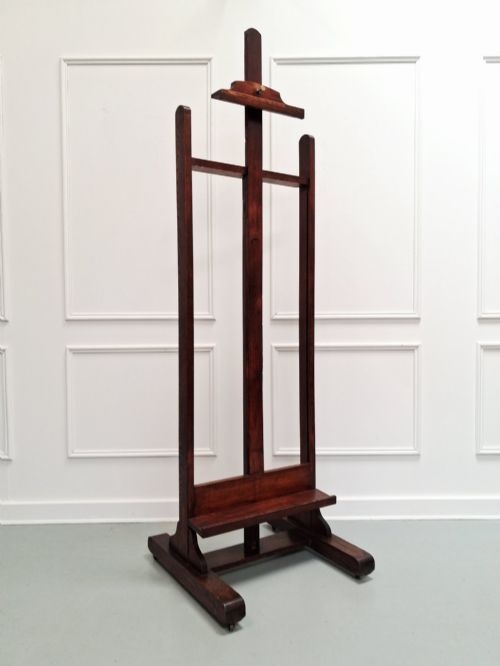
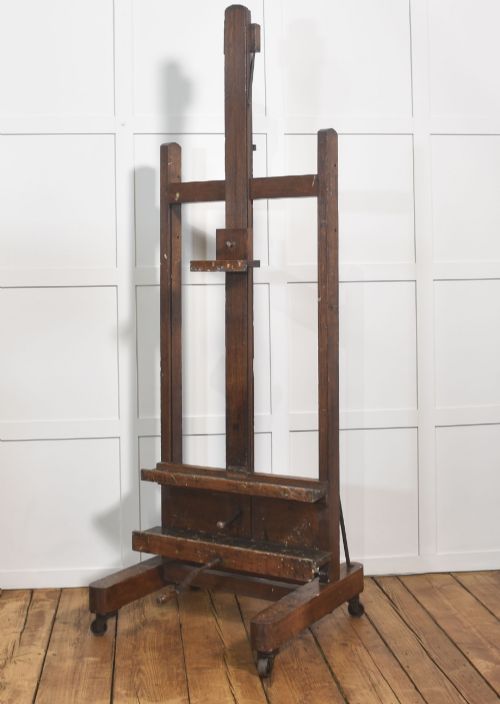
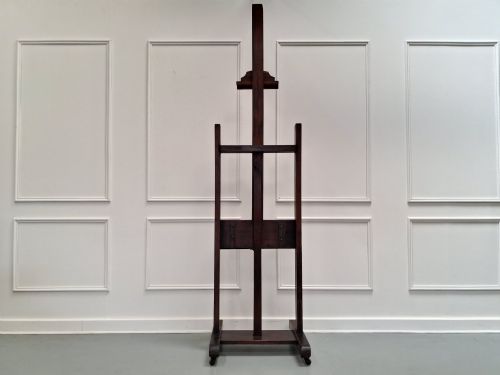
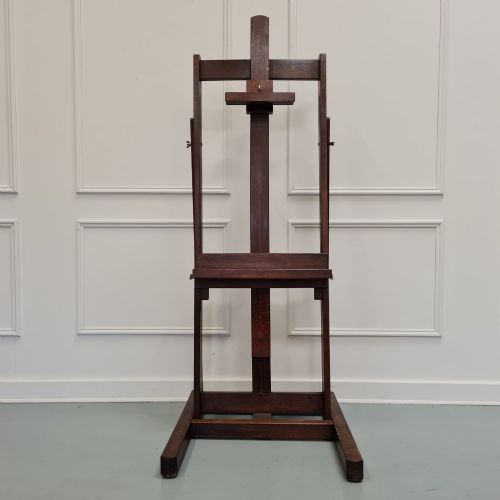
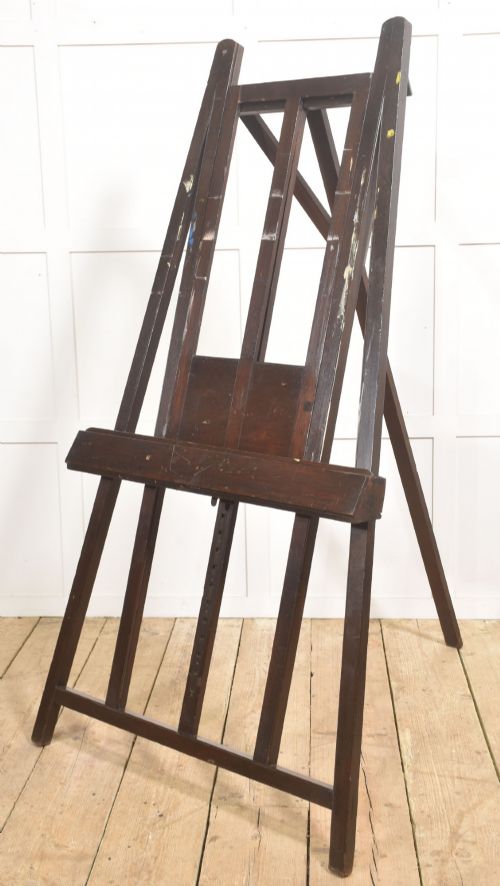
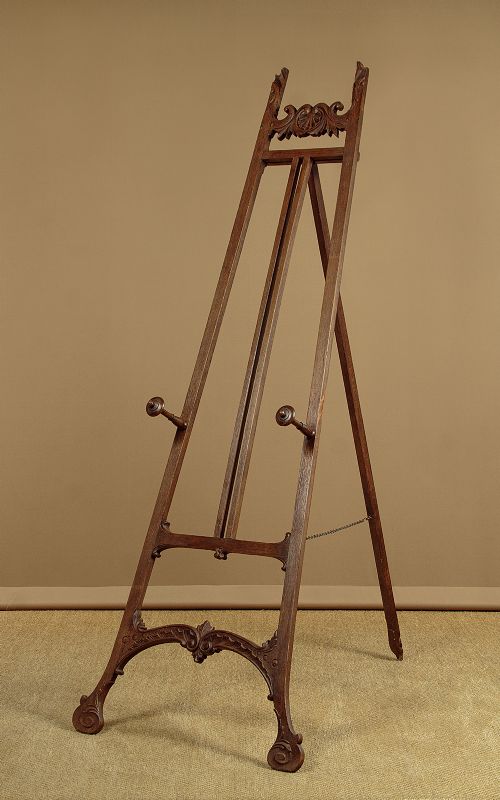
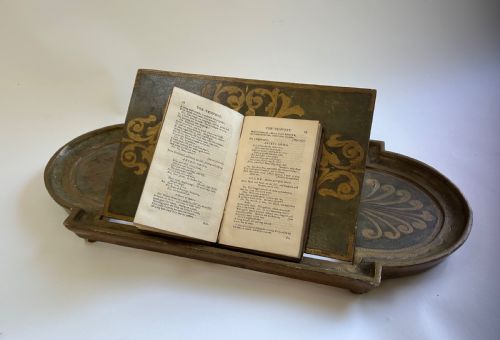
A vintage painting easel is a functional stand designed to support canvases, panels, books and pictures during creation or display. These pieces span from the 19th century through the Edwardian period and the 1930s, encompassing floor standing studio models, large adjustable frames and smaller tabletop versions. You will frequently encounter oak and mahogany studio examples alongside French oak designs and decorative display pieces.
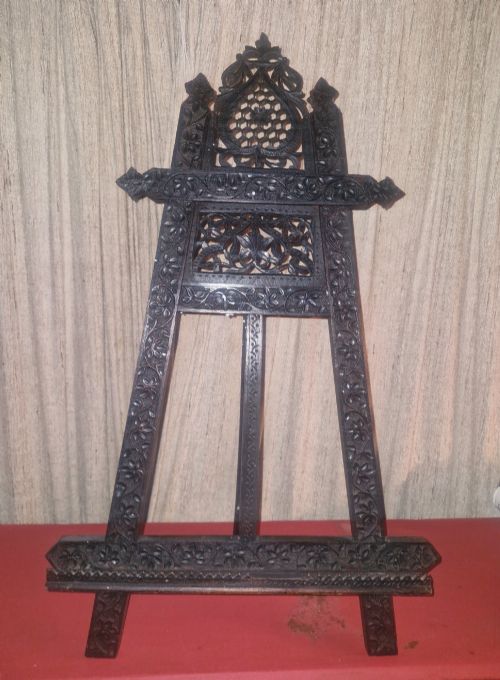
The selection ranges from robust gallery and double-sided exhibition stands to intricate carved wooden items and miniature gilt strut clocks. Originating from British, French, Italian and other European workshops, these items served artists, architects and interior decorators alike. Their forms adapt easily to modern interiors for showcasing artwork or holding open volumes.
How they were made
Makers utilised solid timbers such as oak, mahogany, walnut and pitch pine, often shaping them with fully adjustable mechanisms for studio use. Metal, brass, cast iron and iron components provided strength and movement in functional tightening screws and winding brackets.
Decorative variations involved ebonised wood, gold leaf, champlevé enamel, ivory inlay and detailed carving. Surface finishes highlighted natural grain patterns while structural joints relied on traditional cabinetmaking techniques suited to heavy daily workloads.
What varies in quality
Quality rests in the robustness of the timber framing and the smooth operation of adjustment mechanisms like winding handles and sliding brackets. Substantial studio models require sound engineering to bear heavy canvases securely without listing or slipping.
Finishing details distinguish standard utilitarian pieces from high-end examples, such as fine carving, ebonised surfaces, contrasting wood veneers and specialist metalwork. The integration of decorative elements like gilt and enamel denotes finer craftsmanship intended for display.
The Vintage Painting Easel Glossary
- Studio easel
- A large, sturdy floor-standing support designed for artists to hold heavy canvases during active painting. These units often incorporate winding mechanisms and castors for mobility.
- Display easel
- A lighter stand intended primarily for exhibiting finished pictures, photographs or books rather than withstanding the vigorous brushwork of production. They frequently feature decorative carving or slender proportions.
- Gallery easel
- A double-sided or wide support built to exhibit multiple artworks simultaneously in exhibition spaces. They allow viewers to inspect pieces from various angles.
- Folio stand
- A low rack or stand constructed to store large paper portfolios, architectural drawings and artist prints flat or upright. They utilise sturdy wooden framing to support heavy paper collections.
- Strut easel
- A small desk or tabletop stand supported by a hinged leg or prop at the back. Miniature versions often incorporate timepieces or decorative enamel panels.
Vintage Painting Easel: Frequently Asked Questions
What is the difference between a studio easel and a display easel?
Studio models are heavier and constructed with mechanical adjustments to hold large canvases securely during the painting process.
Display versions are lighter and built for showing finished artwork or books rather than withstanding active studio use.
How do I use a vintage easel in a modern room?
These pieces function well as prominent stands for contemporary art, family portraits or heavy coffee table books.
Floor-standing models anchor a corner of a room, while tabletop versions sit comfortably on desks or sideboards.
What materials were commonly used for these stands?
Wood forms the primary structure, with oak, mahogany, walnut and pitch pine appearing frequently across different periods.
Metal and brass components provide the functional winding mechanisms, alongside decorative touches like gold leaf and ivory inlay.
Are these items fully adjustable?
Many larger studio examples feature operating screws, pegs and ratchets designed to alter the height and angle of the resting canvas.
Smaller decorative and tabletop pieces are often fixed in position, serving purely to hold items at a set viewing angle.