


Adjustable Wooden Easel
An adjustable wooden easel is a practical studio necessity and display piece, combining sturdy timber frames with mechanical pivoting actions.
Adjustable Wooden Easel
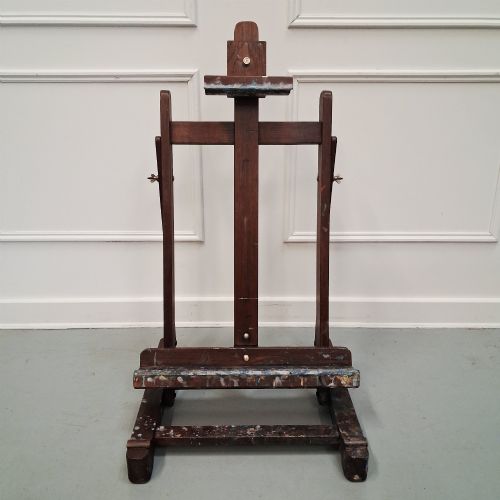
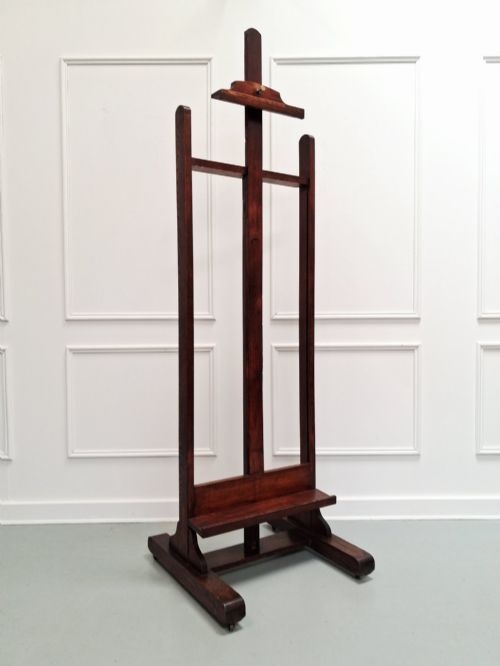
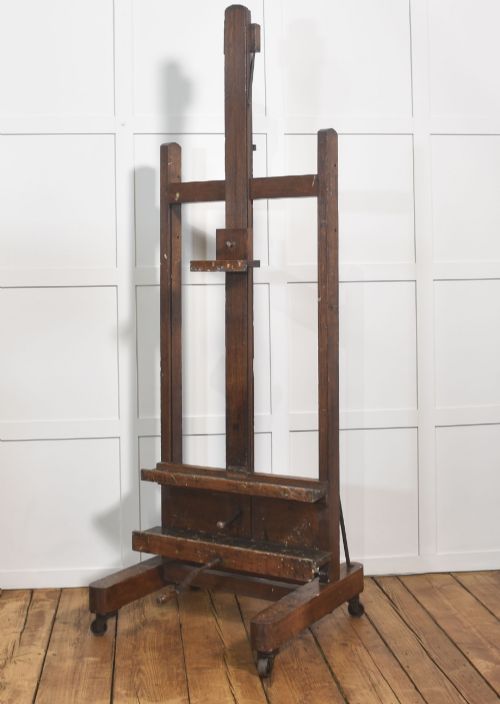
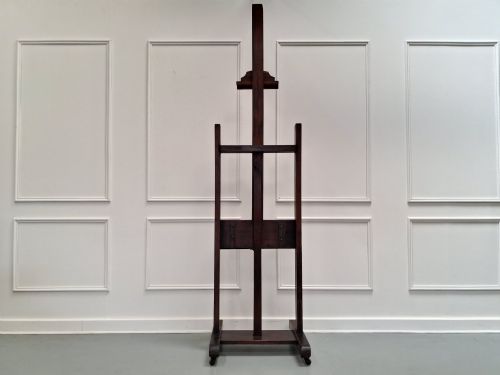
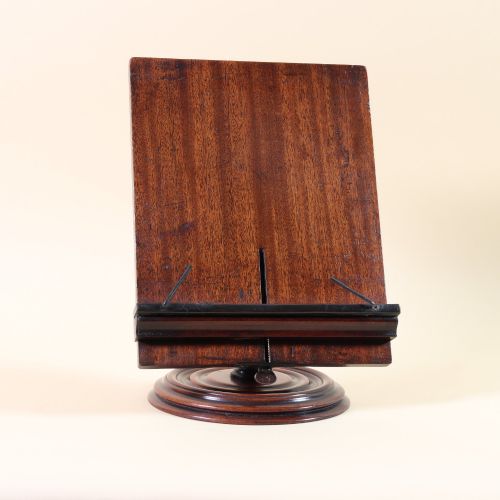
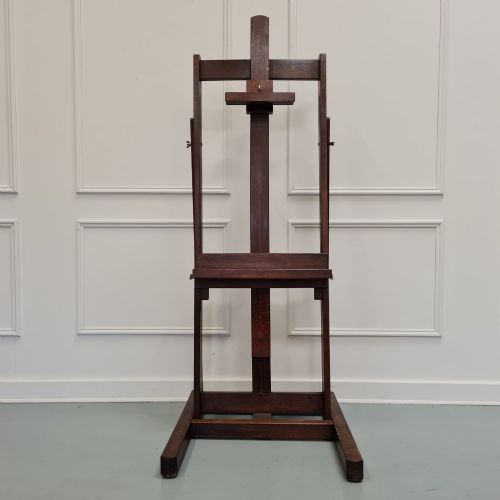
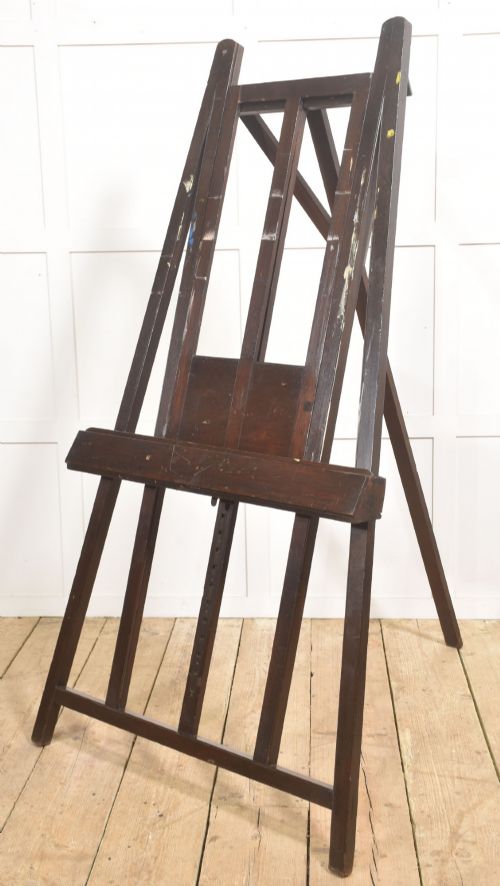
An adjustable wooden easel serves the painter, reader, and collector by positioning canvases, folios, or books at the correct working angle. The pieces on this page span the nineteenth century through the early twentieth century, taking forms such as large studio frames, tabletop models, and music stands.
Makers produced these stands in domestic and professional formats, including double-sided gallery examples, desk-top book rests, and architect picture racks. Oak and mahogany dominate the selection, alongside pitch pine and walnut, reflecting the preference for durable hardwoods.
The styles range from Georgian and Regency to Victorian and French provincial designs. Alongside standard studio easels, the selection includes folio stands and lecterns that share the same adjustable wooden framework.
What varies in quality
The sophistication of the mechanical adjustment system separates standard utility stands from finer studio examples. Heavy brass ratchets, smooth winding screws, and complex double-sided pivoting frames indicate superior workshop production.
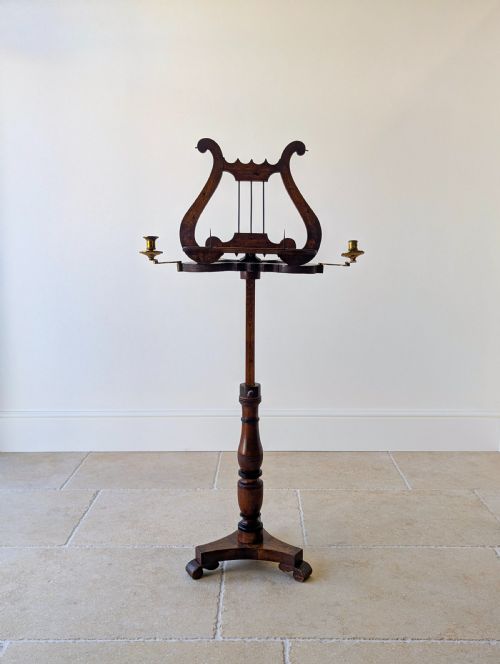
Timber selection and decorative carving determine the visual grade of an adjustable wooden easel. Finely figured mahogany, quarter-sawn oak, and sculptural elements like lyre forms or swan designs elevate plain functional objects into refined furnishings.
One nineteenth-century easel arrived accompanied by a swan design, proving that even a functional studio tool could sport a graceful bird.
Windsor and Newton·Roberson and Co London
The Adjustable Wooden Easel Glossary
- Studio easel
- A large, robust standing frame designed to hold heavy artist canvases during painting. These tall pieces often incorporate wheels or heavy bases for stability.
- Folio stand
- A low rack designed to hold large portfolios, prints, and architectural drawings flat or at a sloped viewing angle. They are sometimes called picture racks.
- Lectern
- A raised reading stand with a slanted top designed to hold books or sheets of music for a standing speaker or musician. Many feature adjustable wooden stems or pivoting reading ledges.
- Lyre-form
- A decorative furniture shape mimicking the frame of an ancient Greek lyre, commonly seen supporting the stems of Regency and Victorian music stands.
- Quarter-sawn
- A method of cutting logs that produces a distinct striped grain pattern in oak and increases the dimensional stability of the timber.
Adjustable Wooden Easel: Frequently Asked Questions
Can I use an antique studio easel for daily painting?
These robust nineteenth-century studio frames were built for professional painters and easily accommodate modern canvases.
Their adjustable mechanisms and heavy timber construction remain fully functional for working artists today.
How do I adjust the height on these frames?
Most models rely on a combination of wooden pegs, sliding frames, and brass or iron ratchets.
Turning keys or shifting the central support pins allows you to alter the height and tilt angle smoothly.
What is the difference between an easel and a folio stand?
An easel holds a single canvas or board upright for painting or display purposes.
A folio stand provides an open trough or rack specifically designed to store large flat sheets, prints, and architectural drawings.
Where were tabletop easels used?
Tabletop models served writers, readers, and miniaturists working on smaller books, panels, or manuscripts.
They sat upon desks and tables, offering the same adjustable viewing angles as their larger studio counterparts.
How do I identify a Regency music stand?
Regency music stands often feature classical architectural proportions, slender turned stems, and carved details such as lyre-shaped supports.
They utilise rich timbers like mahogany and typically date from the early nineteenth century.