
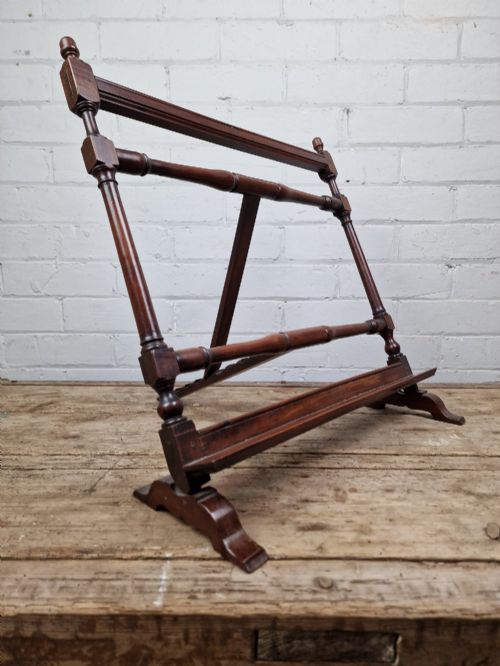


Dark Wood Picture Stand
These dark wood picture stand pieces hold artworks and displays firmly, offering the classic mahogany, oak, and rosewood frames that collectors prize for interiors.
Dark Wood Picture Stand
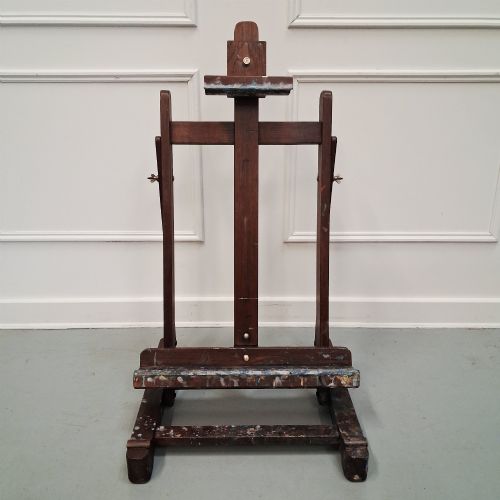
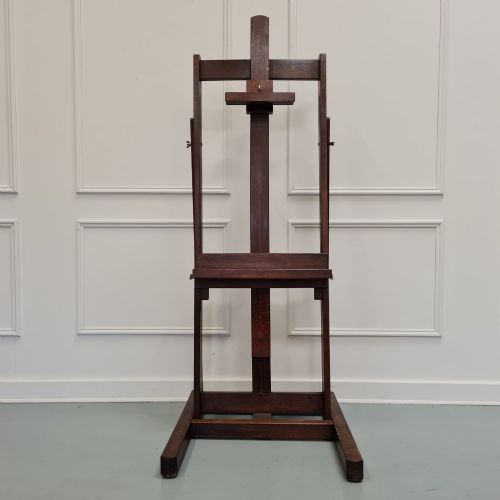
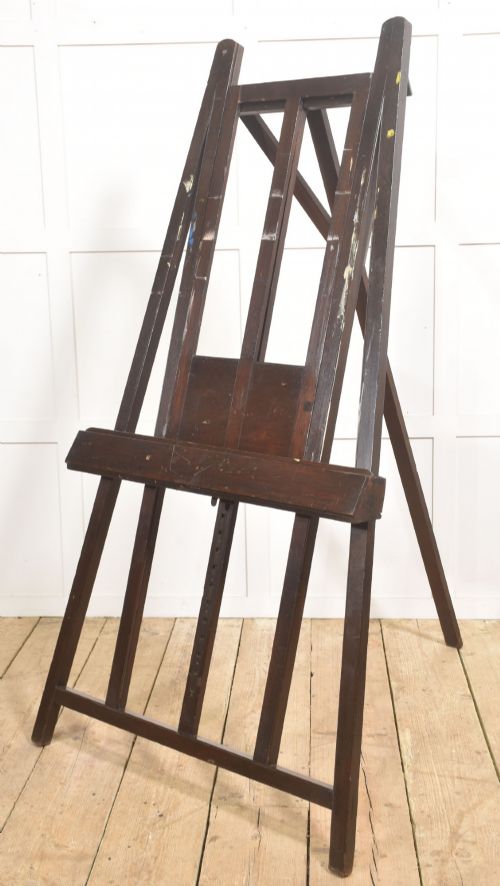
A dark wood picture stand bridges utility and display, functioning primarily as an easel, table screen, or plate stand to elevate artwork or decorative panels. When exploring dark wood picture stand selections, buyers frequently encounter tabletop easels and studio models shaped from dense timbers.
The objects span multiple eras, notably the nineteenth century, nineteen-ten, and nineteen-thirty, with Victorian and Georgian pieces appearing alongside French Provincial, Anglo-Indian, and traditional Chinese designs. These variations reflect diverse global cabinet-making traditions, ranging from portable tabletop display pieces to substantial studio equipment.
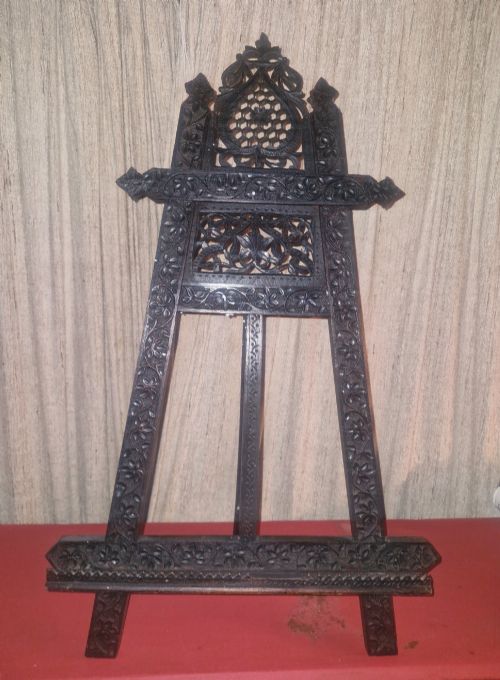
Makers utilised rich hardwoods including mahogany, oak, and rosewood, occasionally incorporating brass, iron, or silk inserts. The forms include adjustable studio easels, weighted plate stands, and intricately carved table screens featuring needlework or silk panels.
Materials and construction methods
Cabinet-makers constructed these items using dense timbers such as mahogany, oak, and rosewood, selecting them for structural strength and deep natural grain. Hardwood components were shaped and joined to support the weight of paintings and heavy plates.
Some nineteenth-century makers ensured heavy plates stayed upright by secretly weighting their wooden stands with lead.
Assessing quality in dark wood picture stands
Quality rests in the selection of the timber and the precision of the joinery, distinguishing sturdy studio and tabletop pieces from lighter decorative items. Dense hardwoods like mahogany and rosewood demonstrate superior durability over softer variants.
The sophistication of the mechanical adjustments, such as fully adjustable brass or iron mechanisms, marks the distinction between standard utilitarian items and finer workshop productions. Intricately carved detailing further elevates the standing of individual display pieces.
The Dark Wood Picture Stand Glossary
- Tabletop easel
- A portable stand designed to support paintings or plates on a desk, table, or cabinet. These compact versions provide adjustable display angles without requiring floor space.
- Studio easel
- A large, robust freestanding wooden frame used by artists to hold canvases during painting. They often feature complex winding mechanisms and heavy bases for stability.
- Table screen
- A decorative panel mounted on a carved wooden stand, traditionally used in interiors for privacy or aesthetic enhancement. They frequently display silk embroidery or needlework pictures.
- Plate stand
- A specialised display rack designed to hold ceramic plates upright for viewing. Weighted models prevent tipping when supporting heavy porcelain.
Dark Wood Picture Stand: Frequently Asked Questions
What is a dark wood picture stand used for?
These stands hold paintings, photographs, plates, and decorative panels securely on tabletops or floors. They provide a stable and adjustable angle for viewing artworks.
Collectors also use them to display antique textiles, silk panels, and framed needlework pictures within domestic interiors.
How do I date a wooden easel?
Dating relies on examining the timber species, joinery techniques, and metal hardware such as brass or iron screws. Styles also offer strong clues, ranging from Georgian and Victorian to nineteen-thirty French designs.
Maker's marks or registration stamps, when present, help narrow the exact period of production.
Are these stands adjustable?
Many of the larger studio easels and tabletop models feature fully adjustable mechanisms. These allow the user to alter the height and tilt of the displayed item.
Simpler plate stands and table screens are typically fixed in their display position.
What woods are commonly found?
Mahogany, oak, and rosewood appear frequently across the selection, prized for their strength and deep colour. Hardwood and general hardwood descriptions also denote dense structural timbers.
Secondary materials like brass, iron, and silk often accompany the wooden frames.