
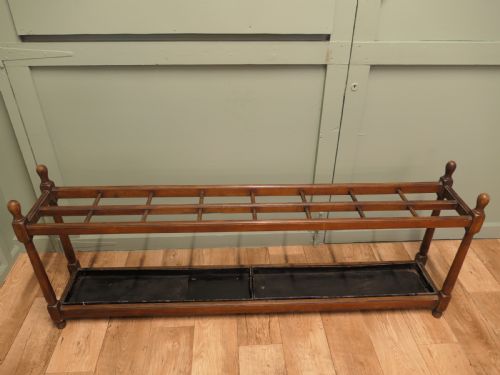
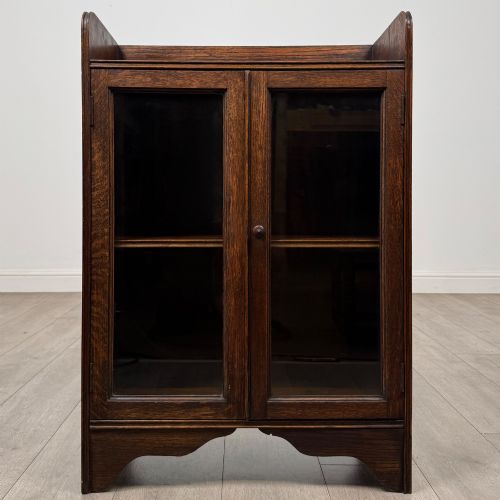
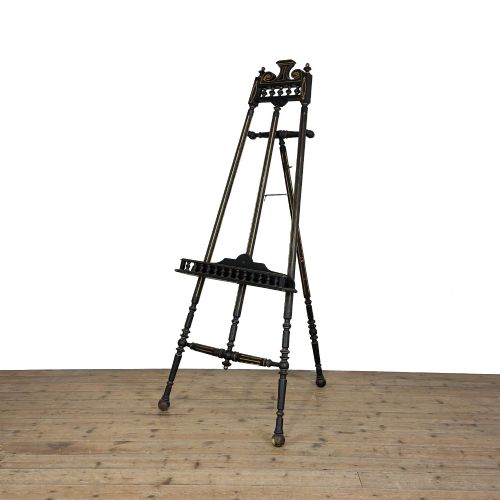
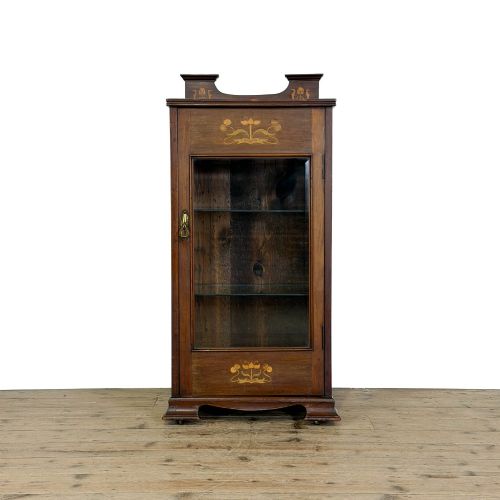
Antique Art Display Stand
An antique art display stand elevates a prized piece, bringing presence to cabinets, easels, and pedestals.
Antique Art Display Stand
An antique art display stand encompasses a diverse range of furnishings designed to support, hold, or exhibit creative works and objects. Buyers searching this phrase encounter practical items that elevate visual pieces within domestic spaces.
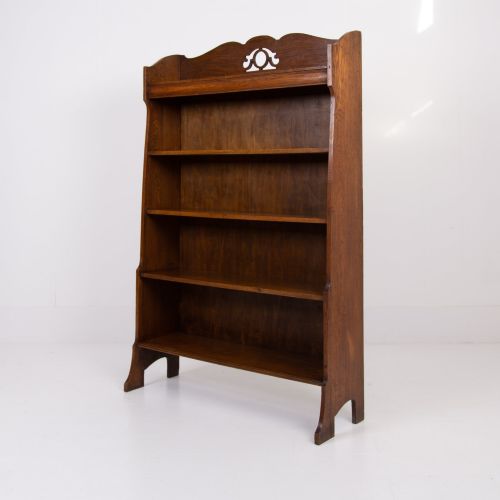
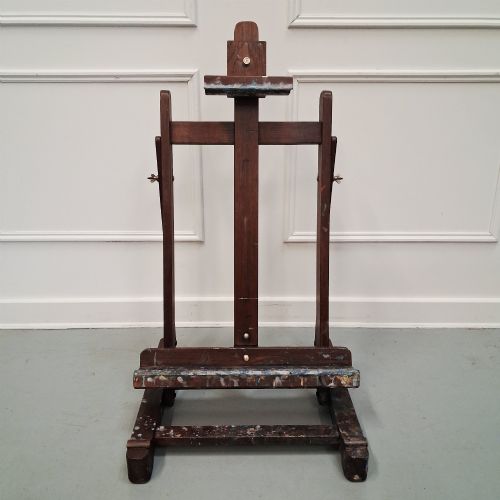
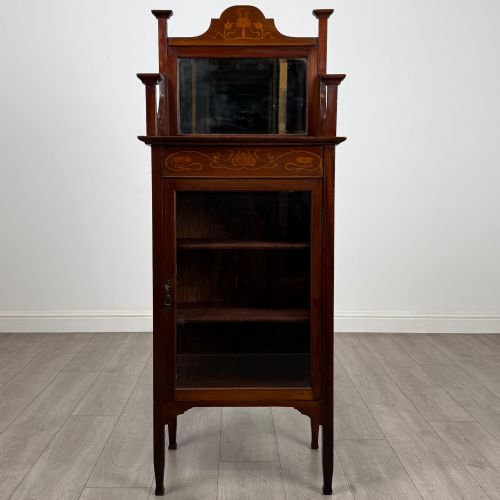
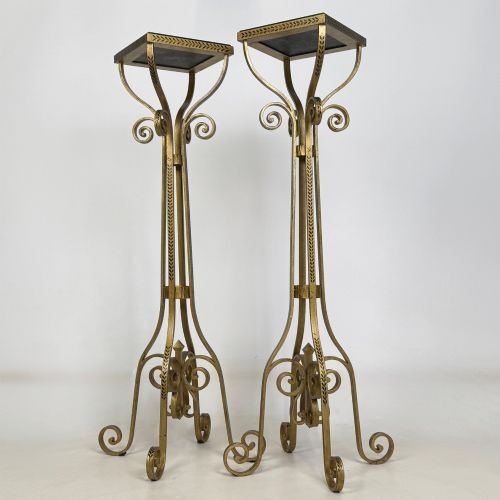
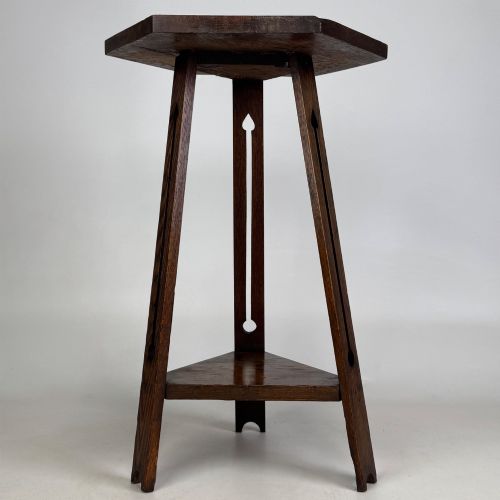
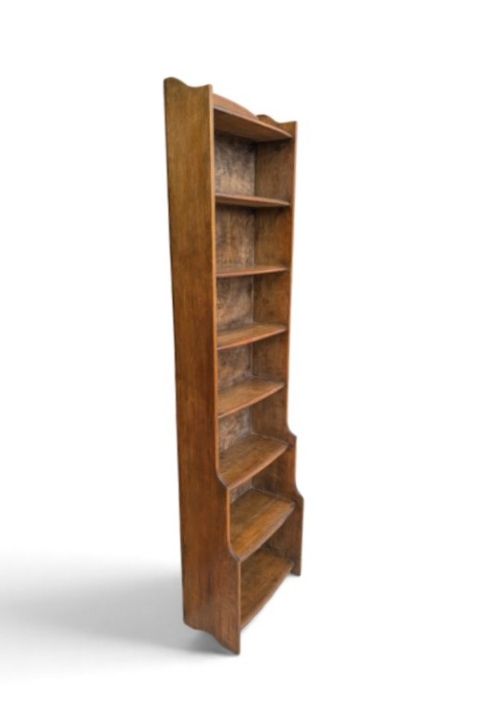
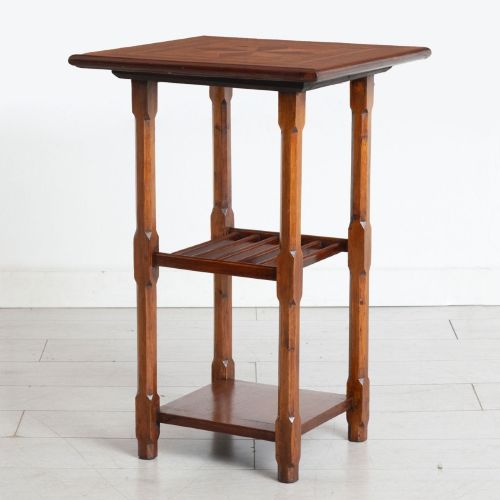
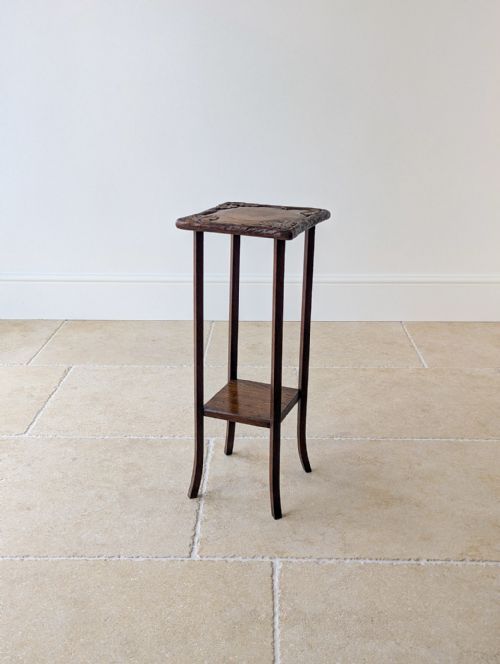
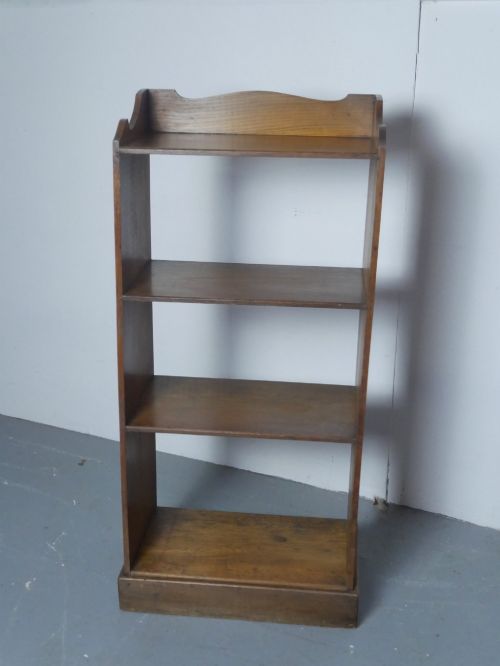
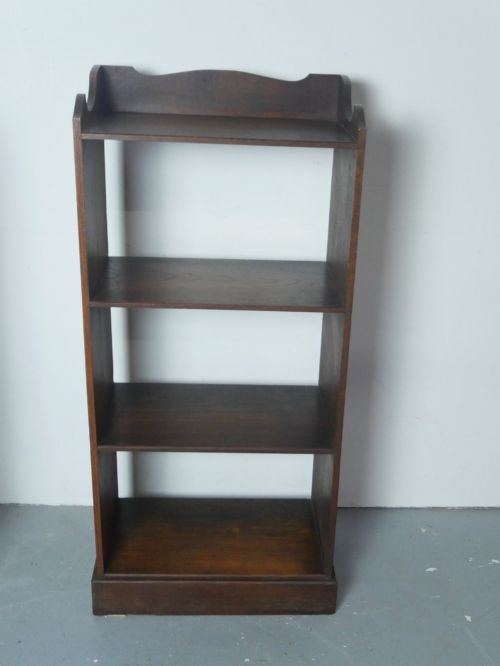
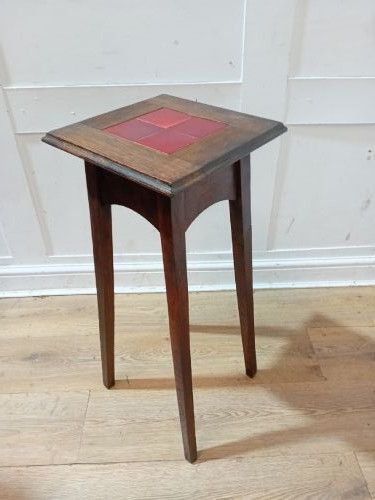
The selection on this page leans heavily toward pieces from the Victorian and Edwardian eras, alongside early twentieth-century examples. Common forms include floor-standing and tabletop easels, display cabinets, plant stands, pedestals, and open bookcases.
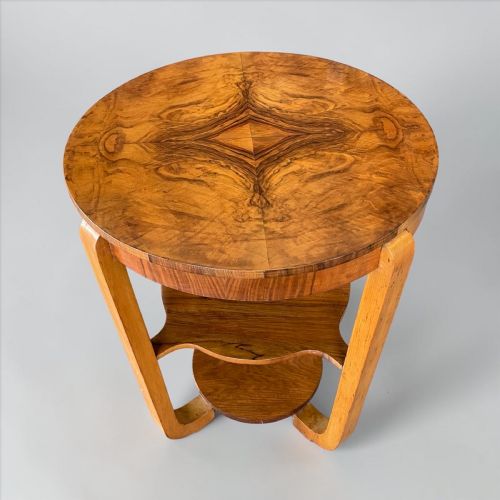
Stylistically, these items reflect movements such as Arts and Crafts, Art Nouveau, Art Deco, and the Aesthetic Movement. Makers and designers utilised varied forms to suit changing domestic interiors throughout the nineteenth and twentieth centuries.
How they were made
Makers constructed these stands primarily using traditional timber varieties, notably oak, mahogany, walnut, beech, and pitch pine. Ebonised wood and satinwood also appear, providing contrasting dark and light finishes for specific aesthetic movements.
Techniques range from sturdy cabinet-making for bookcases and side cabinets to adjustable mechanisms on studio and display easels. Joinery methods reflect the period of origin, from nineteenth-century gallery frames to early twentieth-century cut-out motifs.
Listings span the nineteenth century through the 1930s, featuring oak, mahogany, walnut, brass, and glass across Arts and Crafts, Art Deco, and Victorian styles.
What varies in quality
Quality separates standard utilitarian furniture from exceptional artistic pieces through the refinement of timber selection and decorative execution. Figured walnut, intricate hand-carving, and thoughtful inlay distinguish superior examples.
The integrity of construction governs the standard of functional items like easels and cabinets, where smooth operation of adjustable parts or well-fitted glazed doors demonstrates superior workmanship.
Stylistic coherence marks the upper end of the range, particularly in pieces bearing specific design movement characteristics or retailer attributions that elevate them above simpler regional workshop output.
Liberty & Co.·Liberty of London
The Antique Art Display Stand Glossary
- Easel
- A upright support used for holding an artist's work or displaying a finished piece. These range from heavy studio models to delicate tabletop versions.
- Pedestal
- A structural support or plinth used to elevate sculptures, busts, or plant stands. They appear in marble, faux marble, and various timbers.
- Ebonised
- Wood treated with a finish to give the appearance of ebony. This dark surface treatment is common in Aesthetic Movement and Victorian pieces.
- Inlay
- A decorative technique where contrasting materials are inserted into the wood surface. Mother-of-pearl and lighter woods frequently form these patterns.
- Jardiniere
- A decorative pot or stand designed to hold plants or floral arrangements. They often form part of Edwardian and Arts and Crafts interiors.
Antique Art Display Stand: Frequently Asked Questions
What is an antique art display stand used for?
These items serve to showcase paintings, sculptures, books, and decorative objects within a room. They lift items to eye level and provide a dedicated focal point for collections.
Different forms suit different objects, from easels holding canvases to pedestals supporting busts and cabinets enclosing fragile curiosities.
How do I identify an Arts and Crafts stand?
Arts and Crafts pieces typically display honest construction methods, visible joinery, and natural timber grains like oak. They often feature decorative cut-outs or simple geometric motifs.
Unlike heavily ornamented Victorian styles, these items emphasise utility and the handcrafted nature of the woodwork.
Where should I place a display easel at home?
Display easels work well in corners or against blank walls where they can hold framed art, photographs, or mirrors safely. Floor-standing models require adequate clearance to remain stable.
Tabletop easels sit comfortably on side tables, sideboards, or desks to highlight smaller framed works.
What materials are most common in these stands?
Oak and mahogany dominate the selection, appearing across bookcases, cabinets, and easels from the nineteenth and twentieth centuries. Walnut, beech, and pine also feature frequently.
Additional materials include brass hardware, glass panels, marble tops, and decorative ebonised wood finishes.