
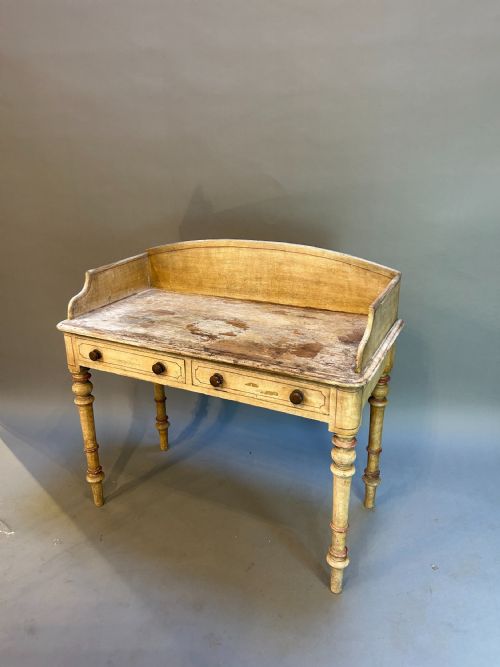
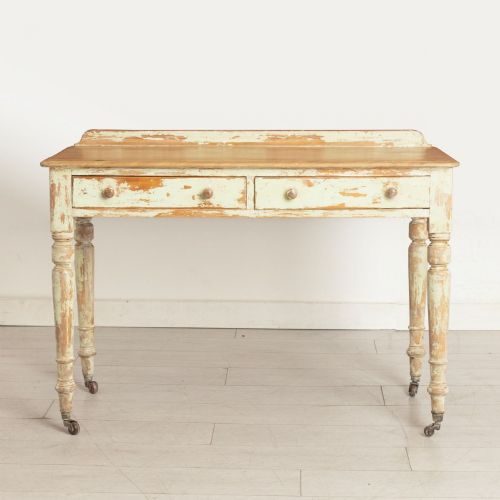
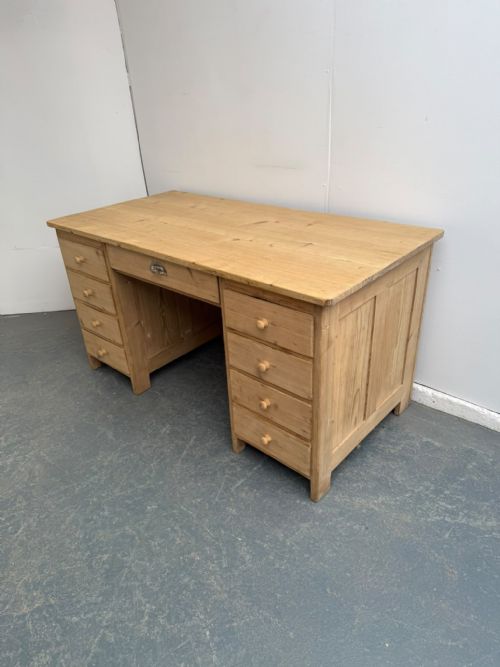
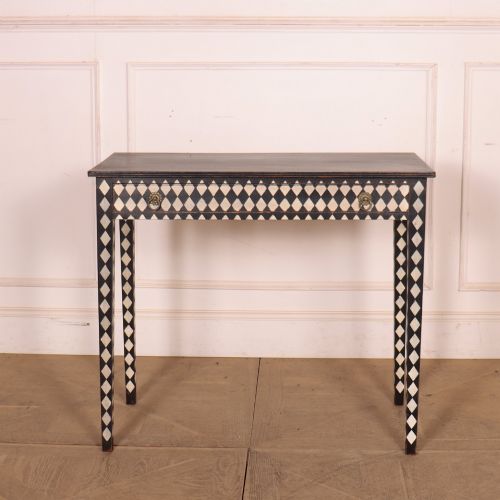
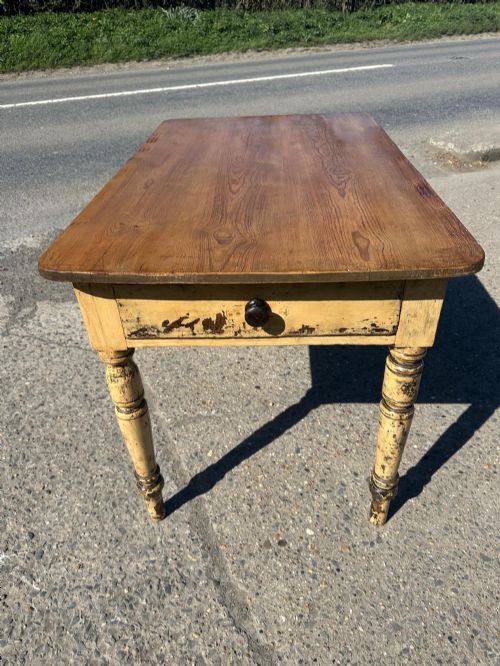
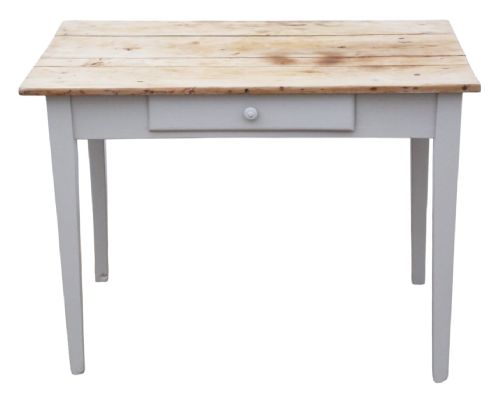
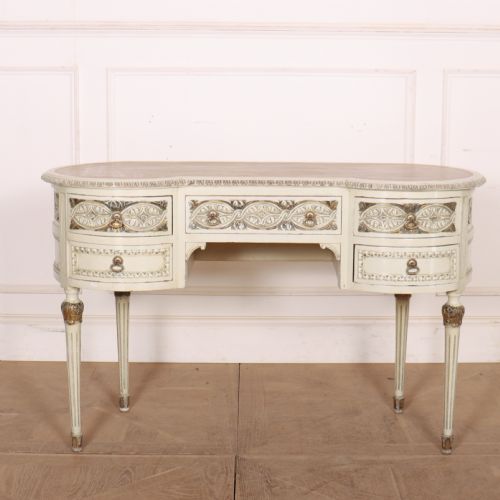


Vintage Painted Writing Table
A vintage painted writing table brings functional surface area and decorative charm together through muted tones and time-worn timber.
Vintage Painted Writing Table
A vintage painted writing table spans several distinct eras, drawing heavily on nineteenth-century craftsmanship and early twentieth-century country aesthetics. Pieces range from formal French kneehole desks to rustic Scandinavian and English side tables adapted for writing tasks.
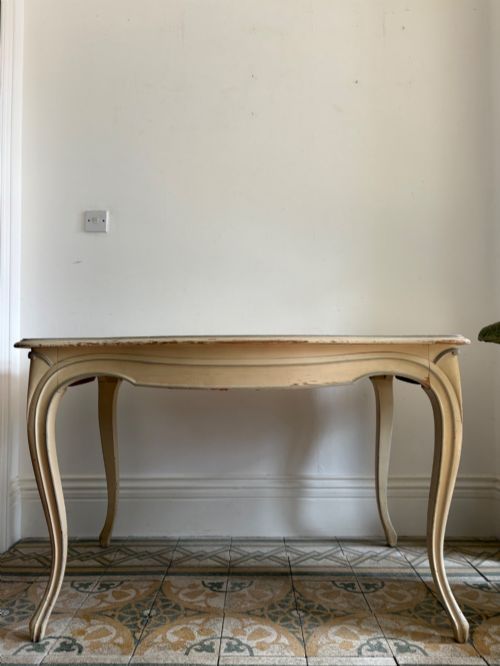
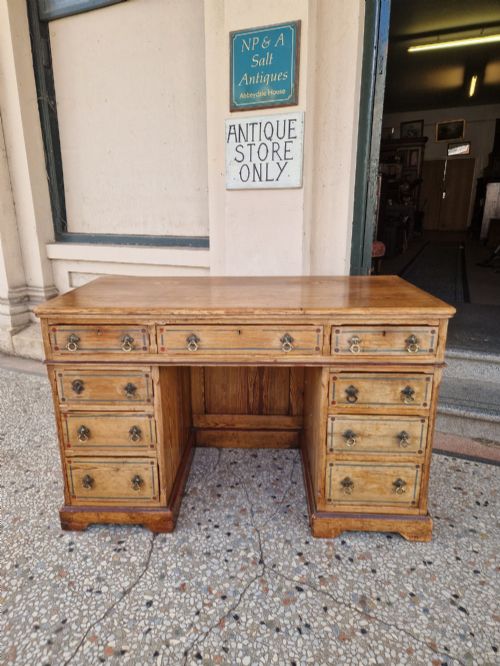
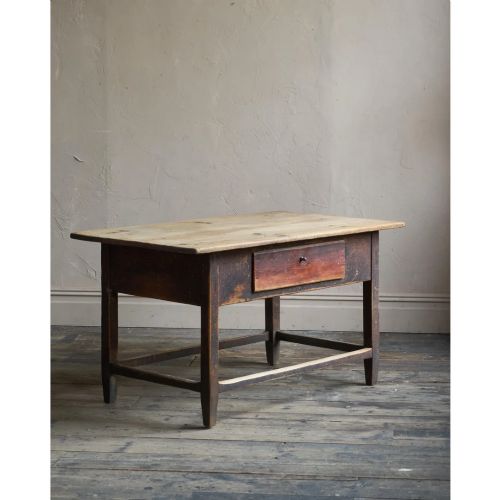
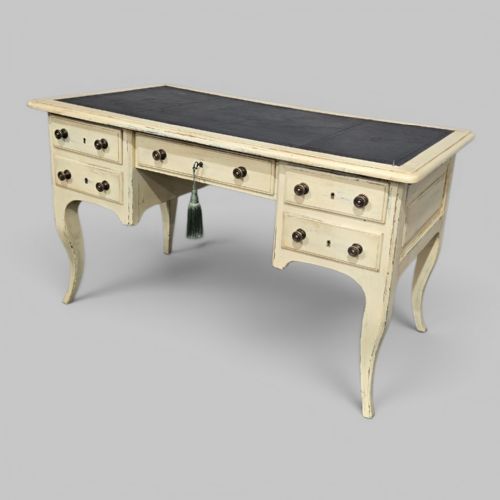
Buyers will encounter varied forms on this page, including kidney-shaped desks, serpentine fronts, and simple pine tables fitted with drawers. Many examples combine painted wooden bases with contrasting timber tops or leather writing surfaces.
Origins stretch across English, French, and Swedish workshops, utilising local softwoods and hardwoods like pine, birch, and mahogany. These tables serve as practical workspaces or decorative console surfaces in modern interiors.
Materials and construction methods
Construction relies primarily on traditional timber framing using pine, mahogany, and birch, often enhanced by applied layers of paint to the structural frames. Surface decoration includes hand-painted finishes, lacquering, and occasionally inset suede or leather panels for writing surfaces.
Cabinetmakers utilised sturdy joints and brass hardware, pairing solid timber tops with painted bodies in styles ranging from French Provincial to English Country. Many items incorporate box stretchers, cabriole legs, or multi-drawer arrangements to ensure stability and storage.
One remarkably travelled mahogany table carries a later sign written for the Midland Grand Hotel.
Evaluating quality and finish
Quality in these pieces rests upon the integrity of the timber frame, the originality of the painted surface, and the subtlety of decorative details such as carving or serpentine shaping. Tables retaining their early or original paint layers command greater interest than those subjected to modern repainting.
The sophistication of the design, from simple pine kitchen adaptations to satinwood dressing desks with intricate compartments, dictates the tier of the piece. Refined proportions, harmonious colour palettes, and well-executed joinery separate standard utility tables from finer decorative examples.
The Vintage Painted Writing Table Glossary
- Kneehole desk
- A writing table featuring a central recess for the user's legs, flanked by pedestals or columns of drawers.
- Suede top
- A writing surface inset with soft napped leather or suede, often bordered by decorative tooling.
- Serpentine front
- A furniture front curved with a convex centre flanked by concave ends, creating a gentle wave shape.
- Box stretcher
- Horizontal wooden bracing connecting the lower legs of a table to increase rigidity and strength.
- Lowboy
- A small dressing or writing table on relatively tall legs, typically equipped with one or more drawers beneath the top.
Vintage Painted Writing Table: Frequently Asked Questions
How do I use a vintage painted writing table today?
These tables function well as compact laptop desks in home offices, studies, or living spaces.
Their decorative painted finishes also allow them to double as console tables or hallway surfaces.
What woods were commonly used for these desks?
Cabinetmakers frequently utilised pine, birch, and mahogany for the primary structure and drawer construction.
Satinwood and walnut appear on more decorative or refined examples from the later periods.
How can I tell Swedish painted tables apart from English ones?
Swedish pieces often feature lighter, milky paint palettes and clean country lines derived from Scandinavian traditions.
English variants tend to lean towards darker timber tones, traditional bracket feet, or regional painted pine styles.
Are the leather inserts on the desks original?
Many writing tables retain period leather or suede writing surfaces, often showing patination from age and use.
Some pieces feature later replacement inserts depending on the restoration history of the specific desk.