
Vintage Painted Table
A vintage painted table brings colour and character into a room, offering practical surface space alongside hand-applied finishes from the nineteenth and twentieth centuries.
Vintage Painted Table
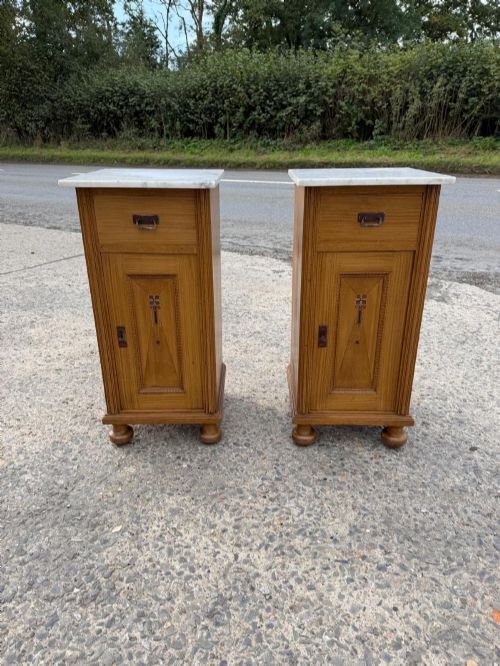
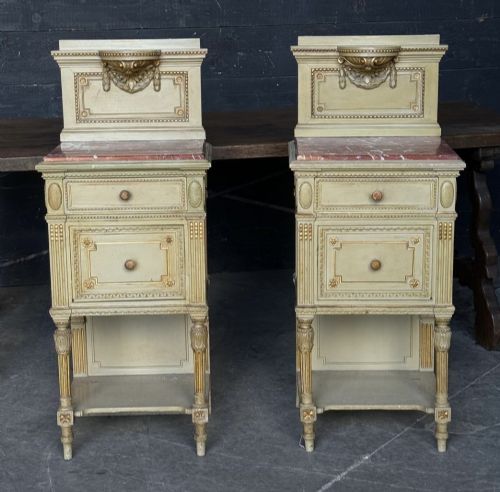
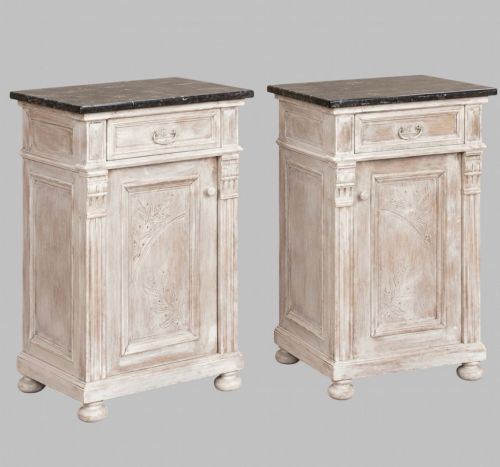
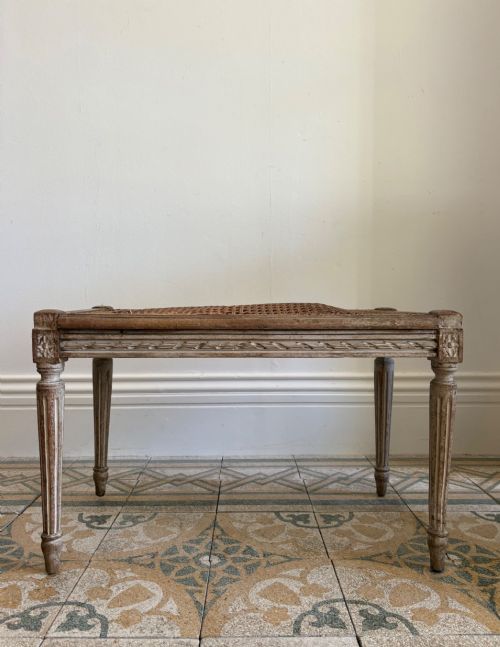
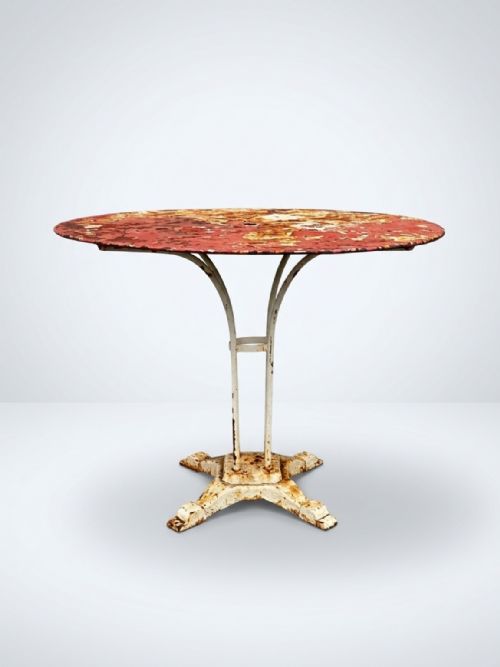
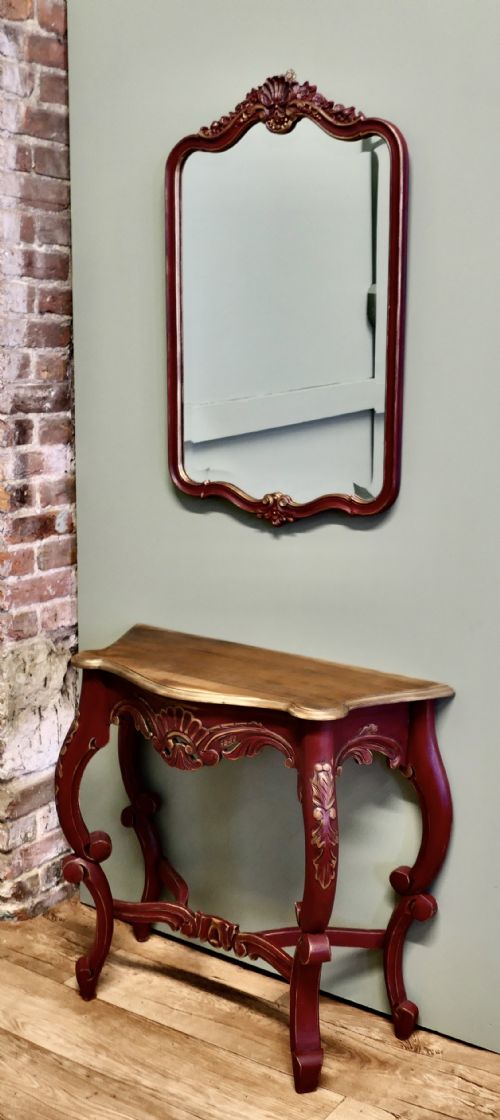
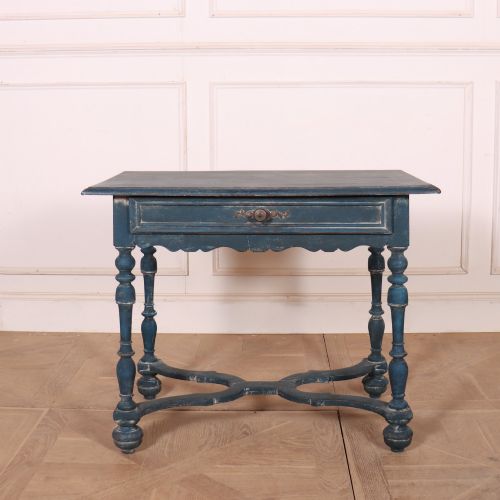
When you search for a vintage painted table, you encounter a varied selection of occasional furniture spanning periods from the Victorian era through the 1930s. The listings present numerous side tables, console tables, and bedside cabinets finished with paint, lacquer, or scumble effects.
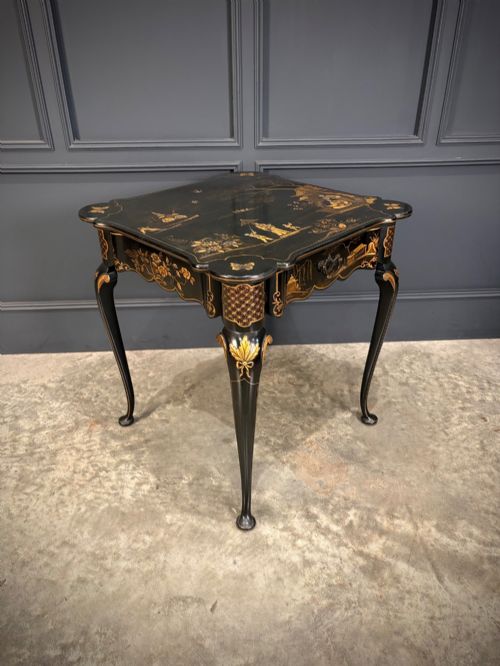
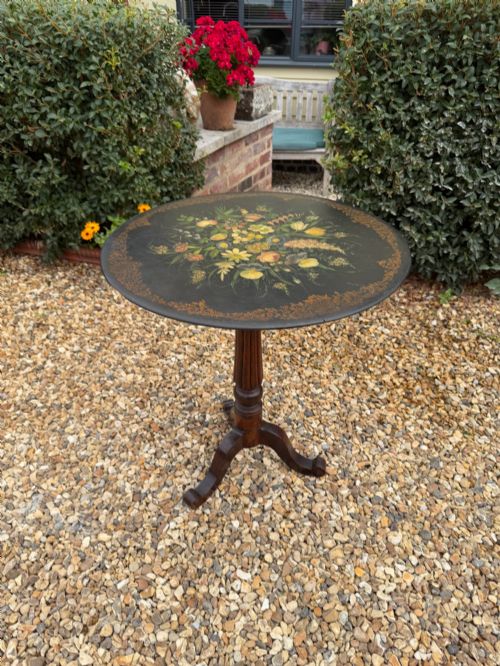
Most examples originate from English, French, and Scandinavian traditions, encompassing styles such as Chinoiserie, French Provincial, and English Country. Side tables and occasional tables dominate the selection, often featuring decorative floral motifs or hand-painted details upon pine, mahogany, or satinwood.
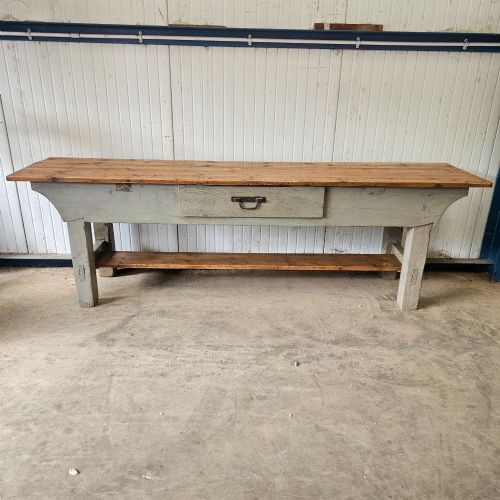
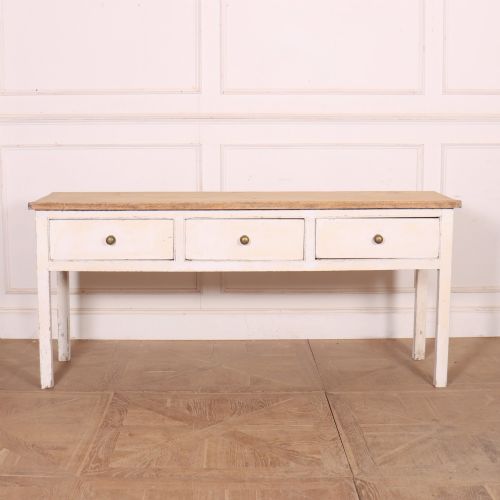
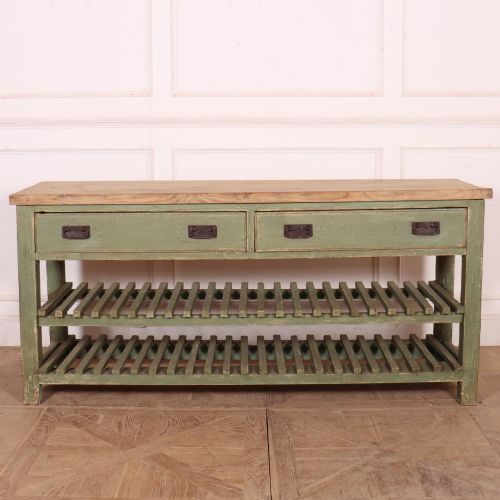
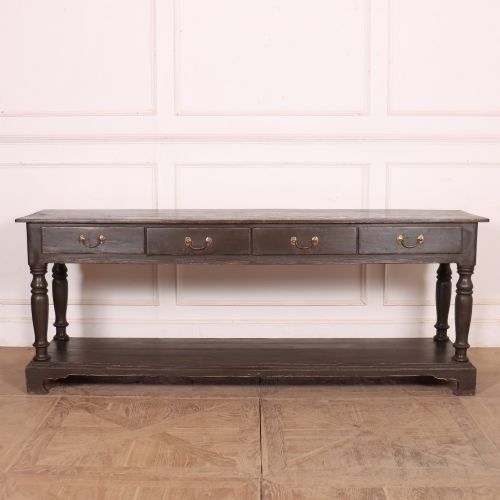
Pieces range from simple nineteenth-century dairy and drapers tables in original paint to more ornamental early twentieth-century occasional pieces. Buyers also find tray tables and lamp tables that demonstrate how colour and pattern were applied to domestic wooden furniture across different decades.
How they were made
Construction relies upon traditional cabinet timbers such as pine, oak, mahogany, and satinwood, which provide sturdy frames for decorative surface treatments. Joinery methods reflect the period of manufacture, utilising solid planks, turned legs, and dovetailed drawers where applicable.
Surfaces receive hand-applied paint, lacquer, or gilt details, sometimes layered over gesso or prepared grounds to achieve specific decorative effects. Artisans employed techniques like scumble glazing, Chinoiserie lacquering, and delicate floral brushwork to transform standard wooden surfaces into distinct decorative objects.
A cast metal table lighter shaped as a Scottie dog waits patiently among the tables.
What varies in quality
The degree of preservation in the original painted or lacquered surface determines much of the distinction between pieces, with untouched historic finishes holding particular interest. Subtle hand-painted details, such as floral decoration or pictorial scenes, reflect the skill of the artisan who executed them.
Timber selection and structural integrity also separate standard utility items from finer decorative pieces, as seen in the choice of satinwood or mahogany versus basic pine. The harmony between the form of the table and the execution of its decorative finish dictates the overall success of the piece.
Maples of London and Paris
The Vintage Painted Table Glossary
- Chinoiserie
- European decorative style inspired by Chinese art, featuring lacquered surfaces and painted motifs of figures, landscapes, or pagodas. This technique appears frequently on nineteenth and twentieth-century cabinets and tables.
- Scumble
- A decorative painting technique where a translucent glaze is manipulated over a lighter base coat to simulate wood grain or create textured patterns. Victorian examples often showcase this method on pine furniture.
- Satinwood
- A durable hardwood with a natural golden sheen and fine grain, frequently used in Edwardian and later furniture. It provides a pale, smooth ground suitable for painted floral decorations.
- Tray table
- A piece of furniture comprising a removable serving tray set upon a folding or fixed wooden stand. Examples often feature decorated or painted scenes on the tray surface.
- Console table
- A table designed to stand against a wall, frequently supported by decorative legs or brackets. These pieces often feature painted timber or marble tops.
Vintage Painted Table: Frequently Asked Questions
What is a vintage painted table?
A vintage painted table is a piece of wooden furniture finished with decorative paint, lacquer, or scumble effects, dating from the nineteenth or early twentieth century. These items include side tables, console tables, and bedside cabinets made in various European and Asian styles.
Such tables served practical purposes in domestic settings while adding decorative colour to rooms. They range from utilitarian pine dairy tables to refined satinwood occasional tables adorned with floral motifs.
How do I date a painted table?
Dating relies on examining the underlying timber construction, joinery methods, and the characteristics of the paint or lacquer layer. Different eras favoured specific woods, such as heavy pine in the nineteenth century and lighter satinwood or painted hardwoods in the Edwardian period and the 1920s.
Style indicators also help establish age, as seen in the ornate lacquerwork of Chinoiserie pieces or the clean lines associated with early twentieth-century design. Comparing the wear patterns on the painted surface with the age of the wood provides further clues.
Where were these tables used?
These tables functioned in various rooms across the home, from parlours and bedrooms to hallways and dairies. Side tables and console tables provided surface space for lamps, ornaments, or serving items in reception rooms.
Smaller occasional pieces and bedside cabinets were placed in bedrooms to hold personal items and lighting. Utility tables served functional workspaces in domestic or agricultural settings before finding new life in modern interiors.
How do I care for original paint?
Preserving original paint requires avoiding harsh chemical cleaners and modern abrasives that can strip or damage historic finishes. Dusting gently with a soft, dry cloth helps maintain the surface without introducing moisture.
Keep the tables away from direct sunlight and excessive humidity to prevent the wood beneath from expanding and cracking the paint layer. Wax or specialist consolidants should only be applied if recommended for the specific type of historic finish.