


Vintage Painted Statue
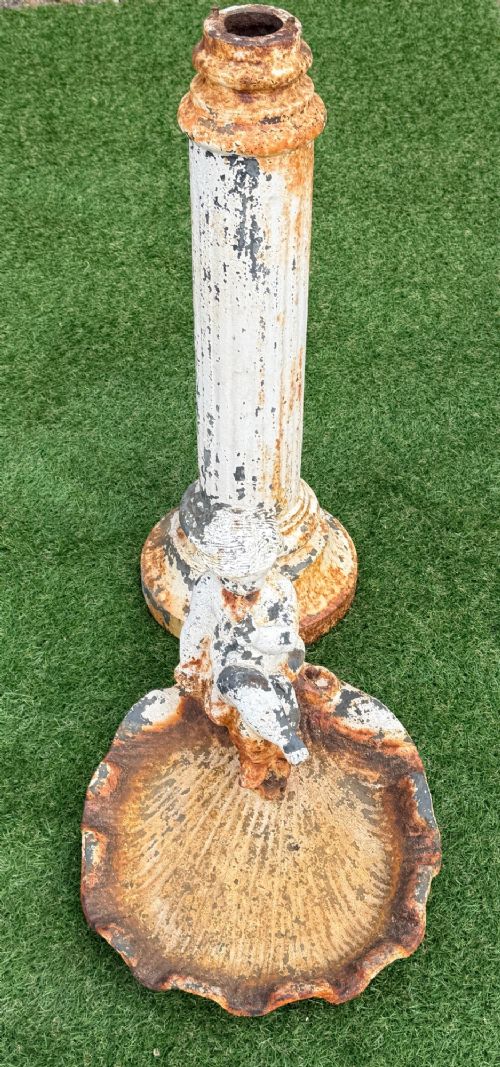
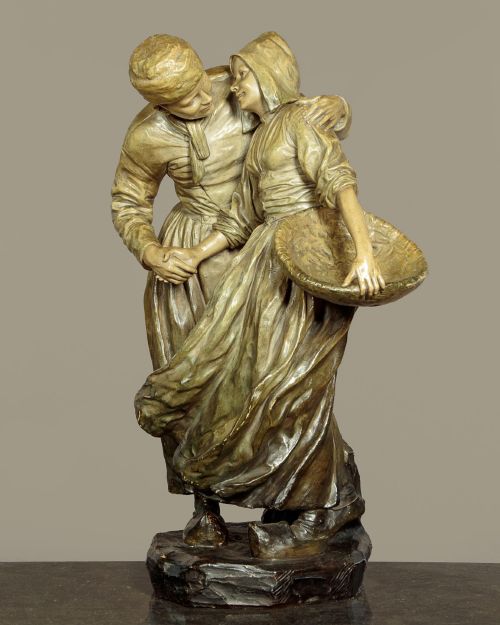
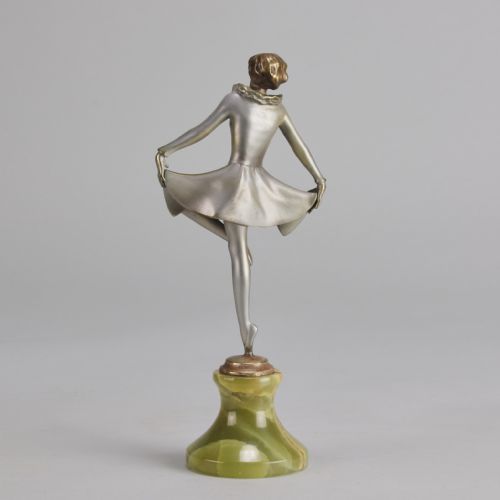
A vintage painted statue brings character and history into a room, spanning delicate porcelain and cold-painted bronze from the nineteenth and twentieth centuries.
Vintage Painted Statue
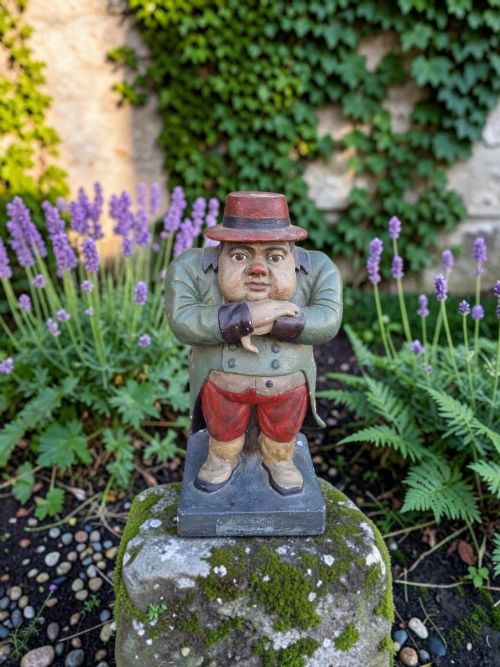
A vintage painted statue encompasses a broad sweep of sculptural forms, ranging from delicate English porcelain and bone china to robust cast iron, terracotta, and wood. When searching for this phrase, collectors encounter diverse expressions spanning Victorian figural groups, Edwardian studies, and Art Deco dancers.
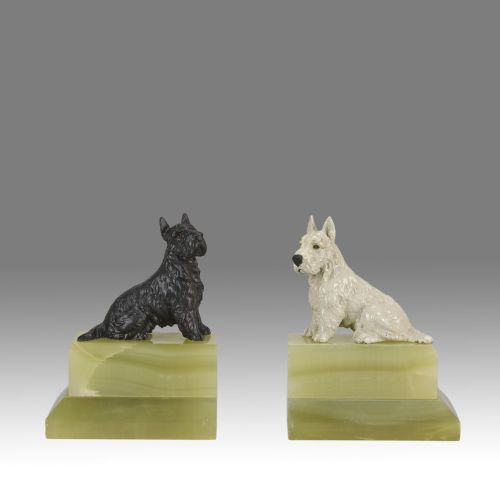
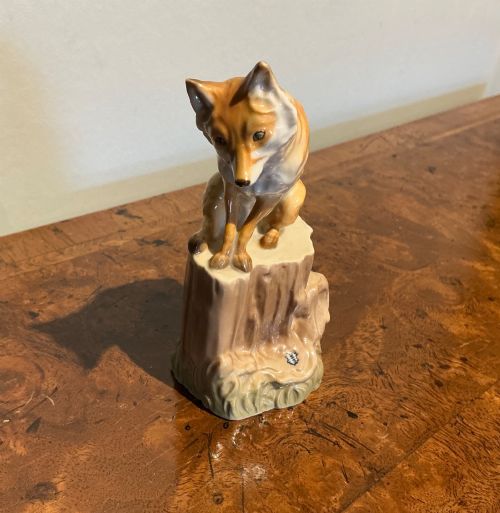
The objects take many shapes, including animal studies, human figures, bookends, and trade signs. Pieces originate from multiple traditions, incorporating German decorative porcelain, Austrian cold-painted bronzes, and folk art carvings.
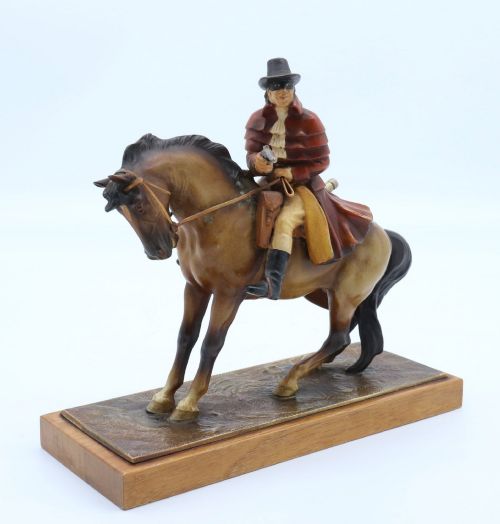
On this page, the most frequent encounters are twentieth-century cold-painted bronzes and English porcelain figurines alongside Victorian and Edwardian terracotta and ceramic works. Each category brings a distinct material history and decorative purpose to domestic interiors.
Materials and technique
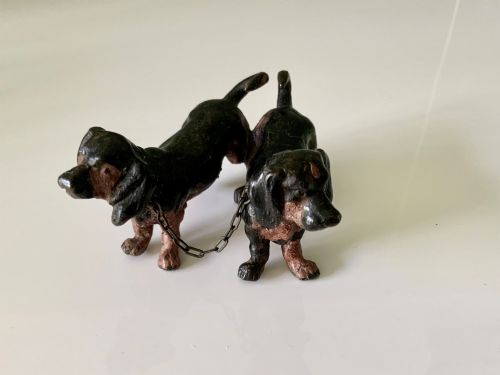
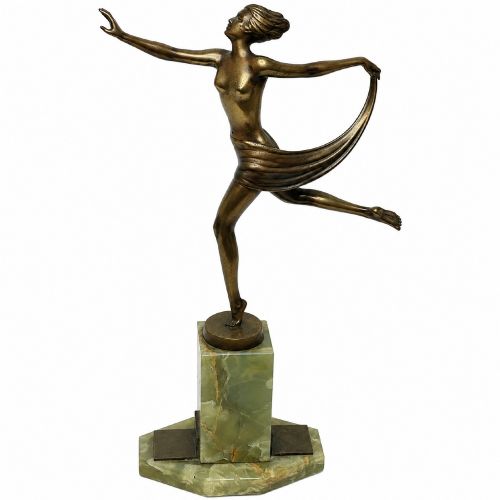
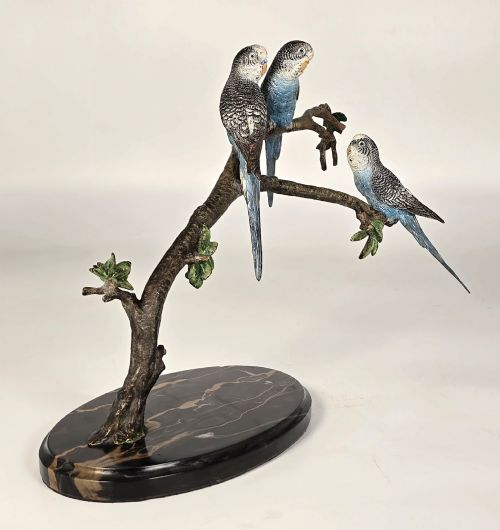
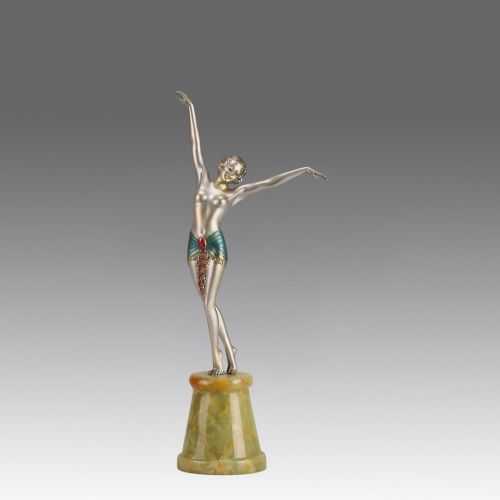
Bronze sculptures rely on metal casting followed by cold-painting, a technique where polychrome pigments are applied to the finished metal surface without firing. This method permits intricate detailing on small figures of animals and dancers.
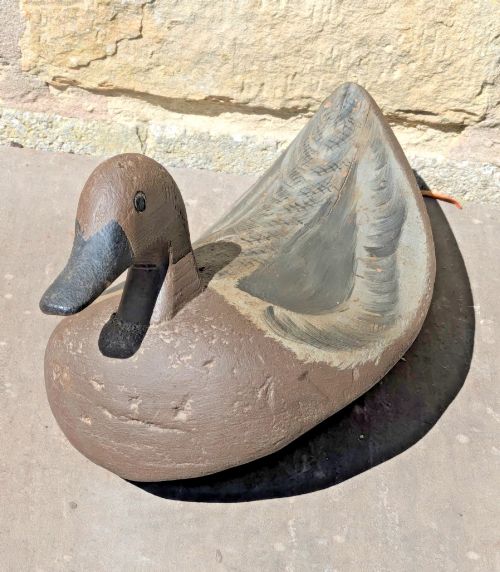
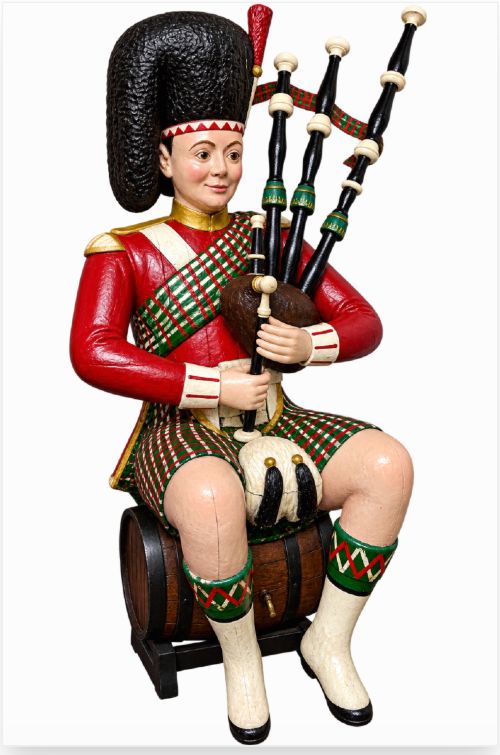
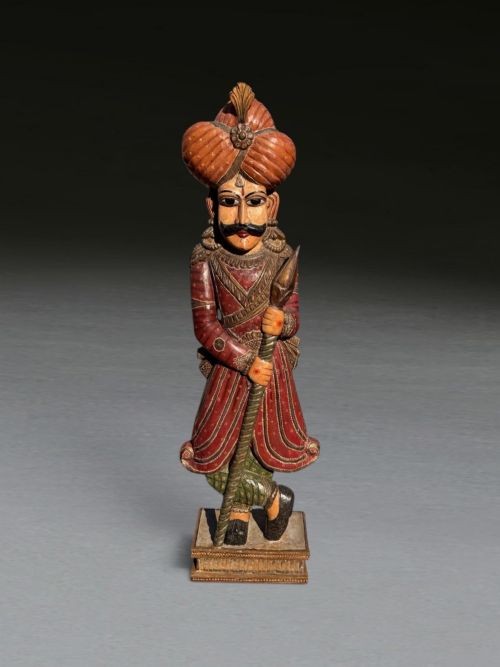
Ceramic and porcelain works undergo high-temperature kiln firing before receiving hand-painted enamel colours and glazes. Wood, terracotta, and plaster sculptures involve carving, moulding, or casting, finished with layers of traditional paint.
Makers combine structural materials with surface pigments to create depth and realism in human and animal subjects. The interaction between the base medium and the applied paint defines the tactile presence of each piece.
The site listings feature works spanning from the Victorian era through the 1960s, incorporating paint, bronze, porcelain, wood, and terracotta.
Distinctions in quality
Quality rests upon the finesse of the modelling and the preservation of the original painted surface. Master modellers achieve expressive lines and balanced proportions that elevate simple materials into compelling sculptural statements.
The survival of original polychrome paint without heavy overpainting dictates the integrity of a piece. Finer examples retain their original factory or studio brushwork, showing subtle tonal gradations and precise linework.
Distinction also lies in the reputation of the workshop or foundry, such as designated porcelain factories or documented bronze founders. Superior casting and finishing distinguish works by renowned makers from commercial or unmarked productions.
Franz Bergman·Pierre le Faguays·Ferdinand Preiss·Josef Lorenzl·Goldscheider·Charles Vyse
The Vintage Painted Statue Glossary
- Cold-painted bronze
- A bronze sculpture decorated with unfired oil or enamel paints applied after the casting process. This technique flourished in Austrian workshops during the late nineteenth and early twentieth centuries.
- Bone china
- A type of porcelain incorporating animal bone ash, producing a strong, milky-white body suitable for detailed figurines. English potteries utilised this medium extensively for painted character studies.
- Terracotta
- Fired, unglazed or glazed clay varying in colour from red to buff. Artisans model figures directly in this earthy material before baking and painting them.
- Polychrome
- A term describing objects decorated in multiple colours. It applies directly to the painted surfaces found across these sculptures.
- Okimono
- A Japanese decorative figurine designed for display on a shelf or in a tokonoma alcove. These carved and painted figures represent various traditional subjects.
Vintage Painted Statue: Frequently Asked Questions
How do I clean a painted bronze?
Dust the surface gently with a soft, dry brush to prevent accumulating dirt. Avoid using water, liquid cleaners, or solvents, as these agents can strip the delicate cold-painted colours from the metal.
Keep the piece away from direct sunlight and damp environments to preserve the integrity of the paint. Proper dry maintenance ensures the original pigments remain stable over time.
Were these statues meant for display?
Most of these pieces served as decorative ornaments, mantlepiece focal points, or functional items such as bookends and trade signs. Their primary purpose was domestic adornment within Victorian, Edwardian, and Art Deco interiors.
Certain figures, such as porcelain ladies and bronze animals, were collected as cabinet pieces or mantle displays. Their intricate hand-painting was tailored specifically for close indoor viewing.
How can I tell the period?
Stylistic markers offer clear indicators, such as the sleek geometric lines of Art Deco or the ornate detailing of Victorian and Edwardian pieces. Materials and construction methods also align with specific manufacturing eras.
Examining base markings, factory stamps, and artist signatures helps anchor a piece in time. Comparing the subject matter to documented historical designs confirms the likely production decade.
Where should I place them?
Position these statues in stable locations away from high-traffic edges, direct heat sources, and strong sunlight. Sturdy shelves, mantelpieces, or display cabinets provide secure housing for delicate porcelain and bronze forms.
Allow enough surrounding space for the sculpture to be viewed comfortably from multiple angles. Proper placement protects fragile painted finishes while highlighting the sculptural form.