

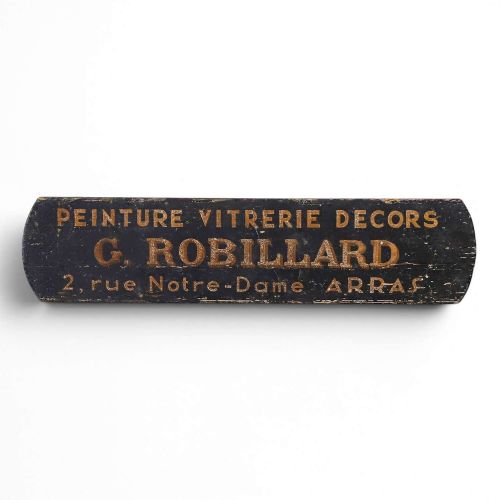
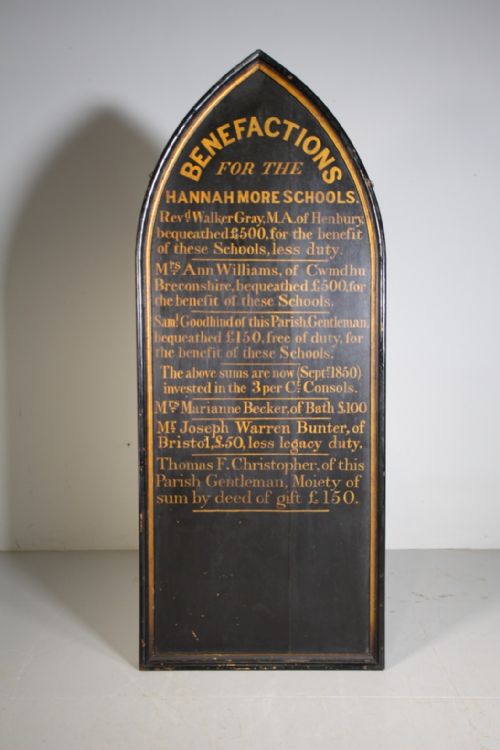
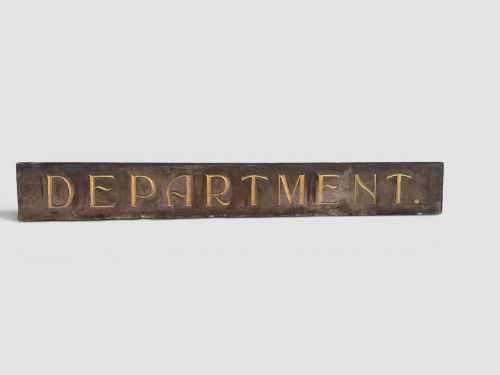
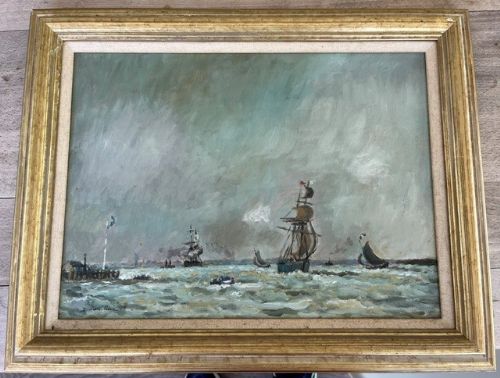
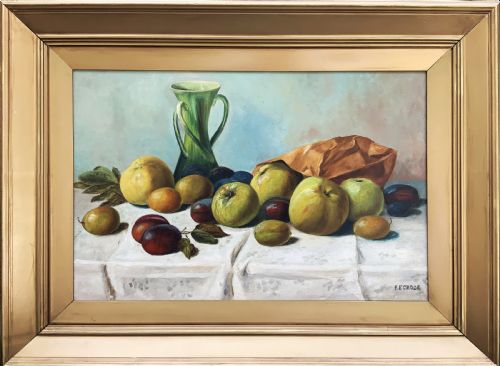
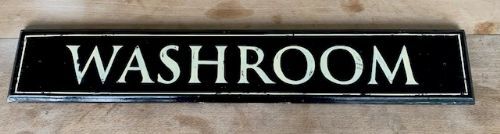

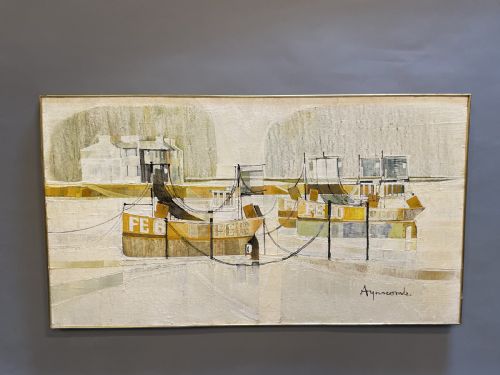
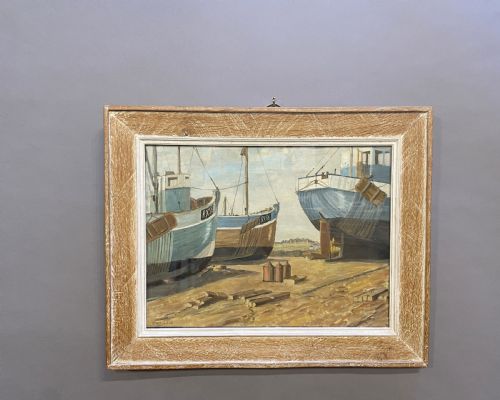

Vintage Painted Sign Board
When you seek a vintage painted sign board, you hunt for utilitarian communication transformed by time into striking decorative art.
Vintage Painted Sign Board
A vintage painted sign board is an authentic survivor of commerce, public messaging, and vernacular display, originating primarily from the nineteenth and twentieth centuries.
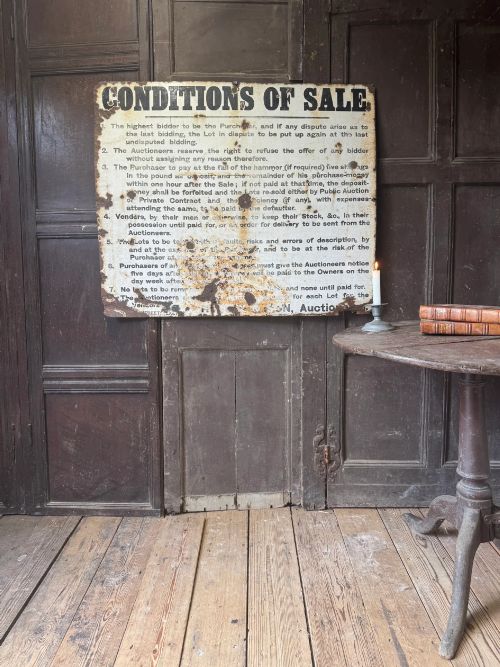
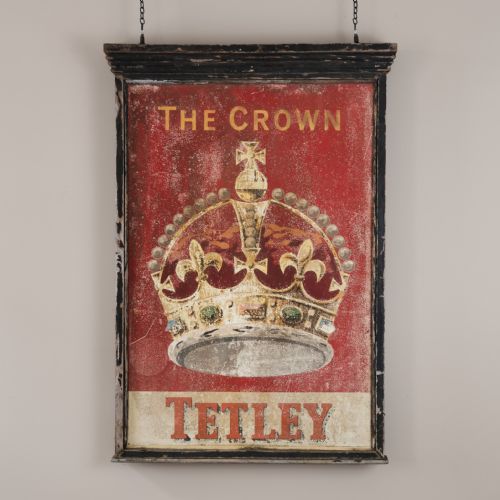
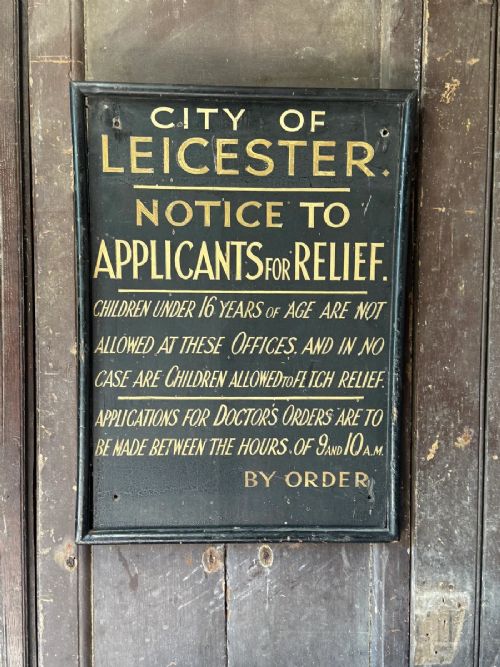
Buyers encounter trade signs, departmental notices, and advertising boards that served practical functions in shops, surgeries, and public spaces before entering the decorative market.
The selection here encompasses items ranging from Edwardian and Belle Époque eras through the interwar period and mid-century modern decades, executed on wood, board, and metal.
How they were made
Makers relied primarily on wood, board, and metal surfaces, preparing them to receive oil paint, standard pigments, and occasional applications of gold leaf.
Signwriters and painters applied hand-mixed oil paints directly to panels, integrating bold lettering, pictorial trade symbols, or decorative motifs designed for maximum visibility.
Listings span the nineteenth century through the 1960s, incorporating Edwardian trade boards and mid-century industrial signage.
What varies in quality
Quality rests in the confidence of the brushwork, the clarity of the typography, and the organic character of the weathered surface rather than pristine factory output.
Pieces showing genuine patina, original unpainted or untouched framing, and balanced composition command greater interest than heavily restored or later decorative imitations.
Kenneth Cozens·R Leyton·Winifred Turner·Septimus Scott·John Frederic Greenwood·Fred Yates·William Greaves
The Vintage Painted Sign Board Glossary
- Trade Sign
- A board or hanging indicator commissioned by a merchant, artisan, or professional to advertise services to the street. These items form a core category of vernacular advertising art.
- Oil on Board
- A painting technique where artist pigments suspended in drying oil are applied directly to a rigid wooden or composite board. This surface provided a stable alternative to stretched canvas.
- Gold Leaf
- Gold beaten into extremely thin sheets and applied to surfaces using an adhesive size. It was frequently utilised on signboards to create weather-resistant, catch-light lettering.
- Folk Art
- Artistic work created within a cultural tradition by untrained or self-taught artisans. These pieces prioritise functional directness and personal expression over academic convention.
Vintage Painted Sign Board: Frequently Asked Questions
What is a vintage painted sign board?
These objects are functional boards created to advertise businesses, regulate public spaces, or display trade information using hand-applied pigments.
They carry the physical evidence of commercial history, often bearing the marks of exterior exposure and decades of active service.
How were old sign boards used?
Merchants hung them outside shops, institutions mounted them on walls to declare rules or services, and tradesmen displayed them to attract passing foot traffic.
Over time, their primary purpose shifted from commercial communication to decorative wall art treasured for graphic appeal.
How do I style a sign board at home?
Collectors typically mount them directly onto living room, kitchen, or hallway walls as focal points that introduce texture and historic narrative.
Because they arrive ready with hanging hardware or original frames, they anchor neutral interiors or complement eclectic spaces with strong industrial or folk art elements.
How do I date a painted sign?
Dating relies upon evaluating the substrate materials, the formulation of the paint, the style of the typography, and construction methods.
Comparing the lettering characteristics and wear patterns against documented examples from periods like the Edwardian era or the 1920s helps establish an accurate timeframe.