




Hand Painted Wooden Sign
A hand painted wooden sign carries the direct lettering of a tradesman or public house, bringing centuries of commercial history straight to the wall.
Hand Painted Wooden Sign
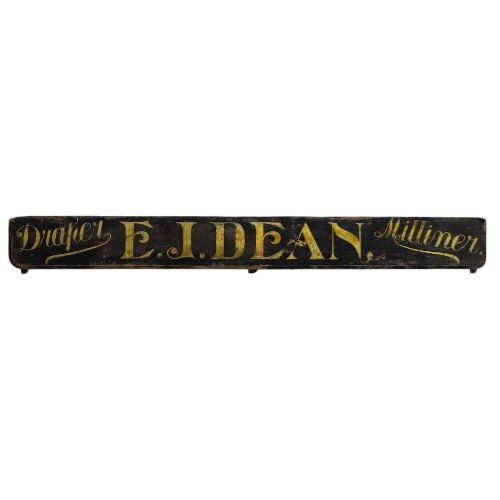
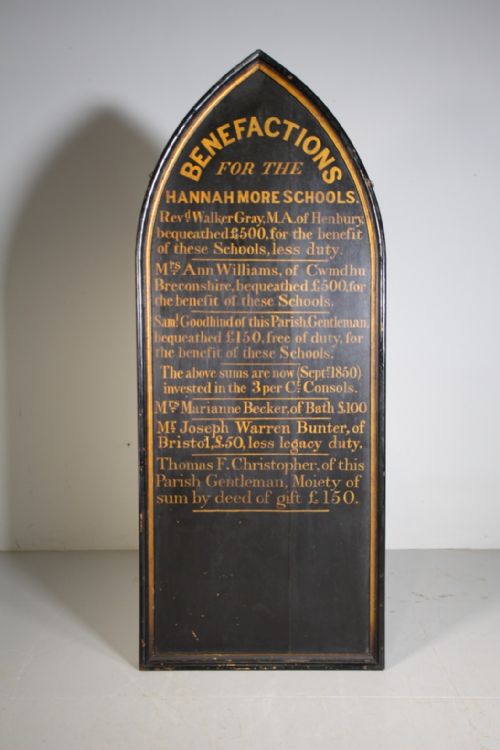
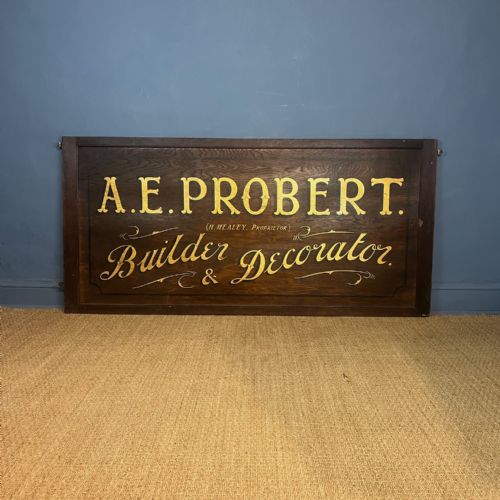
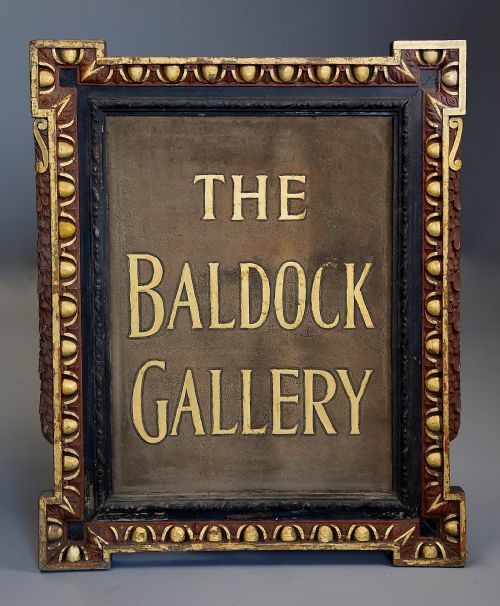
A hand painted wooden sign encompasses trade boards, shop panels, pub advertisements, and municipal notices produced across the Victorian era into the twentieth century. These objects served functional purposes for milliners, drapers, locksmiths, and pharmacies before finding new life as wall art.
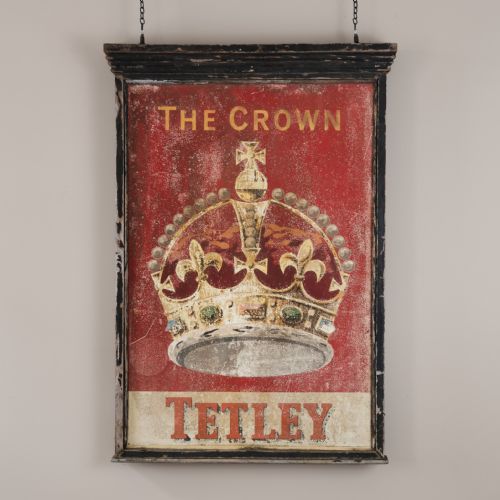
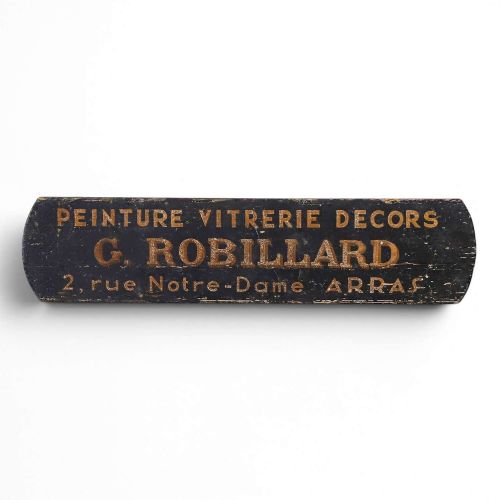
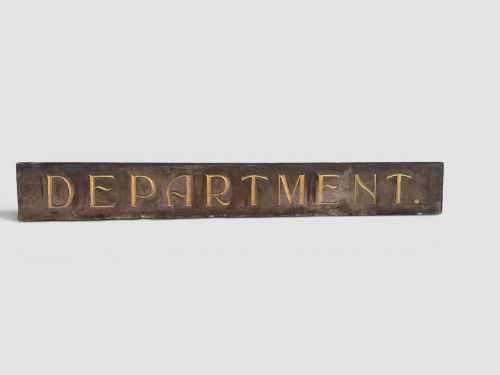
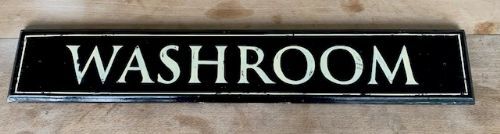
The selections span from late nineteenth century shop boards to interwar pub signage, reflecting the shifting typography and commerce of British and European high streets. Common formats include double-sided hanging boards, large wall panels, and framed glass trade signs.
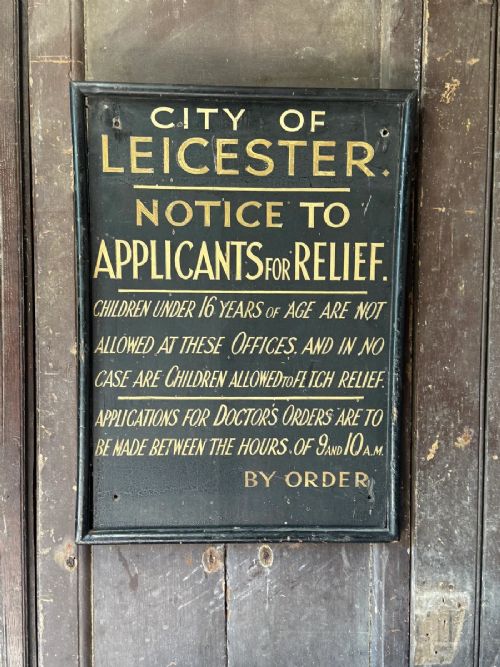
Buyers encounter folk art carvings alongside formal gilded lettering, demonstrating the broad spectrum of traditional signwriting. Each piece captures a specific commercial or institutional identity, from Masonic halls to local government poor relief offices.
Materials and construction
Signwriters typically utilised dense timbers such as oak, pine, and mahogany to provide a stable foundation for external exposure. Boards were often shaped, joined, or carved before receiving coats of protective paint.
Lettering and decoration relied on oil-based paints, frequently enhanced with gold leaf to catch the light and assert the prestige of the establishment. Protective glass frames sometimes sheltered delicate painted surfaces from the elements.
Evaluating quality and character
Quality rests upon the confidence of the brushwork and the clarity of the typography, where skilled lettering masters achieved balanced proportions without mechanical aids. The depth of patination on the timber and paint layers tells the history of weathering and survival.
Desirability increases when a sign retains its original mounting brackets, double-sided framing, or legible attribution to a specific historic trade. Authenticity of the surface wear remains paramount for collectors who value untouched commercial relics.
The Hand Painted Wooden Sign Glossary
- Trade sign
- A board or carved object hung outside a shop to advertise the profession or merchandise sold within. These pieces formed the visual landscape of historic commercial streets.
- Gold leaf
- Extremely thin sheets of beaten gold applied to wooden letters and borders to create a luminous finish. This material resisted tarnishing and signaled establishment wealth.
- Signwriting
- The professional craft of painting letters and pictorial elements by hand. Practitioners relied on steady brush control and deep knowledge of historic typography.
- Folk art
- Utilitarian objects created by rural artisans or self-taught makers rather than academic studios. These works prioritize direct expression over rigid artistic conventions.
- Patina
- The surface sheen and gradual softening of colour acquired by wood and paint through age and handling. Collectors look for untouched patination as a marker of genuine history.
Hand Painted Wooden Sign: Frequently Asked Questions
How were these signs mounted outdoors?
Most commercial boards utilised heavy iron brackets, wall hooks, or ceiling hangers to project outward above the shop entrance for passing pedestrians.
Double-sided variants hung perpendicular to the building facade so customers approaching from either direction could read the trade.
Can I hang these outdoors now?
Historic painted timber requires protection from modern moisture and direct rain to prevent the historic pigments from lifting and the wood from splitting.
Interior placement preserves the fragile surface patination and guards against further weathering.
How do I identify the trade?
Lettering often names specific professions such as milliner, draper, locksmith, or pharmacist directly on the painted surface.
Pictorial symbols, gilding styles, and associated iconography offer additional clues to the original commercial function.
What woods were used for signs?
Pine, oak, and mahogany served as the primary boards depending on the budget of the merchant and the required durability.
Dense hardwoods resisted warping, while softer timbers provided an economical base for large wall panels.