





Carved Wooden Shop Sign
These carved wooden shop sign pieces bring tactile trade history straight into your room.
Carved Wooden Shop Sign
A carved wooden shop sign represents the physical trade history of past high streets, taking forms such as trade signs, commercial trade figures, signage, advertising signs, trade sign sculpture, decorative sculptures, and sculptures. When you search for a carved wooden shop sign, you encounter utilitarian objects made to draw customers into butchers, tobacconists, galleries, pharmacies, and fish shops.
The pieces you meet most often on this page date from the 18th century, the 19th century, the Victorian era, 1890, 1900, 1920, and 1930. They span styles including Victorian Folk Art, folk art, Edwardian Commercial, early 20th century, French Folk Art, Edwardian, and French Country, originating from English, French, American, and German traditions.
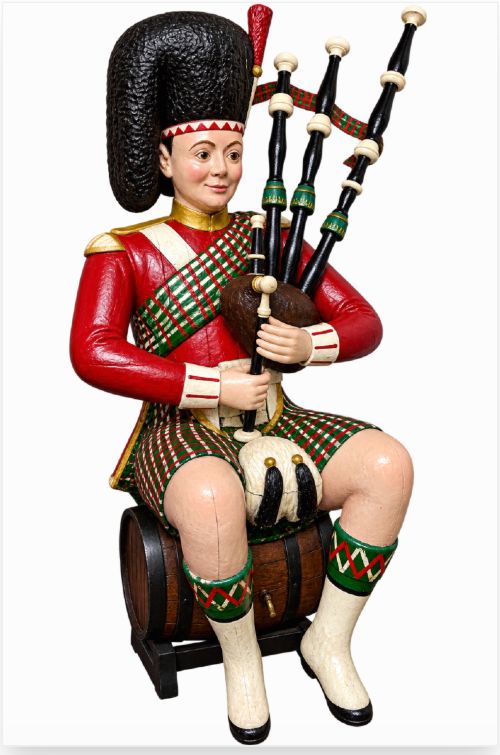
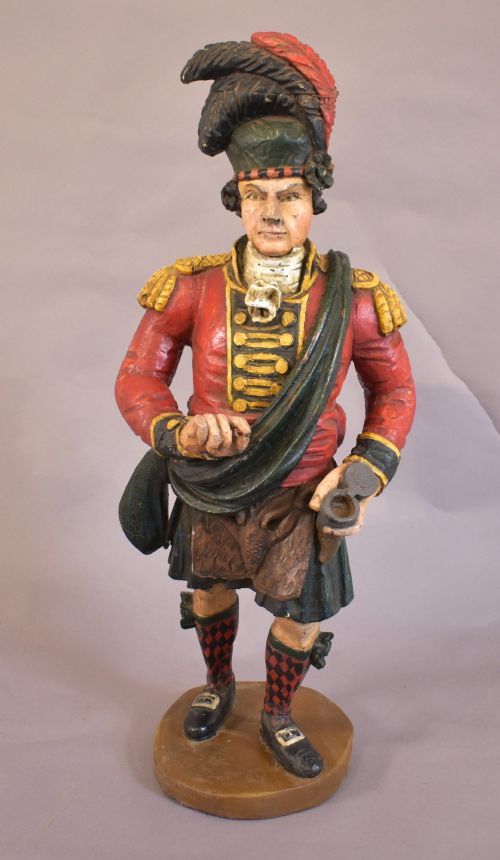
Alongside wall-hanging signage and painted pharmacy boards, the selection includes distinct trade figures like Highlanders, cigar store Native Americans, and a briar pipe sign for GBD, plus advertising seating for Watsons Matchless Soap and display items like a cow trolley and a rooster.
Materials and construction methods
Makers shaped these objects primarily from solid wood, pine, and oak, applying carving techniques to create three-dimensional figures and lettered boards. Iron fittings and elements appear where structural support or hanging brackets were required.
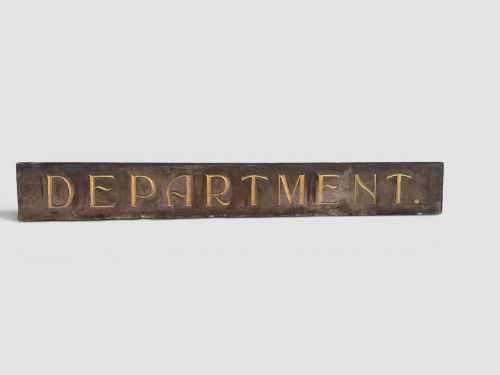
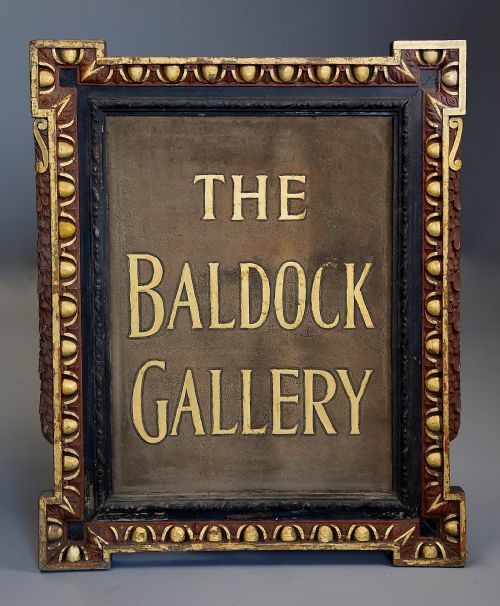
Surfaces were finished with paint, polychrome paint, gesso, and gold leaf to ensure visibility from the street and to weather commercial use. Hand painting and gilding define the lettering and details on items such as the Baldock Gallery sign and French pharmacy boards.
Someone once carved a wooden cow to pull around a butcher's shop.
Factors that separate examples
Quality rests on the crispness of the carving and the original integrity of the painted or gilded surface. Pieces with crisp detail in figures like the Highland bagpiper or the tobacco figures show superior hand work.
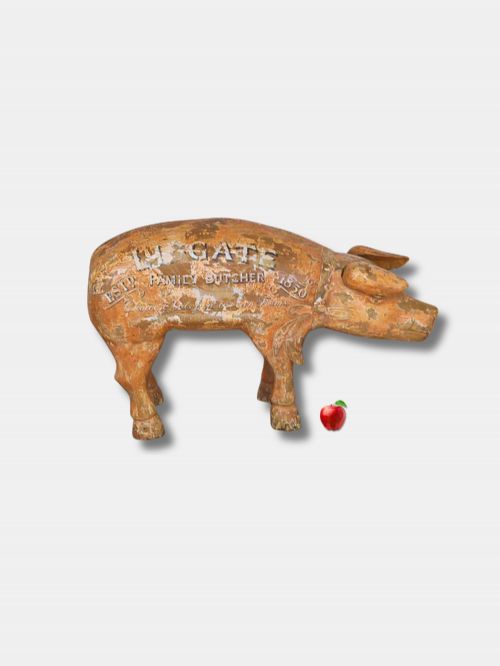
The survival of original polychrome paint and gold leaf distinguishes an authentic working sign from a later or heavily restored surface. The clarity of lettering on commercial boards like the Lidgate Family Butcher sign also elevates the piece.
The Carved Wooden Shop Sign Glossary
- Trade sign
- A board or figure displayed outside a shop to indicate the trade carried on within. These objects served an illiterate public before standard street numbering and printed advertising took over.
- Polychrome paint
- Decoration executed in multiple colours. This finish protected the wood and caught the eye of passing pedestrians.
- Gesso
- A plaster mixture used as a base for painting or gilding on wood. It provided a smooth surface for gold leaf application.
- Folk art
- Art produced from an indigenous cultural tradition or by untrained artisans. These pieces reflect regional trades rather than academic studio design.
- Trade figure
- A carved sculpture representing the merchandise sold inside, such as a Highlander for tobacco or an American Indian for cigars. They stood outside the shop door during trading hours.
Carved Wooden Shop Sign: Frequently Asked Questions
How were trade figures used?
Trade figures stood outside shops during the day to signal the goods sold inside, such as tobacco or cigars.
They acted as three-dimensional advertisements in busy commercial districts before modern shop fronts became common.
How do I date an antique sign?
Dating relies on the timber used, the style of carving, and the composition of the paint layers.
Comparative analysis with documented examples from periods like the Victorian era or 1890 helps establish the age.
Where should I display a trade sign?
These pieces suit large wall spaces in hallways, kitchens, or living rooms where their scale and texture can be appreciated.
Indoor placement protects the historic wood, paint, and gold leaf from weathering.