

Vintage Painted Furniture
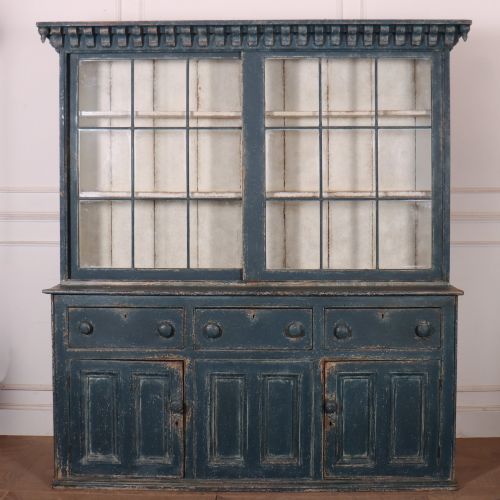
Vintage painted furniture brings colour and character to a room through pieces finished in historic pigments across pine, mahogany, and iron.
Vintage Painted Furniture
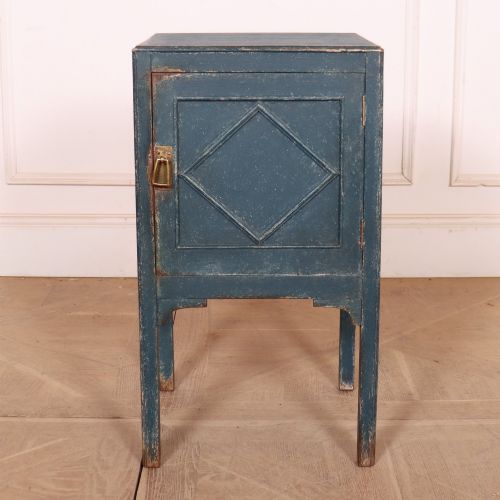
Vintage painted furniture encompasses items finished with decorative or protective coats of pigment, ranging from domestic storage to garden seating. Buyers seeking vintage painted furniture encounter a mix of domestic storage, bedroom furnishings, and outdoor metalwork spanning the nineteenth and early twentieth centuries.
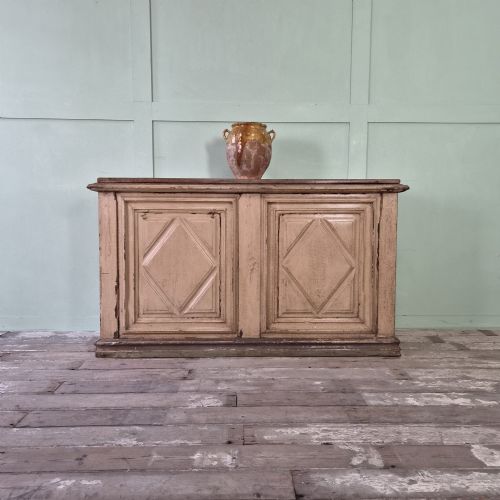
Pine and mahogany serve as the primary wooden bases for decorated surfaces, while cast iron forms sturdy garden benches and hall stands. These items reflect both formal interior decoration and practical rural utility across British, French, Swedish, and Austrian origins.
How They Were Made
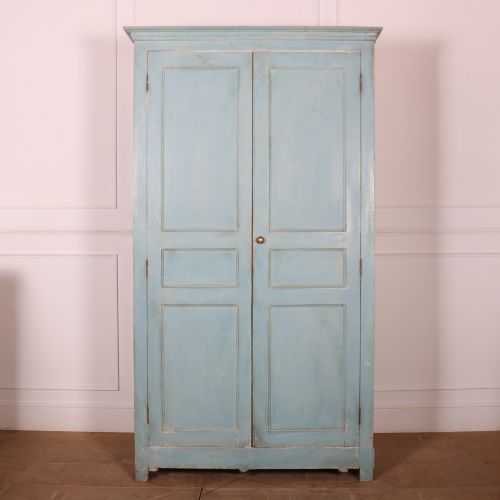
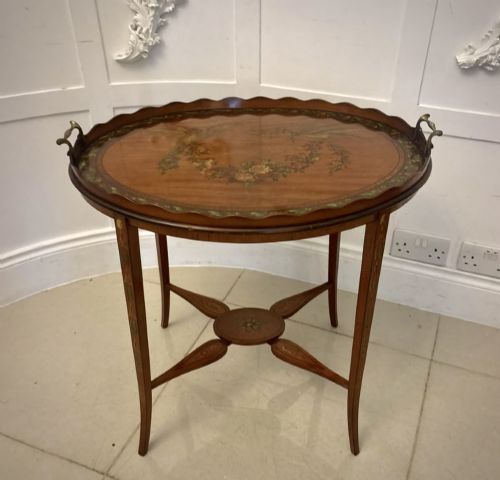
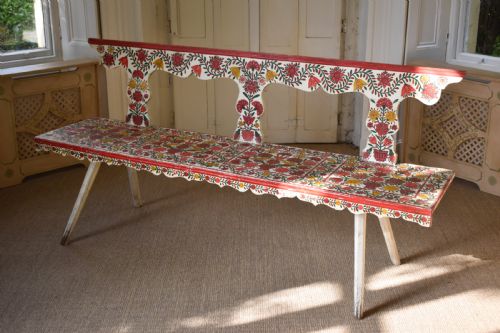
Makers utilised solid pine, mahogany, and satinwood as foundations, applying brushwork directly to wood or over prepared grounds. Surface treatments include hand-painted floral motifs, lacquer, and faux finishes that imitate more costly timbers.
Cast iron elements were shaped in foundry moulds to create garden furniture and architectural stands with intricate botanical reliefs. Structural joinery relies on traditional methods appropriate to each period, from nineteenth-century farmhouse construction to Edwardian cabinet making.
Vintage Painted Furniture Retail Price Guide 2026
Typical asking prices for vintage painted furniture among the pieces listed under this phrase on Sellingantiques today, from the lower quarter to the upper quarter. They describe what is for sale here now, not the wider market.
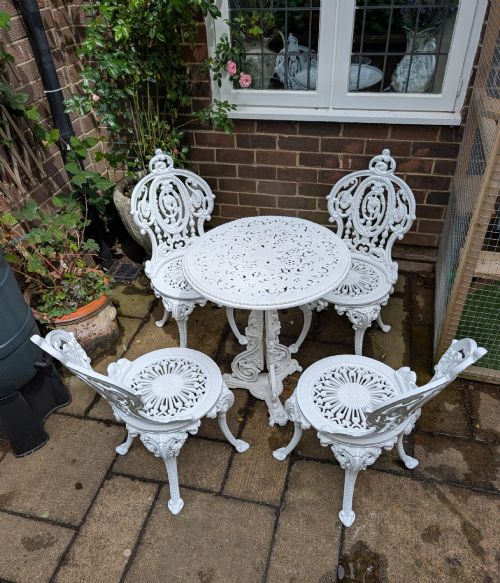
Blackberry leaves cast into iron give garden benches a woodland harvest to sit upon.
What Varies in Quality
The preservation of original surface decoration dictates the distinction between standard items and exceptional examples. Original painted finishes that retain their early patina without excessive modern overpainting hold greater visual integrity.
Construction standards differ between utilitarian workshop pieces and finely detailed cabinet work from makers such as Falkirk Carron Foundry or Sir Clough Williams-Ellis. The refinement of surface ornamentation, from simple pine coats to elaborate Chinoiserie lacquer, determines the sophistication of the piece.
Falkirk Carron Foundry·Sir Clough Williams-Ellis·Dubois of Lyon
The Vintage Painted Furniture Glossary
- Chinoiserie
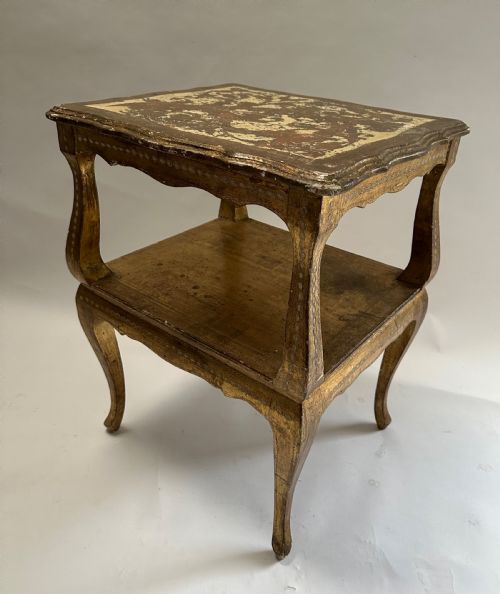
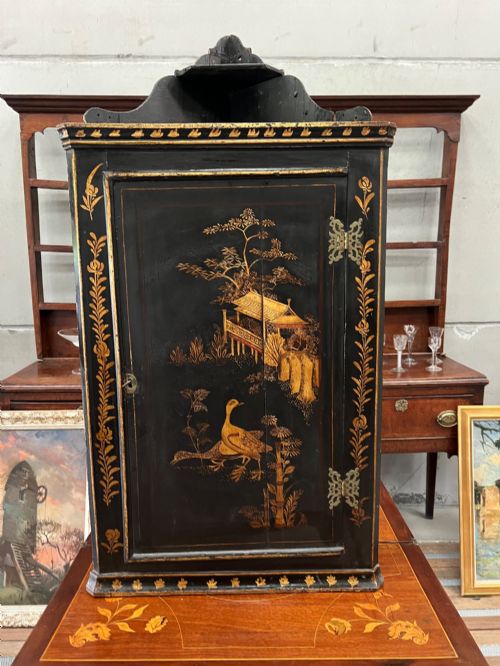
- European decorative style inspired by Chinese art, featuring lacquer work and painted motifs of figures and landscapes. This technique appears on cabinets, side tables, and chairs from the late nineteenth and early twentieth centuries.
- Commode
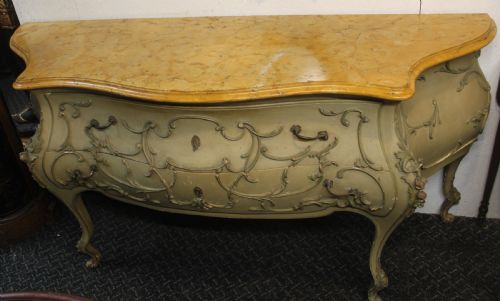
- A low French chest of drawers or cabinet designed for domestic storage. These pieces frequently feature serpentine fronts and painted or lacquered surfaces.
- Etagere
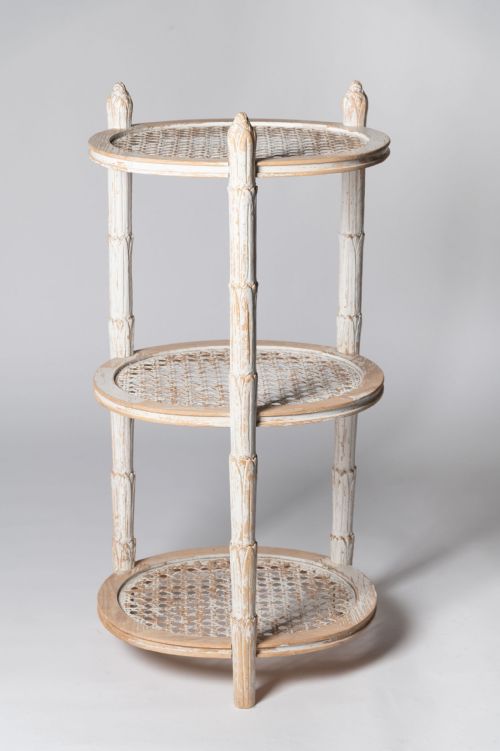
- A set of open shelves for displaying small objects, constructed here in painted mahogany. It provides tiered display space within a room.
- Gustavian
- Swedish neoclassical style characterised by pale paint finishes and restrained carved detail. Originating in the eighteenth century, this aesthetic influences nineteenth-century seating and storage forms.
- Satinwood
- A durable hardwood with a natural golden sheen, often utilised for fine Edwardian tables and cabinets. It provides a smooth base for delicate hand-painted floral decoration.
Vintage Painted Furniture: Frequently Asked Questions
What is vintage painted furniture?
Vintage painted furniture consists of wooden and metal household and garden items finished with decorative surface pigments from the nineteenth and early twentieth centuries. These items include storage chests, bedside cabinets, tables, and seating.
The category spans multiple regional styles, incorporating British country pieces alongside French commodes, Swedish Gustavian seating, and Chinoiserie lacquer work.
How do I identify original paint?
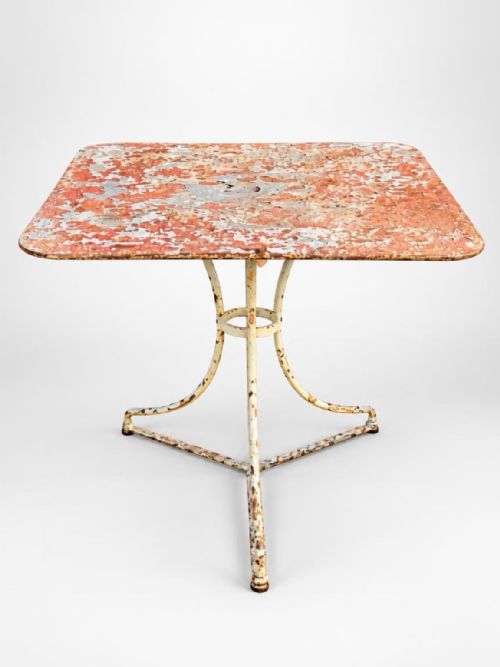
Original painted surfaces display natural wear, craquelure, and integration with the underlying timber accumulated over decades of use. Evaluating the depth and adherence of the pigment layers reveals whether the finish dates to the period of manufacture.
Comparing the wear patterns on high-touch areas helps determine if the decoration remains undisturbed since its creation.
Where were these pieces made?
The items originate from workshops and factories across Britain, France, Sweden, Austria, and China. Regional traditions dictate the choice of timber, such as pine for farmhouse furniture and mahogany for formal interior pieces.
Foundries in locations like Falkirk produced the cast iron garden seats and hall stands recorded in the evidence.
How should I care for painted surfaces?
Preserving vintage painted finishes requires avoiding harsh chemical cleaners and maintaining stable indoor humidity levels. Gentle dusting with a dry microfibre cloth protects delicate brushwork and lacquer from abrasion.
Keeping items away from direct sunlight prevents fading in the historic pigments and surface varnishes.