
Vintage Painted Base Table
These vintage painted base table pieces combine utilitarian timber frames with decorative painted surfaces, offering instant character for any room.
Vintage Painted Base Table
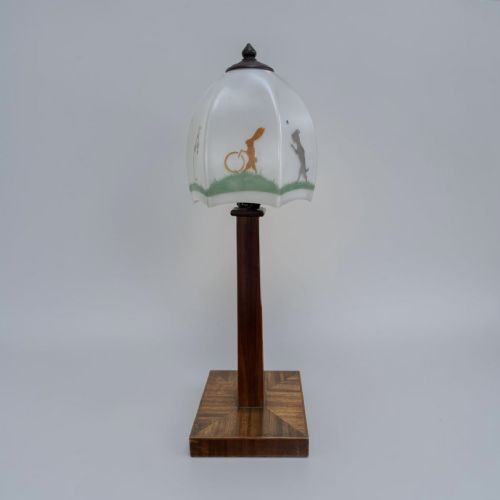
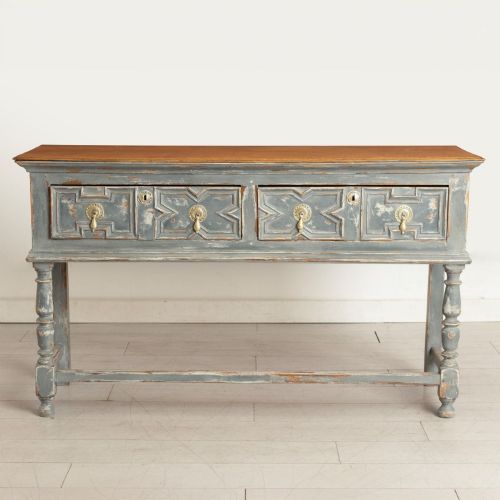
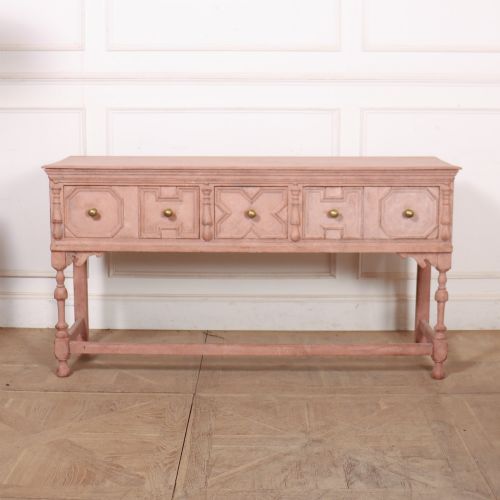
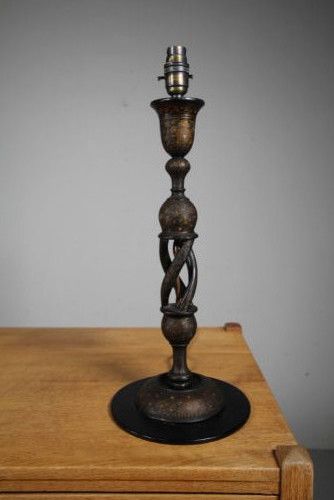
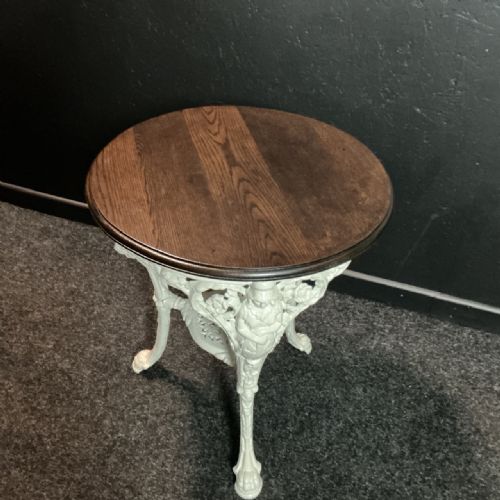
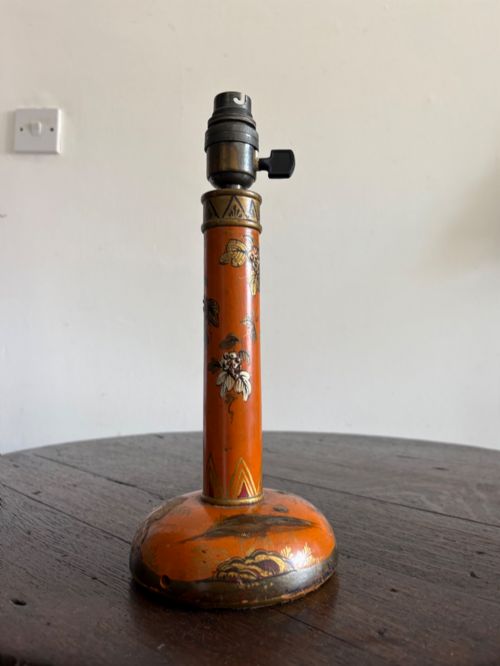
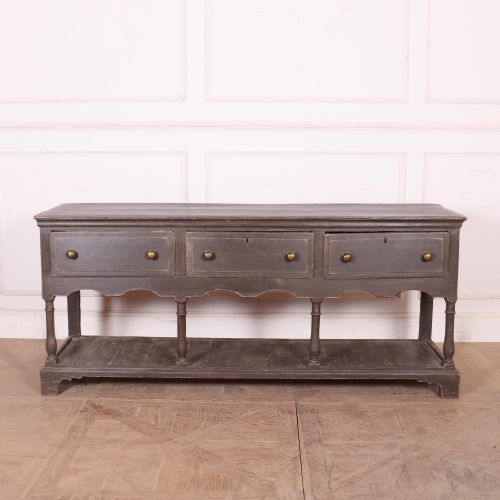
Buyers seeking a vintage painted base table will encounter a diverse selection of utilitarian kitchen furniture alongside decorative lighting bases. The grouping relies heavily on nineteenth century English country house dresser bases and twentieth century Kashmiri lacquer lamps.
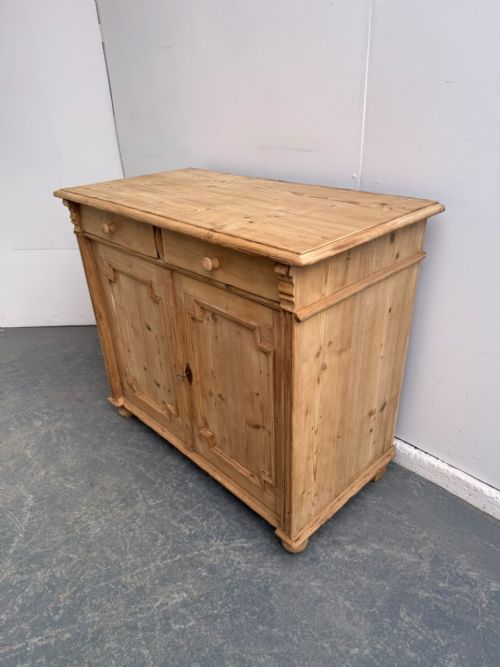
Kitchen storage furniture forms the heavy end of the selection, featuring potboard dresser bases and scrub top tables in pine and oak. These functional forms contrast with the decorative table lamps that dominate the lighter items on offer.
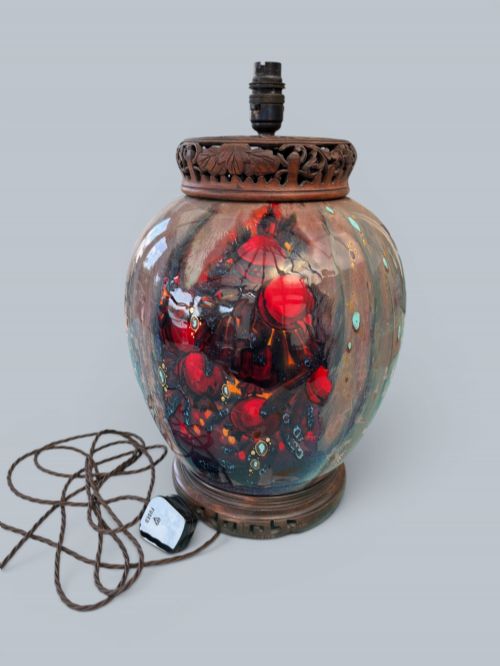
Regional variations span from English country and rustic farmhouse pieces to Anglo Indian and Edwardian chinoiserie lighting. This mix provides options ranging from large storage furniture to small decorative accents.
How they were made
Construction relies primarily on wood, with pine and oak forming the structural carcasses of larger furniture items. Artisans utilised timber alongside cast iron, bronze, and papier-mache depending on whether the object is a functional table or a lamp base.
Surface treatment defines the aesthetic, incorporating traditional paint, lacquer, and gilt gold applications. Hand painted finishes and cold painting techniques appear frequently across both lighting and furniture categories.
Listings span from the eighteenth century to the twentieth century, incorporating pine, oak, lacquer, and cast iron.
What varies in quality
Quality differences stem from the dexterity of the hand painted surface decoration and the original integrity of the timber. Pieces retaining their early layers of paint show greater depth than later decorative touch ups.
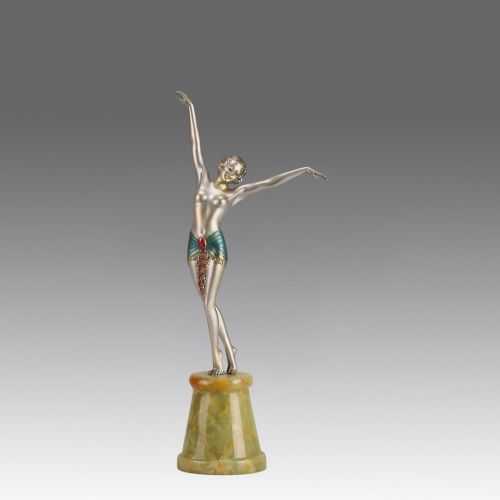
The sophistication of regional styles separates standard utility items from finer decorative works. Artisanal Kashmiri lacquerwork and detailed cold painted bronze figures demonstrate higher levels of specialised workshop execution.
Josef Lorenzl
The Vintage Painted Base Table Glossary
- Potboard dresser base
- A traditional kitchen storage unit featuring a low open shelf beneath the main surface. This lower platform was designed for storing heavy pots and pans.
- Chinoiserie
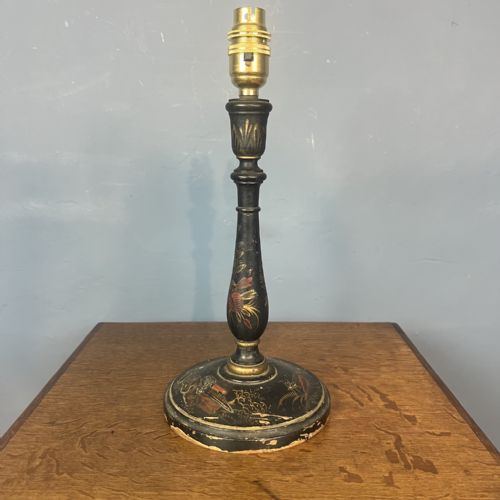
- European decorative style reflecting Chinese artistic influences. It typically manifests as lacquerwork featuring hand painted motifs and gilt details.
- Kashmiri
- Pertaining to decorative objects originating from Kashmir. These pieces often utilise papier-mache or timber finished with intricate hand painted patterns.
- Scrub top table
- A wooden kitchen table featuring an unpainted top designed to be regularly scrubbed clean. The base beneath is frequently painted.
Vintage Painted Base Table: Frequently Asked Questions
What is a vintage painted base table?
The term covers a broad mix of painted kitchen furniture and decorative lighting bases. These range from nineteenth century English potboard dressers to twentieth century Kashmiri lacquer lamps.
Buyers select these items for their decorative painted finishes and practical utility. Each piece brings tactile colour and historical character into domestic spaces.
How do I style a dresser base?
Dresser bases work well in kitchens and dining rooms as primary storage and display surfaces. The lower potboard shelf provides open space for ceramics and heavy items.
Pairing a painted timber base with neutral walls allows the brushwork to stand out. They function effectively as serving tables or standalone sideboards.
Where were Kashmiri lamps made?
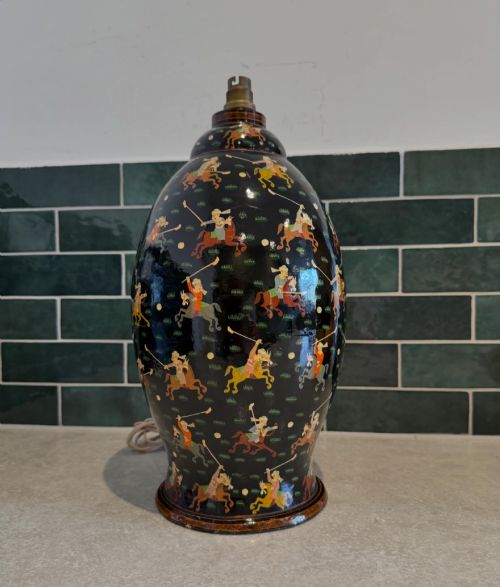
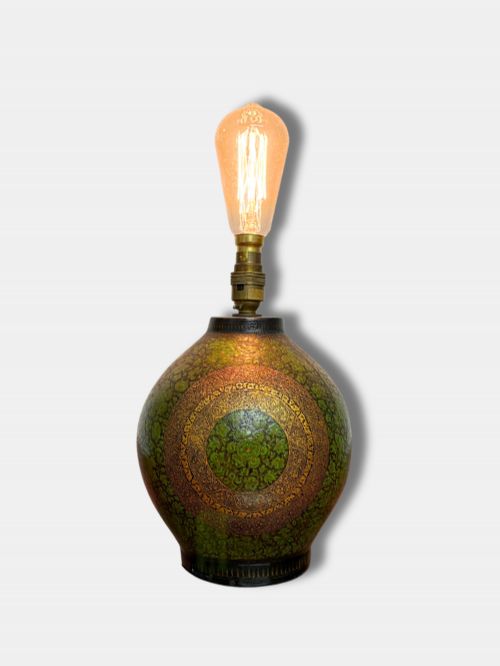
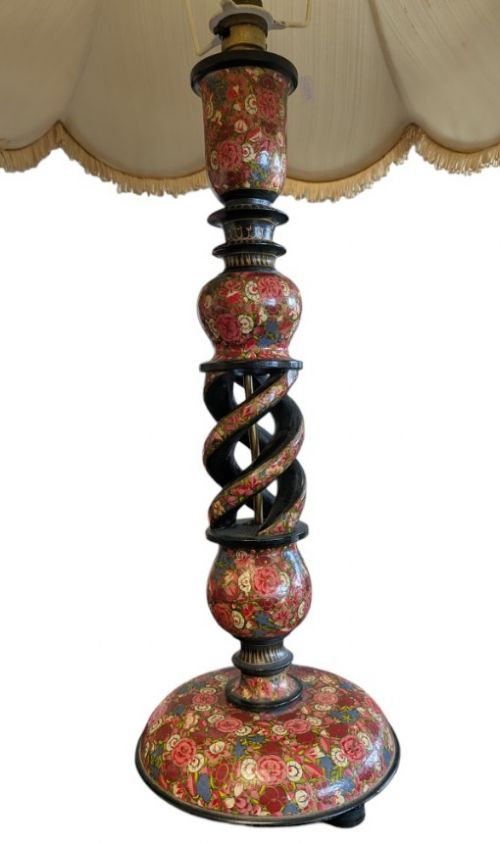
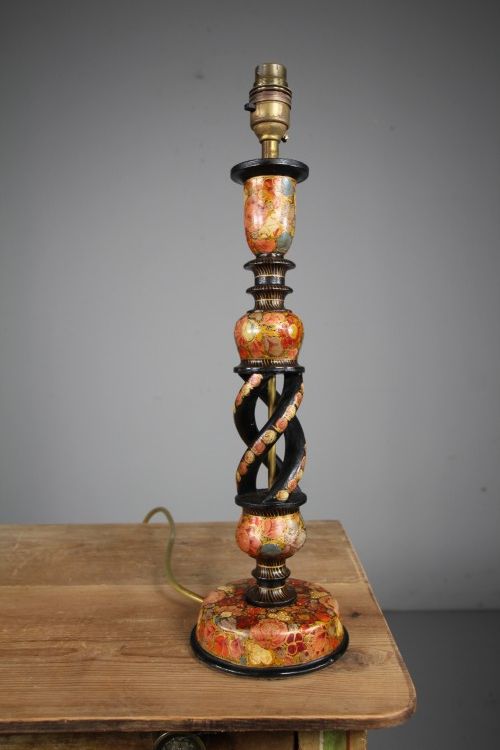
Kashmiri lamps originate from the region of Kashmir, often utilising wood or papier-mache as a core material. Artisans applied detailed hand painted designs and gilt finishes to the surface.
These lighting pieces frequently date from the early twentieth century. Their vibrant colours and intricate patterns suit eclectic interiors.
How do I care for painted wood?
Painted wooden furniture requires gentle dusting with a dry cloth to protect the surface finish. Avoid harsh chemical cleaners that might strip historical paint layers.
Keeping timber away from direct heat sources prevents the wood from warping. Wax can be applied to unpainted scrub tops to maintain the wood grain.