


Vintage Padded Arm Chair
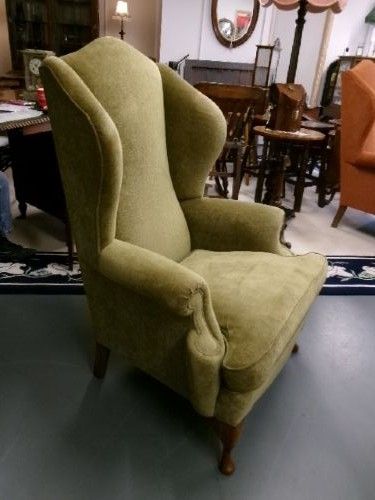
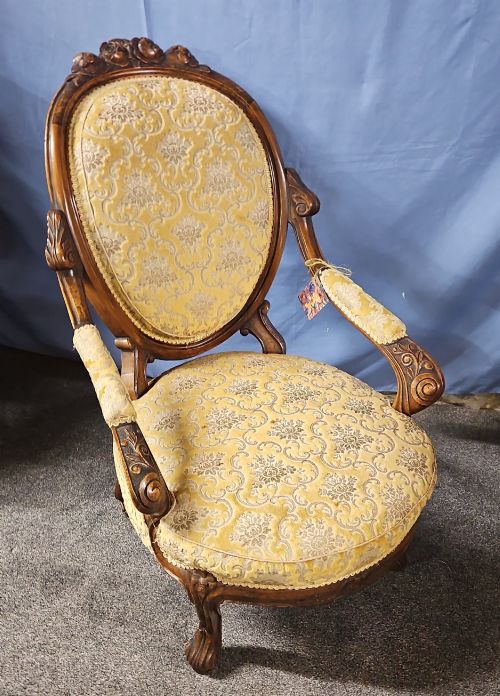
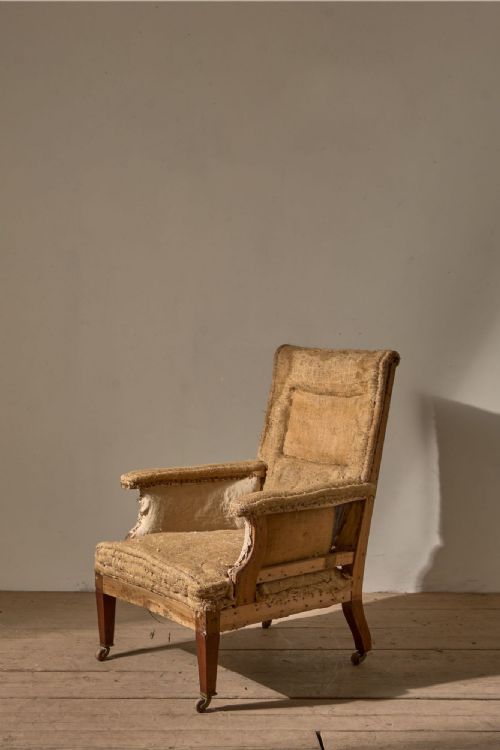
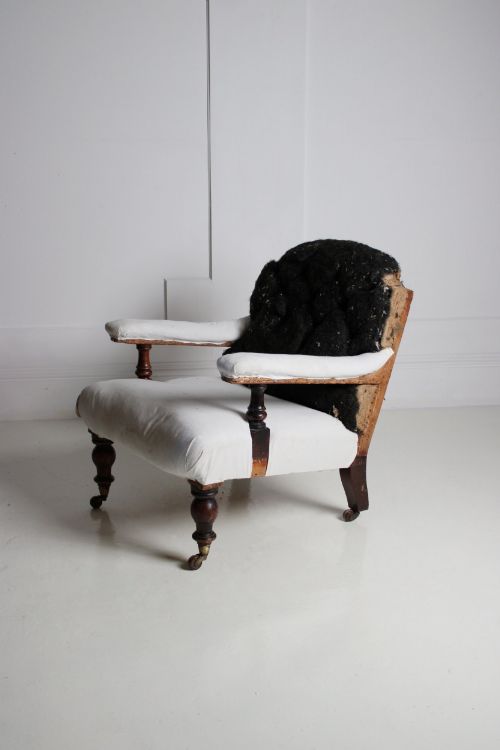
A vintage padded arm chair brings deep upholstered comfort and historic character to a room, ranging from robust country seats to elegant revival forms.
Vintage Padded Arm Chair
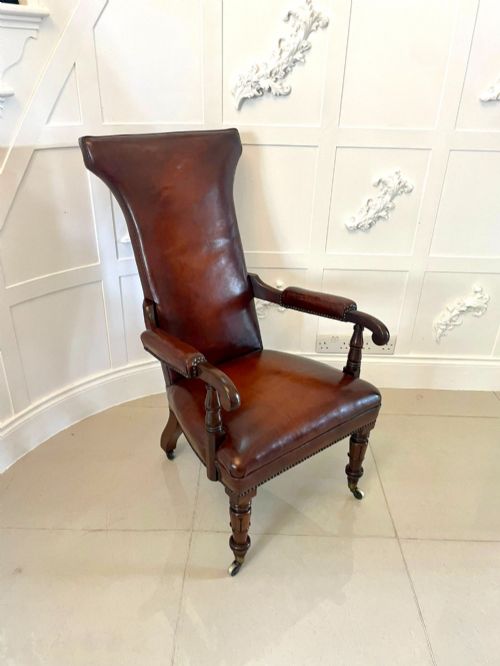
When searching for a vintage padded arm chair, buyers encounter a diverse selection spanning from the eighteenth century through to the early decades of the twentieth century. These pieces encompass various functional forms, including library armchairs, desk chairs, salon seats, and deep-sprung easy chairs designed for sustained relaxation.
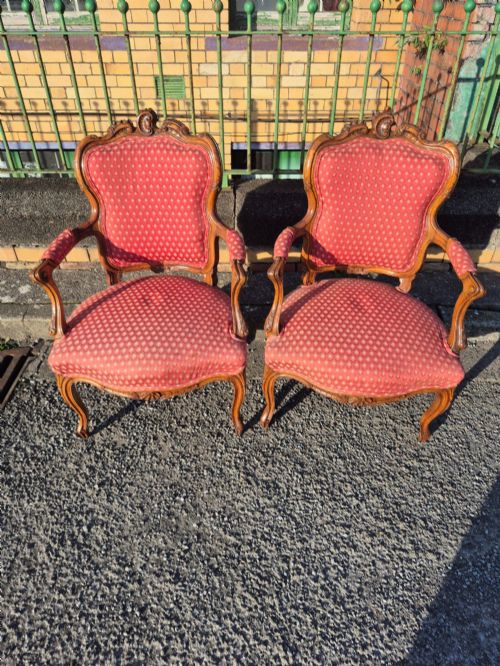
The assortment on this page relies heavily on nineteenth-century and Edwardian pieces, alongside French revival styles such as Louis XV and Louis XVI. Buyers will frequently find mahogany and walnut frames paired with traditional upholstery, textiles, leather, or original paint finishes.
Regional and stylistic variations shape these seats, moving from sturdy English country house proportions to lighter inlaid mahogany frameworks. Whether seeking a carved walnut fauteuil or a robust oak desk chair, the options reflect multiple historical periods of domestic seating.
Materials and construction
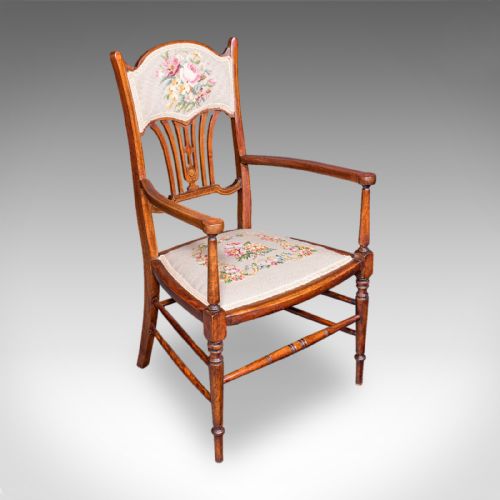
The physical substance of these seats depends on solid hardwoods such as mahogany, walnut, oak, beech, and occasional ebonised or painted finishes. Show-frames reveal careful carving and joinery, utilising natural timber grains to frame the upholstered areas.
Padding and covering rely on traditional textile applications, including durable leather, patterned fabrics, and original painted surfaces that preserve the age of the piece. Brass hardware frequently appears on desk chairs and swivel mechanisms, adding functional detail to the timber framework.
One listed armchair includes an unusual carved back and spent time catalogued by natural history specialists Watkins and Doncaster.
Separating the ordinary from the exceptional
Quality in these upholstered seats rests upon the integrity of the timber frame and the sculptural harmony of the carved details. Superior examples display crisp joinery, well-proportioned show-frames, and timber that has aged gracefully without structural compromise.
The distinction between standard examples and top-tier pieces lies in the refinement of the revival styling, whether in accurate Louis XV curves or crisp Edwardian inlay work. Original surfaces, such as untouched paint or well-maintained leather, elevate a piece well beyond ordinary utility.
Howard And Sons·Thonet
The Vintage Padded Arm Chair Glossary
- Fauteuil
- An open-armed French armchair with an exposed wooden frame, typically featuring padded armrests and an upholstered back and seat. These pieces often reflect seventeenth or eighteenth-century court aesthetics.
- Show-frame
- The exposed wooden structural skeleton of an upholstered chair that remains visible around the padding. Mahogany and walnut are frequently utilised for this purpose.
- Bergere
- An enclosed upholstered armchair with wooden framing and cane or upholstered sides. They offer a deep, comfortable seat often associated with period French designs.
- Elbow chair
- A traditional term for an armchair with low armrests designed to support the elbows. These frequently appear in nineteenth-century country and library settings.
- Tub chair
- An armchair featuring a continuous curved back and arms that form a single enclosing shape. The design provides secure, enveloping support.
Vintage Padded Arm Chair: Frequently Asked Questions
How do I identify a Victorian armchair?
Victorian armchairs typically feature dark hardwoods such as mahogany or walnut, often with deep buttoning or sprung upholstery. Look for robust proportions and styles that range from heavy tufted easy chairs to carved salon seats.
Makers of this era utilised machine assistance alongside hand-carved details, leading to heavier frames and varied revival influences like Gothic or Rococo.
What is a Bridgewater armchair?
A Bridgewater armchair is a traditional upholstered seating form known for its deeply sprung comfort and low, rolled arms. These pieces prioritise relaxed seating over rigid architectural frames.
They generally feature generous seat cushions and loose covers or tightly fitted upholstery, making them a staple of twentieth-century country house interiors.
Are Edwardian armchairs different from Victorian ones?
Edwardian armchairs are generally lighter in scale than their Victorian predecessors, frequently incorporating satinwood or mahogany inlay. They often utilise X-frames or open wooden arms suited for lighter domestic spaces.
The period favoured brighter, airier aesthetics, moving away from heavy dark timbers toward refined revival styles and simpler profiles.
How should I care for leather desk chairs?
Leather desk chairs require regular conditioning to prevent the natural material from drying and cracking over time. Keep them away from direct heat sources and strong sunlight to preserve the surface.
Gentle cleaning with appropriate leather balms maintains the suppleness of the hide without stripping the historical character or original patina.