



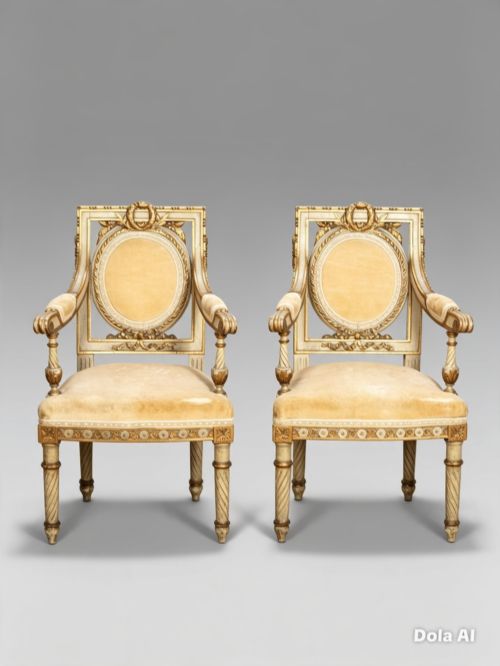
Decorative Armchairs
These decorative armchairs combine comfort with distinct periods and styles, offering a practical way to bring character into a room.
Decorative Armchairs
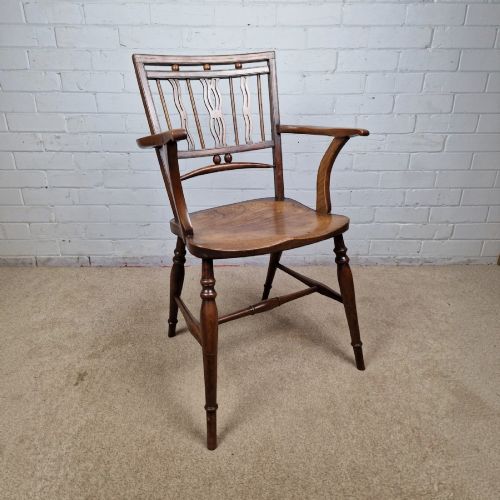
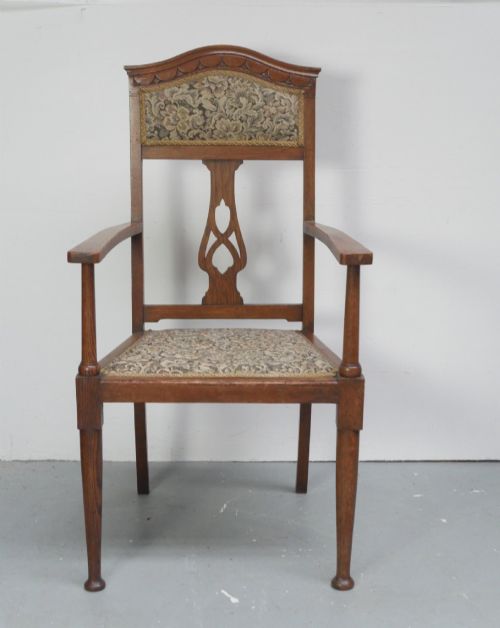
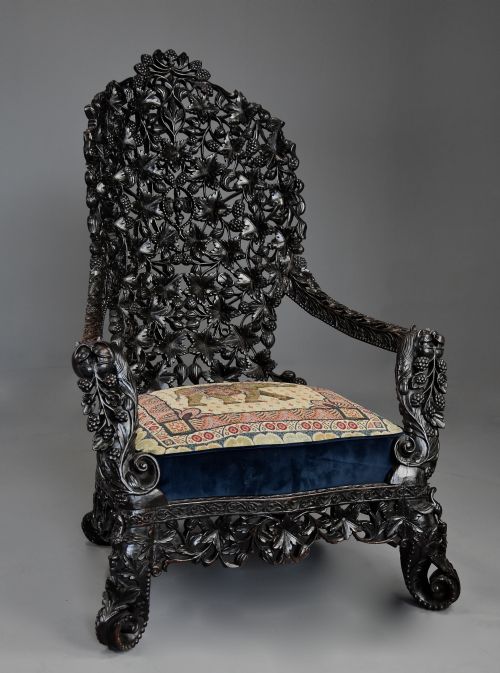
Decorative armchairs span periods from the nineteenth century into the twentieth, encompassing Victorian, Edwardian, and earlier revival designs. Buyers looking at this selection encounter various forms, including salon chairs, rocking chairs, and larger throne or open armchairs.
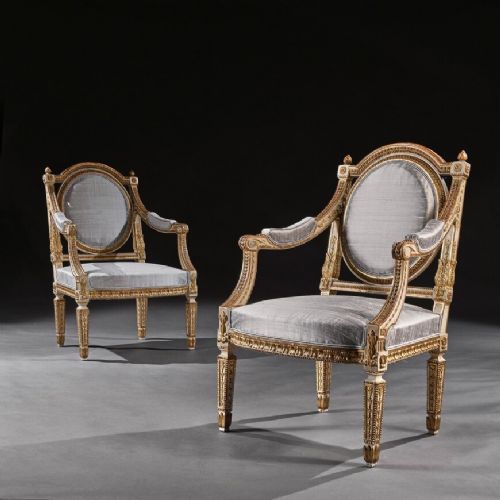
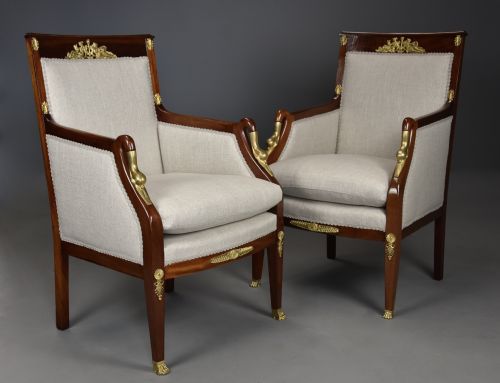
The materials range from mahogany and walnut to giltwood, cast iron, and wrought iron, reflecting both indoor seating and garden furniture. Styles draw on French Empire, Louis XVI, Aesthetic Movement, Arts and Crafts, and regional British traditions.
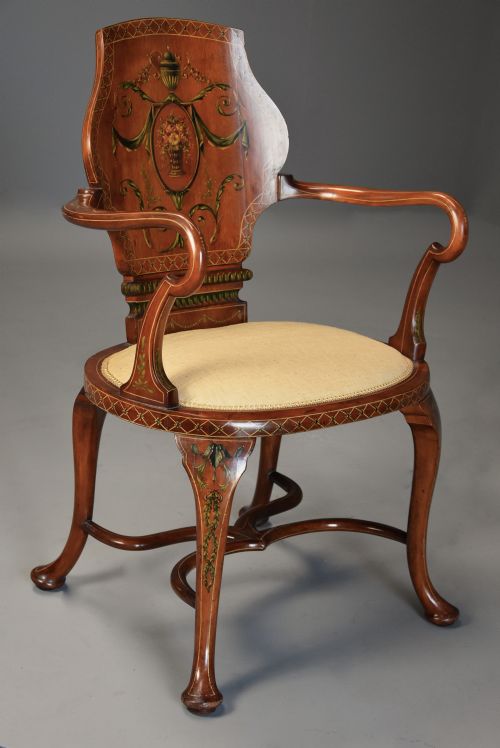
Many pieces display painted surfaces, inlay, or carved details that distinguish them from standard seating. Salon chairs and accent chairs dominate the selection, often appearing in pairs.
Materials and construction
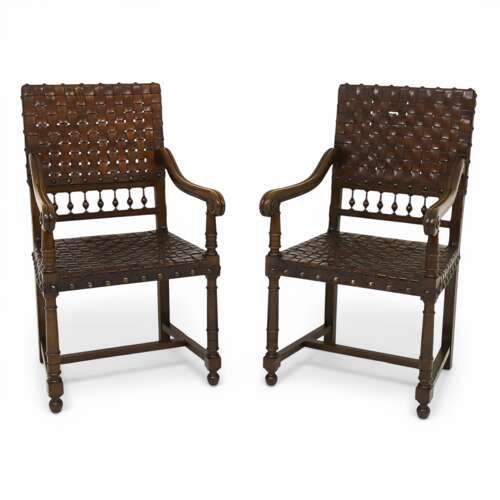
Woodwork relies on timbers such as mahogany, oak, satinwood, walnut, and blackwood, frequently shaped into curved frames or straight supports. Cabinetmakers employed techniques like inlay and carving to ornament the timber structures.
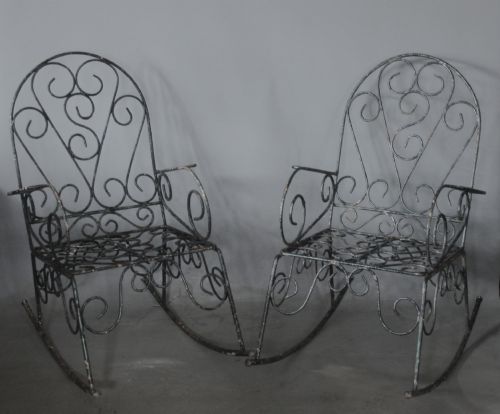
Metalwork utilises cast iron and wrought iron, particularly for garden sets and rocking chairs, providing robust outdoor frames. Giltwood and painted finishes add surface decoration over wood, often combined with upholstery fabrics like velvet.
Decorative Armchairs Retail Price Guide 2026
Typical asking prices for decorative armchairs among the pieces listed under this phrase on Sellingantiques today, from the lower quarter to the upper quarter. They describe what is for sale here now, not the wider market.
A nineteenth-century dentist chair stands out among the domestic armchairs, offering an unexpected seating option.
Assessing quality and craftsmanship
Quality rests in the execution of carved details, painted surfaces, and inlay work, where finer examples show precise hand-applied ornament. The choice of primary timber and the stability of the frame structure distinguish superior pieces.
The integrity of original materials, whether giltwood, woven leather, or painted decoration, marks the difference between standard production and exceptional examples.
The Decorative Armchairs Glossary
- Bergere
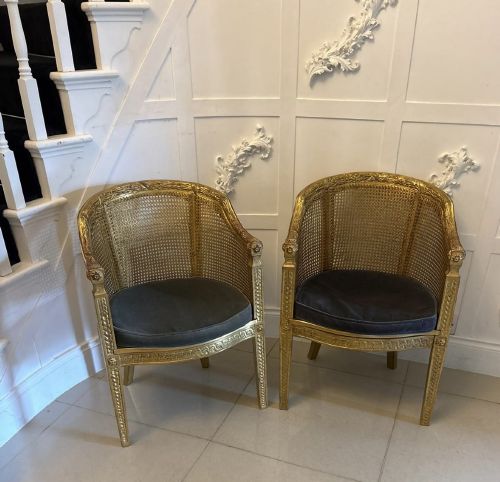
- An enclosed upholstered armchair with wooden framing, often featuring cane panels to the sides and back. This French form became popular during the eighteenth century and inspired later nineteenth-century revivals.
- Giltwood
- Timber coated with a thin layer of gold leaf or gilt powder. It appears on ornate salon chairs and throne armchairs.
- Aesthetic Movement
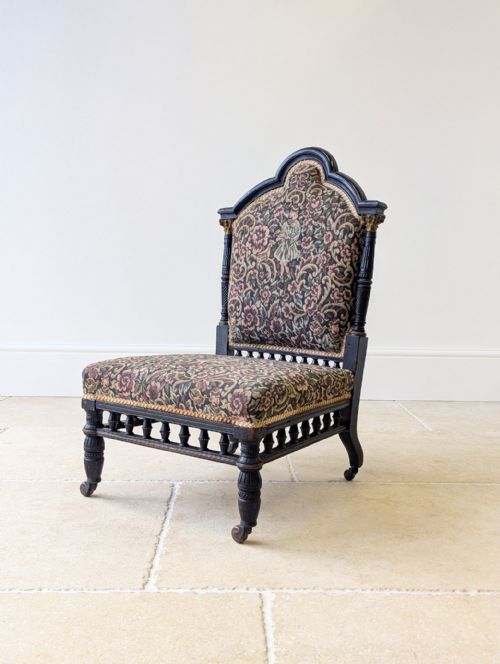
- A late nineteenth-century design style emphasising visual qualities over narrative content. Ebonised finishes and gilt highlights frequently characterise pieces from this period.
- Fauteuil
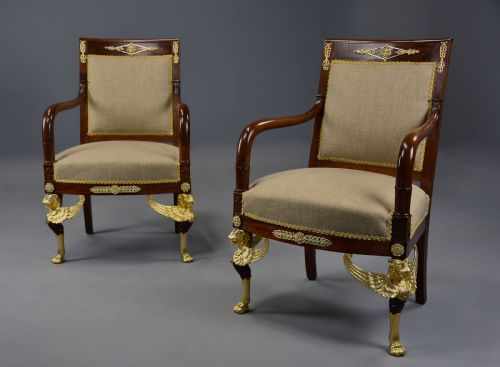
- An open-armed upholstered chair originating in France, typically featuring exposed wooden arms and frame. The style encompasses various revival periods including Louis XVI and Empire.
- Glastonbury chair
- A nineteenth-century revival form based on medieval X-framed chairs, constructed with intersecting wooden supports. These ecclesiastical-style seats often feature carved inscriptions.
Decorative Armchairs: Frequently Asked Questions
How do I identify a Victorian armchair?
Victorian armchairs often feature dark woods such as walnut or mahogany, substantial padding, and stylistic influences from earlier periods. Look for maker choices and construction methods typical of the nineteenth century.
Details like ebonised finishes, hand-painted elements, or cast iron framing also point towards Victorian production dates.
Where should I place an accent chair?
Accent chairs suit corners, bedrooms, or reception rooms where an extra seat enhances the layout. Their decorative frames and painted or inlaid details allow them to function as focal points.
Pairing matching salon chairs creates balanced seating arrangements in larger reception spaces.
What is the difference between salon and lounge chairs?
Salon chairs are typically lighter, more upright seats designed for drawing rooms and formal spaces. They frequently incorporate delicate painted woodwork, inlay, or exposed gilt frames.
Lounge or accent armchairs prioritise relaxed seating postures with heavier upholstery and sturdier wooden structures.
Are iron chairs meant for outdoor use?
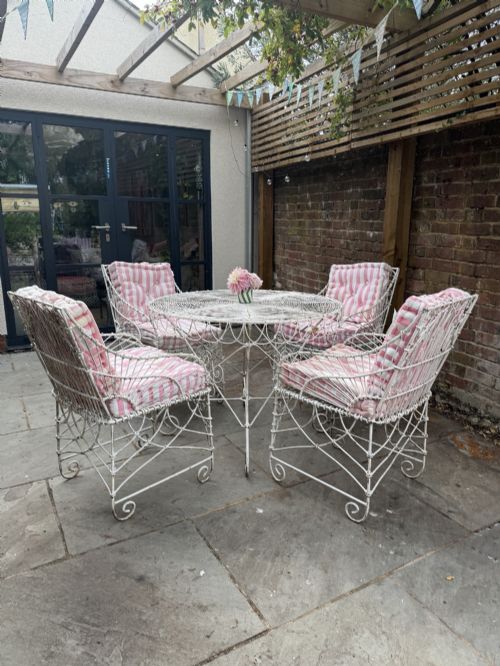
Cast iron and wrought iron chairs are constructed to withstand garden environments. They appear in sets or as individual rocking chairs designed for exterior placement.
These metal pieces often feature openwork scroll designs or structural framing suited to patios and lawns.