
Vintage Oval Table
A vintage oval table brings an organic curve to a room, offering dining, coffee, and side tables shaped across centuries in mahogany, walnut, and oak.
Vintage Oval Table
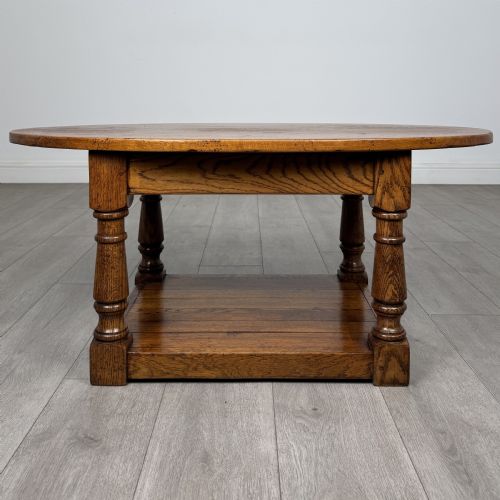
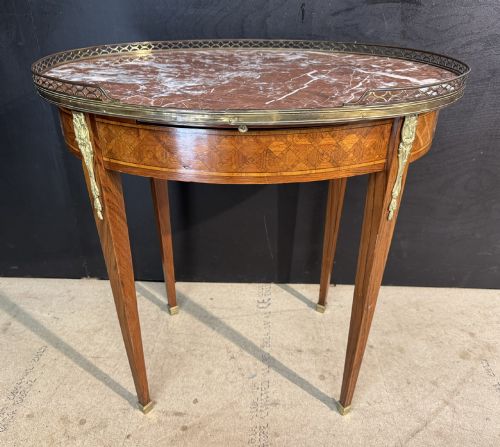
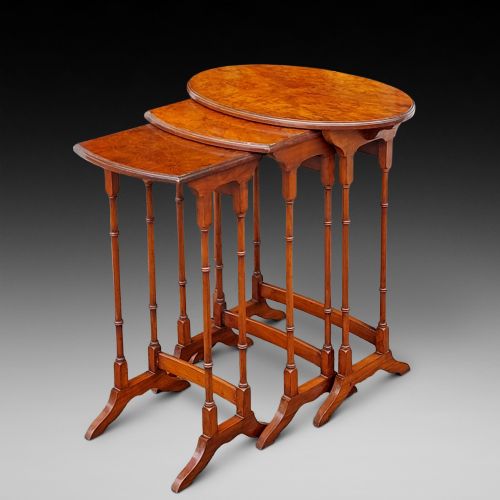
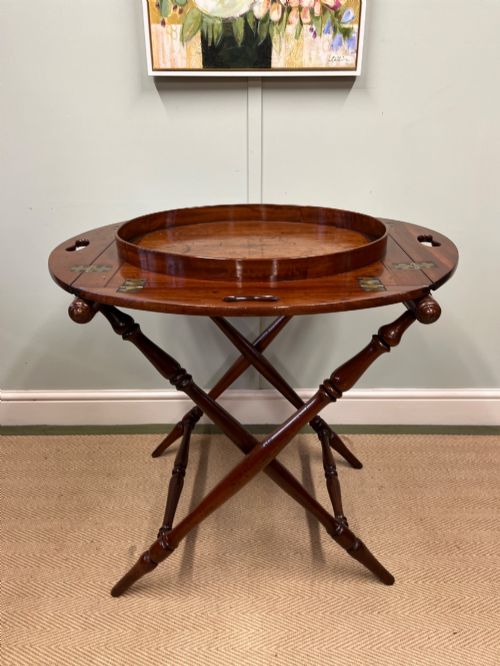
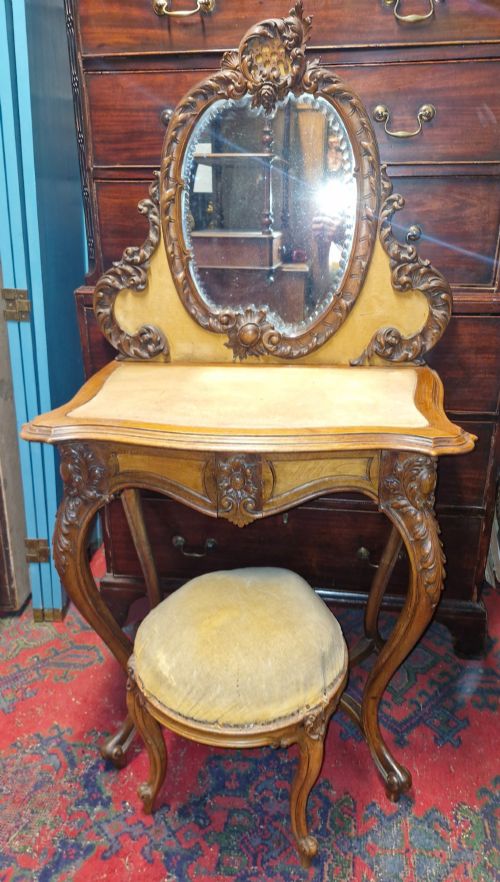
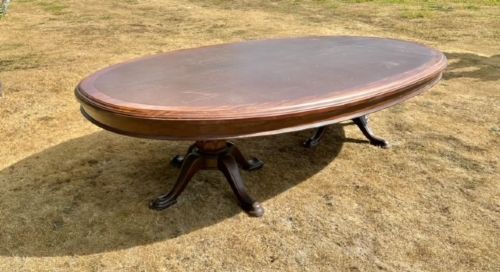
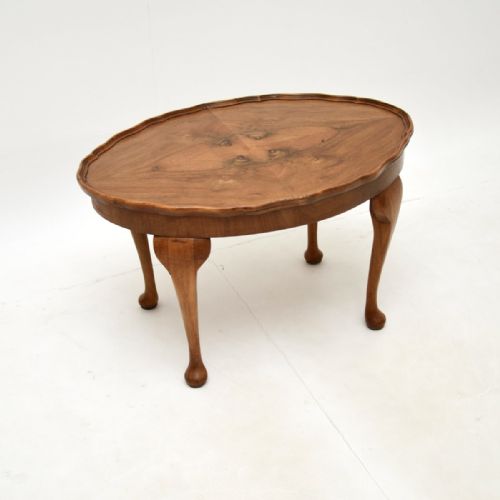
A vintage oval table appears in various forms across this selection, spanning dining tables, coffee tables, side tables, and occasional tables. These pieces originate from periods such as the Edwardian era, the nineteenth century, and the twentieth century, reflecting styles from Georgian and Victorian to Queen Anne and revival designs.
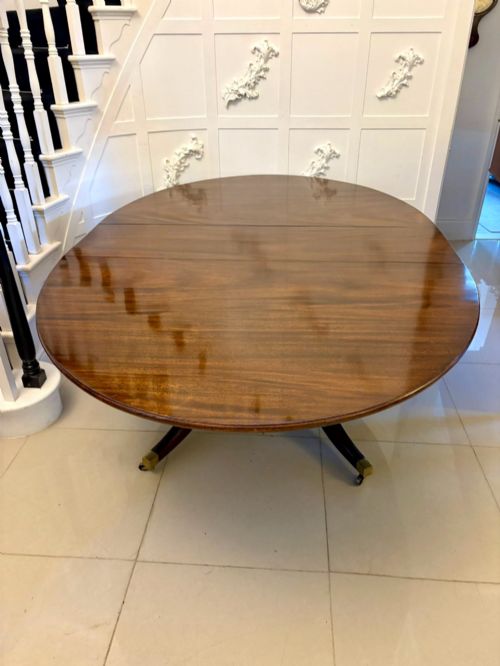
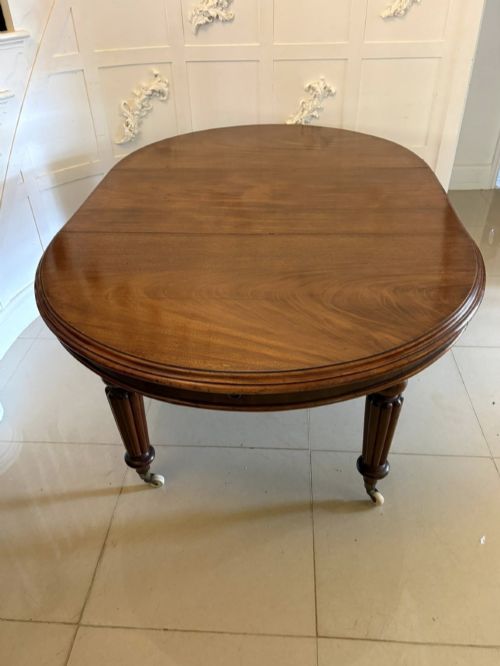
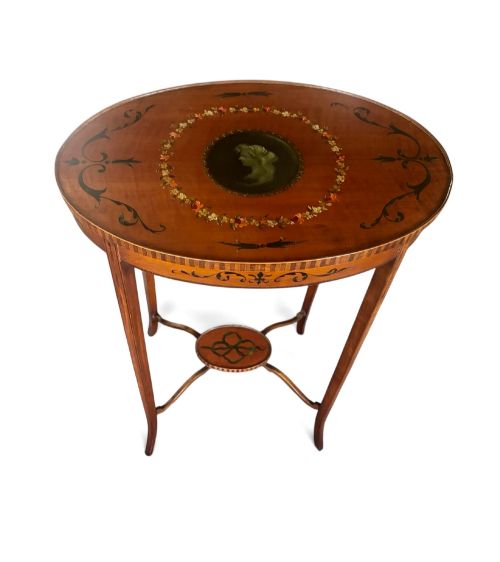
The most common examples encountered in this selection include extending dining tables in mahogany and walnut side tables standing on castors or cabriole legs. Smaller variations like coffee tables and occasional tables also feature prominently, constructed from oak, satinwood, and burr walnut.
Materials and Construction
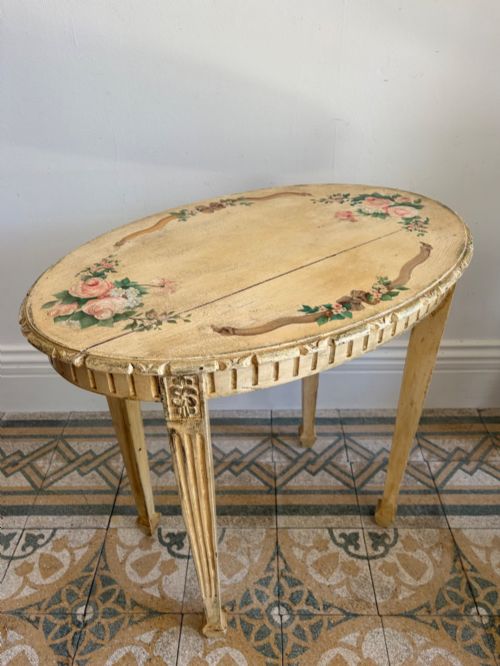
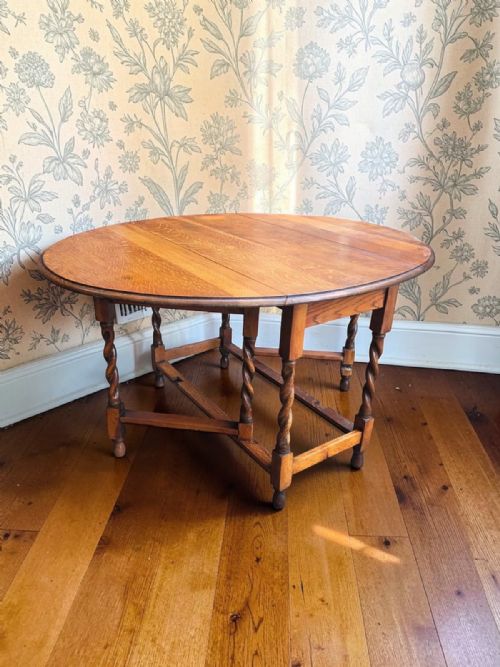
Makers constructed these pieces primarily using timbers such as mahogany, walnut, oak, and satinwood, often accenting surfaces with figured veneers, inlay, or painted floral decoration. Carpenters utilised traditional jointing methods to build robust frames that supported gateleg actions, tilt-tops, and wind-out extending mechanisms.
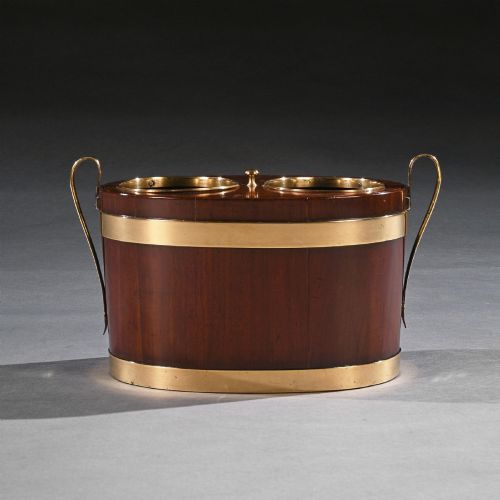
Metal components appear frequently in the evidence, incorporating brass for castors, bound edges, and handles, alongside ormolu mounts on French pieces. Glass tops and sterling silver or silver-plated items also complement the woodwork in related tabletop accessories.
The selection includes pieces spanning the eighteenth, nineteenth, and twentieth centuries, utilising mahogany, walnut, oak, satinwood, and ormolu.
Distinctions in Quality
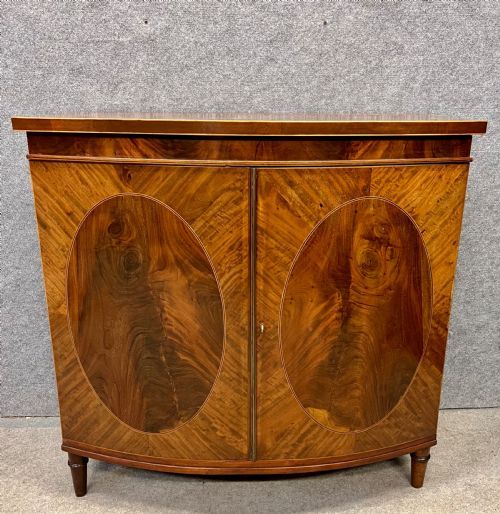
Quality rests upon the selection of timber, such as figured walnut or dense mahogany, and the precision of cabinetmaking displayed in veneers, marquetry, and carved details. Pieces featuring intact original surfaces, balanced proportions, and robust mechanisms for extending dining tables or tilting tops sit at the upper end of the range.
The integration of decorative elements like ormolu mounts, brass banding, and hand-painted floral motifs distinguishes finer examples from simpler utilitarian forms. Superior construction ensures that gateleg actions, drawers, and joints operate smoothly while maintaining structural integrity across decades.
François Linke·Mappin Bros·Mappin and Webb
The Vintage Oval Table Glossary
- Gateleg table
- A table with hinged drop leaves supported by legs that swing outward like gates. This design allows the surface area to expand or fold down for compact storage.
- Wind out table
- An extending dining table equipped with a mechanical screw mechanism operated by a handle. It separates the leaves evenly to insert additional centre panels.
- Ormolu
- Gilded bronze ornamentation applied to furniture, popular in French decorative arts. It provides metallic contrast against dark hardwoods like mahogany.
- Pembroke table
- A small rectangular or oval table with hinged drop leaves on either side. These tables typically feature a single drawer and slender legs.
- Burr walnut
- Timber taken from the warted growths of walnut trees, yielding complex, swirling grain patterns. Cabinetmakers prize it for high-status veneering.
Vintage Oval Table: Frequently Asked Questions
How do I care for a walnut table surface?
Polishing timber regularly with appropriate beeswax preserves the grain and protects the polished finish from moisture and everyday wear.
Avoid placing wooden surfaces in direct sunlight or near heat sources to prevent the wood from drying out and cracking.
How do extending dining tables operate?
Many vintage examples utilise a wind-out mechanism where a handle turns an internal screw thread to separate the table halves.
Additional leaves are then dropped into the centre gap to lengthen the surface for larger gatherings.
Where were side tables typically placed?
Side tables and occasional tables found placement in hallways, drawing rooms, and bedrooms as convenient surfaces for lamps, books, or mirrors.
Smaller nesting tables offered flexible utility that allowed them to be tucked away when not in use.
What distinguishes Edwardian furniture?
Edwardian pieces often display lighter woods like satinwood and mahogany, frequently embellished with subtle stringing, inlay, or painted decorations.
Designers during this period frequently drew inspiration from earlier Georgian and eighteenth-century aesthetics.