

Vintage Outdoor Planter
These vintage outdoor planter options bring architectural presence to a garden, offering heavy cast iron, terracotta, and stone vessels designed to hold greenery.
Vintage Outdoor Planter
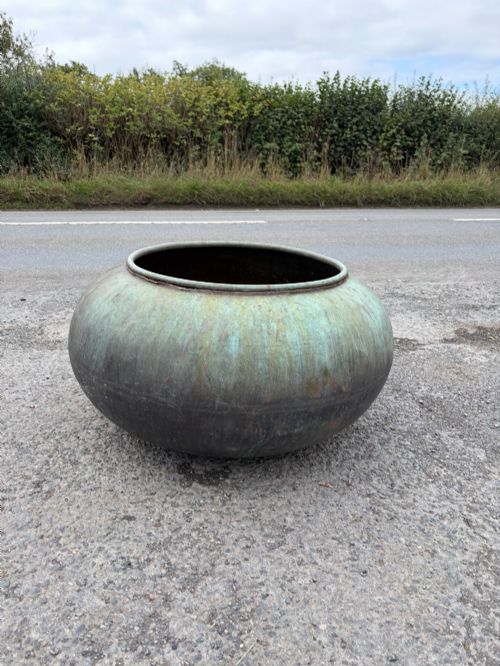
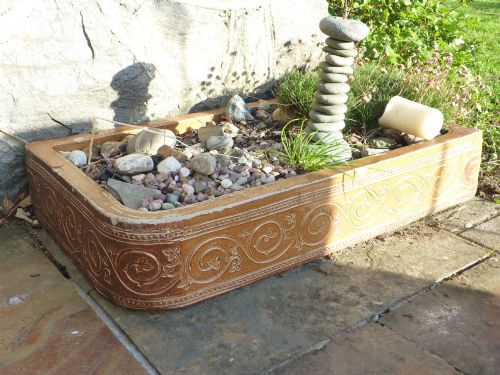
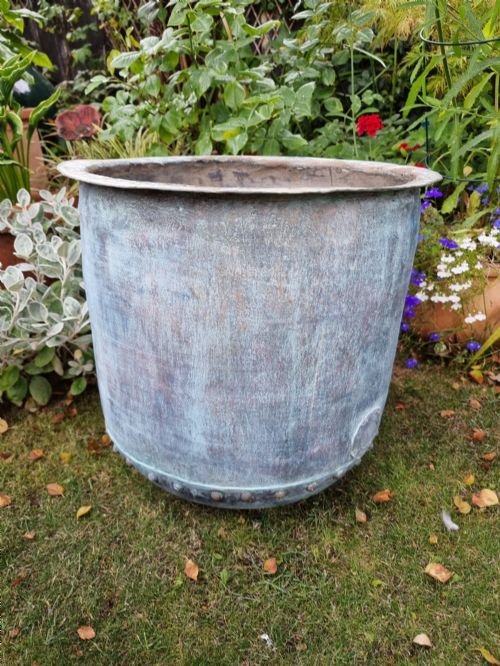
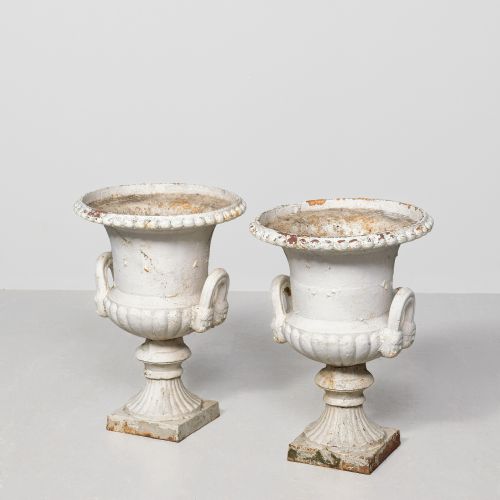
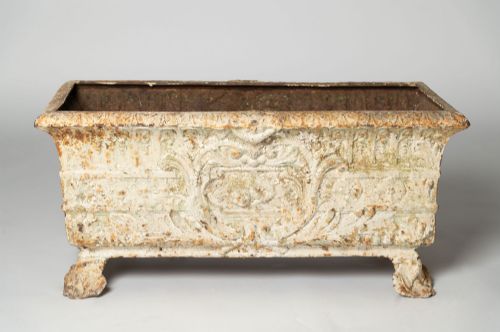
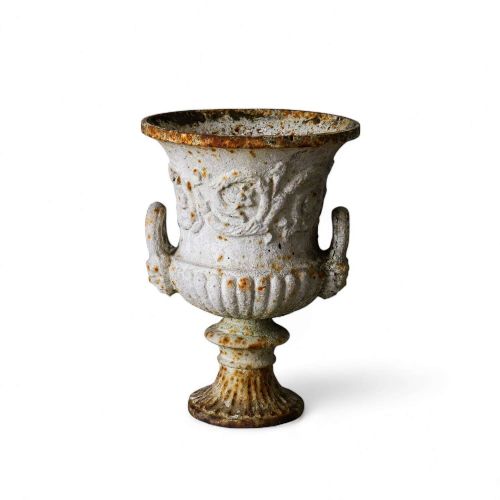
When someone searches for a vintage outdoor planter, they find a variety of garden vessels spanning the nineteenth century through the mid-twentieth century. The selection ranges from classical campana urns and wirework tiered stands to salt-glazed troughs and large copper display pots.
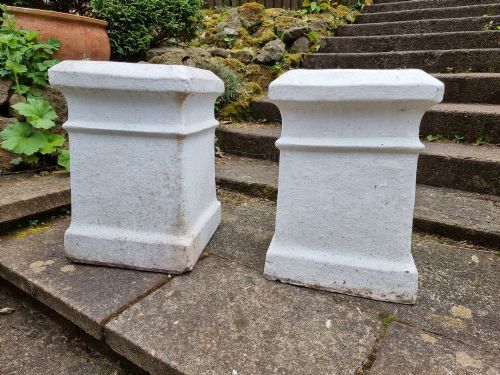
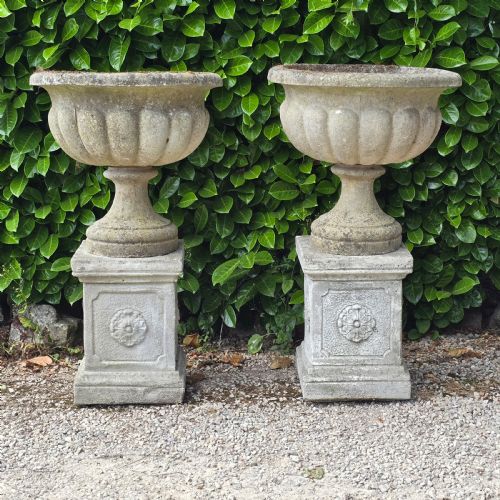
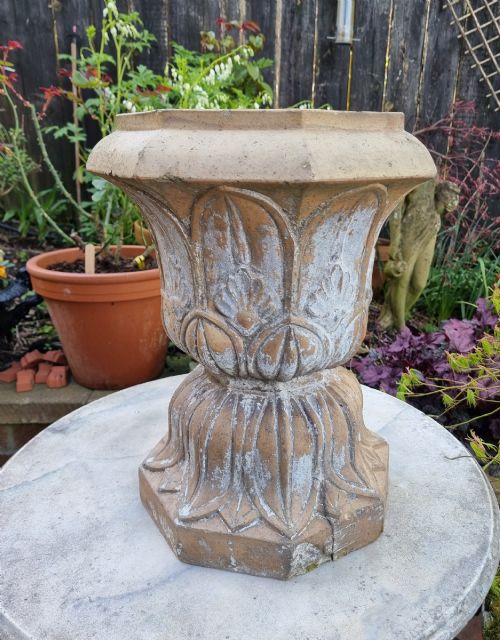
Most pieces appearing here belong to the Victorian era or early twentieth century, shaped by neoclassical and Gothic revival styles. Forms vary from simple terracotta oil jars and chimney pot pedestals to elaborate cast iron urns mounted on matching plinths.
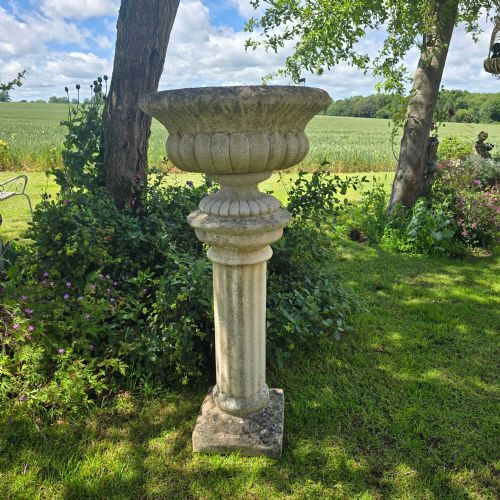
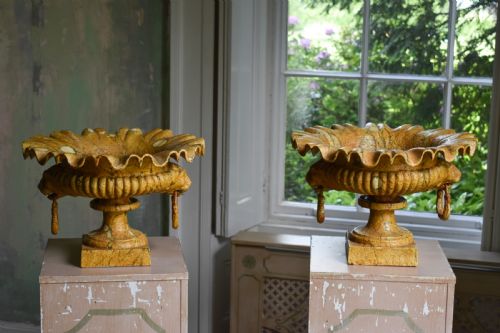
Origins stretch across English, French, and Scottish workshops, alongside pieces from Indian stone sources. Buyers encounter individual vessels as well as matched pairs suited for framing garden pathways or patio entrances.
How they were made
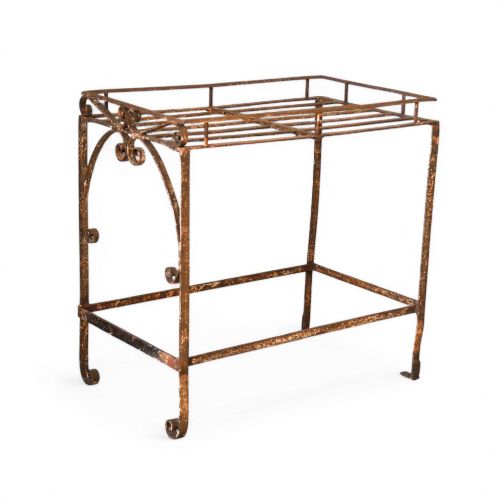
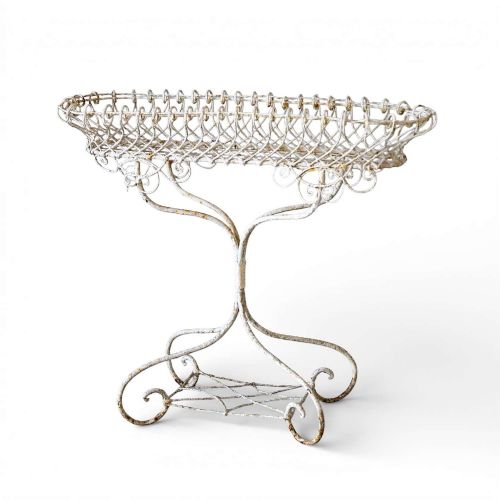
Metal vessels rely on foundry casting and manual smithing, utilising cast iron, wrought iron, and heavy copper sheets. Iron urns emerge from moulds, often bearing painted finishes or natural verdigris, while wrought iron pieces feature welded scrollwork and lattice baskets.
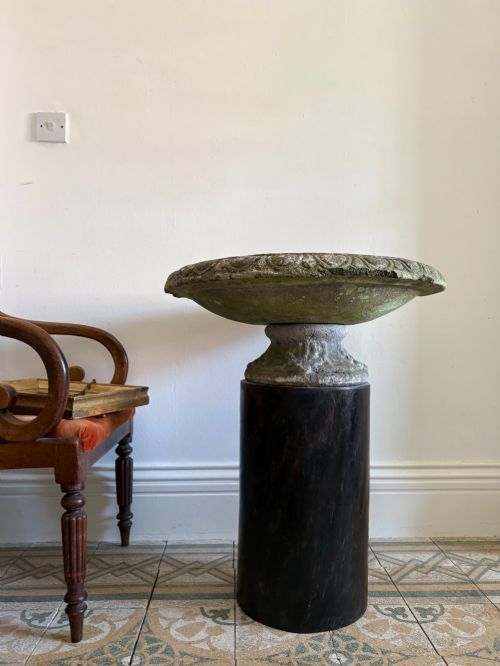
Ceramic and stone forms depend on regional clay extraction and masonry. Terracotta, salt-glazed stoneware, soft stone, and cast stone are shaped and fired or moulded into garden vessels, sometimes incorporating faux bois surface textures.
Some nineteenth-century cast iron planters take the surprising shape of giant shrimp, adding a curious seaside touch to garden displays.
What varies in quality
Quality rests in the weight of the metal or density of the stone, alongside the crispness of classical moulding and cast detail. Foundry-marked iron urns and heavy terracotta display superior structural integrity compared to simpler utilitarian forms.
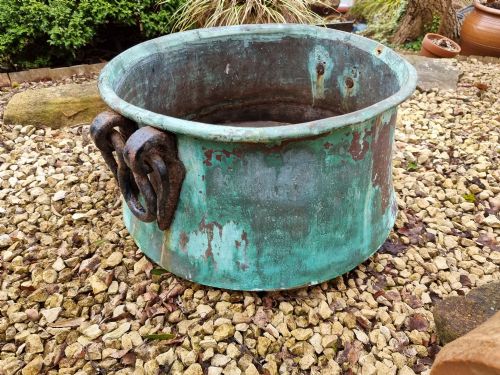
Surface patination and originality define the character of older pieces. Original distressed paint, authentic verdigris on copper, and weathering marks distinguish pieces that retain their historical surface from those lacking depth.
Coalbrookdale·Andrew Handyside·Guichard Carriès·Val D'Osne Foundry
The Vintage Outdoor Planter Glossary
- Campana
- A bell-shaped garden urn originating in classical antiquity, widely cast in iron and terracotta during the nineteenth century.
- Salt-glazed stoneware
- Pottery fired at high temperatures with salt thrown into the kiln, producing a durable, vitrified surface resistant to weathering.
- Faux bois
- An artistic technique mimicking wood grain on durable materials like stone and concrete, seen on nineteenth-century strawberry planters.
- Verdigris
- A green patina formed naturally on copper or brass through atmospheric oxidation over decades of exposure.
Vintage Outdoor Planter: Frequently Asked Questions
How do I secure heavy cast iron urns?
Heavy cast iron urns usually stand securely under their own weight on firm ground, patios, or dedicated stone plinths. For added stability in exposed windy locations, manufacturers sometimes included internal fixing points or base plates.
Larger pieces benefit from professional placement using appropriate lifting equipment to protect both the vessel and the mounting surface.
Can terracotta planters stay outside in winter?
Terracotta garden vessels tolerate outdoor conditions well, provided water drains freely through the base to prevent internal ice expansion. Elevating pots on small pot feet stops moisture from freezing against the patio.
Glazed and salt-glazed stoneware offer additional resistance against frost penetration during colder months.
How do I clean verdigris without damage?
Copper and bronze surfaces develop a protective verdigris patina that historians and collectors prefer to leave undisturbed. Gentle washing with plain water and a soft brush removes loose surface debris without stripping the historical finish.
Harsh chemical cleaners or abrasive scouring pads strip away the aged patination that defines vintage metalwork.
What is the difference between an urn and a trough?
Urns typically feature a round, bell-shaped bowl raised on a pedestal or footed base, designed as a vertical focal point. Troughs provide a long, horizontal planting bed suited for windowsills, walls, or narrow garden borders.
Both forms utilise durable outdoor materials like cast iron, stone, and salt-glazed ceramic.