



Vintage Ottoman
A vintage ottoman serves as a versatile seat or storage piece, bringing period character and practical function to a room.
Vintage Ottoman
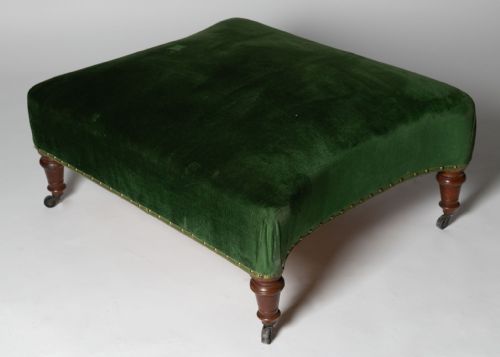
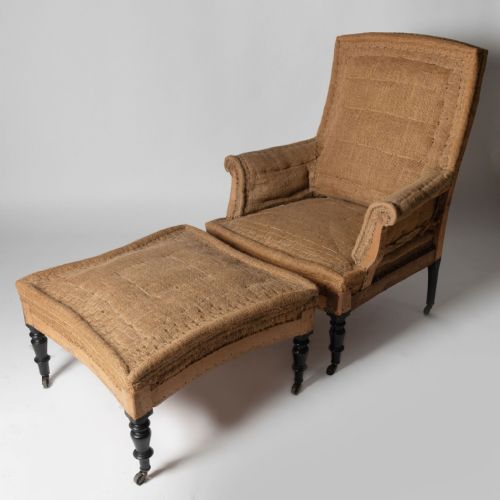
When you search for vintage ottoman, you encounter a varied selection of antique footstools, low seats, storage trunks, and blanket boxes spanning the nineteenth and early twentieth centuries. These pieces cross multiple revival styles and regional traditions, ranging from heavy Victorian mahogany frames to inlaid Middle Eastern chests.
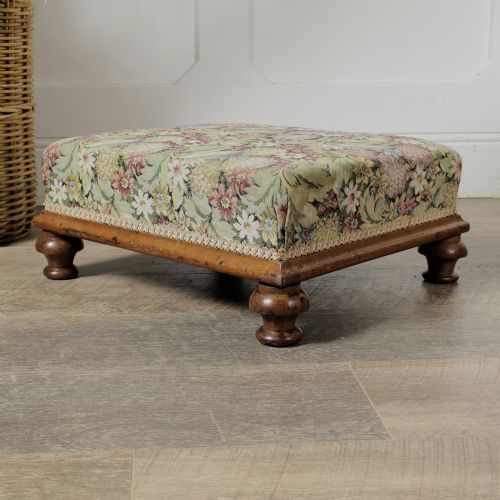
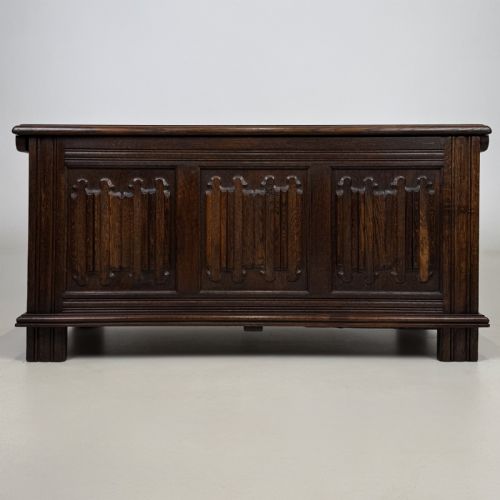
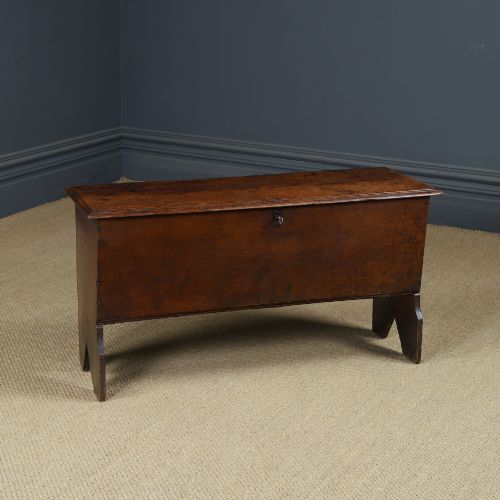
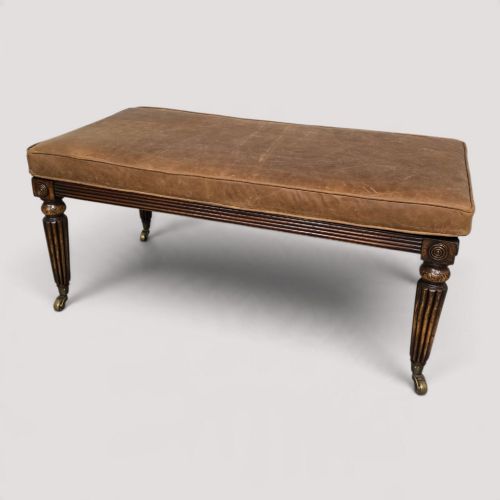
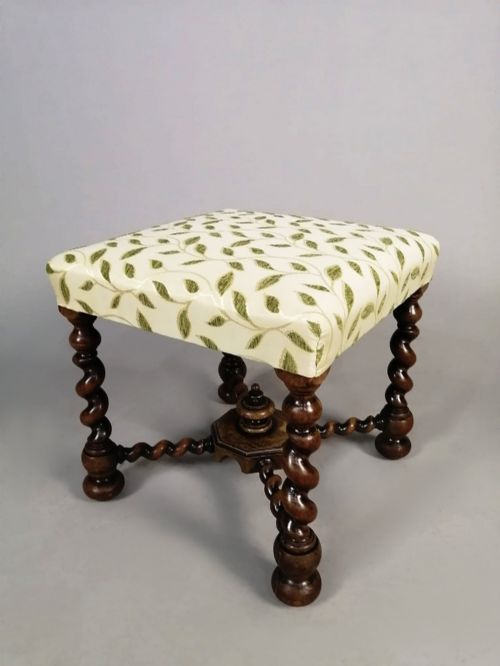
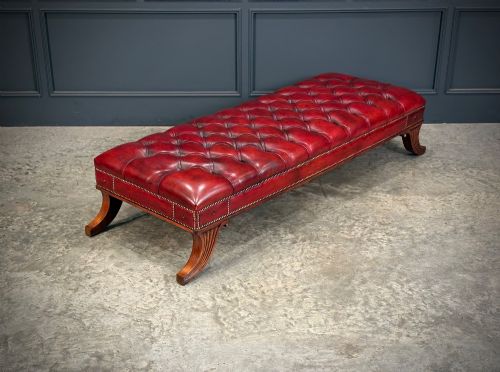
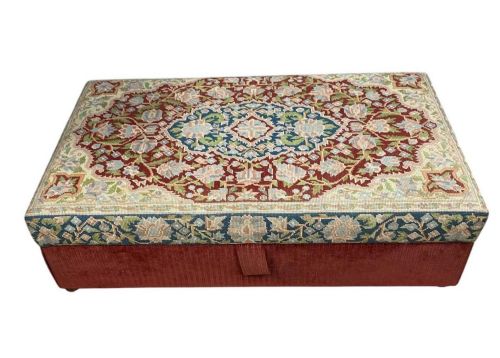
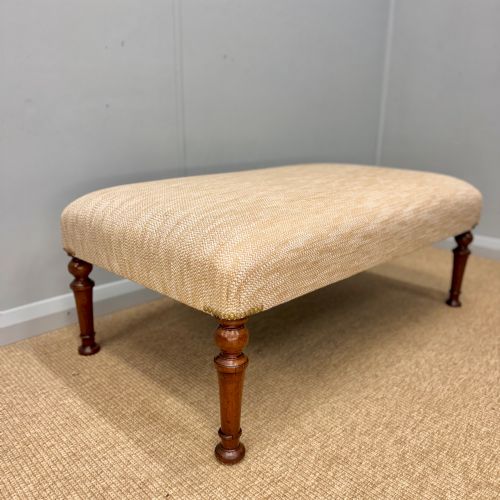
The most common forms on this page are upholstered footstools and low benches, often paired with buttoned leather, tapestry, or needlepoint seats. Alongside seating, the listings include pine storage trunks, carriage chests, and occasionally silver items from the Ottoman Empire.
Makers such as Liberty, and designers like Harry and Lou Epstein, appear among the pieces, connecting domestic seating to notable workshops and twentieth-century modern production.
Materials and construction
Carpentry relies on traditional hardwoods such as mahogany, walnut, and pine, alongside exotic woods like rosewood and hardwood with mother-of-pearl inlay. Frames feature carved detailing, turned supports, and structural joints appropriate to their period.
Upholstery employs hand-dyed leather, buttoning techniques, chenille, velvet, and intricate needlepoint or tapestry seat covers. Metalwork incorporates solid silver and brass components, particularly on travel pieces and decorative vessels.
Vintage Ottoman Retail Price Guide 2026
Typical asking prices for vintage ottoman among the pieces listed under this phrase on Sellingantiques today, from the lower quarter to the upper quarter. They describe what is for sale here now, not the wider market.
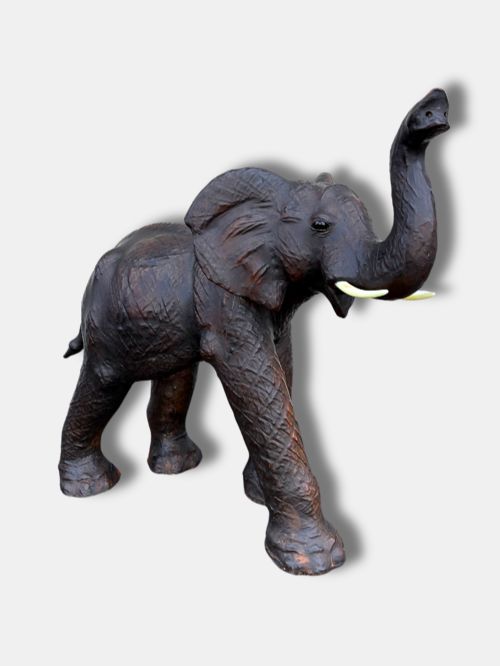
Elephants join the seating options through leather footstools produced for Liberty.
Distinctions in quality
Quality rests in the integrity of the timber frame, the crispness of carved wooden details, and the fidelity of revival styles such as Chippendale and Queen Anne. Finer examples display dense hardwoods, precise joinery, and substantial proportions.
The standard of upholstery and textile work significantly impacts the piece, with hand-dyed buttoned leather and period needlepoint retaining more decorative presence than plain or later fabric replacements.
Liberty·Harry and Lou Epstein·Anton Ignaz Melling
The Vintage Ottoman Glossary
- Ottoman
- A low upholstered seat or footstool without a back or arms, frequently used for resting feet or as casual seating.
- Kilim
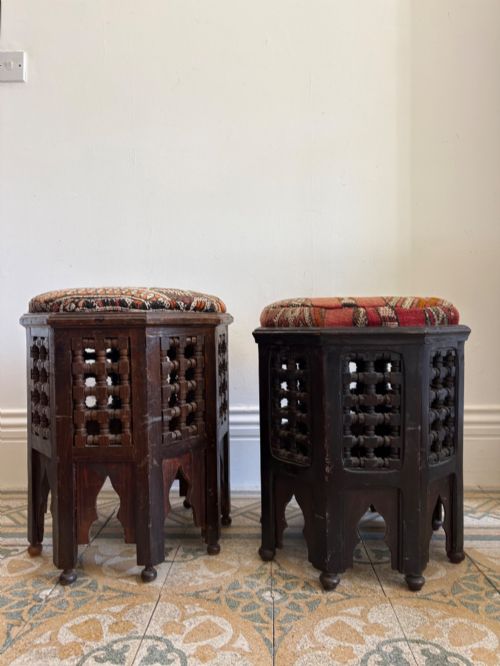
- A flatwoven carpet or rug used traditionally in the Middle East and southeastern Europe, often repurposed here as seat covers.
- Needlepoint
- A type of canvas work embroidery executed with yarn, commonly found covering the tops of Victorian footstools.
- Divit Qalamdan
- A traditional portable writing desk or pen case, usually comprising a hollow compartment for pens and an attached inkwell.
- Chippendale Revival
- A decorative style inspired by eighteenth-century cabinet maker Thomas Chippendale, characterised by carved cabriole legs and claw-and-ball feet.
Vintage Ottoman: Frequently Asked Questions
What is a vintage ottoman used for?
These pieces function primarily as low footstools, fireside seats, or occasional coffee tables in living spaces. Variants such as blanket boxes and carriage chests provide enclosed storage for household textiles.
Heavier wooden chests and trunks also double as decorative furniture surfaces in country house or traditional interiors.
How do I identify Victorian styles?
Victorian pieces typically utilise dark timbers like mahogany and walnut, often featuring robust turned legs, carved frames, and deep buttoned leather. Mid-nineteenth-century examples lean towards heavy proportions and detailed upholstery.
Later Victorian designs incorporate varied revival influences, ranging from French chateau motifs to geometric needlework.
Are these pieces upholstered originally?
Many items feature period upholstery such as hand-dyed leather, tapestry, or needlepoint dating from the nineteenth or early twentieth century. Other frames have received careful re-upholstery in compatible traditional textiles like chenille.
Fabric choices generally reflect the revival style and decade of the wooden base.
What distinguishes Moorish revival pieces?
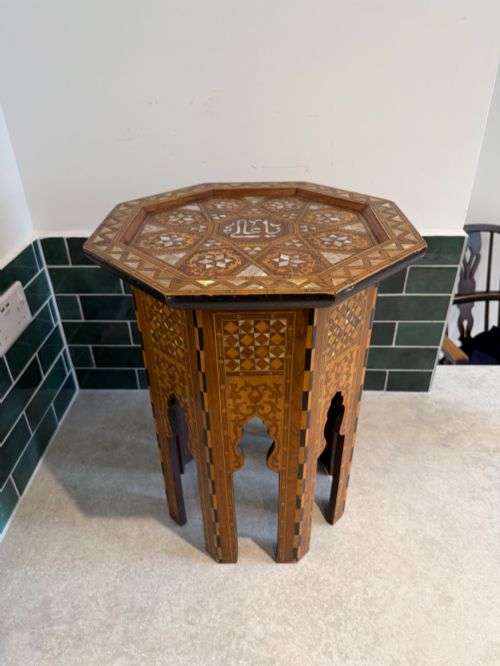
Moorish revival items incorporate octagonal forms, intricate woodwork, and inlaid mother-of-pearl typical of Middle Eastern design influences. They frequently utilise kilim seat covers or textiles originating from Anatolian regions.
These decorative elements separate them visually from standard English and French classical furniture styles.