
Vintage Ottoman Stool
A vintage ottoman stool brings understated comfort and period character to a room, offering a low resting place for tired feet or a makeshift seat.
Vintage Ottoman Stool
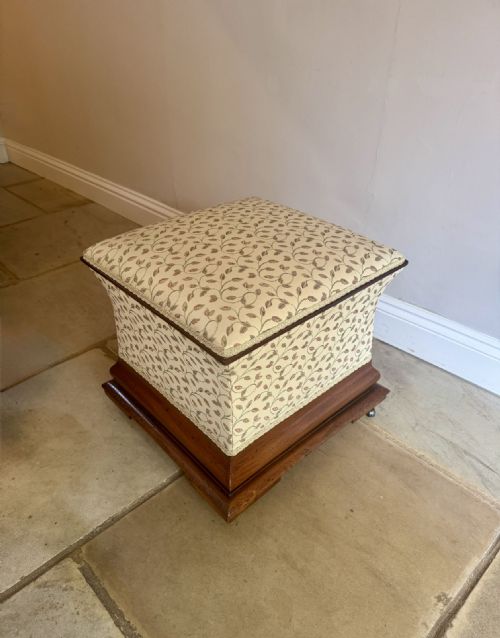
When searching for a vintage ottoman stool, buyers encounter low seating designed for resting feet or perching near a fireside. The selection spans the nineteenth century through the Art Deco era of the nineteen-thirties, taking forms such as footstools, daybeds, and dressing table seats.
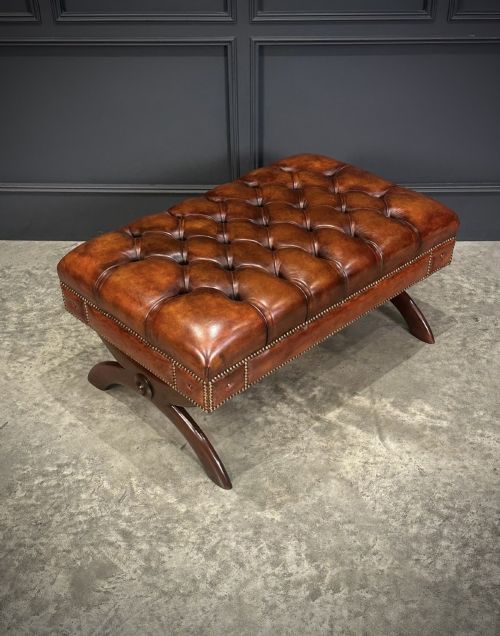
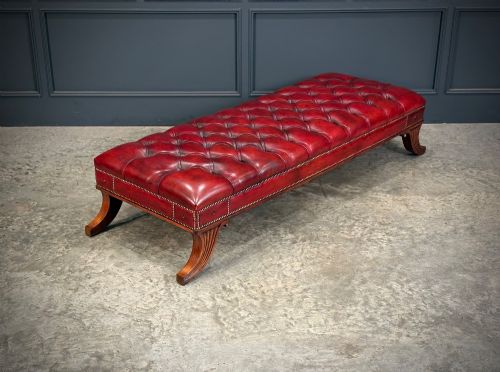
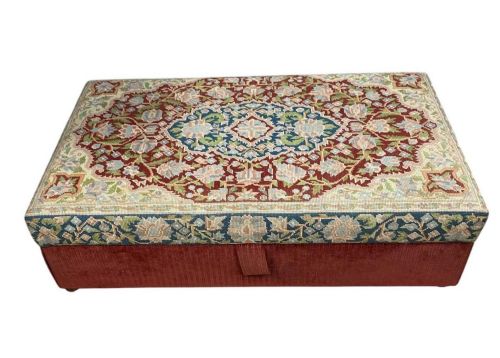
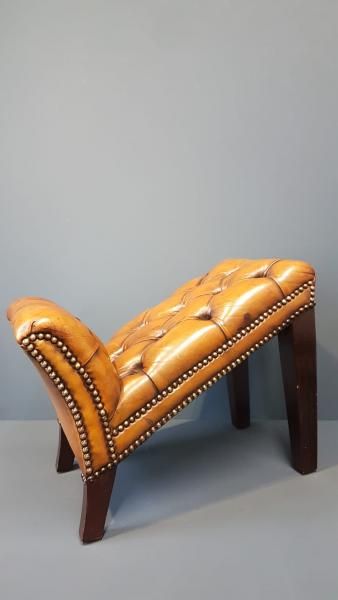
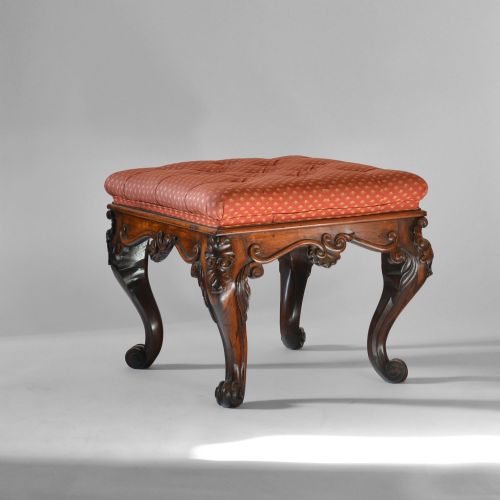
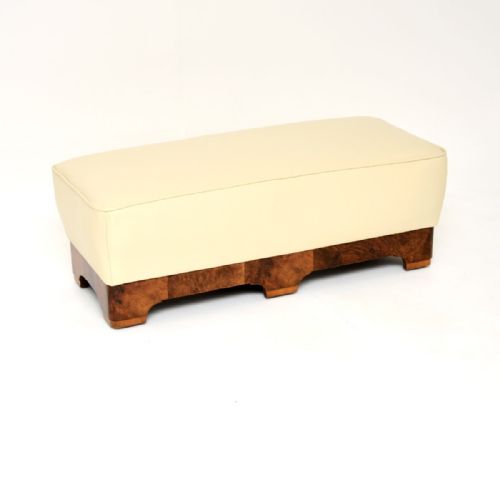
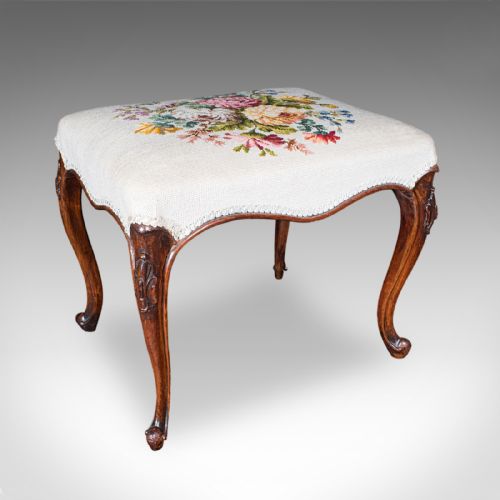
Victorian walnut and mahogany pieces dominate the offerings, often featuring carved wooden frames paired with needlepoint, tapestry, or buttoned leather upholstery. Alongside these traditional designs, streamlined nineteen-thirties burr walnut and birds-eye maple examples reflect later twentieth-century tastes.
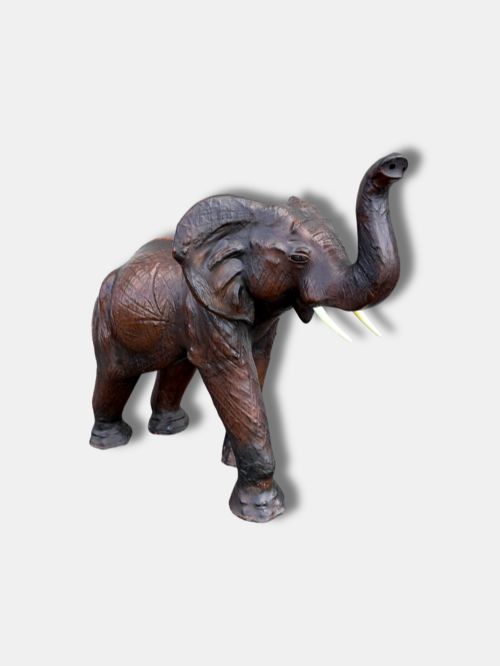
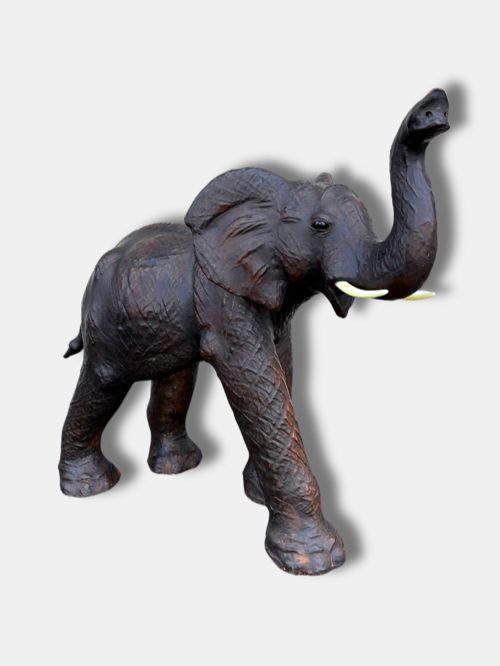
Revival styles appear frequently, drawing on Queen Anne, Chippendale, and Georgian aesthetics alongside French influences. Buyers also encounter unusual novelty forms rendered in leather, such as pigs and dogs produced by the Omersa workshop for Liberty.
Materials and construction
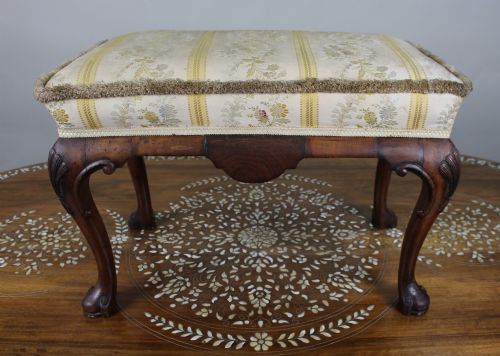
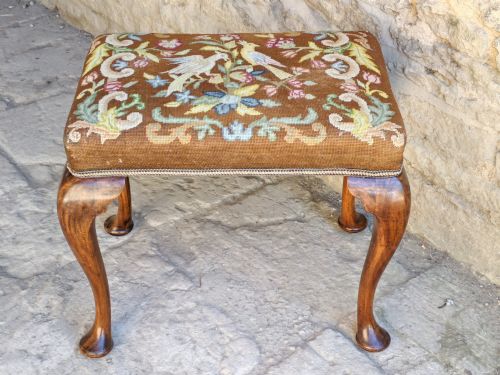
Frames rely on solid hardwoods including walnut, mahogany, rosewood, and beech, chosen for their strength and suitability for carving. Joinery often includes cross stretchers or cabriole legs that provide stability to low seating forms.
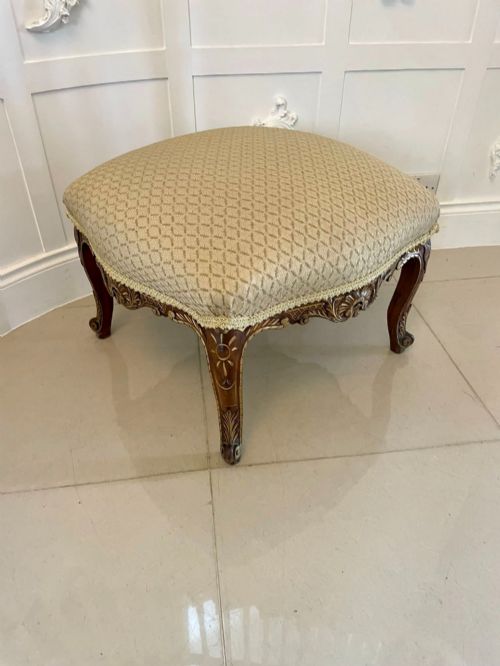
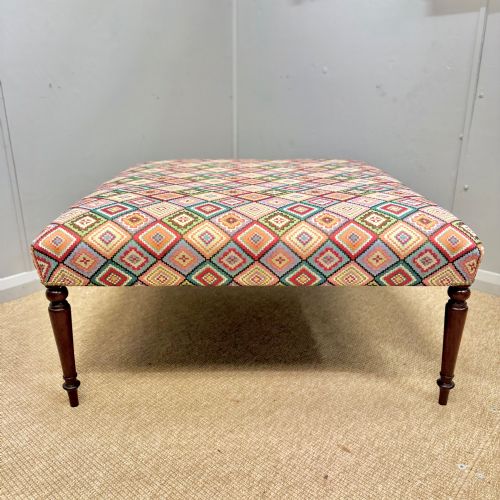
Upholstery materials range from hand-dyed leather and velvet to patterned textiles, geometric fabrics, and wool needlepoint. Brass hardware and gilt accents occasionally highlight the woodwork, while cane panels appear on select daybed styles.
Listings feature wooden frames spanning the Victorian, Edwardian, and Art Deco eras, constructed from walnut, mahogany, and brass.
Assessing quality in antique stools
Quality reveals itself in the crispness of the hand-carved woodwork and the weight of the timber used in the frame. Denser hardwoods like walnut and mahogany hold intricate details far better than softer alternatives over decades of use.
The standard of upholstery work dictates longevity, particularly when original needlepoint or hand-dyed buttoned leather is preserved. Pieces that retain their structural integrity in the stretchers and leg joints command greater appreciation.
Howard and Sons·Harry and Lou Epstein·Omersa Workshop
The Vintage Ottoman Stool Glossary
- Cabriole leg
- A furniture leg that curves outward in a convex arc and tapers inward below to a pad or scroll foot. This shape derives from ancient animal forms and gained popularity during the eighteenth century before being revived in later periods.
- Cross stretcher
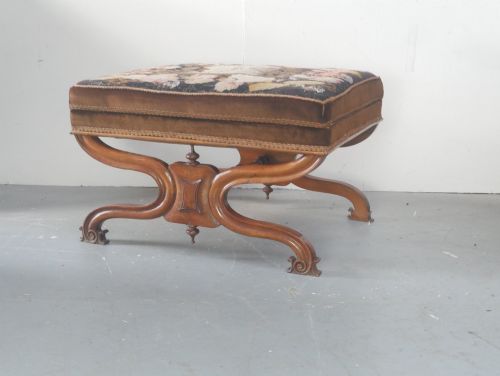
- An intersecting wooden brace positioned between the legs of a stool to provide structural support. They frequently feature central finials or carved details.
- Needlepoint
- A type of canvas work embroidery executed with wool yarn, commonly found on Victorian seat covers. It allows for dense geometric or floral patterns.
- Ebonised
- Wood finished with a dark stain or lacquer to imitate the appearance of ebony. This treatment was favoured on nineteenth-century statement frames.
- Buttoned leather
- Upholstery secured with deep indentations held by buttons, creating a padded diamond pattern. This technique adds both texture and firm tension to leather seats.
Vintage Ottoman Stool: Frequently Asked Questions
How do I date a vintage ottoman stool?
Dating relies on identifying timber choices, leg profiles, and upholstery techniques characteristic of specific decades. Victorian examples typically showcase heavy carved walnut with buttoned leather or tapestry, whereas nineteen-thirties pieces favour burr walnut and streamlined Art Deco geometry.
Secondary clues include the type of fixings and the wear patterns on the wooden feet. Comparing structural motifs against established revival periods helps narrow down the decade of manufacture.
Were these stools used only for feet?
While many started life as footstools or fireside companions, their robust frames made them versatile enough for auxiliary seating. Dressing table stools and piano seats were built specifically for sitting during daily routines.
Larger square variants often double as low coffee tables when topped with a flat tray. Their compact proportions allow them to move easily between rooms as living needs change.
How should I care for leather upholstery?
Leather seat tops require regular dusting with a soft, dry cloth to prevent grit from settling into the grain. Natural conditioners help maintain suppleness and prevent the hide from drying out over time.
Keeping antique leather away from direct heat sources and strong sunlight preserves the original hand-dyed colour. Minor scuffs often blend into the patina of older pieces with gentle treatment.
Can I reupholster an antique stool?
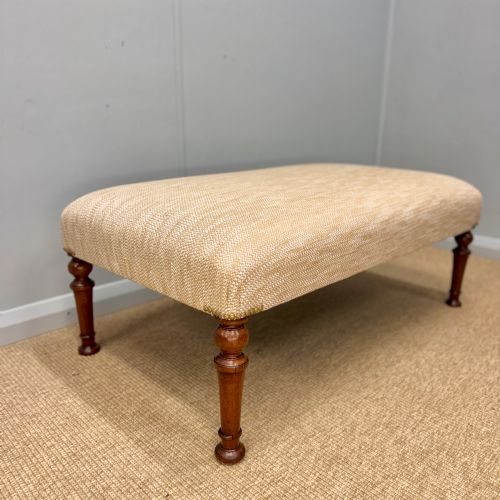
Many antique frames survive with neutral or later replacement fabric, making reupholstery a straightforward way to match modern interiors. Traditional methods involving webbed bases and horsehair stuffing preserve the authentic bounce of older seating.
Some pieces arrive ready for new fabric, allowing buyers to select textiles that complement their existing decor. Retaining original needlework or historic leather is often preferred if the material remains sturdy.