





Vintage Ornithological Print
A vintage ornithological print brings the quiet observation of natural history into a room through precise study and paper.
Vintage Ornithological Print
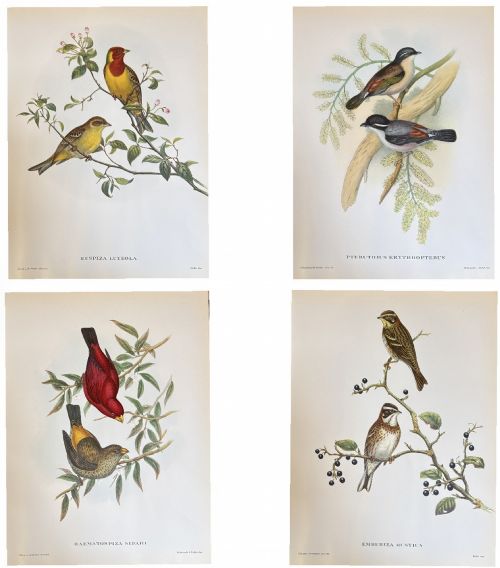
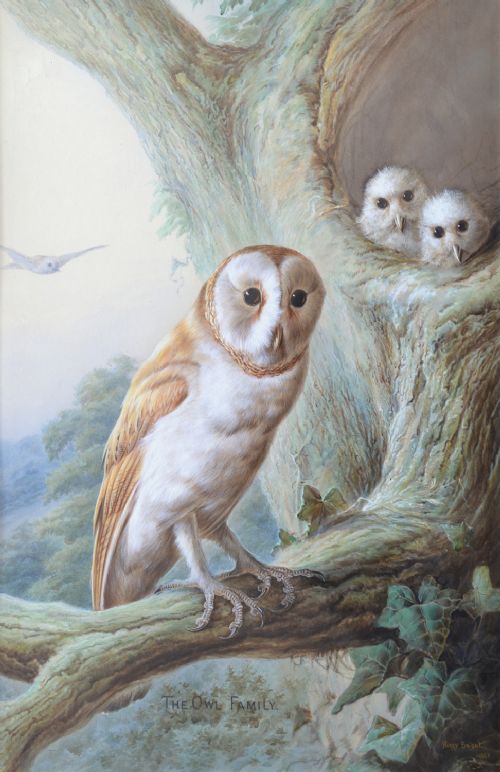
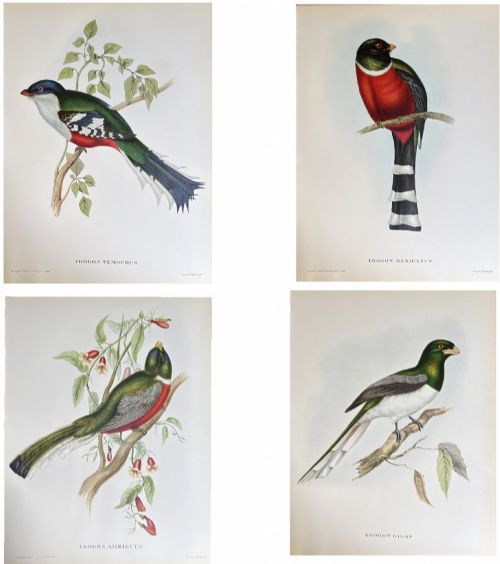
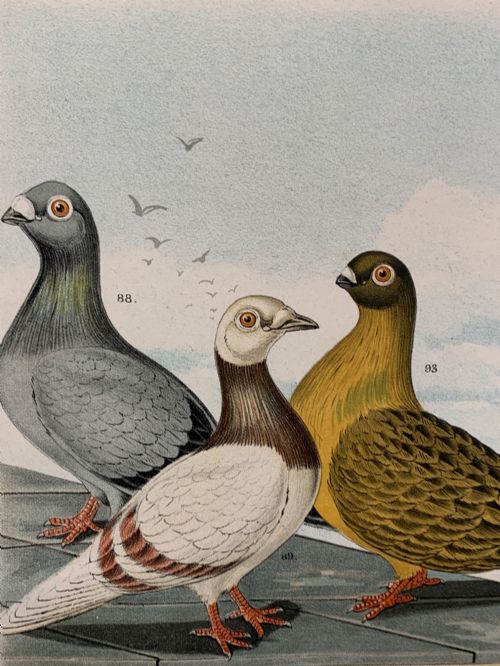
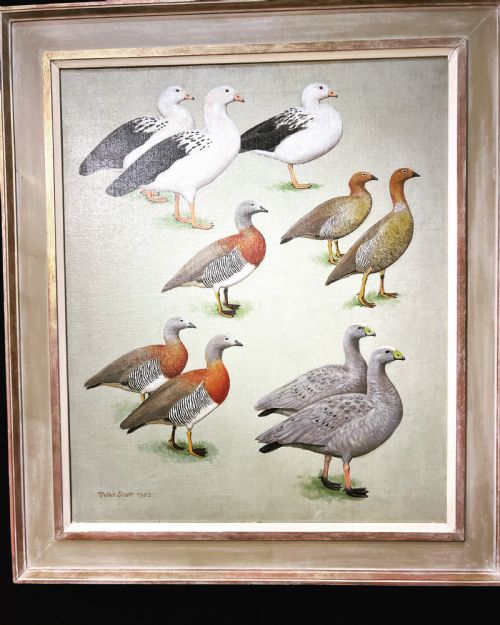
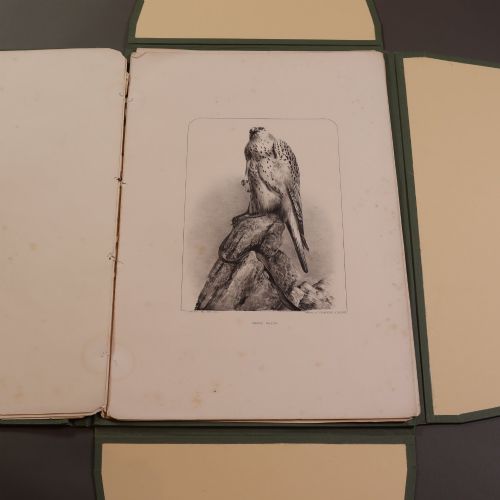
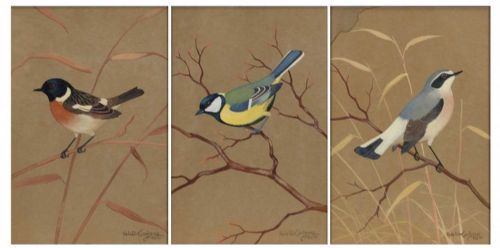
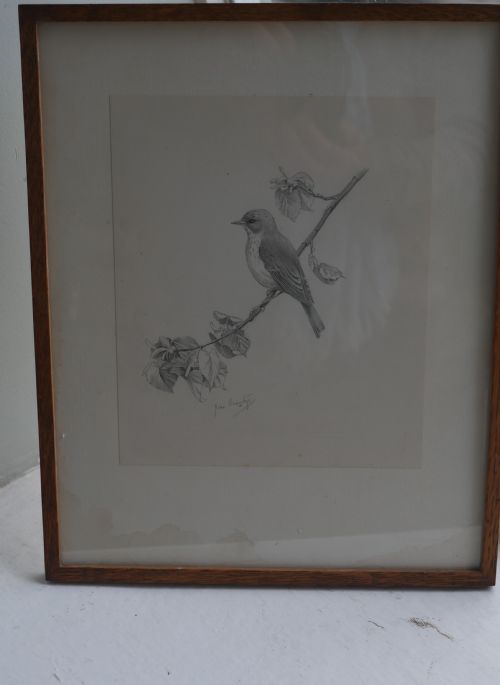
When you search for a vintage ornithological print, you are looking at illustrations and paintings of birds created across the eighteenth, nineteenth, and twentieth centuries. These pieces record avian species through detailed observation, ranging from single hand-coloured engravings to sets of lithographs.
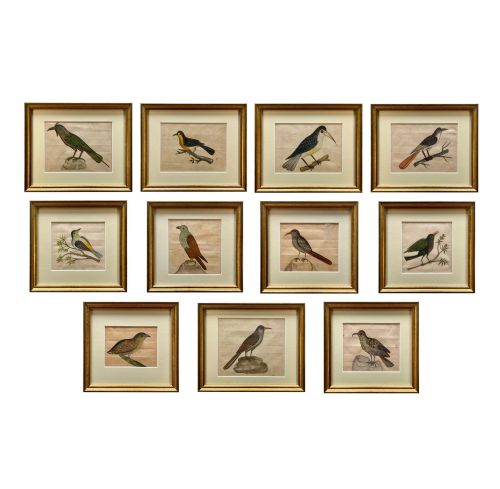
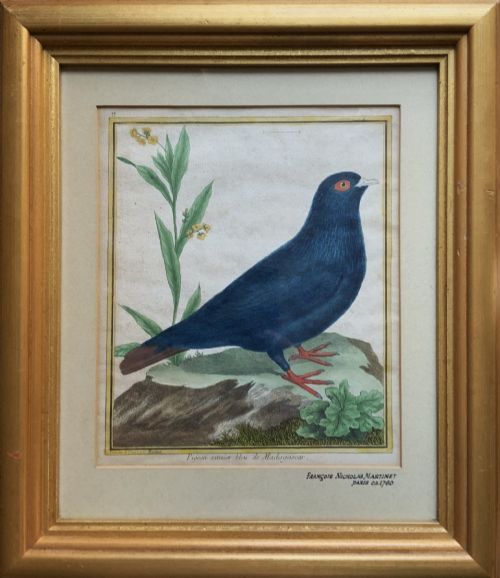
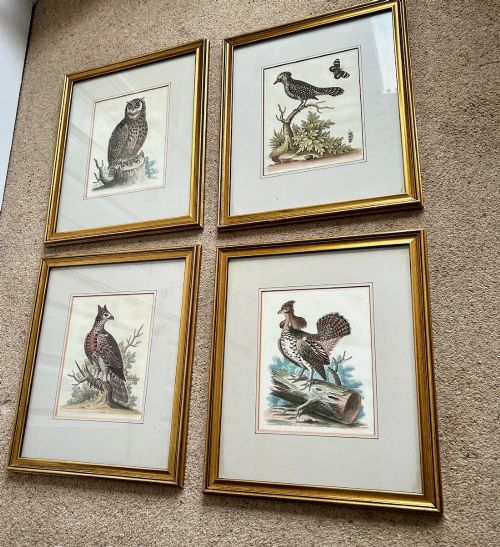
The versions you are most likely to meet on this page include framed nineteenth-century engravings, mid-century watercolours, and matched sets of prints from periods such as the Georgian, Victorian, and Edwardian eras. They appear as individual framed artworks or loose plates intended for wall display.
How they were made
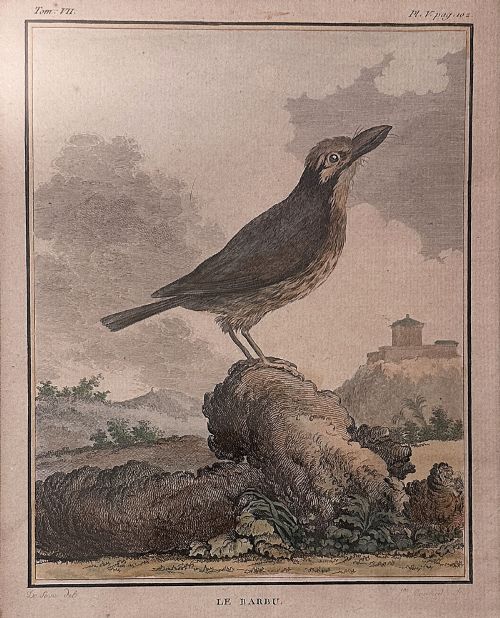
Makers produced these works on paper using ink, watercolour paint, and lithographic or engraved plates. Many early examples received careful hand-colouring over black and white lines to capture the specific plumage of each bird.
Framing materials commonly include wood, glass, ebonised mouldings, and deep giltwood mounts that protect the delicate paper beneath while complementing the period aesthetic.
Vintage Ornithological Print Retail Price Guide 2026
Typical asking prices for vintage ornithological print among the pieces listed under this phrase on Sellingantiques today, from the lower quarter to the upper quarter. They describe what is for sale here now, not the wider market.
Listings feature works from the eighteenth, nineteenth, and twentieth centuries, utilising paper, watercolour, ink, and gold leaf.
What varies in quality
The distinction between ordinary and exceptional pieces lies in the precision of the draughtsmanship and the fidelity of the hand-colouring. Works by named ornithological artists demonstrate superior anatomical accuracy in the depiction of feathers and posture compared to anonymous commercial plates.
The condition of the paper and the vibrancy of the original pigments also dictate the standing of a piece. Clean, unmarked sheets and well-preserved watercolours retain their visual impact far better than examples faded by light or compromised by damp.
Harry Bright·Gould·François-Nicolas Martinet·Sir Peter Markham Scott·Ralston Gudgeon·George Edwards·Charles F. Tunnicliffe·William Swainson·Robin Hill·Paul-Louis Barruel·Eleazor Albin
The Vintage Ornithological Print Glossary
- Lithograph
- A print made by drawing an image on limestone or a metal plate with a greasy medium and pressing it onto paper. This technique allowed publishers to produce detailed natural history plates in larger quantities.
- Engraving
- A method where an artist cuts lines directly into a metal plate with a burin to hold ink for printing. It produces sharp, fine lines suitable for scientific illustration.
- Hand-coloured
- A print finished with watercolour or ink applied by hand after the mechanical printing process. This adds individual colour accuracy to each published sheet.
- Mount
- A cardboard or paper border placed around a picture inside a frame to separate the artwork from the glass. Deeper mounts provide space for delicate watercolours and prevent contact with the glazing.
- Plumage
- The layer of feathers covering a bird, which illustrators studied closely to record distinct species accurately. Capturing this texture marked the skill of the naturalist artist.
Vintage Ornithological Print: Frequently Asked Questions
How should I frame an unframed print?
Choose conservation-grade materials and UV-resistant glass to protect aged paper from light damage over time. A neutral mount allows the fine lines of the engraving or watercolour to remain the primary focus on the wall.
Keep the paper away from direct sunlight and high humidity rooms such as bathrooms. Professional framing ensures the print rests securely without adhesives that might stain the historic paper.
Are these prints original period pieces?
The selections on this page originate from the specific centuries noted in their descriptions, rather than modern reproductions. Each piece reflects the printing and painting techniques of its stated era.
Examination of the paper stock, ink application, and plate marks helps confirm the age of the item. Hand-coloured details and historical framing further distinguish authentic period works from later copies.
How do I care for watercolour paintings?
Watercolour pigments on paper are sensitive to direct sunlight and moisture fluctuations. Hang them in shaded areas of the home away from radiators and damp walls.
Ensure the frame is properly sealed at the back to prevent dust and insects from reaching the paper surface. Gentle dusting of the outside glass is all that is required for routine maintenance.
Can I hang these pieces in sets?
Matched sets from publishers or artists look striking when displayed together in a uniform row or grid arrangement. Grouping works by the same period or subject matter creates a cohesive display on a large wall.
Maintain consistent framing styles across the group to unify different paper sizes and publication dates. Spacing the frames evenly allows each individual bird study to be appreciated clearly.