
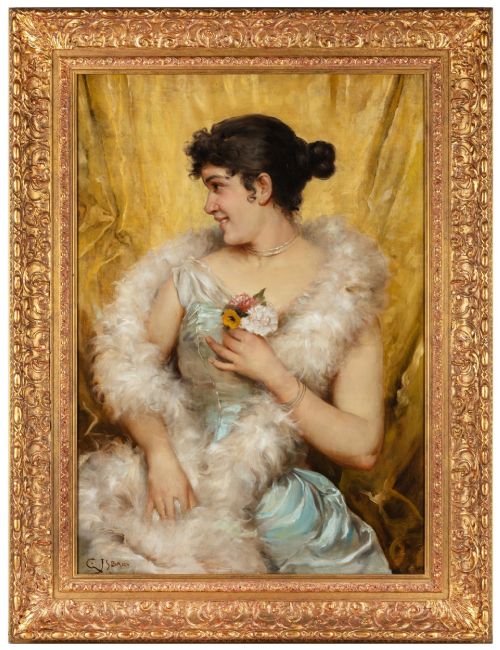
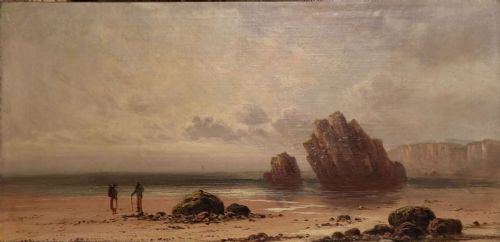

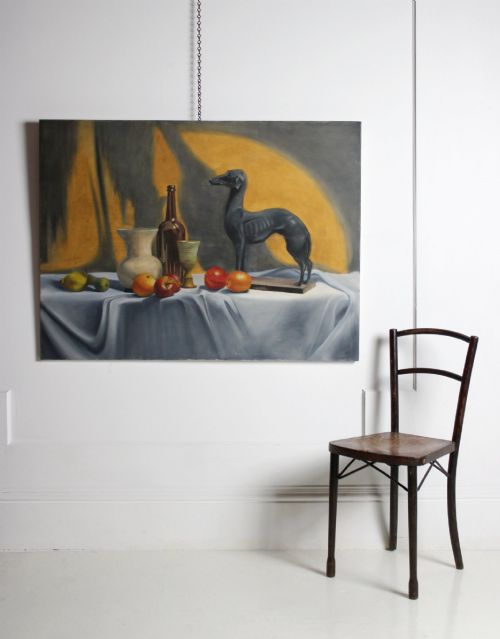
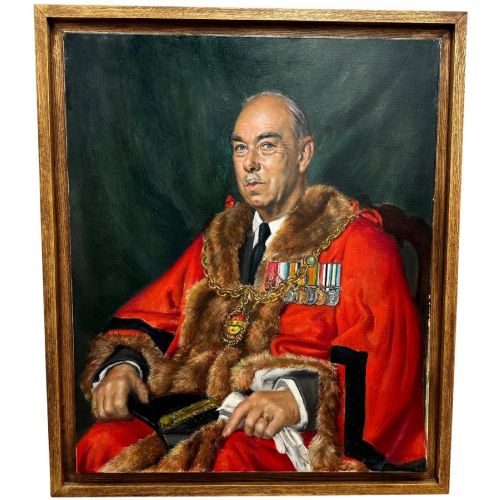


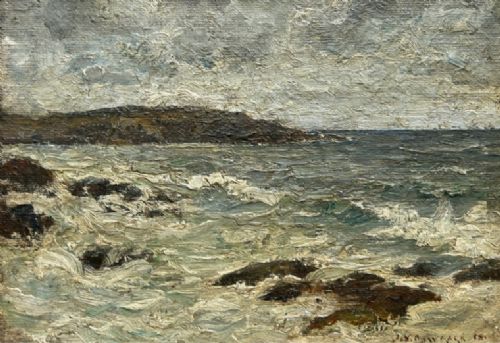
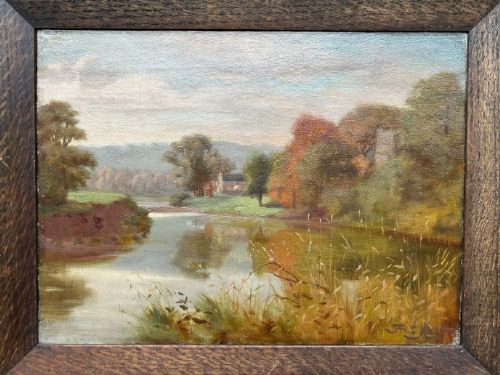
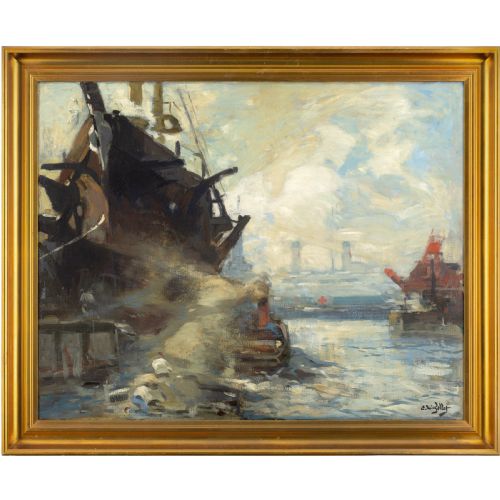
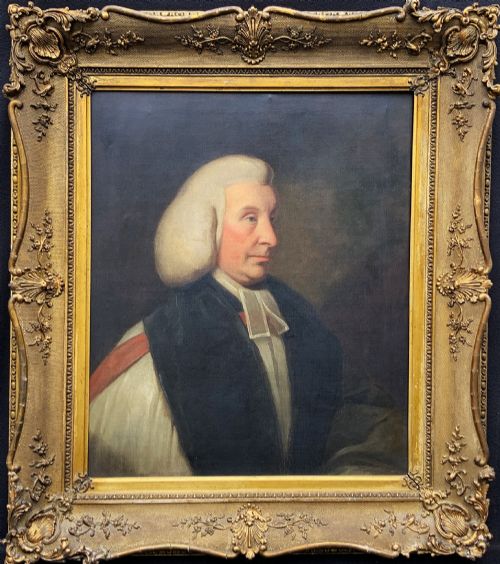
Vintage Original Oil Canvas
When searching for vintage original oil canvas, collectors find period paintings created with traditional pigments and supports.
Vintage Original Oil Canvas
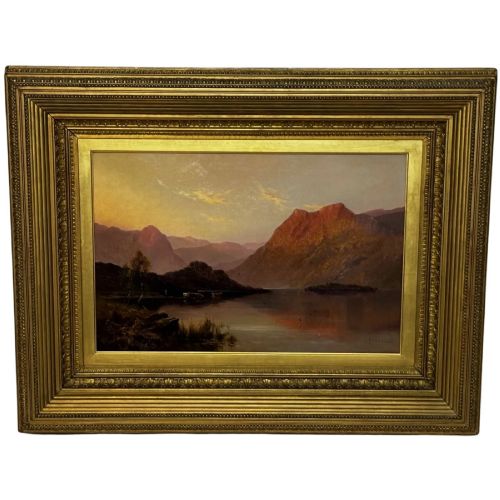
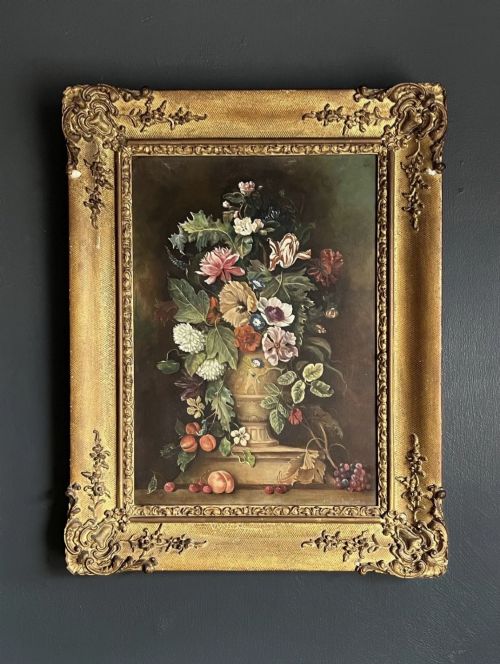
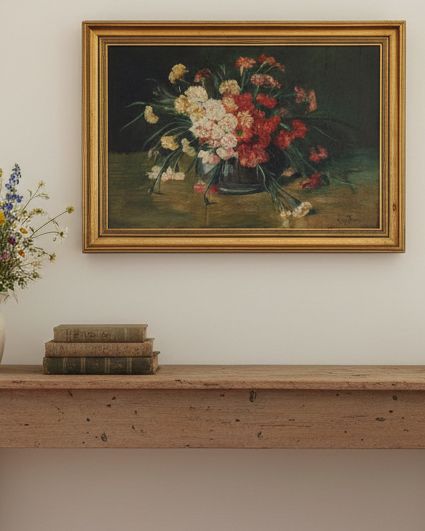
A search for vintage original oil canvas directs attention toward historical painted works executed on woven textile supports. These items span various centuries, encompassing pastoral landscapes, coastal views, floral studies, and formal portraits.
The selections available here lean heavily into mid twentieth century examples alongside nineteenth century works and earlier seventeenth century productions. Buyers encounter framed canvases and boards carrying genuine brushwork from British, French, Dutch, and Austrian hands.
Subjects range widely from maritime scenes and architectural views to domestic flower arrangements and detailed human likenesses. Each item represents a unique creation rather than a mass produced reproduction.
How they were made
Makers applied oil paint, composed of ground pigments suspended in drying oils such as linseed, directly onto prepared woven canvas or rigid wooden boards. Canvas required stretching over wooden frames and coating with gesso to create a stable, smooth ground for the brush.
Artists built up their compositions using layered strokes, sometimes applying thick impasto texture or blending pigments smoothly to capture light and shadow. Finished works were frequently housed in decorative timber or gilt gesso frames designed to complement the imagery.
Listings feature works spanning from the seventeenth century through the 1960s, executed on canvas, board, and gesso.
What varies in quality
Superior execution shows in the confidence of the brushwork and the artist's command of light, tone, and anatomy within the composition. Masterful handling elevates a straightforward landscape or portrait into a compelling visual record.
The integrity of the physical materials also determines grade, with stable canvas tension and well preserved pigment layers distinguishing finer survivals. Period framing adds another dimension, where original gilt gesso mouldings match the age and character of the painting within.
Kenneth Cozens·Bernard Hailstone·William H Myers·George Graham·John Hayls·Clifford Hanney·Frederick Marriott·Alfred Fontville de Breanski Jr·George Houston·Arthur Gue·Alfred Lyndon Grace·Alfred Pollentine·Albert Clark·Antonio DeVity·Clive Browne·Peter Brannan·Konstantin Stoitzner·Owen Bowen·Frank C Harlow·John Burns Robertson·John Bowes·May Cooke·Thomas Sherlock Evans·Moussa Ayoub·J Gerhardt
The Vintage Original Oil Canvas Glossary
- Canvas
- A heavy woven fabric, usually linen or cotton, used as a surface for painting. It is stretched tightly over a wooden frame before application of the ground layer.
- Impasto
- Paint applied in thick strokes that stand out proud from the surface. This technique retains the distinct marks of the brush or palette knife.
- Gesso
- A plaster mixture used as a smooth base coat on panels or frames before gilding or painting. It provides a durable white surface for the subsequent layers.
- Provenance
- The documented history of ownership surrounding a work of art. Clear records help establish authenticity and past exhibitions.
- Post-Impressionism
- An artistic movement following impressionism that explored emotional and symbolic expression through bold colours and distinct forms.
Vintage Original Oil Canvas: Frequently Asked Questions
How do I date an old oil painting?
Dating relies on examining the stretcher frames, canvas preparation, and stylistic clues within the brushwork. Written signatures, dates on the reverse, and framing materials also offer reliable chronological markers.
Experts cross-reference these physical attributes with known working periods of specific artists or regional schools. Costume details and architectural elements depicted in portraits or scenes further narrow down the era of creation.
Are these paintings one of a kind?
Every piece created with oil on canvas or board represents a unique, hand painted original work. Artists mixed their own pigments and applied brushstrokes directly to the support.
Unlike printed reproductions, no two canvases share identical surface textures or minor brush variations. This individuality remains a primary draw for collectors acquiring historical art.
How should I clean a vintage canvas?
Surface dust can be removed gently using a soft, dry artist brush without applying pressure to the paint layer. Avoid household cleaning liquids, water, or chemical solvents which easily damage aged oils.
Professional conservators should handle deeper cleaning, varnish removal, or structural repairs to prevent accidental loss of original pigment. Regular maintenance involves keeping the artwork away from direct sunlight and excessive humidity.
What is the difference between canvas and board?
Canvas consists of woven textile stretched over a wooden frame, offering slight flexibility and a distinct fabric texture beneath the paint. Board provides a rigid, flat wooden or composite support that resists punctures.
Both materials appear frequently across different periods, with boards often utilised for smaller studies or plein air sketches. Each medium requires specific framing and environmental considerations to ensure long term preservation.