





Vintage Oriental Porcelain
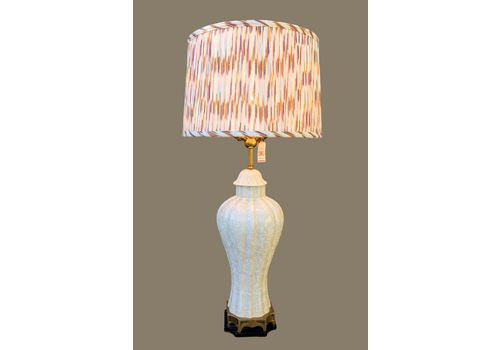
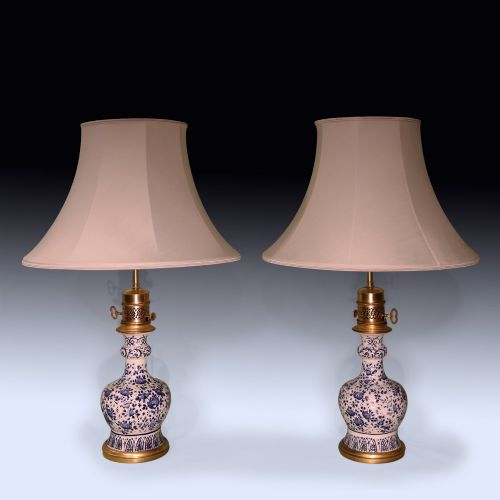
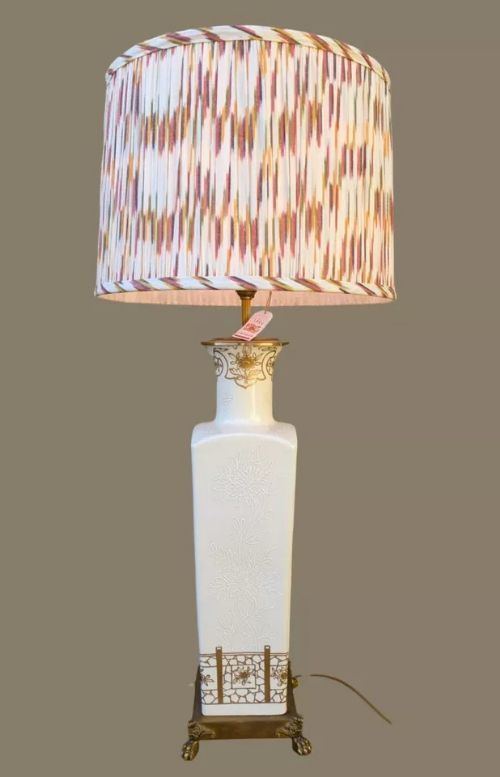
Vintage oriental porcelain brings together hand-painted vessels and table lamps from diverse Asian traditions to anchor a room.
Vintage Oriental Porcelain
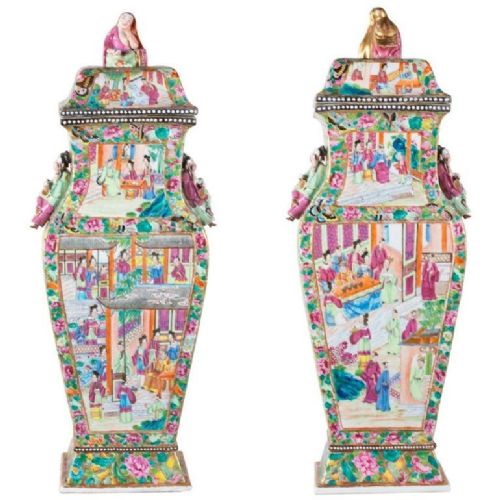
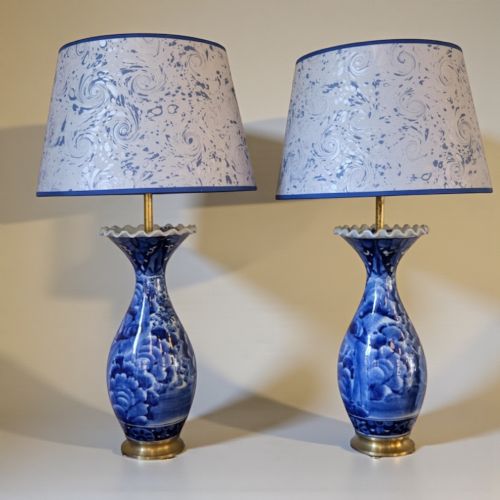
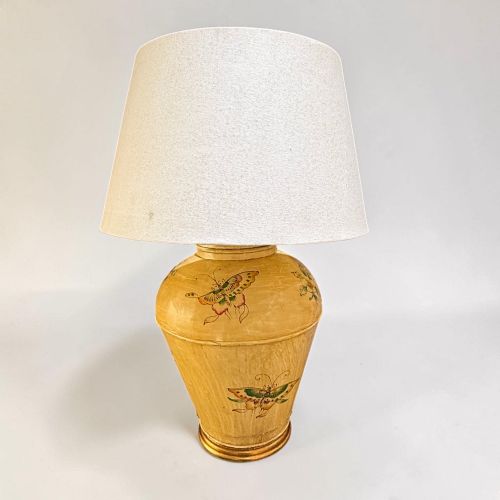
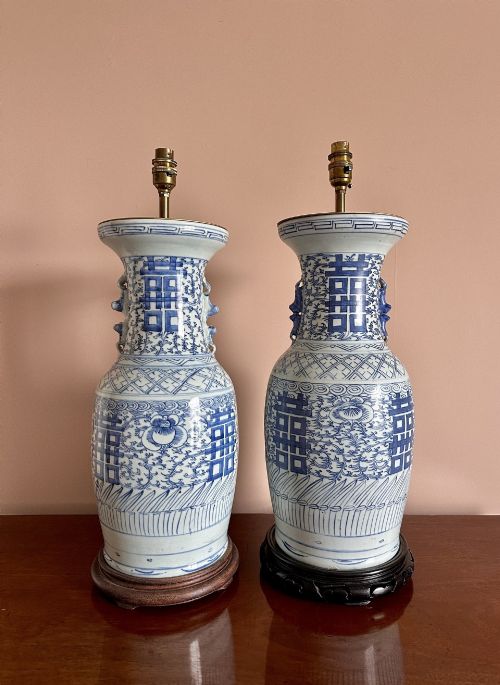
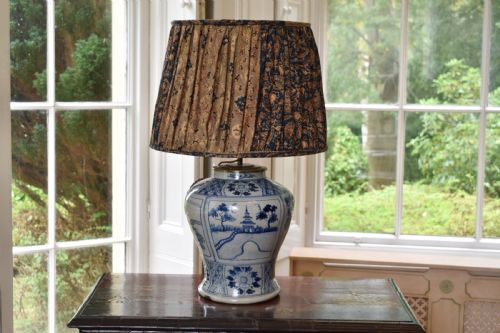
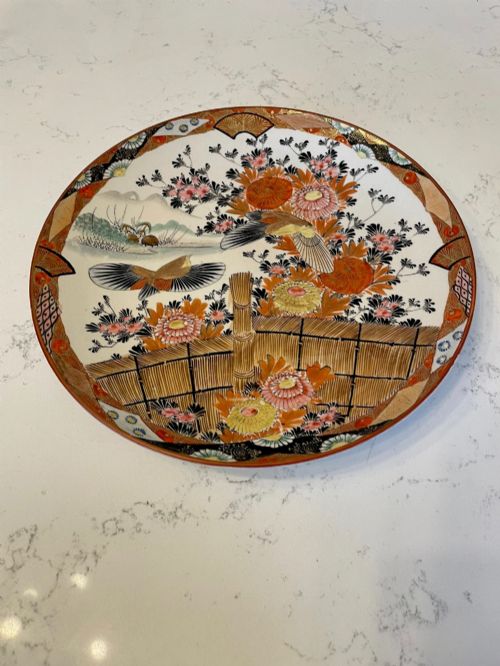
When buyers search for vintage oriental porcelain, they encounter a diverse selection of ceramic objects spanning multiple centuries and regions. The range includes large decorative plates, chargers, bowls, incense burners, and figures alongside table lamps adapted from earlier vessels.
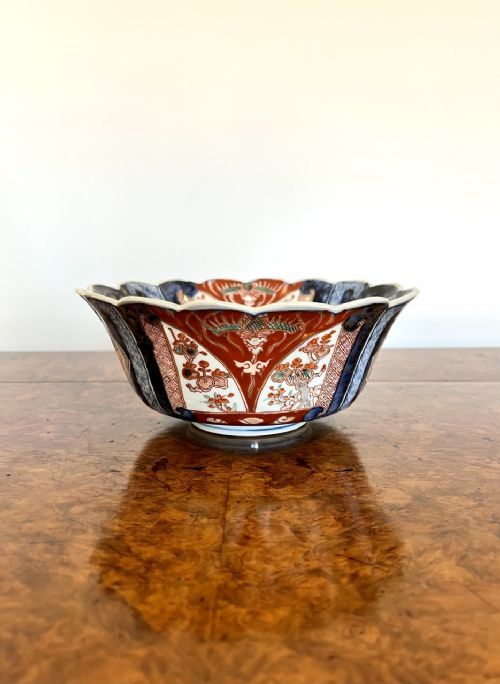
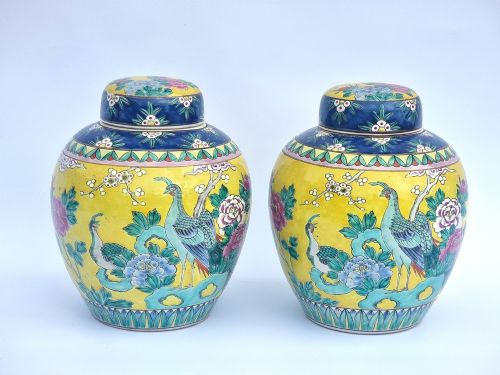
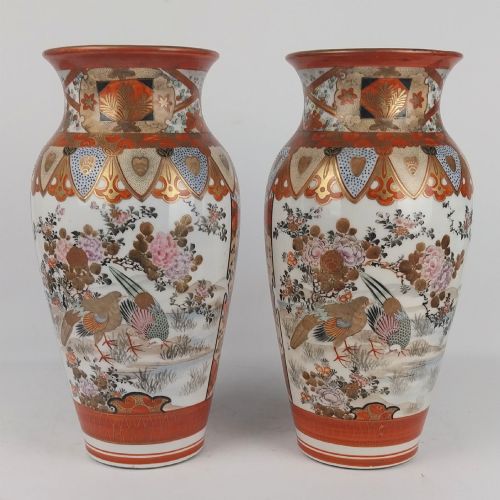
Japanese Satsuma wares and Imari patterns frequently appear alongside Chinese porcelain forms such as blue and white jars and Qing dynasty style pieces. These items bridge traditional decorative arts and functional interior lighting through period conversions.
Materials and construction methods
The pieces rely on ceramic bodies finished with detailed enamel painting, sometimes accented with gold leaf or paired with brass bases and carved wood elements. Skilled makers applied pigments by hand to porcelain, earthenware, and ironstone surfaces before firing.
Many items incorporate traditional motifs rendered in distinct colour palettes, while others utilise specialised glaze types like the Guan and Ge styles found on archaistic tripod censers.
Vintage Oriental Porcelain Retail Price Guide 2026
Typical asking prices for vintage oriental porcelain among the pieces listed under this phrase on Sellingantiques today, from the lower quarter to the upper quarter. They describe what is for sale here now, not the wider market.
Several vintage table lamps began life as seventeenth-century temple vases before electricians got hold of them.
Assessing craftsmanship and execution
Quality separates pieces through the precision of the hand-painted details and the crispness of the underlying ceramic form. Superior examples display controlled brushwork in the enamel decoration and careful integration of metal mounts or lamp fittings.
The distinction between standard production items and finer specimens rests upon the depth of the glaze, the complexity of the pattern, and the preservation of any applied gold leaf or signatures.
The Vintage Oriental Porcelain Glossary
- Imari
- A style of Japanese porcelain featuring rich underglaze blue and overglaze iron red, green, and gold ornamentation. These wares were widely exported to Europe from the port of Imari.
- Satsuma
- A type of Japanese earthenware characterised by a crackle-glaze ivory body and detailed polychrome enamels. Pieces often incorporate raised gold highlights depicting figures and floral motifs.
- Cloisonne
- A metalwork technique where enamel paste is applied within compartments created by soldered wire strips. The surface is subsequently fired and polished smooth.
- Charger
- A large decorative plate intended for display on a wall or sideboard rather than for dining use. These items showcase the primary artistic range of the ceramicist.
- Okimono
- A Japanese freestanding decorative sculpture designed for display in an interior alcove. These figures portray historical subjects, deities, or mythical characters.
Vintage Oriental Porcelain: Frequently Asked Questions
How do I identify Satsuma porcelain?
Satsuma pieces typically display a distinctive creamy crackle-glaze earthenware body decorated with intricate polychrome designs and gold leaf. Many of these items were produced during the Meiji period for export markets.
Closer inspection reveals finely detailed figures, flowers, and geometric borders painted by hand over the glaze. Signed bases often indicate specific studios or artists from the tradition.
Are converted lamps original?
Many antique vases and jars were fitted as table lamps during the nineteenth and twentieth centuries to suit contemporary interior tastes. This practice often involved drilling the ceramic base or adding brass mounts.
While the lighting conversion is later than the original ceramic body, these pieces preserve decorative vessels for modern domestic use. The style of the wiring and mounts usually points to the era of the conversion.
What defines Imari patterns?
Imari wares are instantly recognizable by their strict palette of cobalt blue underglaze combined with iron red and gold overglaze. This high-contrast colour scheme dominated Japanese export ceramics for generations.
The designs frequently incorporate panels of flowers, landscapes, and birds arranged in symmetrical or radial compositions. The edges of these bowls and plates are often scalloped or shaped.
How should I clean antique porcelain?
Antique ceramics and enamel decorations require gentle maintenance to preserve the fragile overglaze paints and gold leaf. Dusting with a soft, dry cloth is usually sufficient for regular upkeep.
Harsh chemical cleaners and immersion in water should be avoided, particularly on items with metal mounts or wooden components. Professional advice should be sought before attempting any intensive restoration.