
Vintage Oriental Painting
These vintage oriental painting selections bring traditional brushwork, silk, and pith across centuries into modern interiors.
Vintage Oriental Painting
When you search for vintage oriental painting, you encounter works spanning the nineteenth century through the mid-twentieth century. The selection encompasses framed silk paintings depicting landscape scenes, along with historic figural pith paintings.
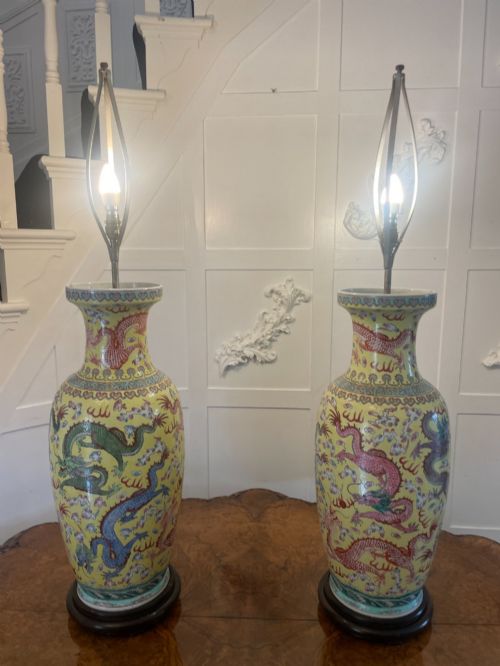
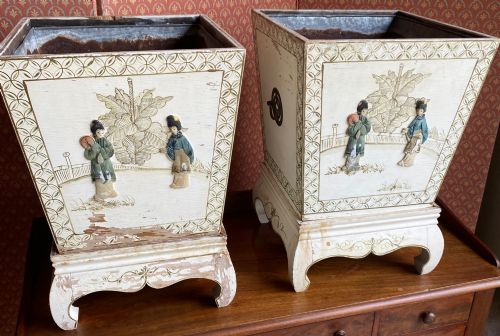
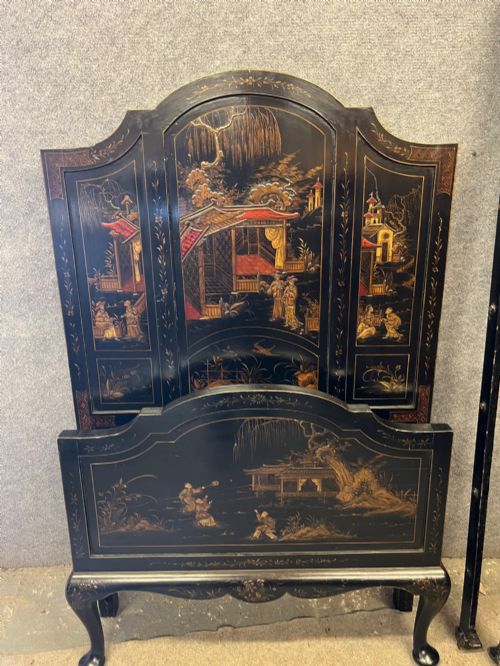
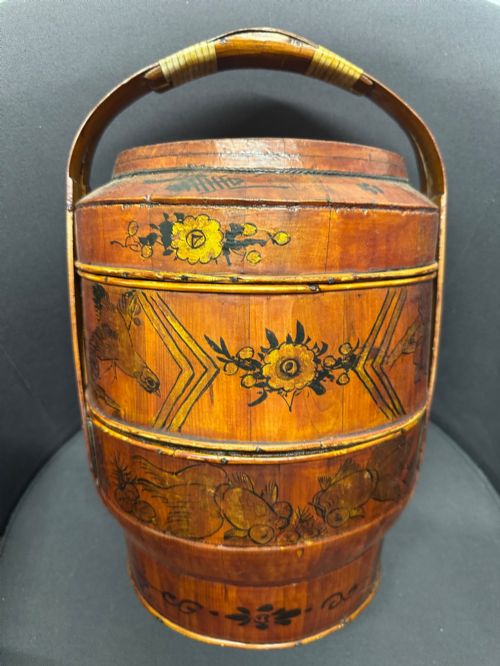
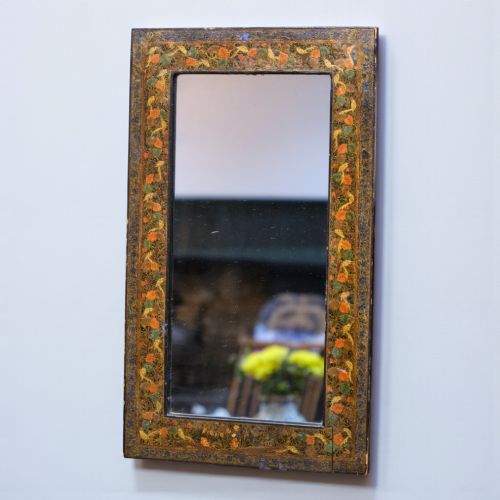
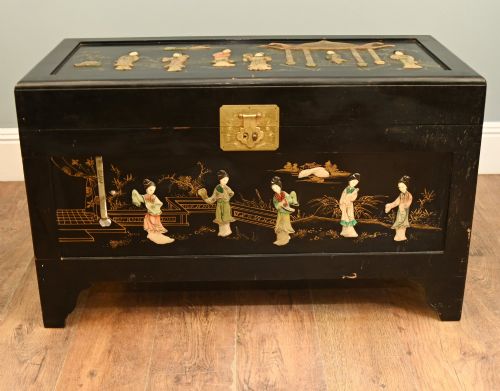
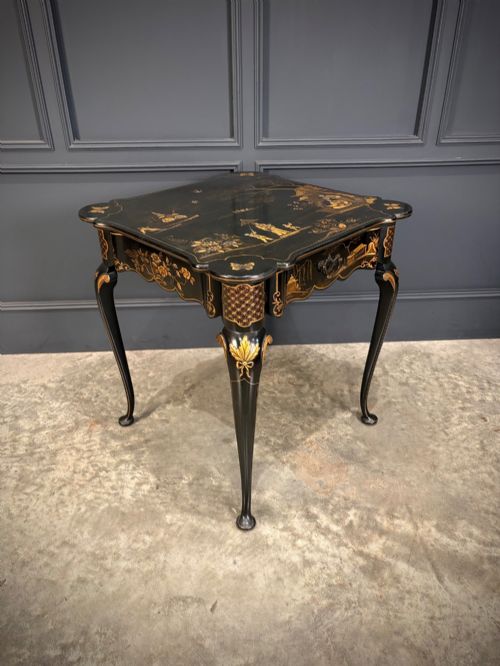
Beyond flat works on paper and silk, the category extends to pieces featuring painted decorative surfaces. These span from Kashmiri hand-painted items to Japanned furniture and panels.
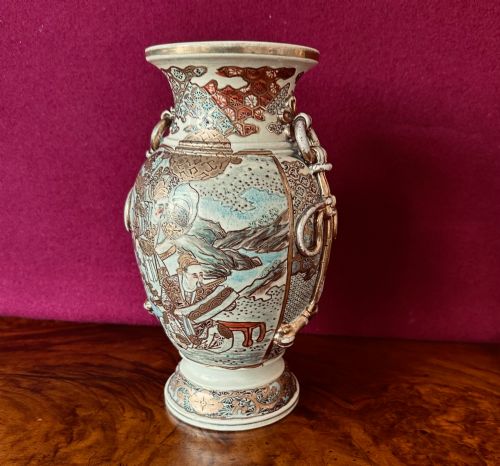
Dating ranges from the late Qing dynasty and Japanese Meiji period through to later twentieth-century interpretations. The works reflect diverse regional traditions across Asia as well as European Chinoiserie revivals.
Materials and techniques
Works on paper and silk utilise traditional water-based pigments applied with fine brushes. Artists often mounted these delicate media within original wooden frames to preserve the fragile ground.
Pith paintings utilise the spongy cellular interior of the Tetrapanax papyrifer plant, sliced into thin sheets. This absorbent material captures vivid pigments in group portfolios.
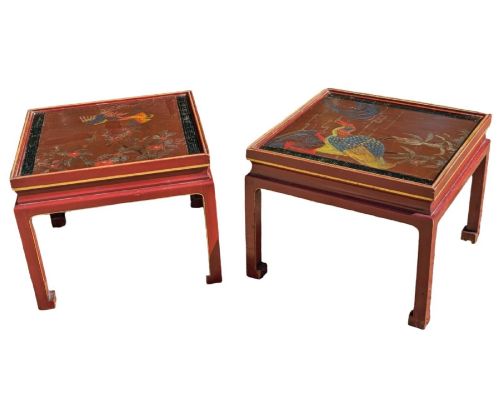
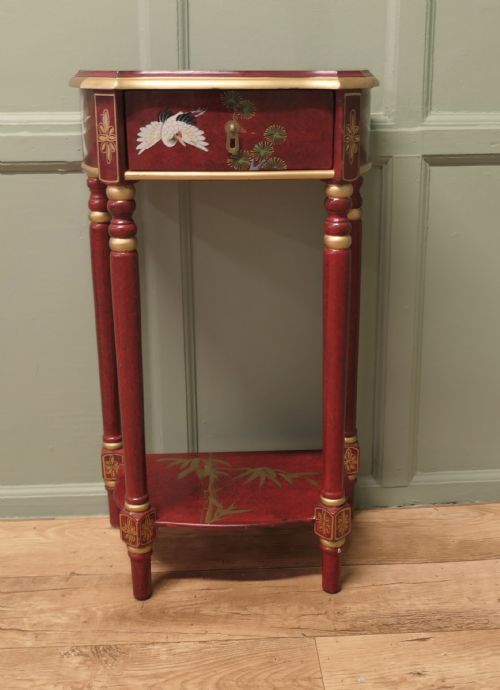
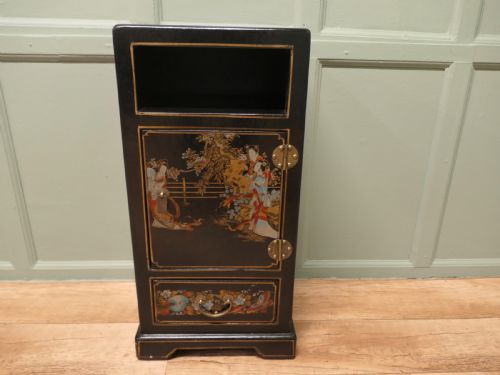
Lacquered and Japanned items incorporate layers of resin or varnish applied to wooden surfaces. Artisans embellished these grounds with painted motifs and gilt highlights.
Delicate pith paintings often survived long maritime journeys inside fragile export albums meant for Victorian drawing rooms.
Distinctions in quality
Execution and precision separate fine artistic renderings from standard decorative output. Superior brushwork displays confident linework and nuanced colour gradation in landscapes and figures.
Original framing and mounting significantly influence the integrity of paper and silk pieces. Intact historic surrounds protect the underlying medium from environmental degradation.
The complexity of the surface preparation defines lacquered pieces. Skilled application of multiple lacquer layers creates a deep, lustrous ground for painted ornamentation.
Maples & Co.·Maison Bagues
The Vintage Oriental Painting Glossary
- Pith painting
- Artwork created on thin sheets of plant pith rather than paper. This material was widely used in nineteenth-century China for export art.
- Shan Shui
- Traditional Chinese landscape painting style featuring mountains, rivers, and waterfalls. These works capture natural scenery through ink and brushwork.
- Japanned
- European imitation of East Asian lacquerwork developed during the seventeenth and eighteenth centuries. Artisans applied dark varnishes and raised metallic decoration to furniture.
- Meiji Period
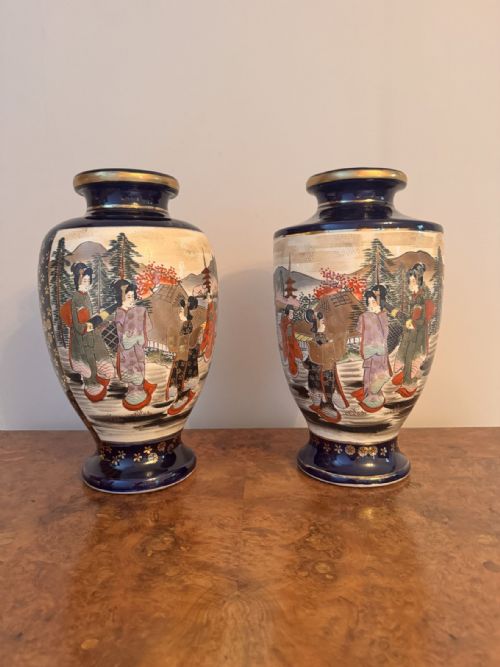
- Era in Japanese history lasting from 1868 to 1912 characterised by artistic production for export. Ceramics and decorative arts from this time display intricate detailing.
- Imari
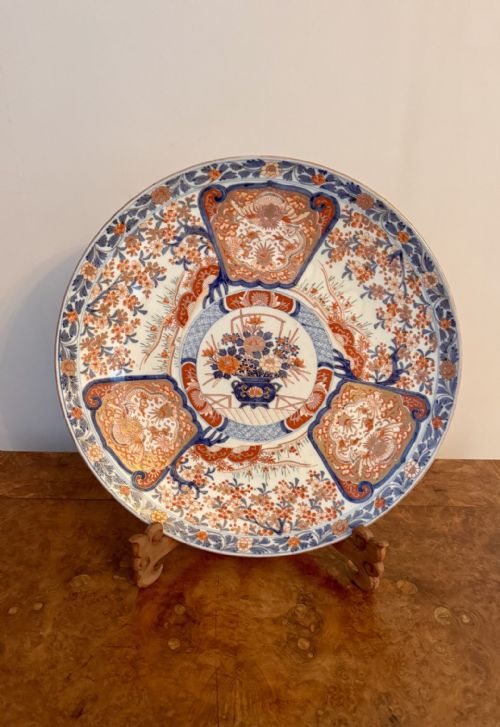
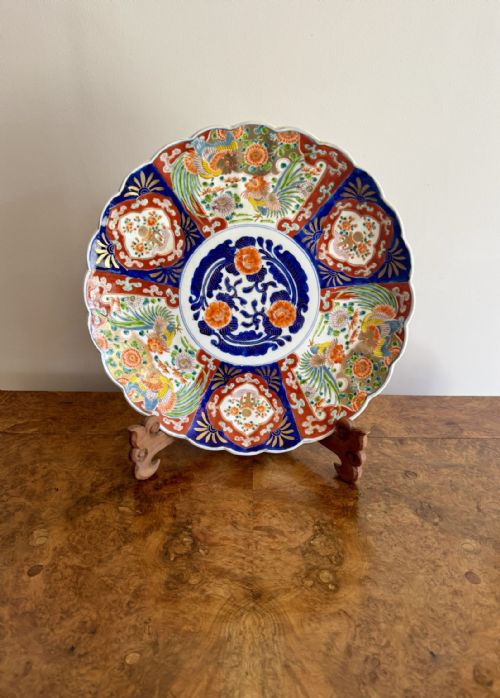
- Style of Japanese porcelain decorated in underglaze blue and overglaze red, green, and gold. These colourful wares were heavily exported to Europe.
Vintage Oriental Painting: Frequently Asked Questions
How do I care for silk paintings?
Keep delicate silk works away from direct sunlight to prevent the fading of natural pigments and fabrics. Maintain stable indoor humidity levels to protect the delicate fibres.
Display these pieces behind protective glass where possible. Avoid using liquid cleaners on the fabric surface; consult a professional conservator for maintenance.
What is pith paper?
Pith paper is a delicate material made from the cellular pith of a specific Asian shrub. Artists sliced the spongy core into thin sheets for watercolours.
Because the material is fragile and sensitive to moisture, these works require careful preservation. They provide a window into nineteenth-century export art.
Where should I place a lacquered panel?
Position lacquered wooden items away from direct heat sources and radiators to prevent timber movement. Excessive dryness can cause the historic lacquer surface to crack.
Dust the surface gently with a soft, dry cloth rather than chemical polishes. Let ambient room light showcase the reflective sheen of the finish.